
Reporting Tools & Tips
GIJN’s Top 10 Investigative Tools of 2023
Having flagged the top tips at NICAR23, IRE23, and GIJC23 in Sweden, GIJN offers the following 10 user-friendly tools that you might consider in your next investigations.
Having flagged the top tips at NICAR23, IRE23, and GIJC23 in Sweden, GIJN offers the following 10 user-friendly tools that you might consider in your next investigations.
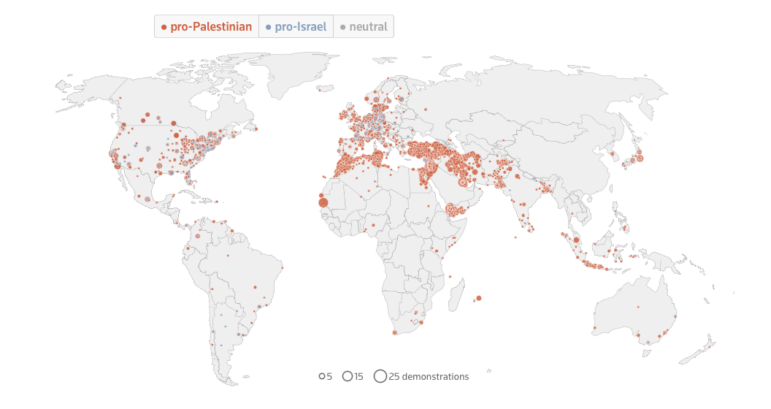
Featuring stories on extrajudicial killings in Bangladesh, protests about the Israel-Gaza conflict, China’s global maritime footprint, and a memoriam for Philip Meyer, a pioneer of data-driven journalism.

Many reporters rely on FOIA requests and RTI legislation for their investigations. But how do you take these requests to the next level?
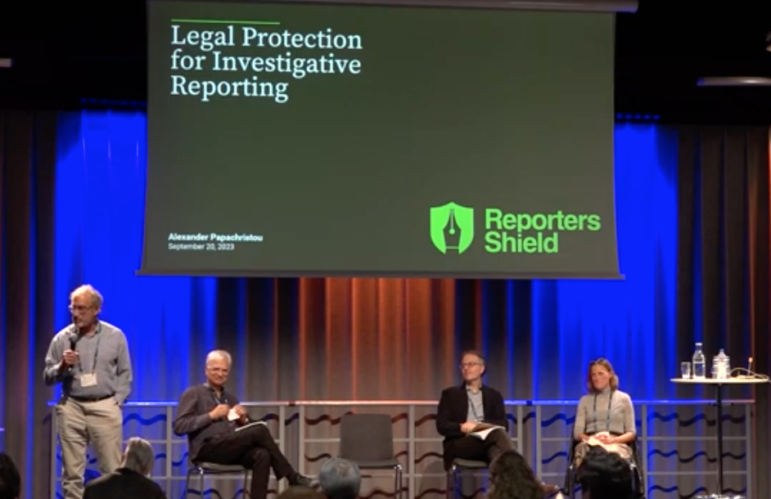
How journalists can identify whether they’ve been hit with a SLAPP suit — and resources for helping journalists fight back.
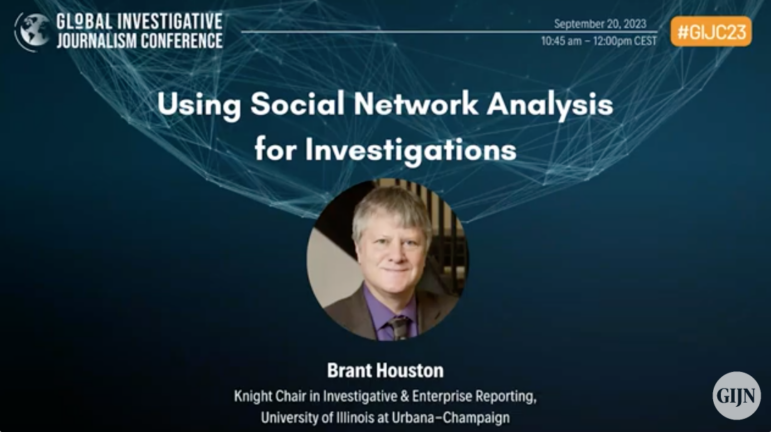
Social Network Analysis (SNA) enables investigative journalists to connect the dots that can lead to groundbreaking revelations and expose deep-seated wrongdoing.

GIJN’s Resource Center presents a selection of our top reporting guides and tipsheets from 2023, from tracking climate change accountability to investigating war crimes.
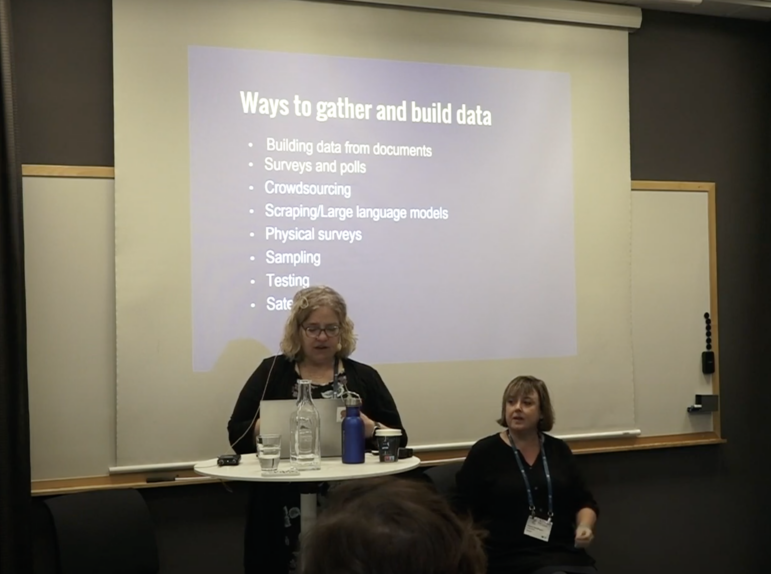
What do you do when you don’t get the dataset you need from authorities, or it doesn’t exist? Two experts provided tips at GIJC23.

GIJN is now accepting simultaneous proposals to host its next two Global Investigative Journalism Conferences in 2025 and in 2027.

The DX film festival showcased investigations documenting challenges to democratic ideals and human rights around the world.

GIJN joined with 16 other media partners to draft a charter and 10 principles for using AI in newsrooms and investigative reporting.
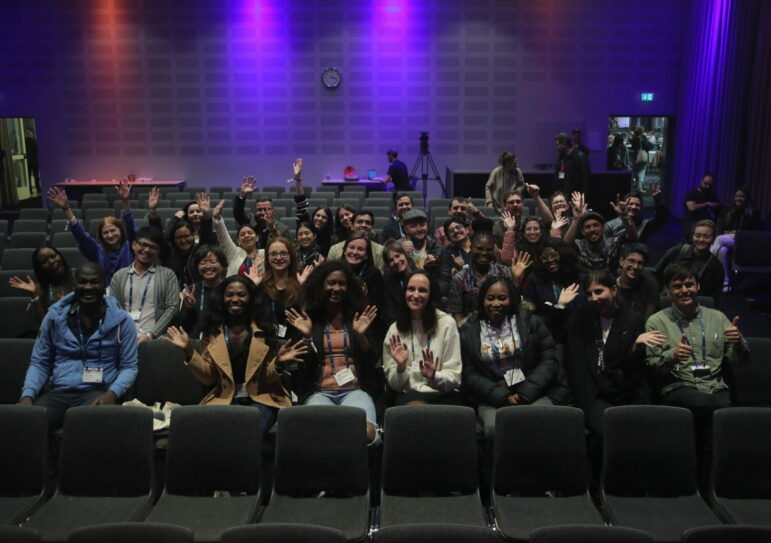
At GIJC23, GIJN sponsored more than 100 fellows from dozens of developing and transitioning countries.
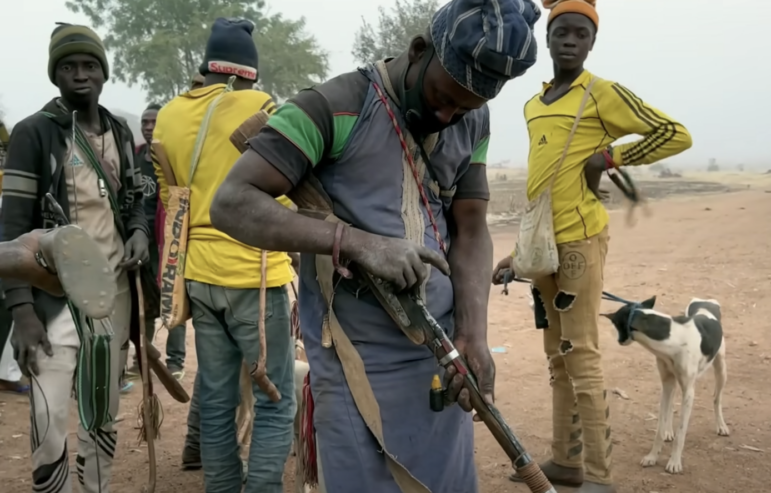
Yusuf Anka spent three years riding into and out of dangerous territory in northwestern Nigeria, investigating armed gangs plaguing his home region.

Global internet advertising revenue is forecast to reach $723.6 billion in 2026. Who makes this money and how they go about it is fertile ground for investigative journalists.

Our roundup features stories about airstrikes in Gaza, Haiti’s gang problem, carbon “bombs,” and blocking ChatGPT crawlers.

This week, the second cohort of GIJN’s six-week, online Digital Threats course begins, training 25 journalists from 22 countries around the world.

Journalists share stories and tips from their investigations into environmental crimes, from deforestation in the Congo to the Beirut port blast.

Media outlets are now more than ever looking for innovative digital strategies to reach and engage audiences as well as remain sustainable.

Great investigative editors make stories stronger, protect and motivate reporters, and make investigations more efficient.

Jeff Leen, the head of investigations at the Post for the past 20 years, speaks about their latest podcast and how the outlet tackles in-depth stories.
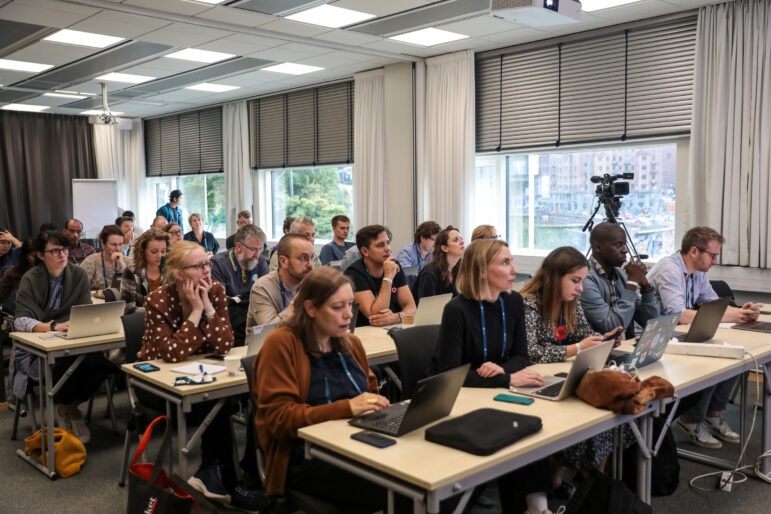
Knowing where to look for data — and accessing it via scraping data from websites — can be a powerful force multiplier for investigative journalists.

Working as a journalist in Afghanistan has never been harder, but it’s a chance to resist the Taliban’s oppression of women’s rights, says the founder of Zan Times.

When reporters know how to follow the money, hidden wealth can often be uncovered in real estate, planes, yachts, artwork, and even racehorses.
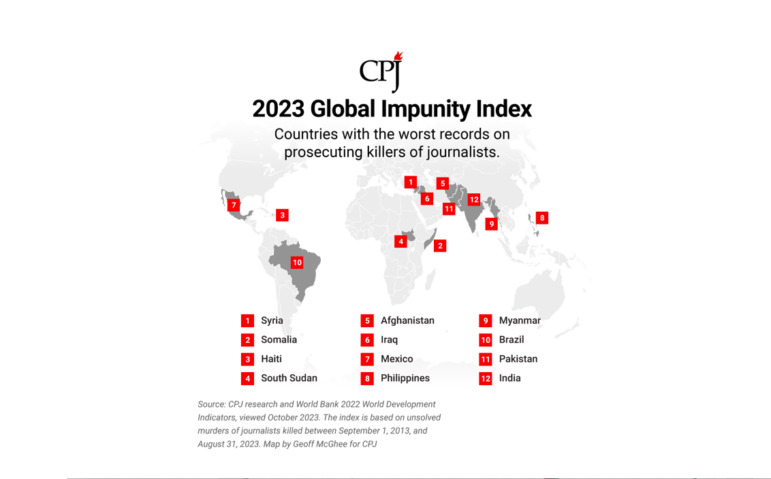
According to CPJ, 261 journalists have been murdered in the past 10 years, part of a broader “hard path to justice” where killings of reporters go unpunished.
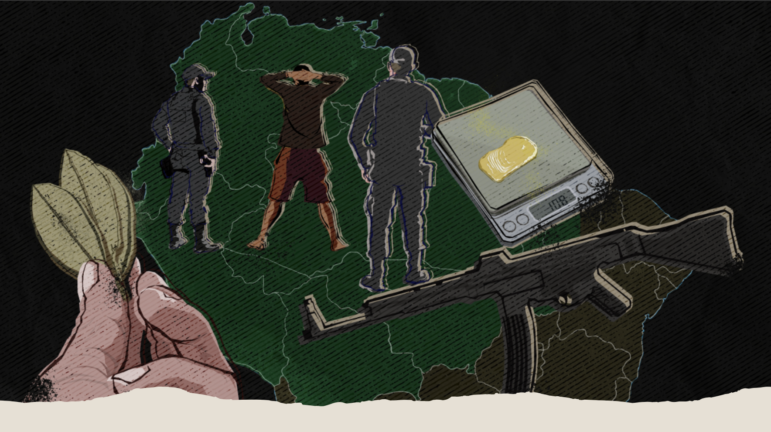
Amazon Underworld is a large-scale project that aims to reveal how organized crime now controls a critical region nearly devoid of governance.

A unique collaboration between four Nordic public broadcasters sought to uncover the scale of Russian covert spying operations in the region.
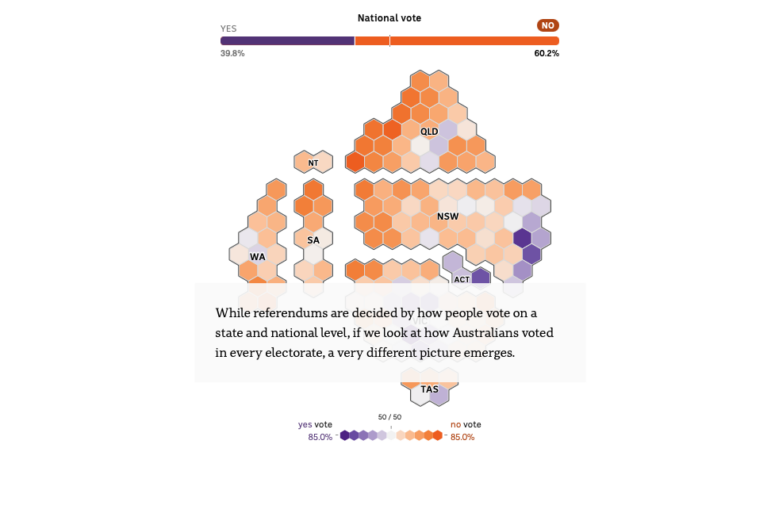
Featuring the first-round results of Argentina’s presidential election and a closer read of Australia’s “No” vote on Indigenous recognition.

Two reporters whose investigative work has exposed systemic land grabbing and illegal mining in the Amazon share their tips.

A team of investigative journalists from Germany and the US used undercover reporting, OSINT, and data analysis skills to connect online extremism with offline terror.