

GIJC23 Reporting Tools & Tips
Waste, Fraud, Abuse: Covering the Environmental Crime Beat
Journalists share stories and tips from their investigations into environmental crimes, from deforestation in the Congo to the Beirut port blast.
Journalists share stories and tips from their investigations into environmental crimes, from deforestation in the Congo to the Beirut port blast.

Media outlets are now more than ever looking for innovative digital strategies to reach and engage audiences as well as remain sustainable.

Great investigative editors make stories stronger, protect and motivate reporters, and make investigations more efficient.

Jeff Leen, the head of investigations at the Post for the past 20 years, speaks about their latest podcast and how the outlet tackles in-depth stories.
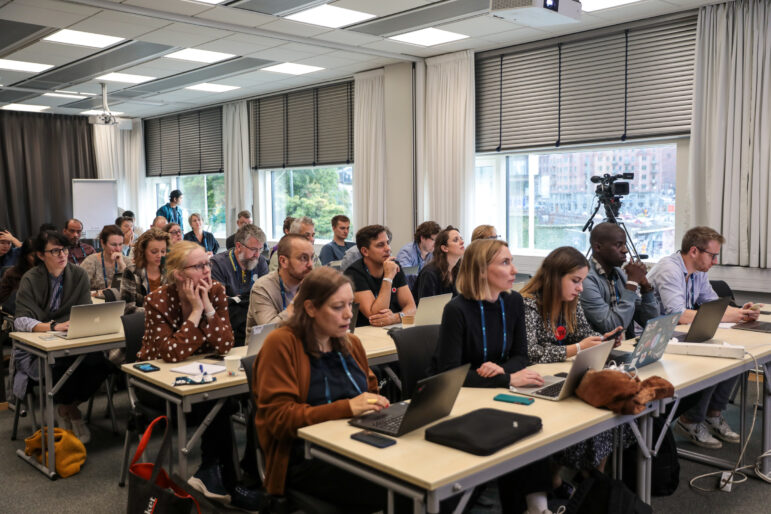
Knowing where to look for data — and accessing it via scraping data from websites — can be a powerful force multiplier for investigative journalists.

Working as a journalist in Afghanistan has never been harder, but it’s a chance to resist the Taliban’s oppression of women’s rights, says the founder of Zan Times.

When reporters know how to follow the money, hidden wealth can often be uncovered in real estate, planes, yachts, artwork, and even racehorses.
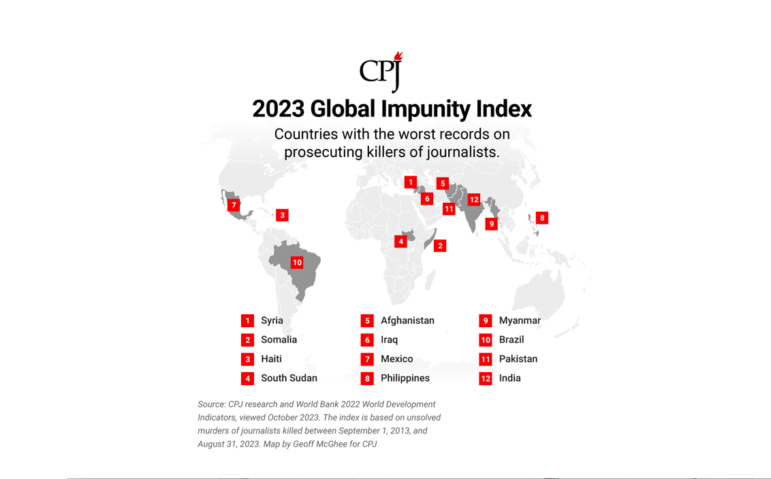
According to CPJ, 261 journalists have been murdered in the past 10 years, part of a broader “hard path to justice” where killings of reporters go unpunished.
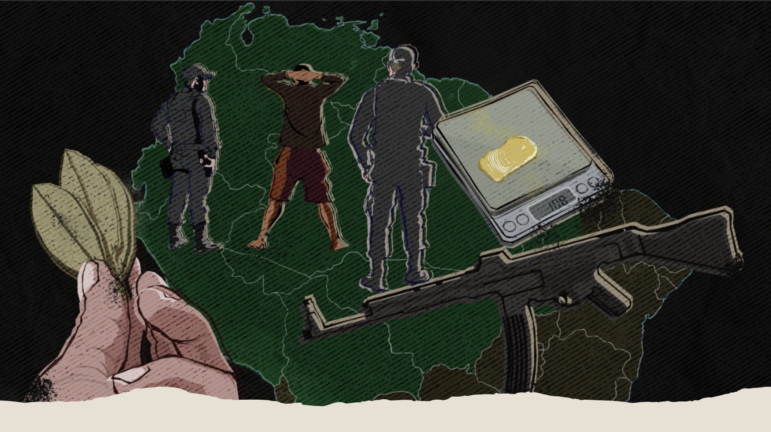
Amazon Underworld is a large-scale project that aims to reveal how organized crime now controls a critical region nearly devoid of governance.

A unique collaboration between four Nordic public broadcasters sought to uncover the scale of Russian covert spying operations in the region.
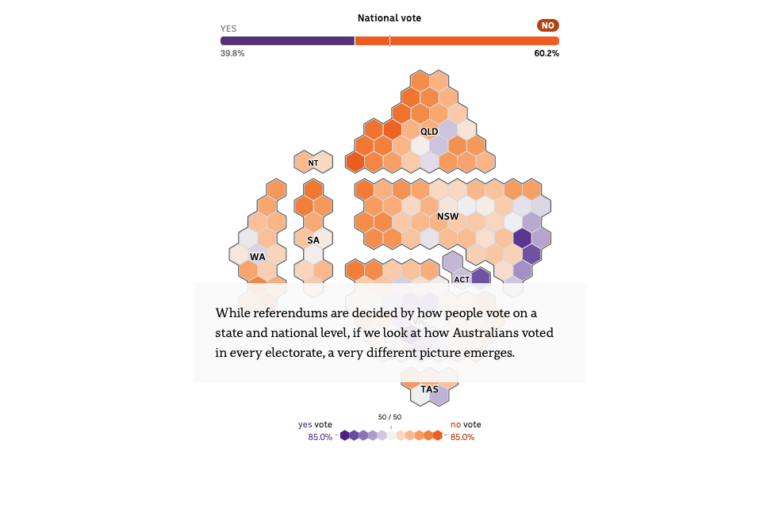
Featuring the first-round results of Argentina’s presidential election and a closer read of Australia’s “No” vote on Indigenous recognition.
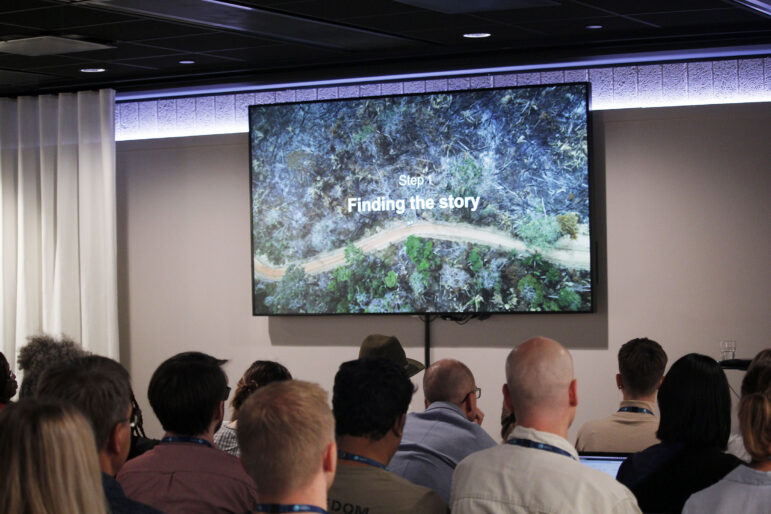
Two reporters whose investigative work has exposed systemic land grabbing and illegal mining in the Amazon share their tips.

A team of investigative journalists from Germany and the US used undercover reporting, OSINT, and data analysis skills to connect online extremism with offline terror.
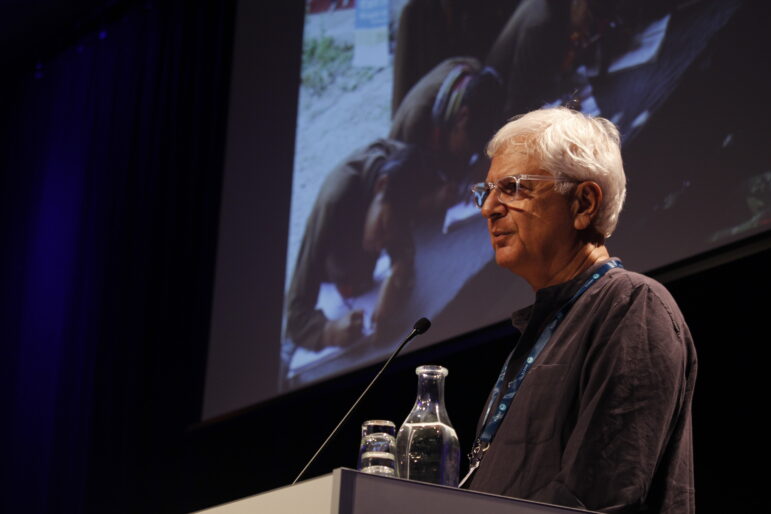
Historians have always used archival documents to study what happened years, decades, or even centuries ago. But sometimes journalists are the ones digging into the past and uncovering truths that are big enough to “rewrite history.”
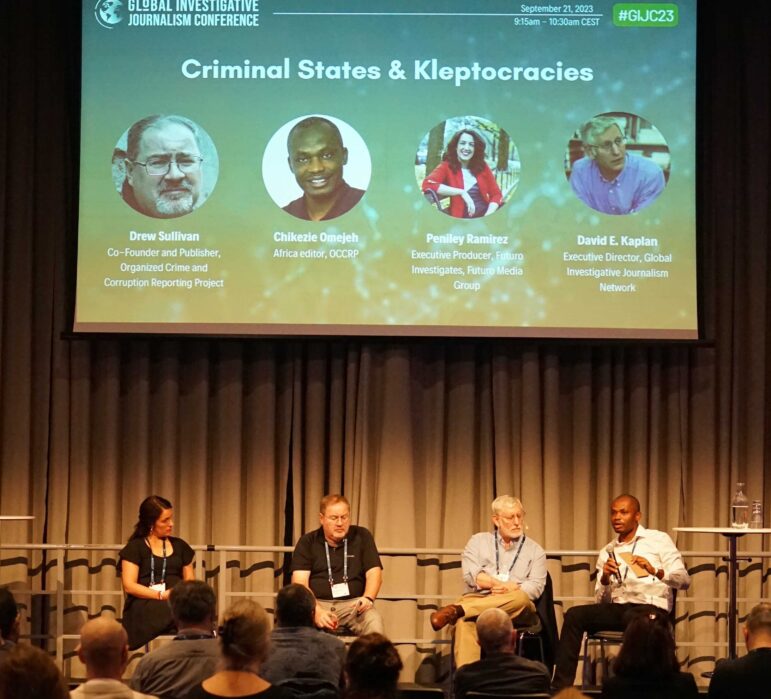
Veteran journalists explained how an industry of enablers is supporting a growing group of kleptocracies and mafia states around the world, and that following the money is a great way to track them.

The new, searchable database FBarchive is designed to help researchers, journalists, and policymakers better understand and investigate decisions made at Meta about some of the most influential social media platforms across the globe.
An accurate understanding of the applicable laws by journalists can ensure and improve credible reporting, and raise awareness of potential violations.
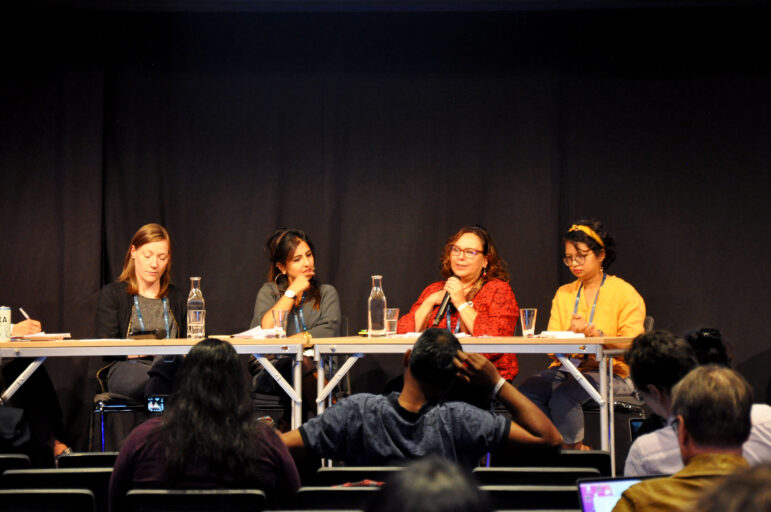
Communities are often considered merely our audience in journalism. But local communities can be engaged to help report impactful stories, provide tips and resources, and even boost the finances of watchdog media around the world.
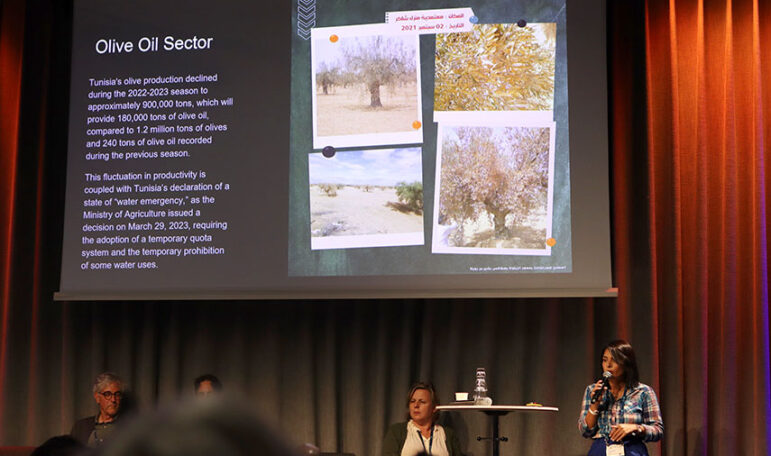
Water depletion in Tunisia, illegal shark fishing in Asia, global seed monopolies: three environmental journalists shared lessons at GIJC23 from their investigations into food production and supply chains.
After being wrongfully convicted of murder, Rowe taught himself watchdog reporting while in prison, and eventually worked his way onto the BBC’s prestigious Today and Panorama programs.

Collaboration has emerged as the killer app for investigative journalism in the past decade, and a panel of editors at GIJC23 shared key insights into how watchdog partnerships can thrive.

Featuring the New York Times’ mapping of the recent events in the Israel-Hamas war, ProPublica’s investigation into defects of a company’s breathing machines, and El País’ gender analysis of Nobel Prize winners.
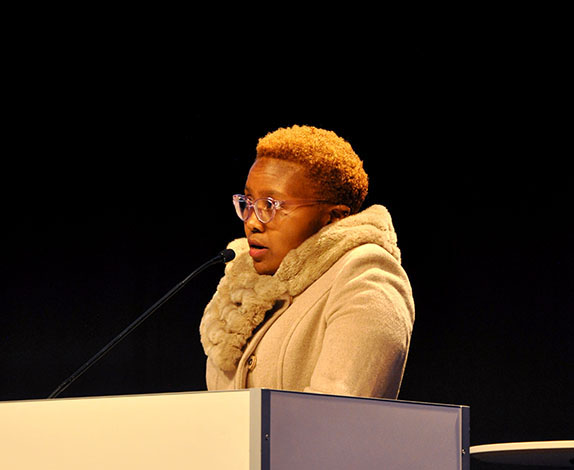
From cold-pitching to collaborating, and from promoting your work to getting top commissions, being a freelancer brings a whole series of challenges, especially for investigative journalists.
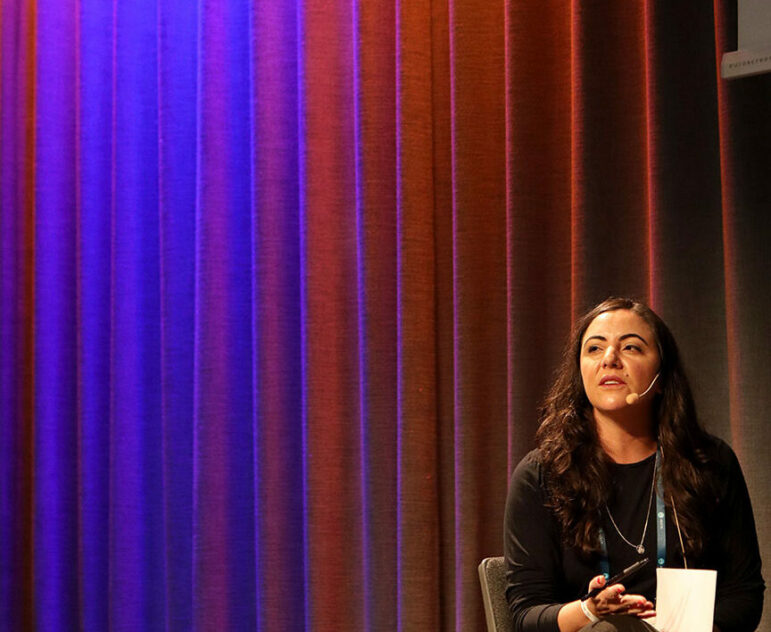
The influence of extremist groups on mainstream politics is on the rise, and journalists need tools to face this threat to healthy democracies.
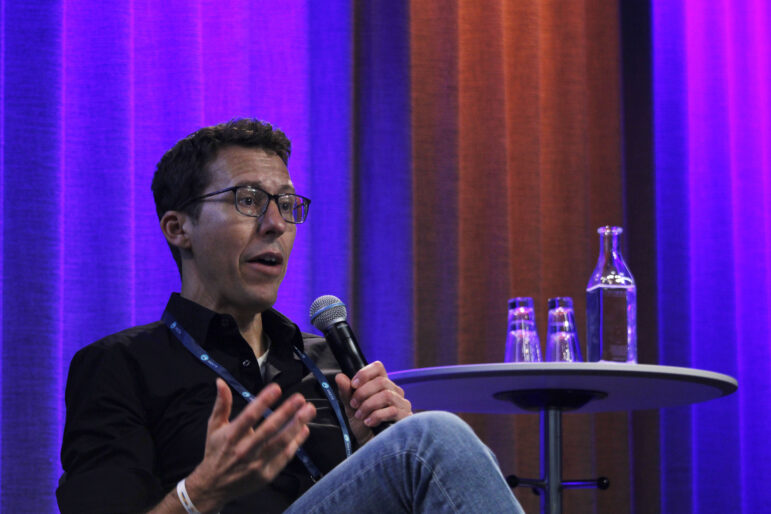
German investigative journalist Bastian Obermayer – who was leaked the Panama Papers documents – explains the art of finding, using, and safeguarding sources.
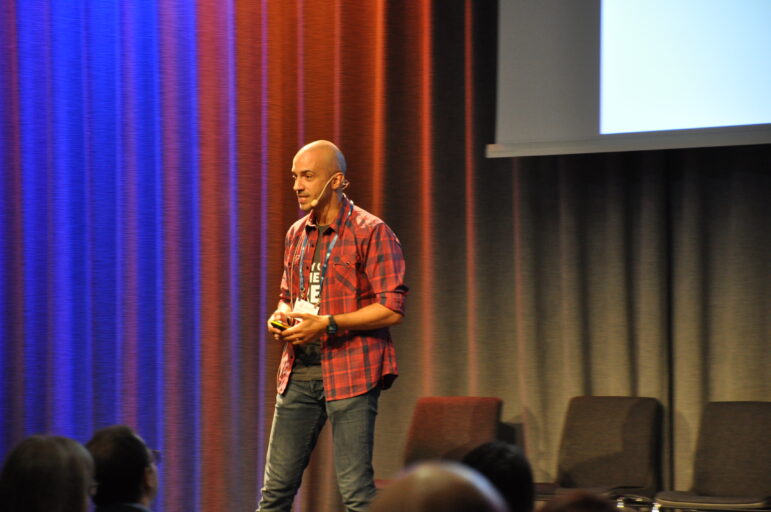
Criminal activity tends to thrive where state oversight is weakest. So it’s no wonder that cryptocurrencies are the financial tool of choice for criminals around the world, which makes insightful coverage of them increasingly important for investigative journalists.

Hands-on tips for scaling your sports investigations from three award-winning journalists who have covered doping, sexual abuse, sportswashing, and more.

In the fast-evolving landscape of investigative journalism, knowledge of the latest tools and cutting edge techniques can help newsrooms and reporters stay ahead of the curve and tell impactful stories.
In 2001 GIJN was born, as investigative journalists from around the globe met for the very first time to share ideas, tips, and best practices to strengthen their reporting in a world where journalism was increasingly under threat.
Today the threat has multiplied, and at GIJN we find ourselves under the same pressures as our member organizations. Most urgently: available funding for investigative journalism has been impacted as some longtime funders who supported journalism in the past are no longer doing so or have closed. Yet our work continues, more important than ever before.
GIJN serves as the global hub for the world’s investigative reporters. Our core mission is to support and strengthen investigative journalism—with special attention to those from repressive regimes and marginalized communities.
We are embarking on our first-ever campaign initiative to help us expand our revenue by the end of the year through individual donors. If you have ever joined one of our free webinars, used one of our free resources, learned a new skill thanks to a GIJN training, or simply believe that press freedom is essential to civil society, we ask you to show your support for GIJN’s work with a donation of your choosing. Called “Friends of GIJN,” this campaign includes a more personalized experience, starting in 2027, for individuals who answer the call to join with us during this unprecedented time.
Truth and democracy are under attack around the world. You can fight back by helping GIJN support investigative journalists with free access to the latest tools and techniques — so they can foster justice and hold accountable those who abuse the public trust.
With a staff based in 24 countries, GIJN works in a dozen languages each day, linking together the world’s most enterprising journalists, offering state-of-the-art training, webinars, tip sheets, and a Help Desk that responds to 2,000+ requests for assistance each year. More than 84% of GIJN’s operating budget goes directly to our program work.
Please make a gift today to support journalists on the front lines of the fight for accountability and human rights.