
Tech & AI
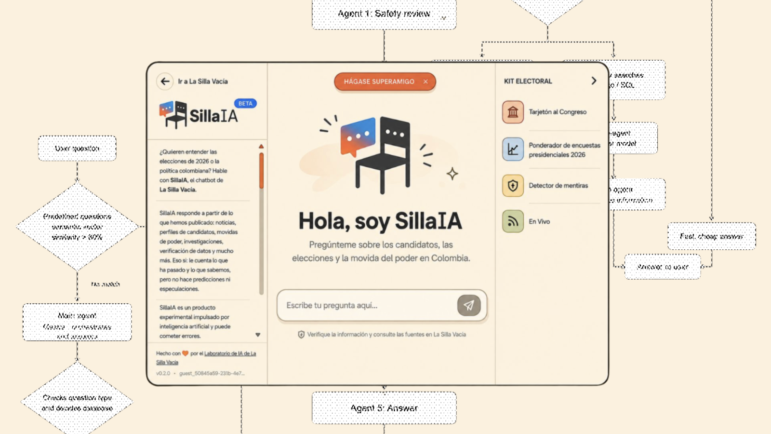
What We Learned Building a Chatbot for La Silla Vacía’s Newsroom Archive
We spent 12 months building an AI tool for our independent news site in Colombia. Here’s what it taught us about running a newsroom in the age of AI.
We spent 12 months building an AI tool for our independent news site in Colombia. Here’s what it taught us about running a newsroom in the age of AI.
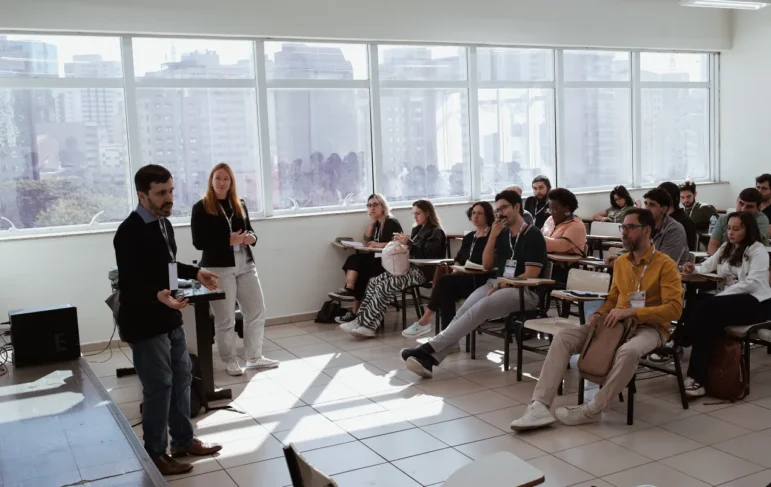
Journalist Léo Arcoverde started a blog in 2015 publishing one story a day based on information obtained through Brazil’s new access-to-information law. The initiative eventually became Fiquem Sabendo.
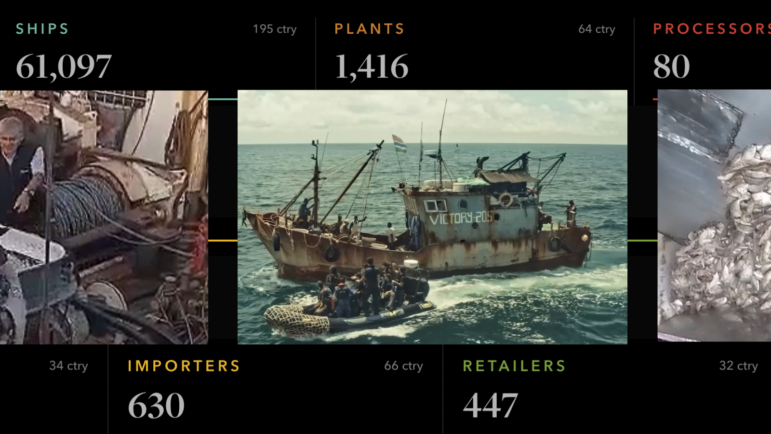
Over the past five years, an international team of journalists at The Outlaw Ocean Project has examined the largely overlooked $313-billion food-for-feed aquaculture industry.
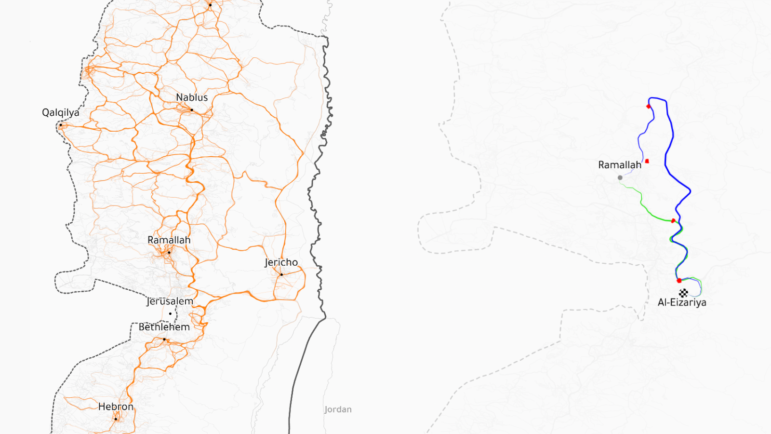
Also highlighting how pro-Russian channels fabricated a mass migration threat in Ukraine, charting South Africa’s micro schools, and how beliefs in an afterlife vary around the world.
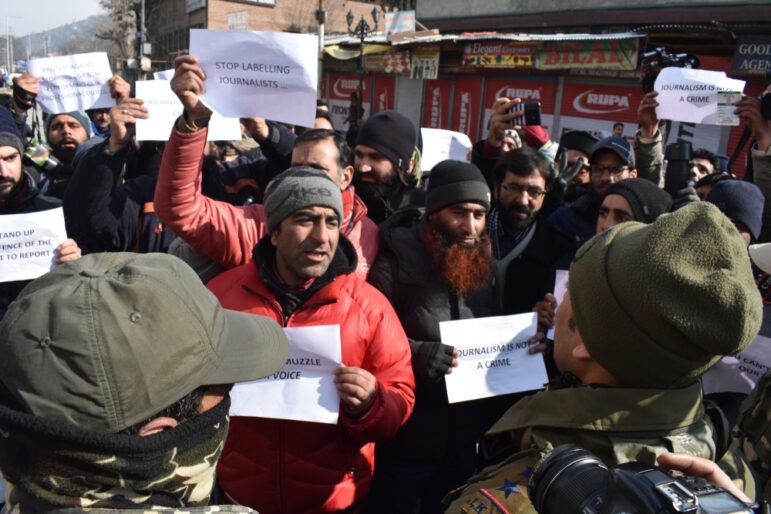
Operating a newsroom hundreds or thousands of miles away from a country presents a challenge: how do journalists deliver accurate, reliable news to audiences when reporters can’t safely be on the ground?
More than 100 journalists from across the Global South received financial aid to attend our last global conference, apply now for the opportunity to attend GIJC27 on a fellowship.
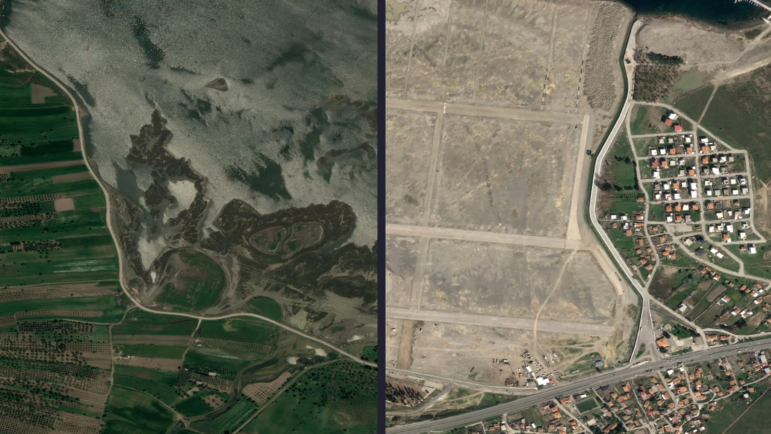
These exposés from Europe, South America, the Philippines, and the United States combined innovative data analysis with on-the-ground reporting to uncover critical environmental issues.

OCCRP’s research director offers up a series of tips and techniques to help reporters safely and effectively build a profile of whoever they are looking for.
To create the most inclusive and impactful global conference for investigative journalists, we are now soliciting great ideas for sessions for GIJC27. Send us your proposals!
Award-winning journalist Vladimir Thorik discusses reporting in an oft-overlooked part of Europe and how he approaches exposing the long reach of Russia on his native country and its neighbors.
In this World News Day op-ed, the Latin American journalist and editor discusses the challenges of holding an authoritarian government to account after being forced to leave the country.
Alia Ibrahim, the co-founder and CEO of Daraj, discusses the impact of her organization’s investigative journalism — and how expanding its audience is critical for the future of news.
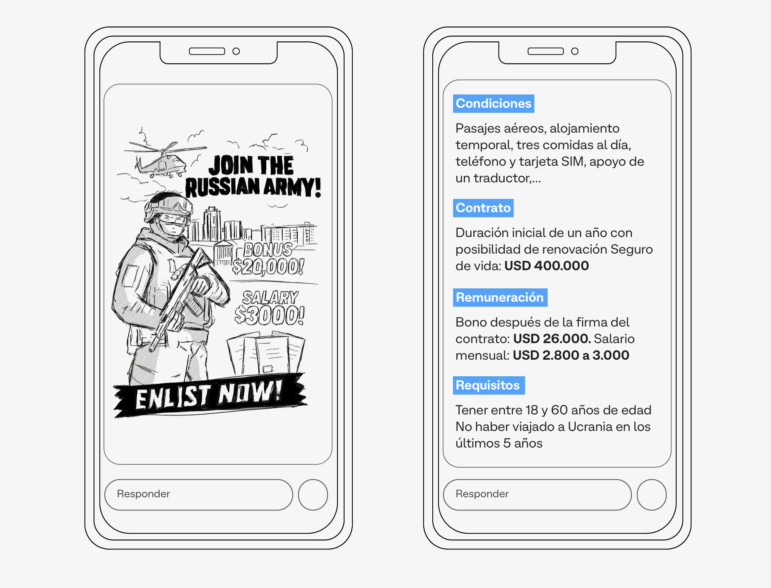
Also highlighting social media attacks against Brazil’s female political candidates and investigating Myanmar’s jade trade.

Despite sharing certain instincts, investigative journalists have different strengths, weaknesses and characteristics. Some prefer to be left alone, others do their most powerful work when part of a team.

The next Global Investigative Journalism Conference will be held in Rotterdam, and will feature the latest reporting tools and techniques, cutting-edge workshops, and extensive networking.

A new crop of AI-powered tools is trying to fill the void left by CrowdTangle, which let journalists tack how content spread across Facebook and Instagram. Arbiter is one of the projects leading the way.
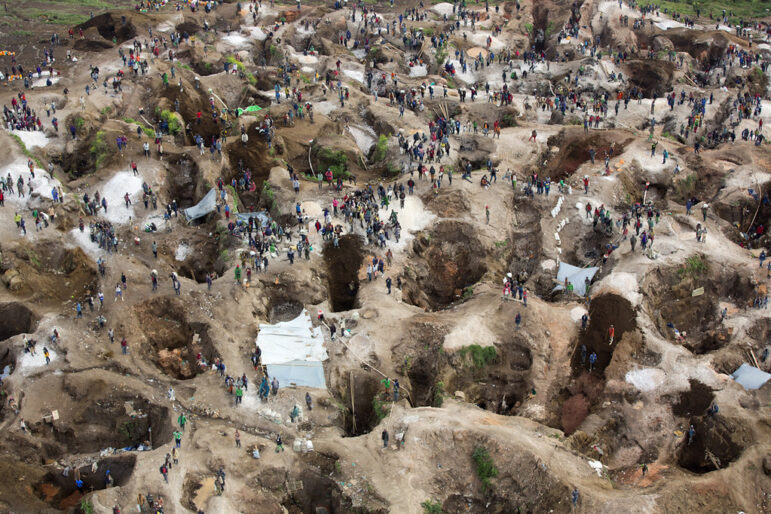
Two journalism and technology projects are sharing tools and methods across continents to map where mining is devastating the Amazon and Congo basins.

The screening of 25 new investigative films — chosen from 300 entries — will be evaluated by an international jury across five video categories for the annual DIG Awards.
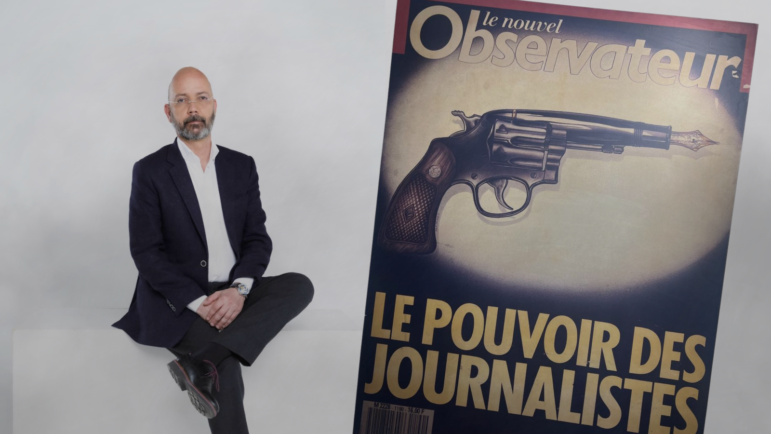
The reporter spent more than 20 years investigating armed conflict, corruption, and spy scandals in print, always trying to avoid the limelight. He had to forgo privacy to take on a new role on national television.
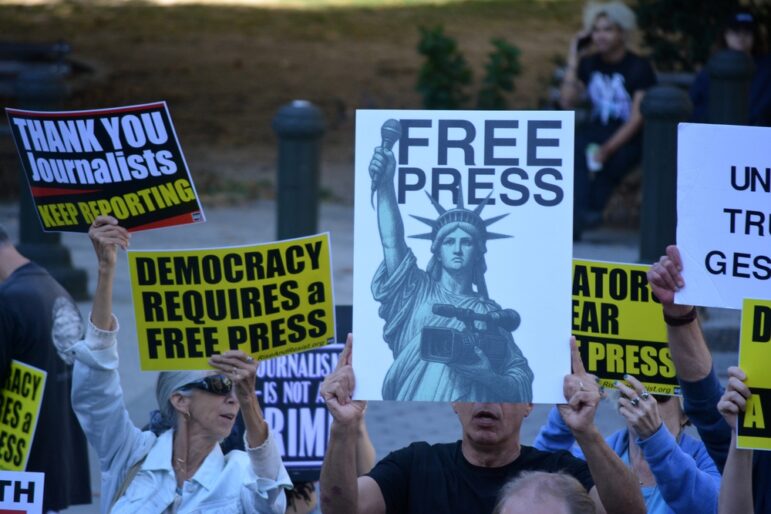
For International Day of Democracy, GIJN looks at several panels of its upcoming IJ WEEK online event that address how our community can address threats to democracy and the rise of authoritarianism.

Also highlighting coverage of Nvidia’s role in financing AI companies, how US adults engage with AI chatbots, and a story investigating children’s care homes in the UK.

Managing teams in journalism is not easy. You can master what you do, but guiding people is quite a different thing and it requires another set of skills.
Journalists, data gurus, and subject matter experts from 65 countries will take part in IJ WEEK, which will feature panels, workshops, and networking sessions across 13 thematic areas.
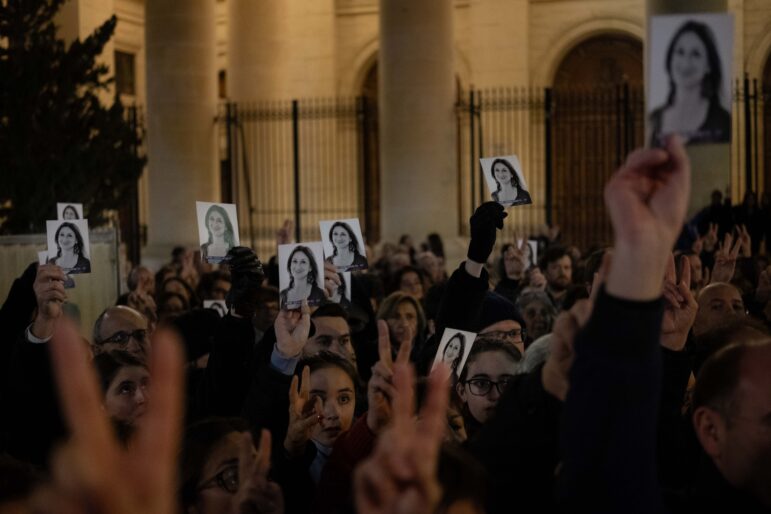
Nine years after her assassinaton, the businessman who was charged with conspiring in Daphne Caruana Galizia’s killing has been acquitted after a lengthy trial.
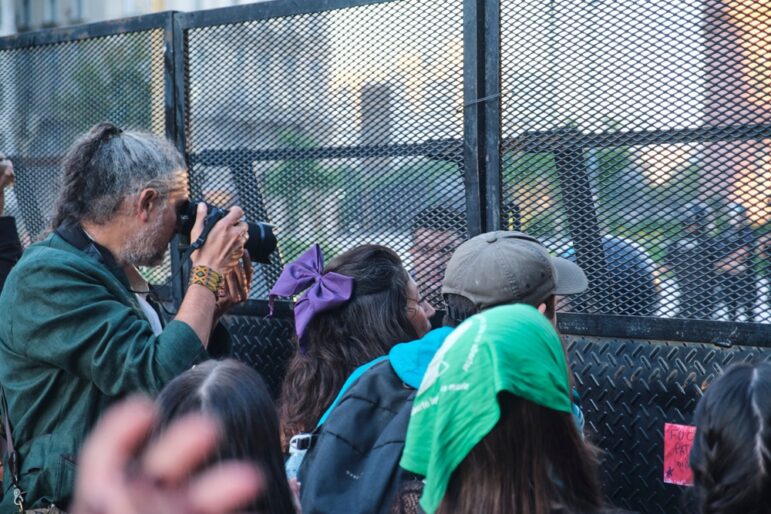
In Argentina, investigative reporters are grappling with personal attacks, deteriorating press freedom, and roadblocks when trying to access information, but they refuse to bend or stop their coverage.
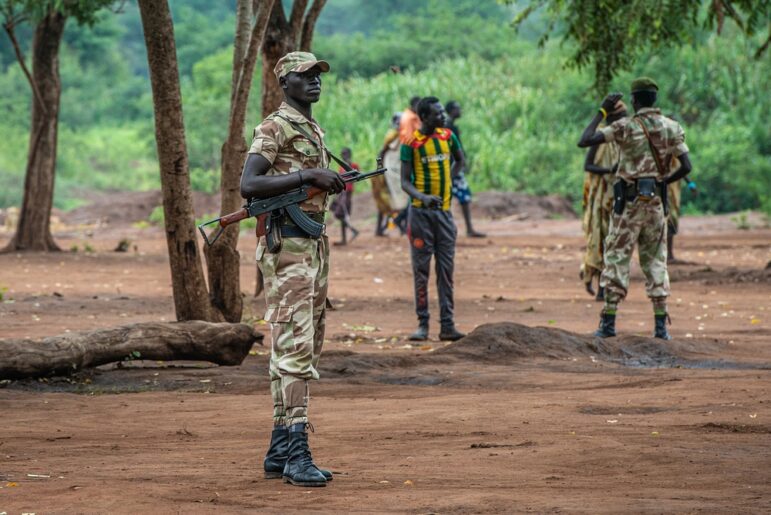
In this second installment of our series on reporting inside conflict zones, we look at how African reporters navigate security threats and build rapport with at-risk sources.
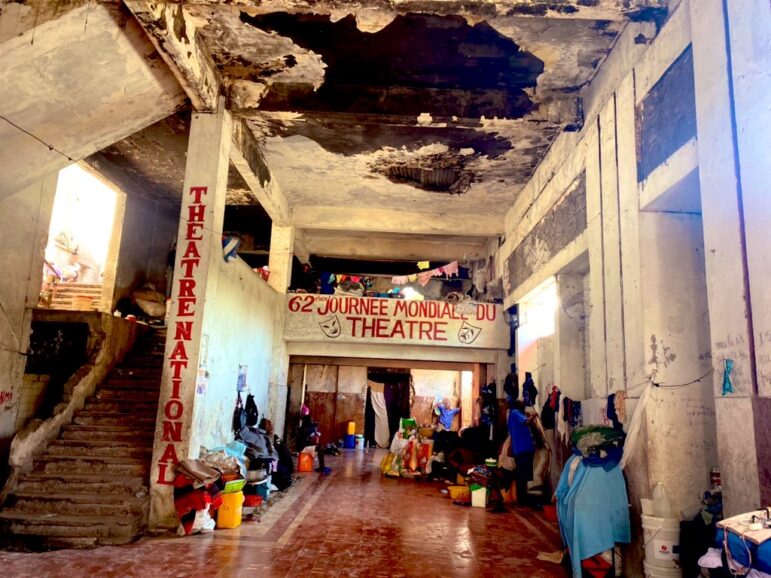
Juan José Martínez D’Aubuisson has reported on crime in different parts of the Americas. His most recent project took him to Haiti where local communities are struggling in the face of widespread gang violence.
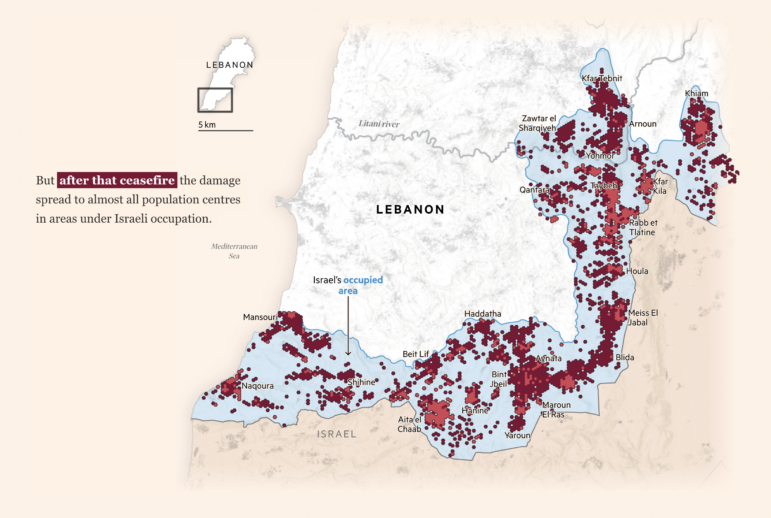
Also highlighting the education levels of Peru’s election candidates, tracking a Russian sanctioned vessel’s journey around west Africa, and why Premier League soccer clubs are releasing more jerseys.