
GIJC23
Reporting of the Last Resort: Tips for When — and How — to Conduct Undercover Investigations
Certain stories require access or information that interviews, open source documents, or data analysis can’t provide.
Certain stories require access or information that interviews, open source documents, or data analysis can’t provide.
As climate change impacts communities across the globe in the form of wildfires, record heat, deadly flooding, and devastating droughts, there is a growing urgency in investigating the causes and impacts.
As the world’s health risks continue to evolve, dedicated health journalists have never been more important.
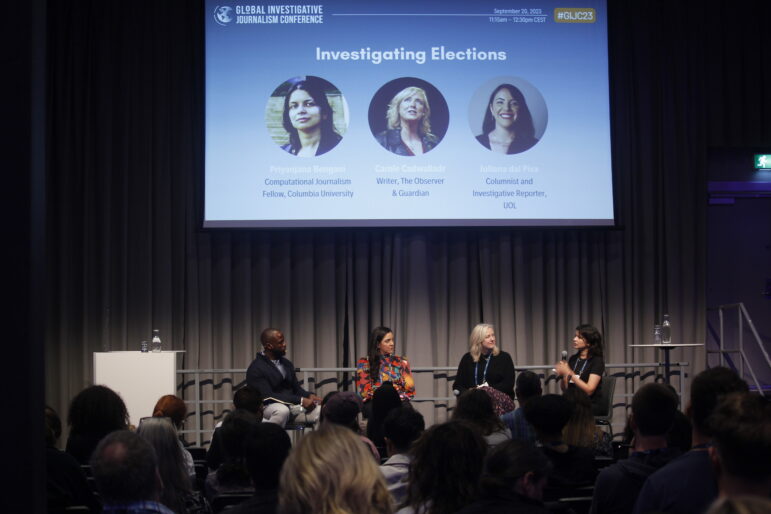
Three reporters from across the globe discussed the numerous looming threats to democracy — and shared tips for exposing the bad actors behind election disinformation and authoritarian attacks.
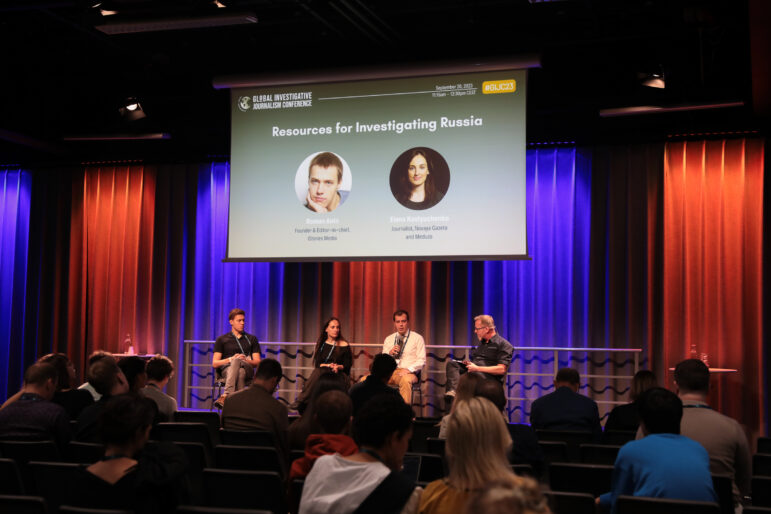
From cultivating sources to verifying information, the challenges of investigating Russia from outside the country are numerous.
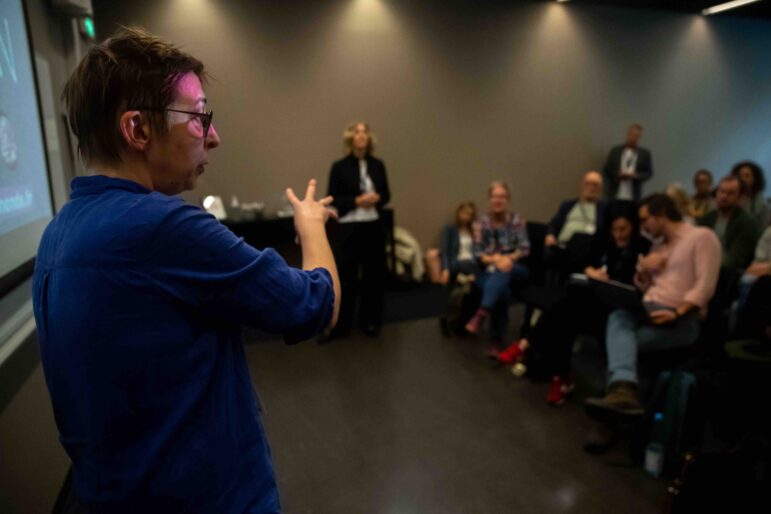
Collaboration between investigative journalists and scientists can bring great rewards, but for successful collaborations, journalists must also consider how they can help scientists.

Three veteran journalists shared tips on maximizing the potential and navigating the pitfalls of artificial intelligence and cross-border collaborations.
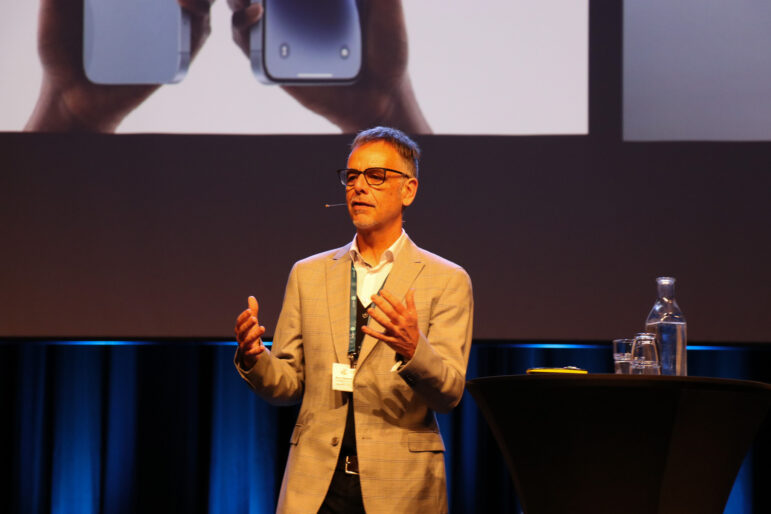
In a keynote speech at the GIJC in Sweden, Deibert laid out the new, fearsome digital threats facing the world’s watchdog journalists.
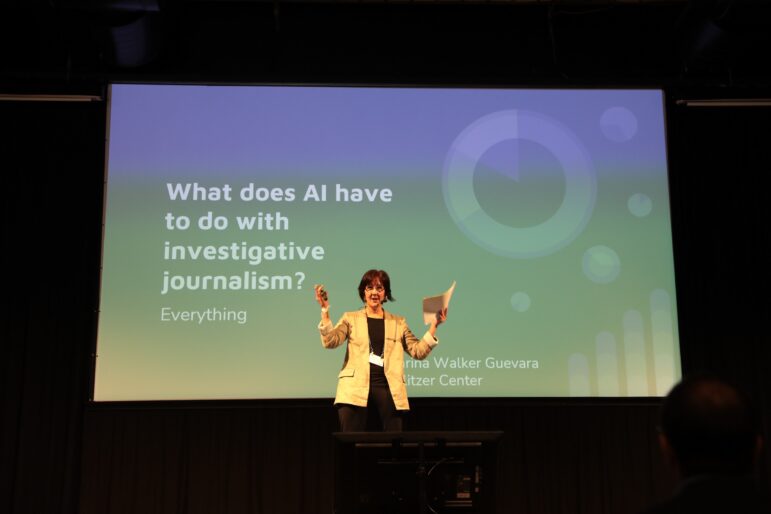
Exploring how the technology can help newsrooms, how investigations have revealed the impact of AI on communities, and how journalists can move beyond narratives of hype or despair.
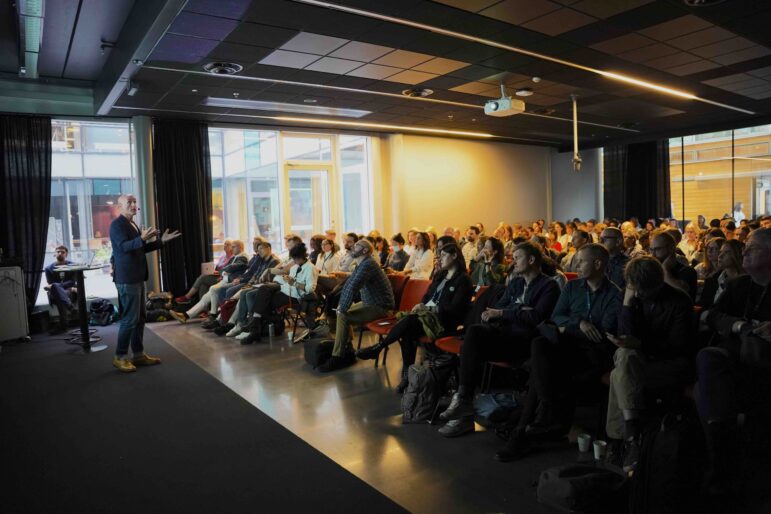
The team from Mission Investigate at Swedish Public Television (SVT) have used innovative and sometimes audacious tricks and techniques to boost their investigations.
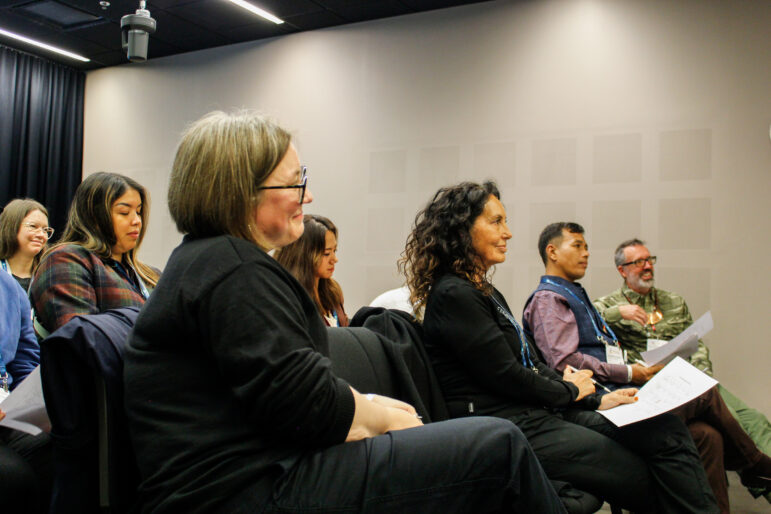
From the impact of green energy projects to the mis- and disinformation campaigns that target marginalized communities, there are a number of investigative topics that unite Indigenous reporters.

As we prepare to gather for this year’s Global Investigative Journalism Conference, it seems a good time to share where GIJN and its conferences come from.
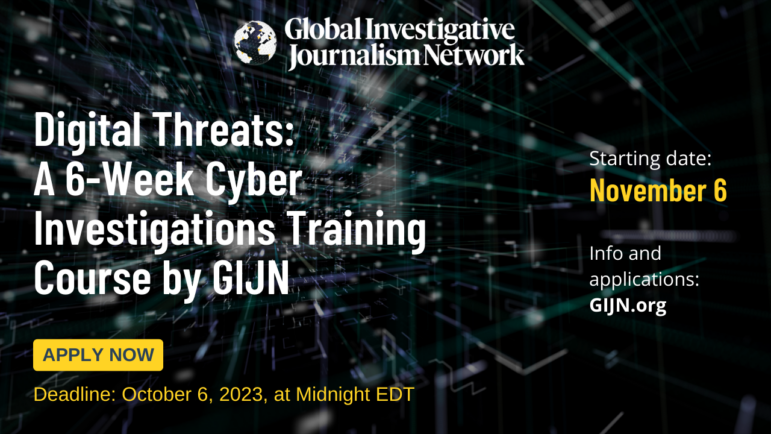
In this training course, reporters from around the world will learn how to investigate the digital environment in order to understand and expose attacks and manipulation.

GIJN’s board is now made up of Anton Harber (South Africa), Oleg Khomenok (Ukraine), Syed Nazakat (India), Bruce Shapiro (US), Khadija Sharife (South Africa), Margo Smit (Netherlands), and Nina Selbo Torset (Norway).

Valeriya Yegoshyna spent years investigating high-level corruption in Ukraine, but now focuses on investigating allegations of war crimes committed by Russian forces in Ukraine.
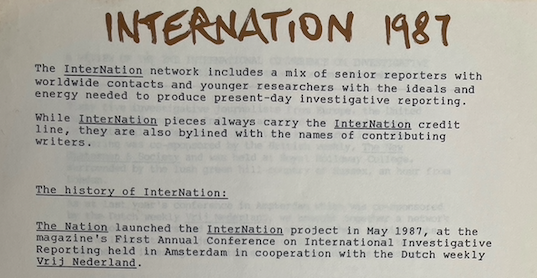
As corporate power and criminal gangs started moving ever more frequently across national frontiers, why not cooperate to track and expose them?
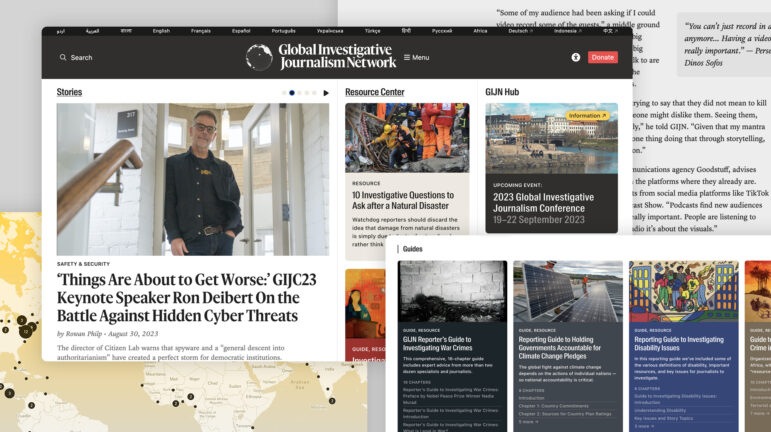
After 20 years of existence, it was time for GIJN to revamp both is website and visual identity. Welcome to our new website and new look.

Each year the jury for the DIG Festival scours hundreds of submissions to find the best investigative films and podcasts from around the world.
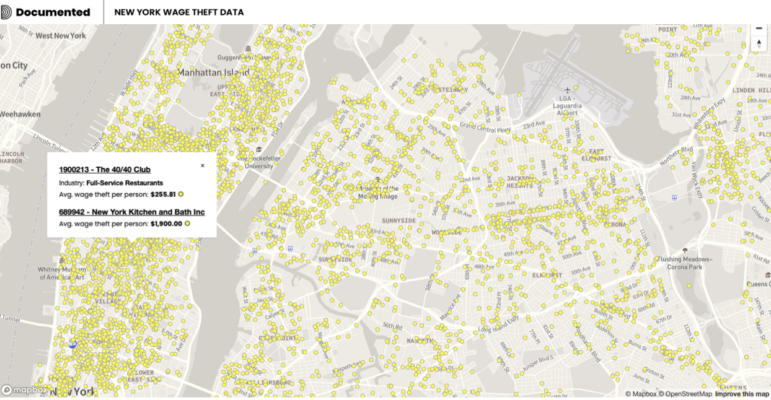
Featuring wage theft mapping in New York, the alarming rise in US airliner near misses, Russia’s brain drain, and a historical analysis of the Great Kantō earthquake in Japan 100 years ago.

The director of Citizen Lab warns that spyware and a “general descent into authoritarianism” have created a perfect storm for democratic institutions.

The little-known but powerful Investor-State Dispute Settlement (ISDS) system considers high stakes cases between companies and national governments, which often take years to resolve.

Podcasts are quintessentially an audio medium, but to reach newer and younger audiences, many shows are now beginning to add video elements to the traditional format.
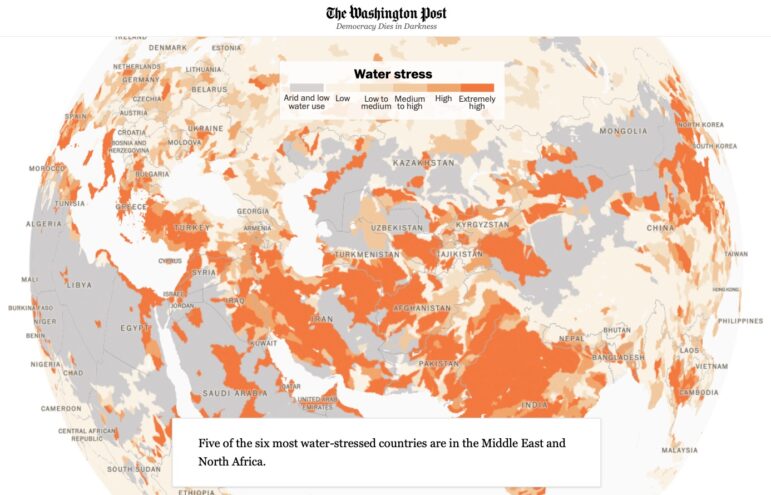
With stories about global water stress, the boom in fentanyl trafficking at the US-Mexico border, the devastating fires in Maui, and strategies for taking penalty kicks.

An investigative data journalist and a former tech lawyer teach you how to spot tricks and hidden disclosures within these interminable documents — and even how to claw back some privacy.

A reporting team provides the backstory of the Guardian’s years-long investigation into the world of online child sex trafficking.

Hoda Osman, executive editor at Arab Reporters for Investigative Journalism (ARIJ), discusses how she still covers the region while based in the US.

This latest installment of the GIJN Bookshelf offers a compilation of recommended investigative books from reporters across Latin America.
In 2001 GIJN was born, as investigative journalists from around the globe met for the very first time to share ideas, tips, and best practices to strengthen their reporting in a world where journalism was increasingly under threat.
Today the threat has multiplied, and at GIJN we find ourselves under the same pressures as our member organizations. Most urgently: available funding for investigative journalism has been impacted as some longtime funders who supported journalism in the past are no longer doing so or have closed. Yet our work continues, more important than ever before.
GIJN serves as the global hub for the world’s investigative reporters. Our core mission is to support and strengthen investigative journalism—with special attention to those from repressive regimes and marginalized communities.
We are embarking on our first-ever campaign initiative to help us expand our revenue by the end of the year through individual donors. If you have ever joined one of our free webinars, used one of our free resources, learned a new skill thanks to a GIJN training, or simply believe that press freedom is essential to civil society, we ask you to show your support for GIJN’s work with a donation of your choosing. Called “Friends of GIJN,” this campaign includes a more personalized experience, starting in 2027, for individuals who answer the call to join with us during this unprecedented time.
Truth and democracy are under attack around the world. You can fight back by helping GIJN support investigative journalists with free access to the latest tools and techniques — so they can foster justice and hold accountable those who abuse the public trust.
With a staff based in 24 countries, GIJN works in a dozen languages each day, linking together the world’s most enterprising journalists, offering state-of-the-art training, webinars, tip sheets, and a Help Desk that responds to 2,000+ requests for assistance each year. More than 84% of GIJN’s operating budget goes directly to our program work.
Please make a gift today to support journalists on the front lines of the fight for accountability and human rights.