
Case Studies
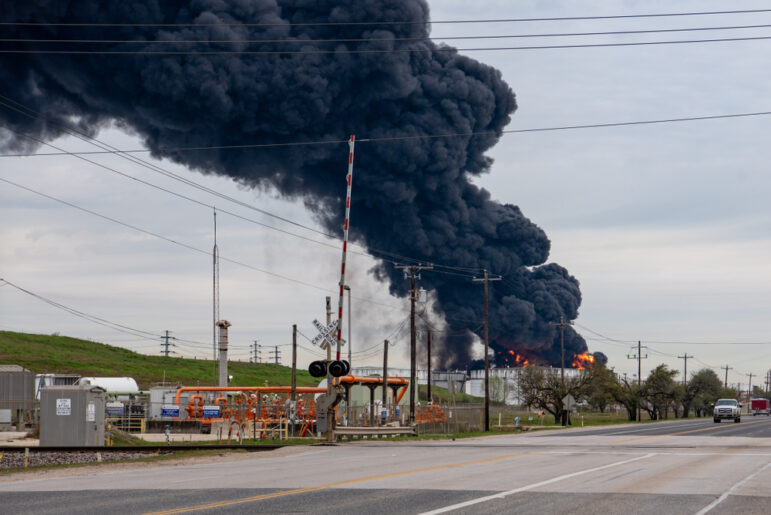
How Journalistic Teamwork Uncovered Years of Regulatory Failure in Texas
The authors give a behind-the-scenes look at their investigation into a massive chemical fire in Houston in March 2019.
The authors give a behind-the-scenes look at their investigation into a massive chemical fire in Houston in March 2019.
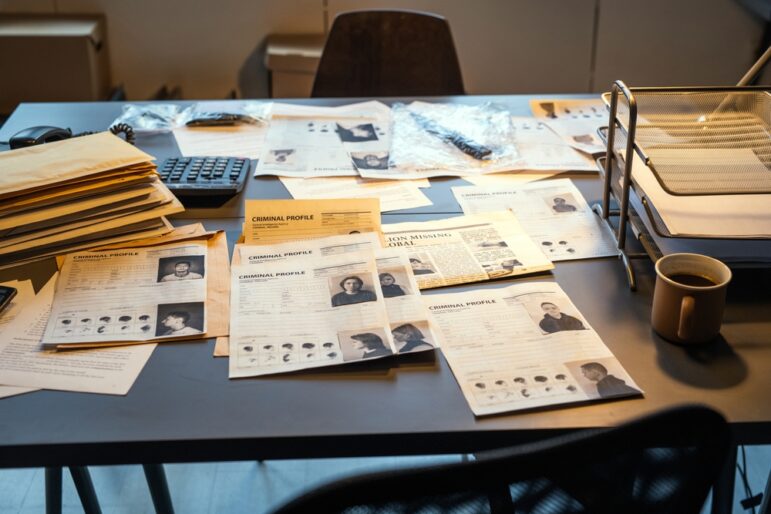
Investigative projects are often likened to marathons. But, every now and then, watchdog reporters need to sprint. In a recent IRE23 conference session, experts shared tips on how to unearth background facts about little-known people on short notice.
This August and September, member representatives of GIJN will vote to elect 7 members of its 15-member Board of Directors. Here is a list of candidates who have submitted their names for GIJN’s Board of Directors.
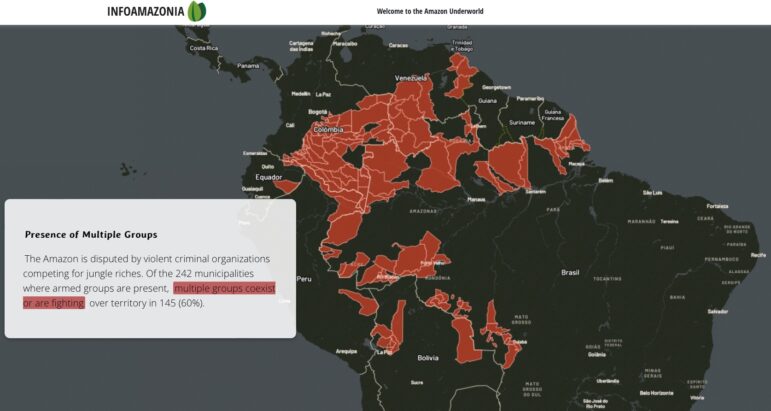
This edition highlights a cross-border exposé of the different underworld groups operating in the Amazon’s border areas, and a look at the global impact of violence from US gun exports.

A lot of academic research exists behind paywalls. The Journalist’s Resource outlines eight ways reporters can get free access to high-quality scholarship.

When a team at Armando.info set out to find individuals linked to the Venezuelan government who might have secret investments — and even residency permits — in the United States, they never imagined the scale of what they would find once they started following the money.
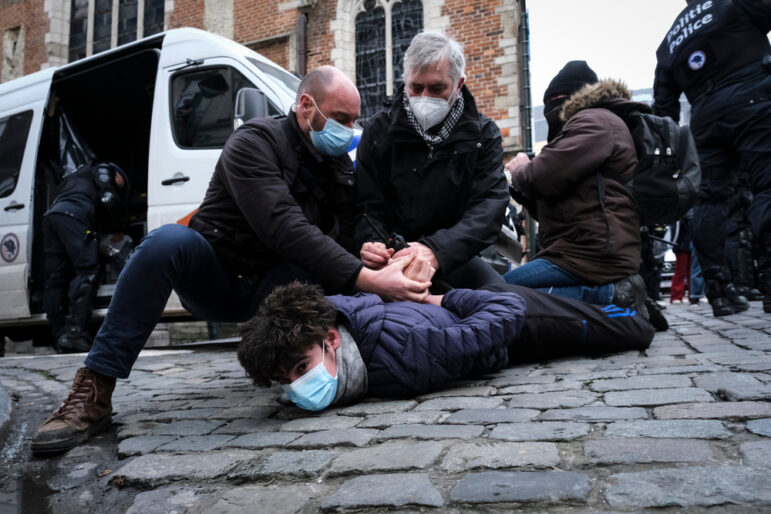
GIJN senior reporter Rowan Philip shares accumulated best practices from reporters around the world, on how to investigate culprits of war, human rights abuses, and other conflict.
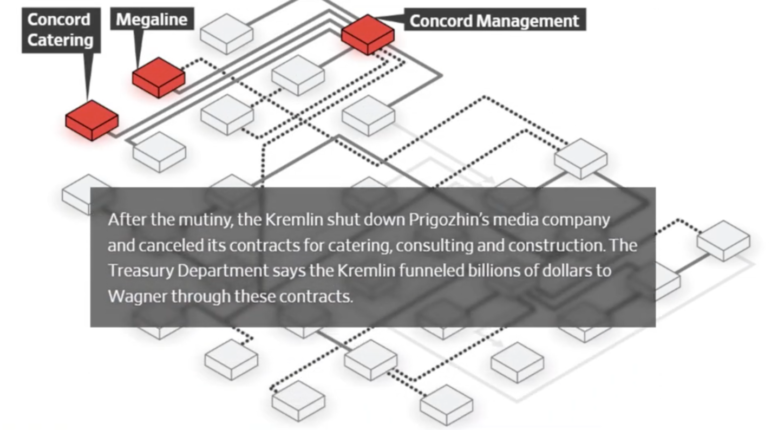
GIJN’s weekly round-up of the Top 10 in Data Journalism looks at the Wagner Group’s vast corporate network in Russia, the many careers of Barbie, and Spain’s surprising election results.

A study found many Google News Initiative projects in Middle East and Africa struggle to become more than makeshift versions of the original idea.
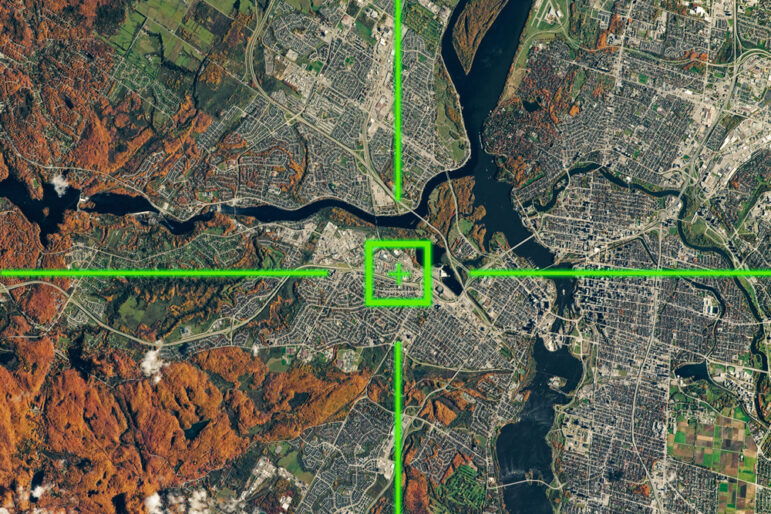
Bellingcat fellow Dennis Kovtun tests the online geolocation capabilities of two popular AI chatbots — Microsoft’s Bing AI and Google’s Bard — and finds both have some serious drawbacks.

In a panel discussion at the IRE23 Conference, experts shared tips on how reporters can identify and investigate algorithmic harm and AI bias, and hold the human masters of these systems accountable.
GIJN associate editor Laura Dixon and GIJN Francophone Africa editor Maxime Domegni round up seven key takeaways from the 2023 Centre for Investigative Journalism’s 2023 summer conference in London.
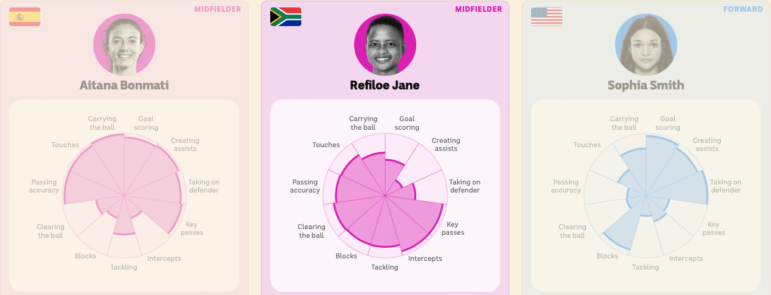
This week’s column features stories on the record-breaking global heat, popular French baby names, Russia’s war dead, and the likely breakout stars of the 2023 FIFA Women’s World Cup.
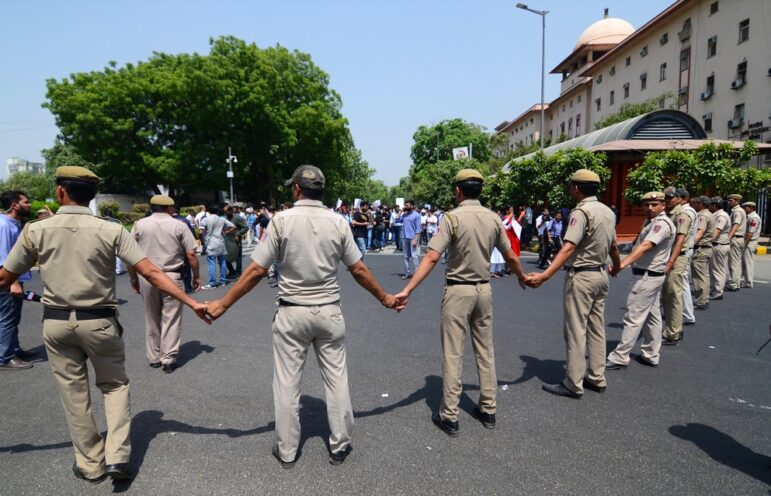
Two editors from India and Hungary, respectively, Ritu Kapur and Peter Erdelyi, offer survival tips based on how their outlets have managed to stay afloat in the face of press freedom challenges in backsliding democracies.
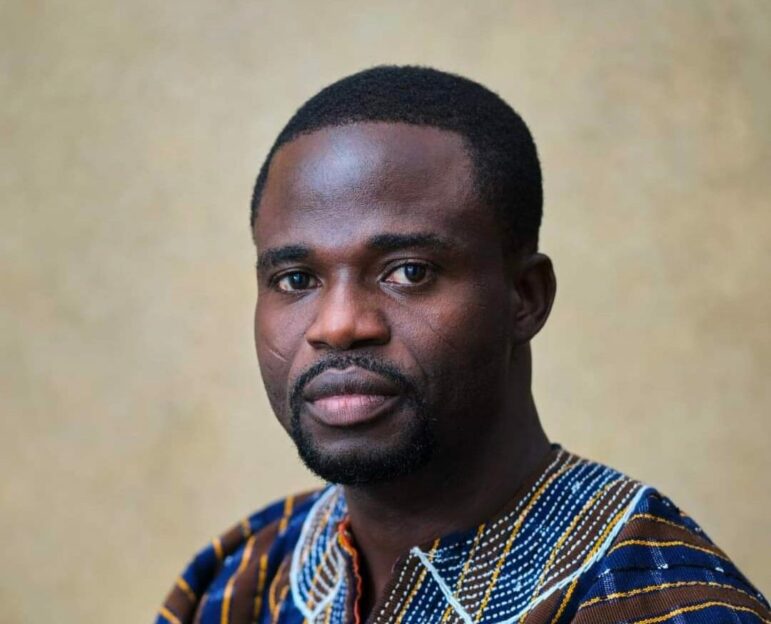
The award-winning Ghanaian journalist Manasseh Azure Awuni says there are a series of challenges that investigative reporters in Africa must confront during the course of their work. Read about the difficulty of getting accurate data, the challenges of impunity, funding issues, and press freedom challenges in this excerpt from his new book.
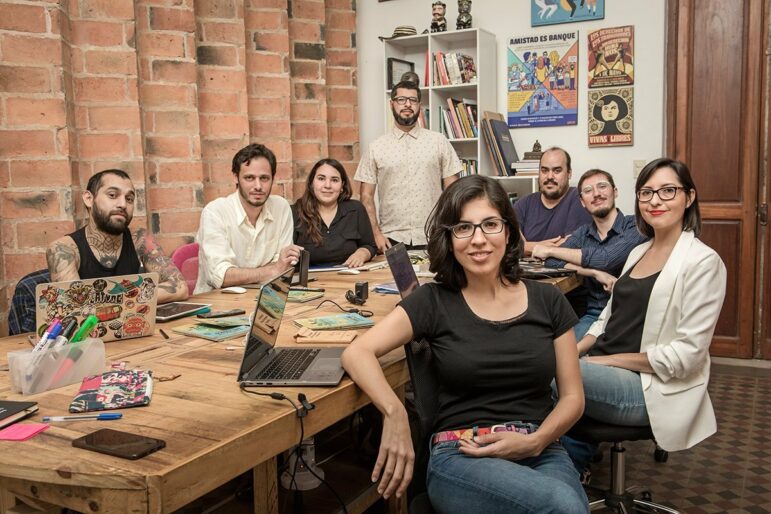
GIJN member El Surtidor is a Paraguayan news organization created in 2015 that prioritizes innovation and multi-platform, visual journalism.

BuzzFeed News investigative correspondent Tom Warren reflects on the rise and fall of their award-winning investigations team.
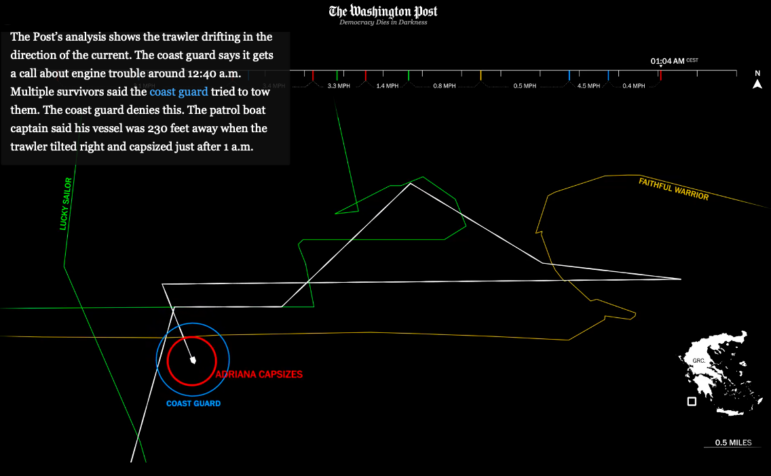
This week’s Top 10 in Data Journalism looks into a deadly migrant tragedy in the Mediterranean, nepotism in US politics, French police brutality, and record-breaking global warming.

At the Online Journalism Blog, data journalism expert Paul Bradshaw analyzed 100 pieces of data that journalists use and found that there are several common story angles.
GIJN is scheduling new elections for its board of directors. There are openings for seven seats on the 15-member board. Each of GIJN’s 244 member organizations is entitled to one vote, which is cast by its designated representative. Those interested in running for the board have until August 7 to apply to be candidates.
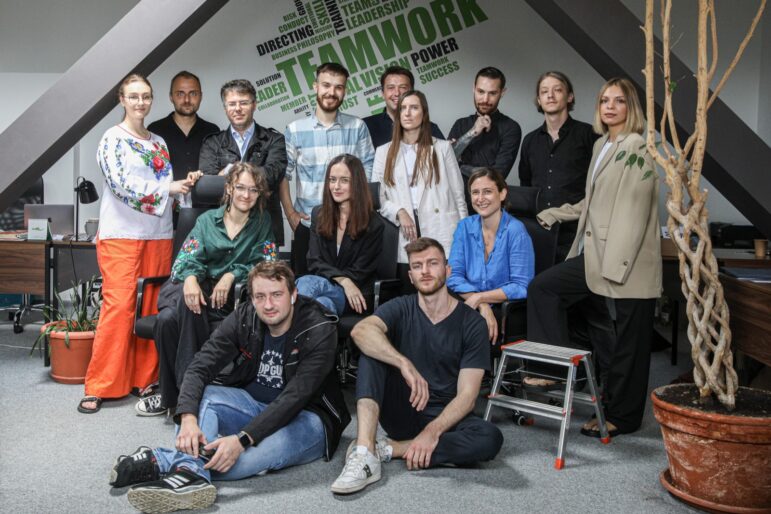
The Kyiv Independent was launched just months before the start of the war in Ukraine. In her keynote address at the CIJ summer conference, the outlet’s editor-in-chief spoke about the challenges of running an investigative project in the midst of conflict, and how the team have battled to make the organization sustainable.
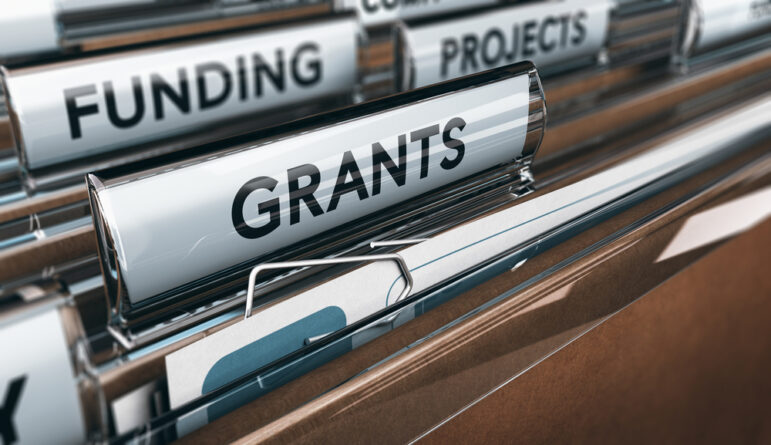
GIJN’s French editor Alcyone Wemaëre spoke with Timothy Large from IPI’s IJ4EU cross-border investigation project to learn an insider’s tips for writing a successful investigative journalism grant proposal.
Committing to a long-term investigation — also known as “greenlighting” — does not always involve a specific moment of decision. At IRE23, GIJN spoke with five veteran investigative editors to ask them what information they need before giving a project the the go-ahead.
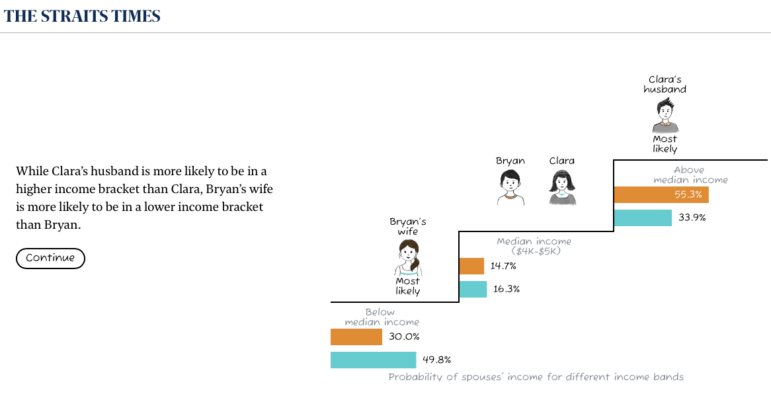
This week in GIJN’s Top 10 in Data Journalism, we highlight stories on marital status across Spain, tropical deforestation around the world and, especially, the Amazon, and gender income disparities in Singapore.
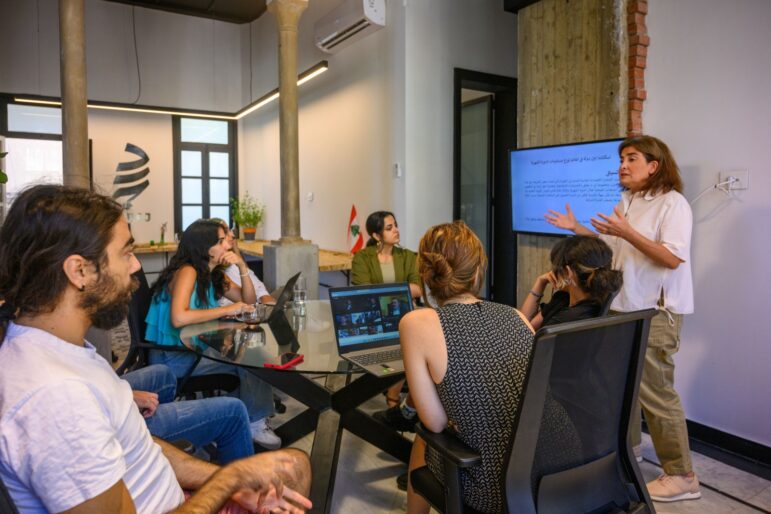
Daraj co-founder Diana Moukalled discusses the outlet’s origins in Lebanon, its impact, its funding, and reporting on women’s rights and corruption across the Middle East.
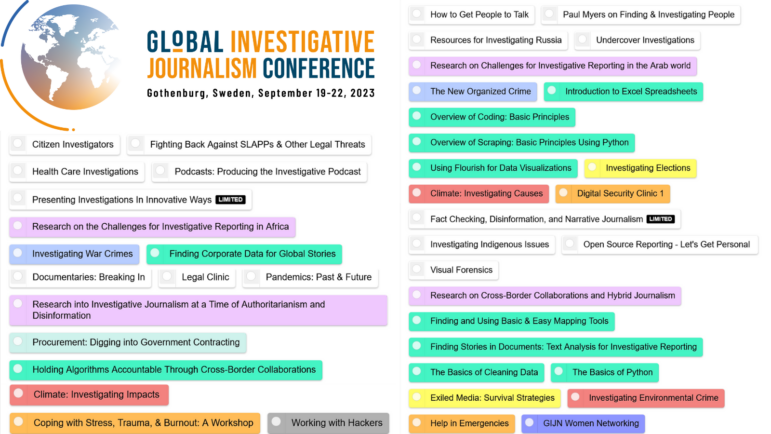
Here’s an early look at the schedule for the 2023 Global Investigative Journalism Conference, where we expect a record 2,000 journalists from more than 110 countries to join us in Gothenburg, Sweden. The conference takes place Sept. 19-22.

For every human source who assists investigative journalists, there are dozens of officials, victims, and potential whistleblowers with vital information whom reporters never engage.
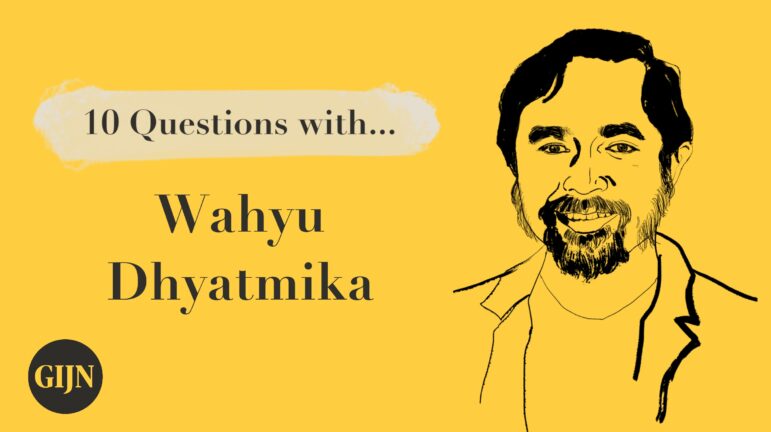
It’s impossible to discuss collaboration in journalism in Indonesia without mentioning Wahyu Dhyatmika who has played an instrumental role in many of the biggest investigations in recent years.
In 2001 GIJN was born, as investigative journalists from around the globe met for the very first time to share ideas, tips, and best practices to strengthen their reporting in a world where journalism was increasingly under threat.
Today the threat has multiplied, and at GIJN we find ourselves under the same pressures as our member organizations. Most urgently: available funding for investigative journalism has been impacted as some longtime funders who supported journalism in the past are no longer doing so or have closed. Yet our work continues, more important than ever before.
GIJN serves as the global hub for the world’s investigative reporters. Our core mission is to support and strengthen investigative journalism—with special attention to those from repressive regimes and marginalized communities.
We are embarking on our first-ever campaign initiative to help us expand our revenue by the end of the year through individual donors. If you have ever joined one of our free webinars, used one of our free resources, learned a new skill thanks to a GIJN training, or simply believe that press freedom is essential to civil society, we ask you to show your support for GIJN’s work with a donation of your choosing. Called “Friends of GIJN,” this campaign includes a more personalized experience, starting in 2027, for individuals who answer the call to join with us during this unprecedented time.
Truth and democracy are under attack around the world. You can fight back by helping GIJN support investigative journalists with free access to the latest tools and techniques — so they can foster justice and hold accountable those who abuse the public trust.
With a staff based in 24 countries, GIJN works in a dozen languages each day, linking together the world’s most enterprising journalists, offering state-of-the-art training, webinars, tip sheets, and a Help Desk that responds to 2,000+ requests for assistance each year. More than 84% of GIJN’s operating budget goes directly to our program work.
Please make a gift today to support journalists on the front lines of the fight for accountability and human rights.