

GIJC23 Reporting Tools & Tips
Humanizing without Sensationalizing: Investigating Femicide
How can journalists use data without reducing the murder of women to crime statistics, and produce a narrative that humanizes without sensationalizing?
How can journalists use data without reducing the murder of women to crime statistics, and produce a narrative that humanizes without sensationalizing?
Investigative journalists often face the challenge of reviewing and combining large documents or data in text forms. This can be very exhausting and labor intensive.
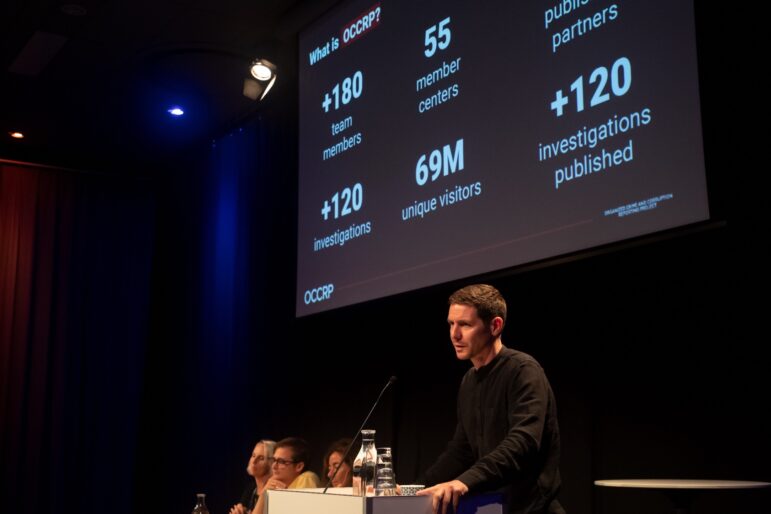
The use of hacked data is an ethical challenge for investigative journalists. But responsible use of this information can lead to public interest revelations that would otherwise stay hidden.
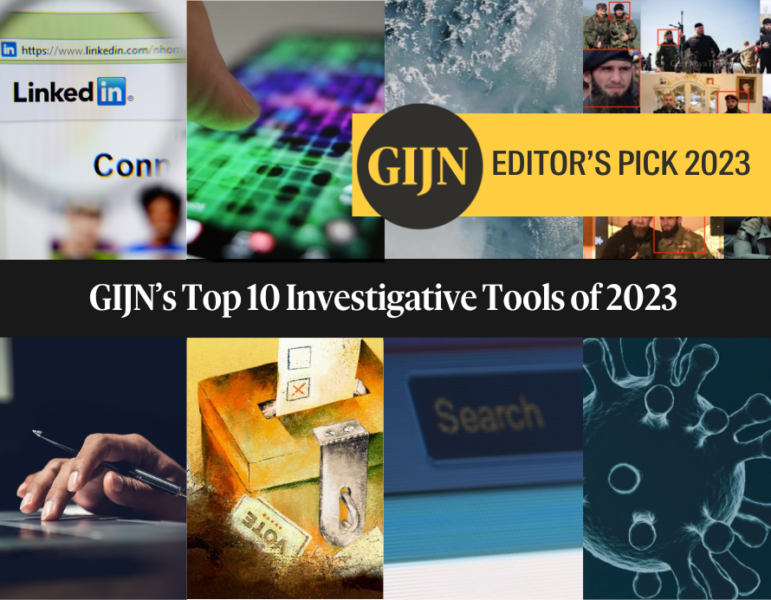
Having flagged the top tips at NICAR23, IRE23, and GIJC23 in Sweden, GIJN offers the following 10 user-friendly tools that you might consider in your next investigations.

Many reporters rely on FOIA requests and RTI legislation for their investigations. But how do you take these requests to the next level?
Social Network Analysis (SNA) enables investigative journalists to connect the dots that can lead to groundbreaking revelations and expose deep-seated wrongdoing.

Global internet advertising revenue is forecast to reach $723.6 billion in 2026. Who makes this money and how they go about it is fertile ground for investigative journalists.

Journalists share stories and tips from their investigations into environmental crimes, from deforestation in the Congo to the Beirut port blast.

Jeff Leen, the head of investigations at the Post for the past 20 years, speaks about their latest podcast and how the outlet tackles in-depth stories.

When reporters know how to follow the money, hidden wealth can often be uncovered in real estate, planes, yachts, artwork, and even racehorses.

A unique collaboration between four Nordic public broadcasters sought to uncover the scale of Russian covert spying operations in the region.
Two reporters whose investigative work has exposed systemic land grabbing and illegal mining in the Amazon share their tips.
Historians have always used archival documents to study what happened years, decades, or even centuries ago. But sometimes journalists are the ones digging into the past and uncovering truths that are big enough to “rewrite history.”
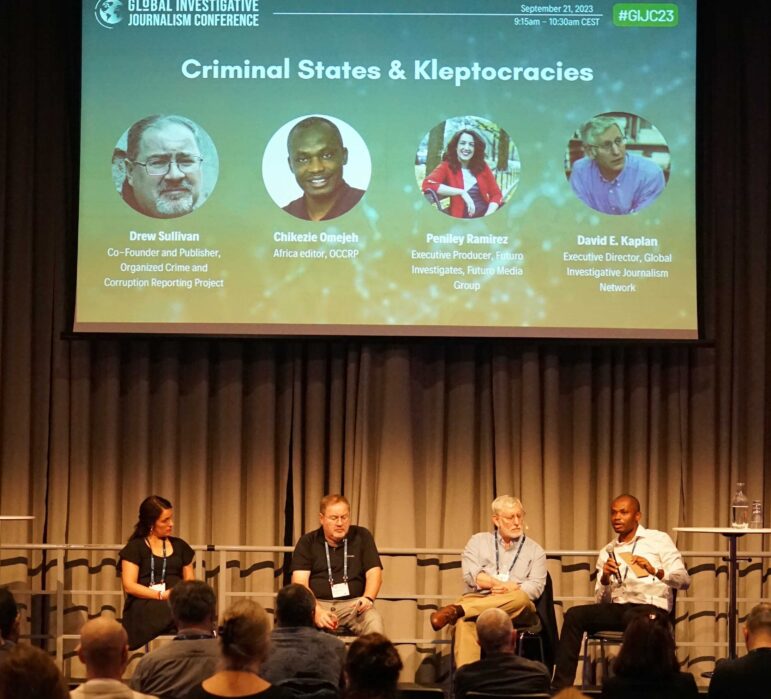
Veteran journalists explained how an industry of enablers is supporting a growing group of kleptocracies and mafia states around the world, and that following the money is a great way to track them.
The new, searchable database FBarchive is designed to help researchers, journalists, and policymakers better understand and investigate decisions made at Meta about some of the most influential social media platforms across the globe.
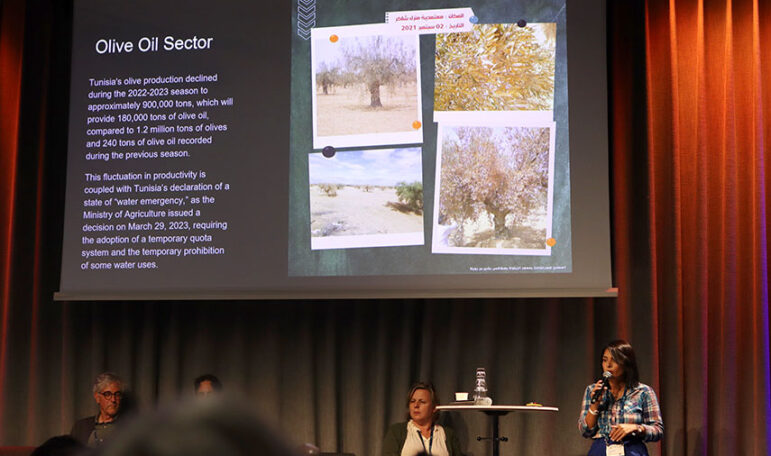
Water depletion in Tunisia, illegal shark fishing in Asia, global seed monopolies: three environmental journalists shared lessons at GIJC23 from their investigations into food production and supply chains.
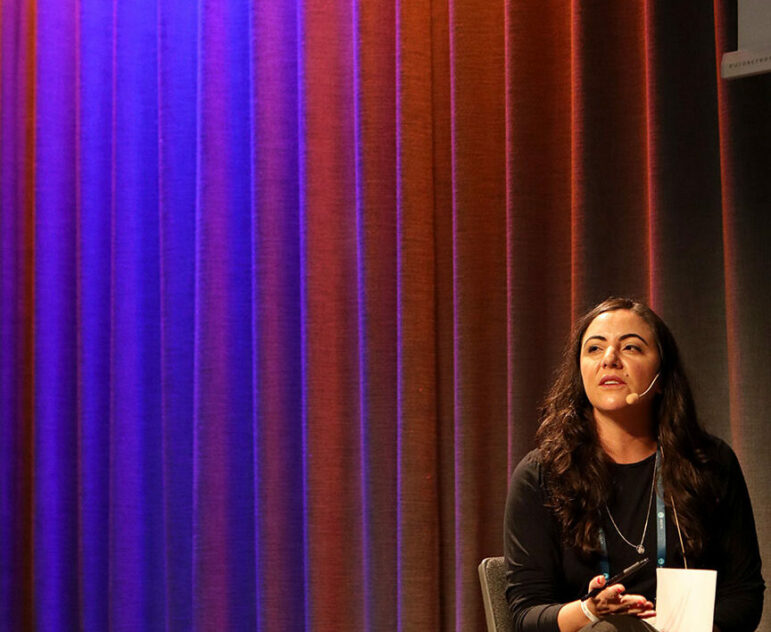
The influence of extremist groups on mainstream politics is on the rise, and journalists need tools to face this threat to healthy democracies.

German investigative journalist Bastian Obermayer – who was leaked the Panama Papers documents – explains the art of finding, using, and safeguarding sources.

Criminal activity tends to thrive where state oversight is weakest. So it’s no wonder that cryptocurrencies are the financial tool of choice for criminals around the world, which makes insightful coverage of them increasingly important for investigative journalists.

Hands-on tips for scaling your sports investigations from three award-winning journalists who have covered doping, sexual abuse, sportswashing, and more.

Finding victim-survivors to talk about human trafficking is difficult. Three journalists at GIJC23, who cover human trafficking and irregular migration, shared tips on how to find and protect sources.

Tracking ships and planes is essential for investigative journalists covering a wide range of stories around the world, from smuggling to sanctions evasion to environmental crimes.
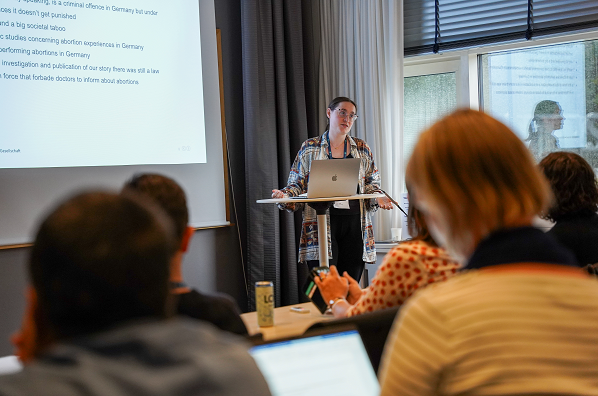
A well-designed, properly distributed survey can build a powerful dataset for an investigation. Here are top tips on planning, designing, and executing them from the team at CORRECTIV.

Forensic visual investigation has rapidly become a critical method of journalistic inquiry, thanks to new technologies, innovative skills, and the global ubiquity of social media imagery.

From investigating prisons to stolen sand and child brides, three award-winning journalists share their experiences reporting from a region experiencing a press freedom “crisis.”
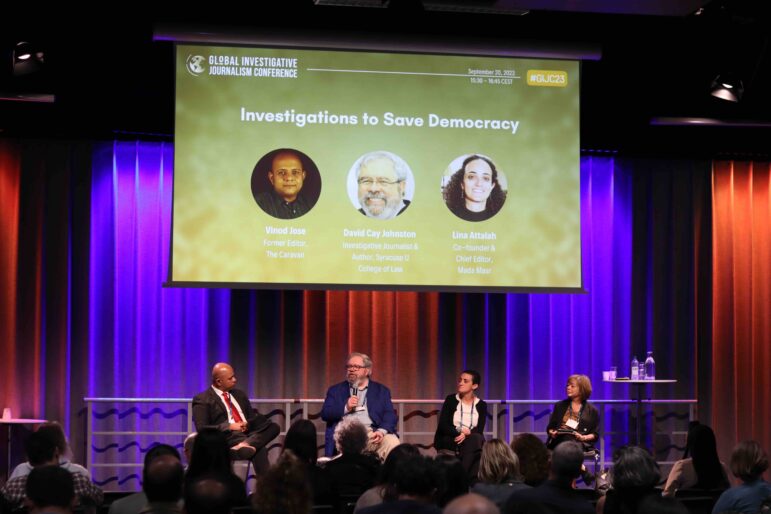
Four editors — and veterans of the global push-back against autocracy — discussed effective methods for holding the enemies of democracy accountable.
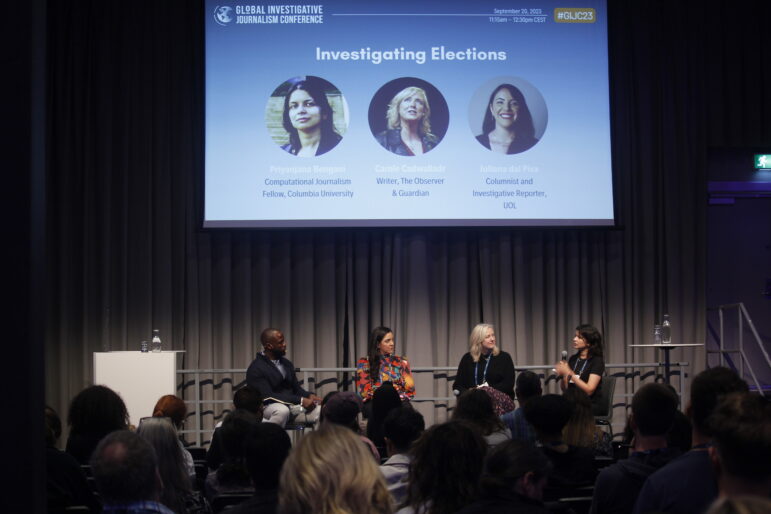
Three reporters from across the globe discussed the numerous looming threats to democracy — and shared tips for exposing the bad actors behind election disinformation and authoritarian attacks.

Three veteran journalists shared tips on maximizing the potential and navigating the pitfalls of artificial intelligence and cross-border collaborations.