
Investigative Techniques Reporting Tools & Tips
How to Verify Bystander Video
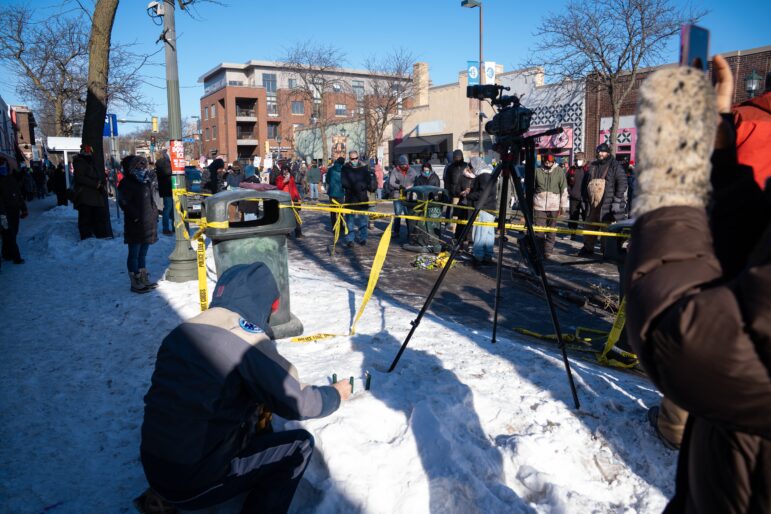
From the Minneapolis shootings to the Guthrie kidnapping, visual investigation skills are now mandatory. Here’s how to do it.
From the Minneapolis shootings to the Guthrie kidnapping, visual investigation skills are now mandatory. Here’s how to do it.

Journalists have found popular right-wing podcasters hard to cover, but expert journalists at the 2026 NICAR conference shared techniques for digging into this cohort’s global influence.
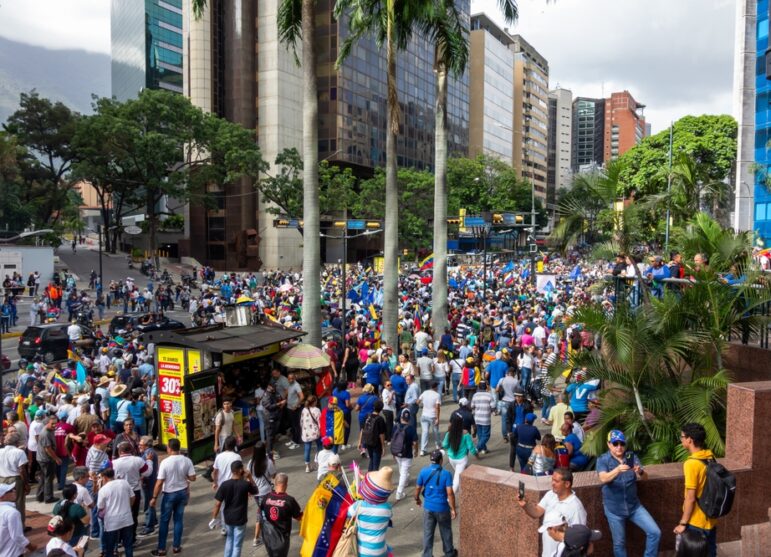
GIJN spoke with three leading, award-winning investigative journalists from Venezuela about practical tips for keeping sources secure while reporting from inside and outside the country.

Given widespread misinformation and climate skepticism, veteran environmental reporters offer case studies and best practices for pursuing impactful topics of climate investigations.
In a year that kleptocracy and attacks on independent media spiked, investigative reporters harnessed a mix of new databases and innovative tools to hold bad actors accountable.

Watchdog reporters at AIJC offered tips for navigating the professional, emotional, and ethical complications of reporting stories that intersect with your personal life.

At GIJC25, Peruvian investigative journalist Fabiola Torres showed reporters how to uncover the systems behind pharma monopolies, and how to connect market structures to human impact.

Journalists detailed how they build dossiers on oligarchs, mine corporate and sanctions databases, and use leaks – all while managing legal and security risks.
Two new digital platforms seek to solve many of the problems and vulnerabilities that prevent whistleblowers from coming forward.

Reporters, editors, and experts who cover regions with longstanding tensions or conflict between communities share tips and best practices for reporting responsibly — and safely.
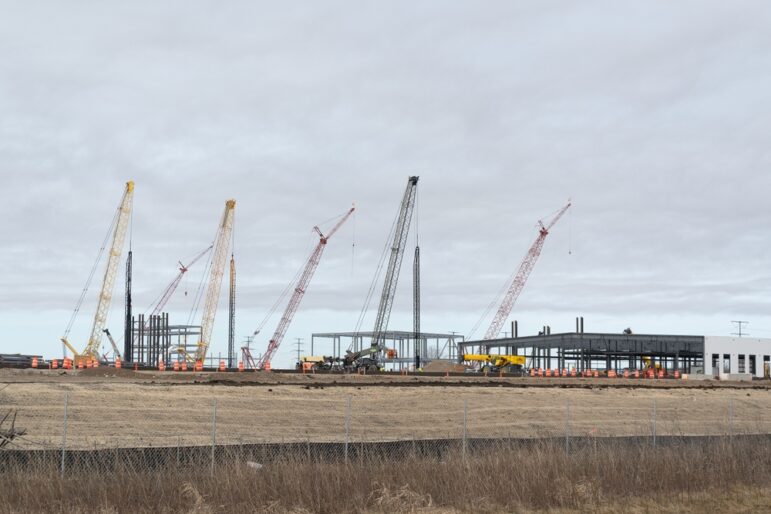
Researchers at the University of Wisconsin-Milwaukee offer insights into sources and techniques for investigating water usage by major tech companies’ data centers.
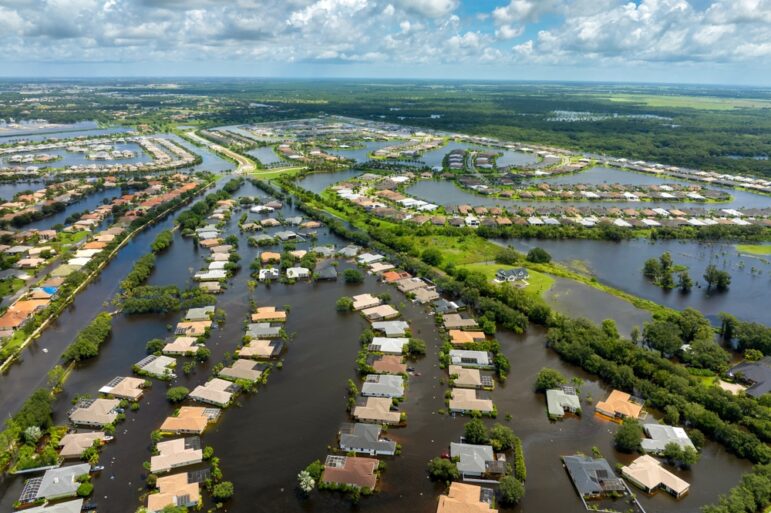
As oligarchs and populist governments ratchet back the gathering and dissemination of climate-related information, journalists can use these techniques to find relevant sources and track impact.

From the Philippines to the UK, a number of major newsrooms have created their own AI chatbots designed to respond using only that site’s trusted reporting archive and vetted databases as source material.
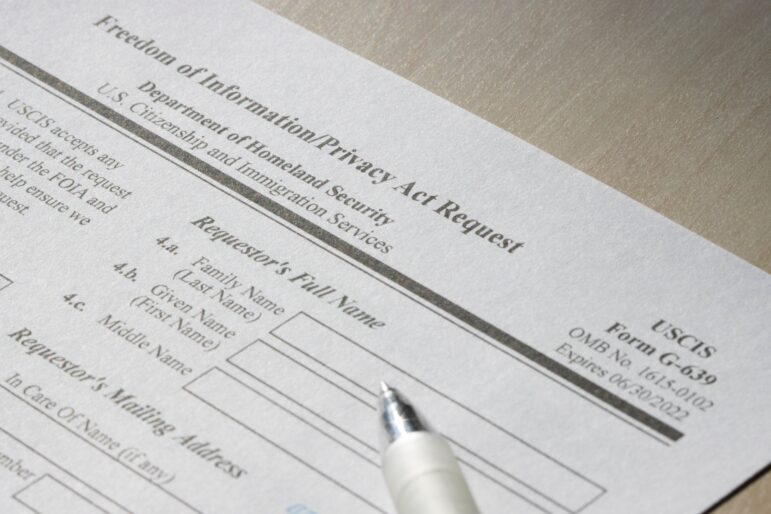
With a little research and negotiation, reporters can slash the cost of obtaining records bundles and speed up the government’s response in the process.
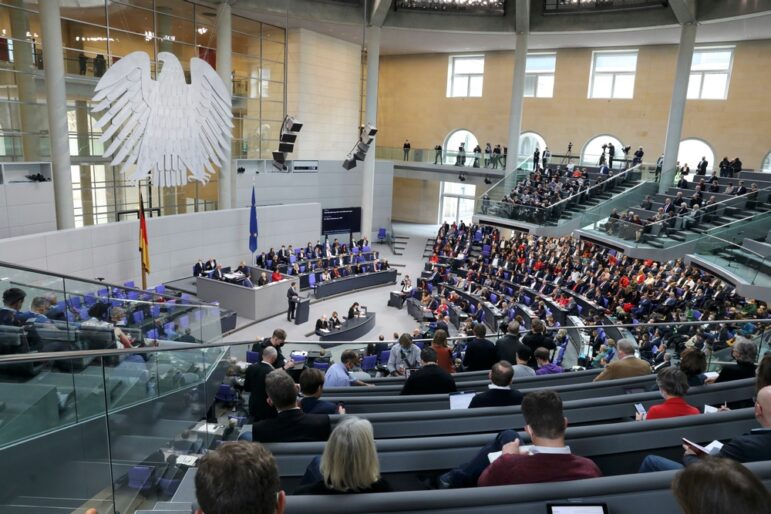
The German Bundestag’s new lobby register is a trove of data for investigative journalists reporting on influence and money in federal politics.

The oligarchs of the world have a surprising amount in common. Here are tips and resources for investigating their hidden assets and to finding out who is helping them.

Azmat Khan is known for her rigorous reporting on civilian casualties from US airstrikes, and for exposing systemic failures in military and government accountability.

Whether it’s extracting names from footage, decoding social media posts, or reading distorted text in documents, Henk van Ess explains how free digital tools can take on these investigative tasks.

Developed by Brazilian media outlets in late 2024, the solutions are available free of charge to any journalistic organization inside and outside Brazil.
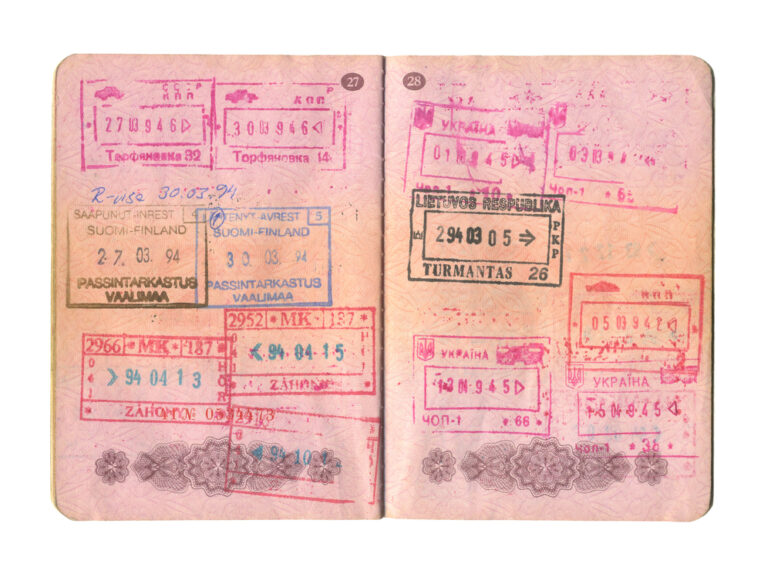
Passports can help unlock secret ownership of offshore companies, but finding them is often challenging. At ICIJ, we decided to build a new detection tool to speed up this process.
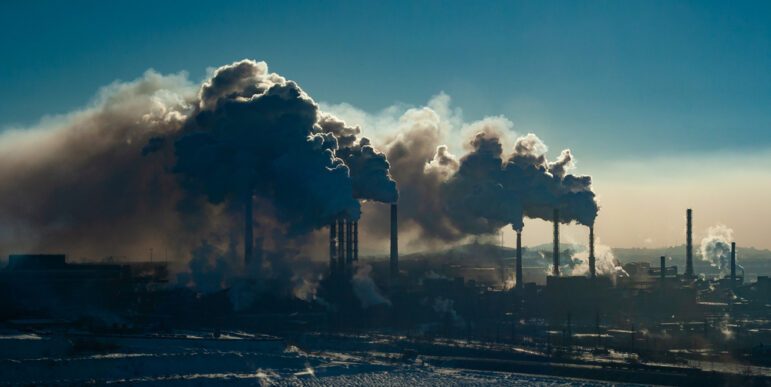
Here is a list of open source data tools that journalists can utilize to track air pollution, uncover its sources, and reveal the corporate networks responsible.
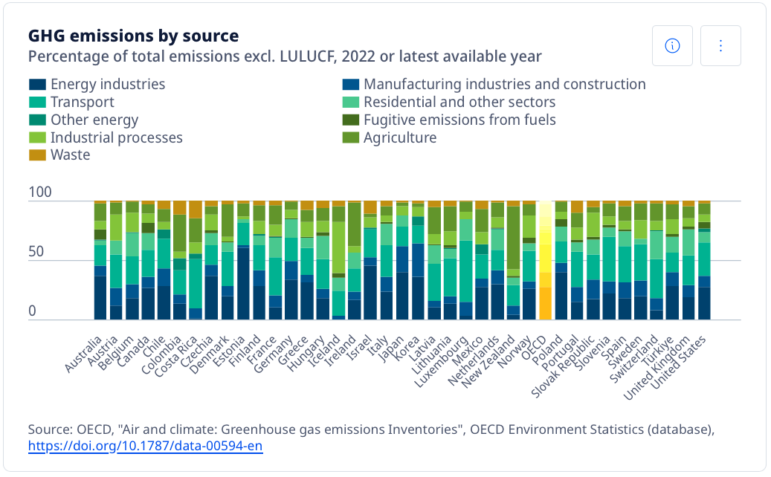
The wide range of international environmental data that the OECD offers, though often Eurocentric, is still extensive in scope and comparatively reliable.

Journalists around the world have mined the Strava fitness app to pinpoint secret military bases and track the movements of world leaders.

Ten years on, those behind Reveal, the award-winning public radio show and podcast, talk about the investigations that have defined their program.

The lack of regulatory oversight of radioactive waste in the oil and gas industry has created an environment ripe for some extraordinary science and environmental journalism.

Two scientists and an editor spent six months investigating so-called paper mills, which churn out bogus scientific papers that impede actual research on lifesaving breakthroughs.

At NICAR25, data reporters detailed how amateur transportation enthusiasts are a valuable, media-friendly, and underused source of critical tips and information for investigations.

GIJN shares some of the no-cost, easy-to-use data tools that NICAR25 conference panelists described as surprisingly useful but unknown by investigative reporters.