10 Questions
Lessons Learned from Investigative Journalist Hayatte Abdou, from the Comoros
As part of GIJN’s ongoing interview series, we speak to Hayatte Abdou, one of the few investigative reporters in the small isanld nation of the Comoros.
In the past three years since the first known case of COVID-19 was identified, watchdog reporters around the world have taken on one of the most difficult and deadly investigative topics in modern history. Here, we look back at some of the most innovative and impactful stories written about the pandemic and its consequences.
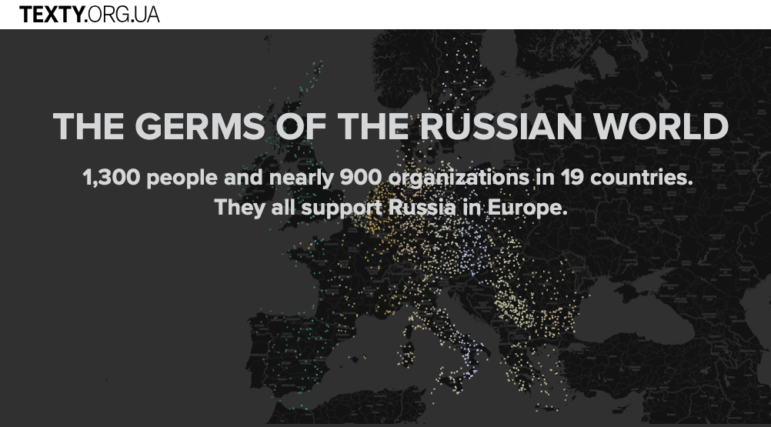
Throughout 2022, journalists have used data projects to track and assess the Russian invasion of Ukraine, the ongoing impacts of climate change, and important political elections around the world. Here, GIJN selects our top 10 data journalism projects of the year, which also includes a look at the polarization of the COVID vaccines in the US, a historical analysis of how debt burdened Haiti for centuries, irregularities in Spanish caesarean delivery rates, and the privatization of UK’s water resources.
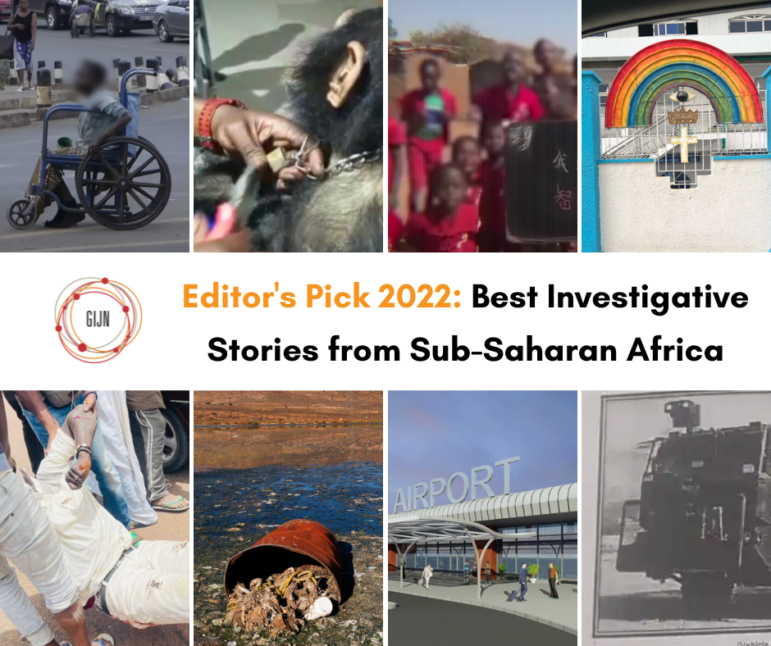
GIJN’s Africa editor, Benon Herbert Oluka, presents his Editor’s Picks for the best investigative reporting from sub-Saharan Africa in 2022, which demonstrated the curiosity, ingenuity, bravery, and technological know-how of Africa’s top investigative journalists and teams.
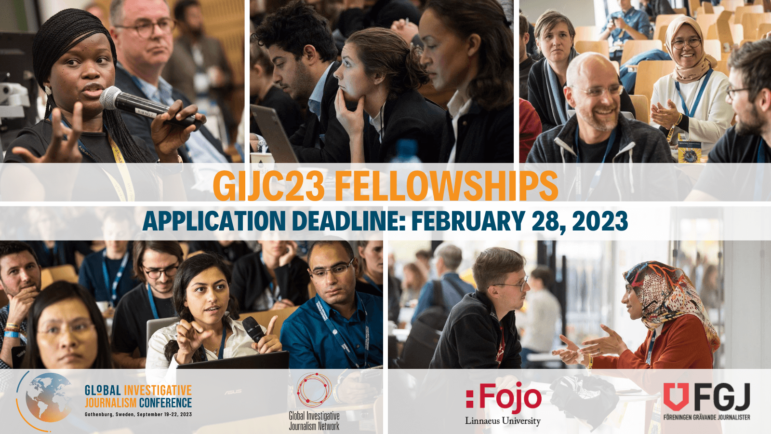
The Global Investigative Journalism Network, Fojo Media Institute at Linnaeus University, and Föreningen Grävande Journalister are delighted to be offering, with the help of our sponsors, fellowships to attend the premier international gathering of investigative and data journalists. The 13th Global Investigative Journalism Conference will be held in Gothenburg, Sweden from September 19 to 22, 2023 and will feature over 150 exciting panels, workshops, and networking sessions.
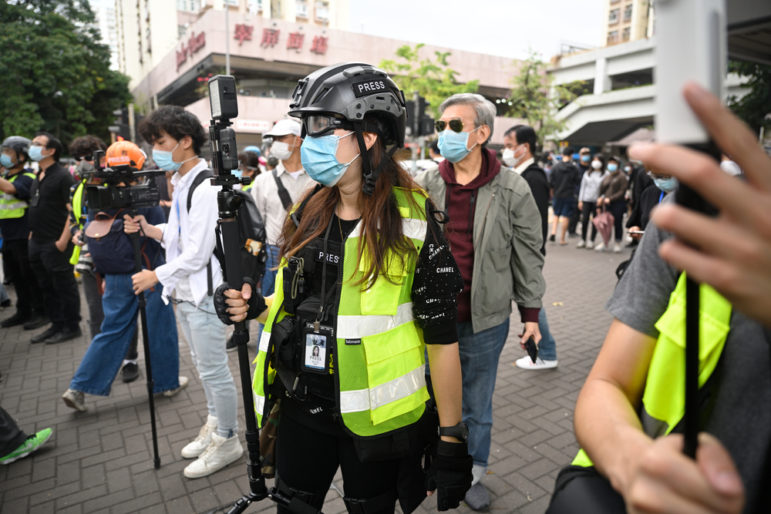
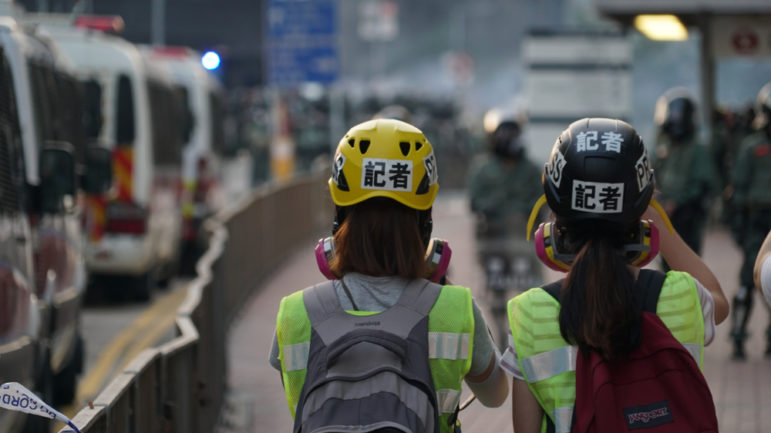
In 2022, many of GIJN’s original stories focused on reporting techniques relevant to global threats that grew or emerged this year — including Russia’s invasion of Ukraine, democratic decline, growth of far-right populism, the challenge of accountability journalism in the Arabian Gulf, abuse of migrants and minorities, and the exiling, assault, and legal harassment of independent media.
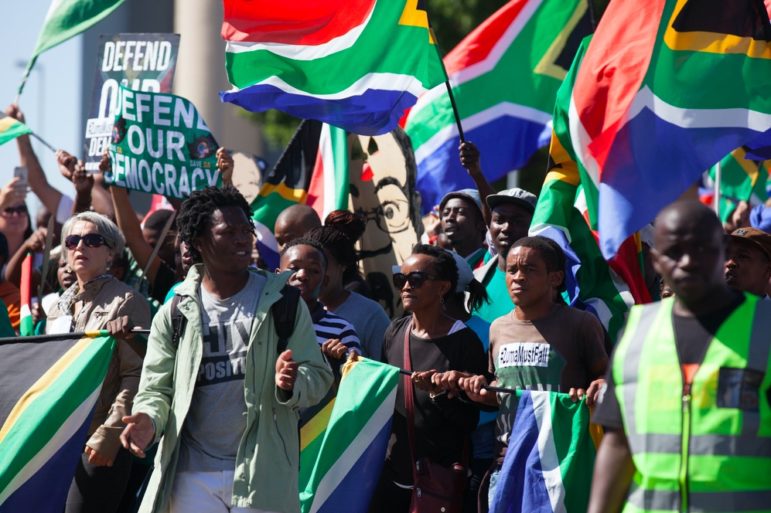
Because of growing threats to democracy, and a recent series of ever more extreme societal and planetary crises, funders now see more clearly the pivotal, central role that independent public interest media play in keeping our societies and economies open. And what’s even more encouraging is to see this positive talk backed up with concrete measures and actions.
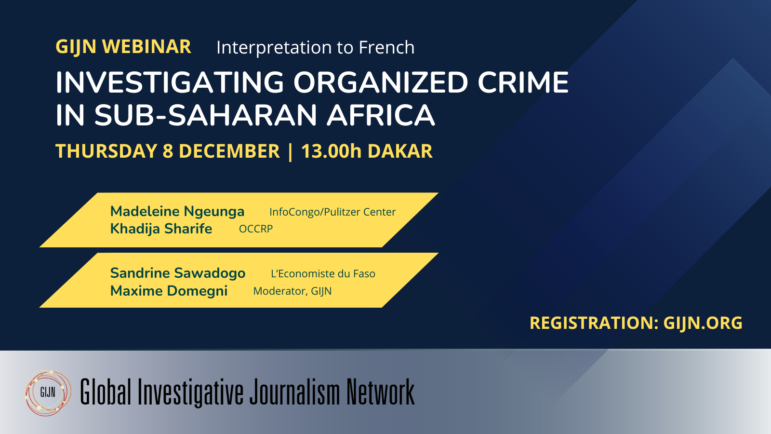
In this GIJN webinar, three senior reporters will share tips and resources to investigate financial crime, arms smuggling, and environmental crime.
A growing number of journalists and media organizations have established a presence on Mastodon. GIJN’s social media editor Holly Pate answers some common questions about the platform.
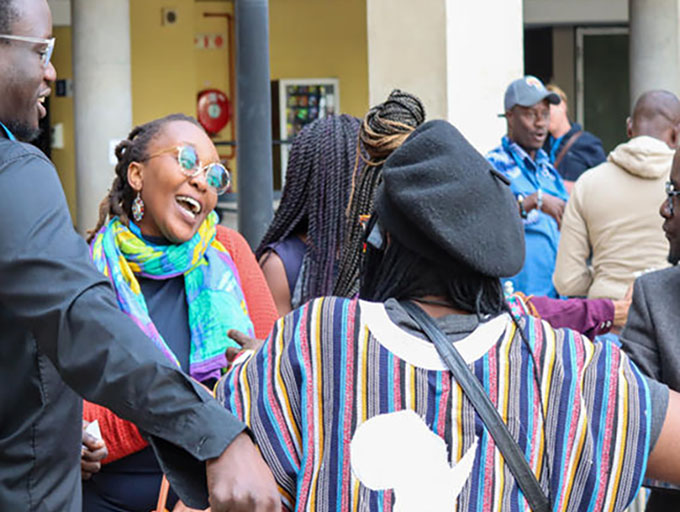
During a panel at the 2022 African Investigative Journalism Conference in Johannesburg, South Africa, prominent women editors and reporters from the continent emphasized the need for diversity in both newsroom staff and coverage of issues.
The largest-ever African Investigative Journalism Conference (#AIJC2022) drew 375 attendees from 51 countries to Africa’s premier muckraker gathering. The conference looked into how AI is driving a “third wave of journalism,” which new tools and resources are available to watchdog reporters, and showcased some of the world-class exposés being produced on the continent.
The Internet of Things can pose many threats to journalists — at home, in the office, and in the field. To help us understand them, a cybersecurity researcher examines these threats across several categories along with real-world examples.
Kenyan journalist John-Allan Namu discussed the emotional toll and significant impact on work-life balance that investigative reporting can have during a webinar hosted by the Reuters Institute.
Investigative journalism of environmental issues has grown substantially in recent years in Africa, thanks to a number of new initiatives and reporting projects.
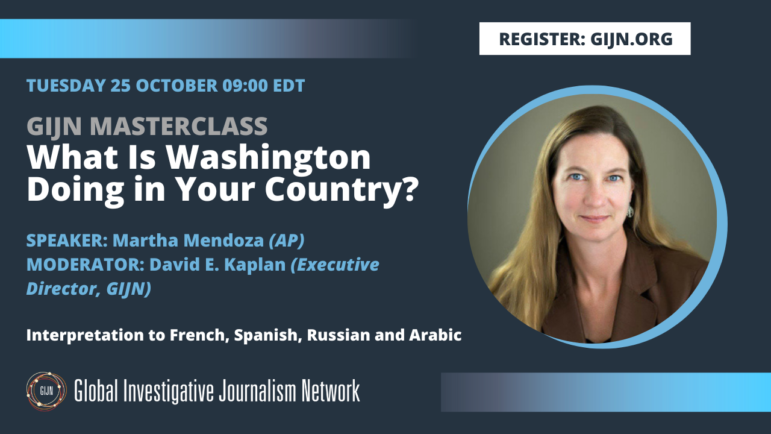
In this online Masterclass, Pulitzer Prize-winning journalist Martha Mendoza is in conversation with GIJN’s David Kaplan. Mendoza will offer hands-on training to accompany her popular GIJN tipsheet, Investigating US Influence Around the World, designed to help journalists outside the US understand how their countries are impacted by Washington — and how to report it more effectively.
Mattia Peretti, manager of JournalismAI at the London School of Economics, discusses the 10 things reporters should know about how artificial intelligence can impact journalism.
The 2023 Global Investigative Journalism Conference (GIJC23) is now scheduled for September 19 – 22 in the historic city of Gothenburg, Sweden. GIJN is excited to join with two local co-hosts for the 13th iteration of its conference: The Fojo Media Institute at Linnaeus University, and Föreningen Grävande Journalister, Sweden’s national association of investigative journalists.
New GIJN member Viewfinder, a small nonprofit journalism organization, is re-imagining investigative reporting in South Africa by exposing the disproportionate effects of systemic failures on marginalized communities.
A range of films released in 2022, which include documentaries and feature adaptations of landmark investigations, provide insight into the diligent and often dangerous work of investigative reporters.
Veteran journalist Anton Harber speaks about the state of journalism and press freedom in South Africa as well as the importance of holding the media accountable for its complicity in abetting state capture.
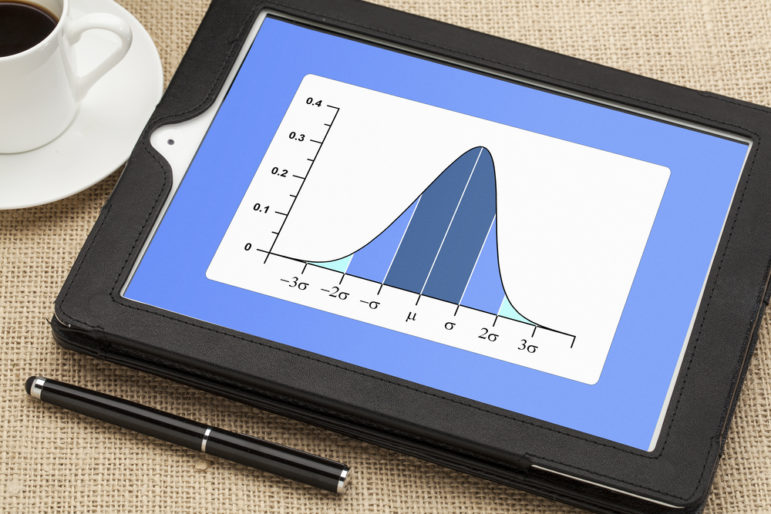
Data journalists often encounter the term “standard deviation” when reading research, from climate change studies to social science papers. This tipsheet explains how researchers use this measure, and how reporters can benefit from the context it provides.
Investigative journalists work tirelessly to get the truth and ensure that the public is informed on topics that are of public interest. Jamlab interviewed nine African investigative journalists to talk about their experiences of reporting in their respective countries.
Conditions for journalists in authoritarian countries are challenging and often dangerous. In light of these challenges, journalists and donors need to widen their understanding of the less traditional ways journalism generates impact.
GIJN asked a diverse group of nine investigative reporters to share a memorable misstep they’ve made in an investigative project, and a key lesson learned from the mistake.
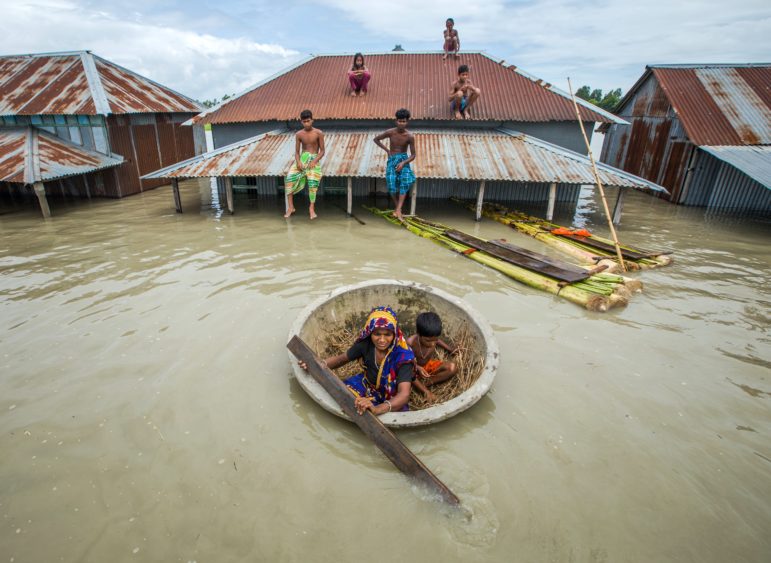
For journalists, explaining the causes and consequences of rising sea levels is a critical and challenging assignment. To address this aspect of the climate crisis, GIJN is publishing an extensive guide to support journalists covering the impact of rising seas around the world.
From respecting that different journalists have different styles of reporting to using voices from the field to tell the story, and from keeping it simple with clear language to just ‘getting started,’ here are tips from two experienced reporters for the write-up stage of an investigation.
While food is often covered from a cultural lens, it is increasingly garnering the attention of investigative journalists, who are bringing new scrutiny to the environmental impacts of supply chains, labor conditions, and political influence linked to food.
The Taco Kuiper Awards are South Africa’s prestigious prize for investigative reporting. Here are the opening remarks from the judges for the 16th annual award, the shortlist, and winners for reporting produced in 2021.