News & Analysis
After 21 Years, AIJC Signs Off from South Africa in Style. Next Stop: Kenya
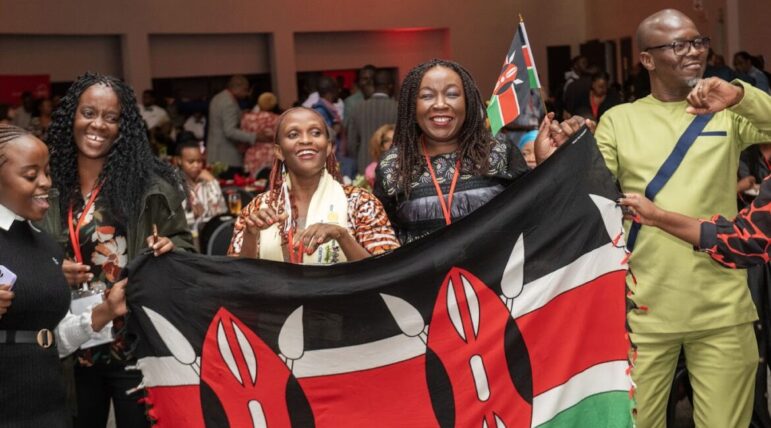
More than 455 attendees representing 45 countries, 37 of them in Africa, attended Africa’s premier investigative journalism conference at Wits University.
Through her two-plus decades of mentoring young journalists, Joke Kujenya has left a legacy of fostering and strengthening investigative reporting in a difficult press climate.
The global nonprofit WITNESS seeks to address one of the biggest data gaps in the digital verification landscape: the dependence on tools-based methods that lack local knowledge.
Verah Okeyo and Anne Mawathe were frustrated with newsroom constraints and envisioned producing deeply reported stories that communities and policymakers could not ignore.
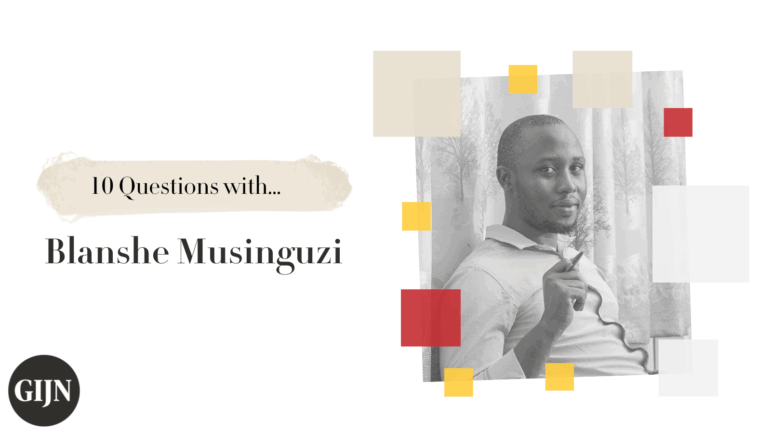
Blanshe Musinguzi’s award-winning investigation focused on timber smuggling in East Africa. He talks with GIJN about his career so far, and what he’s learned along the way.
Co-founded by two journalists, InfoNile has grown into a sprawling ecosystem of cross-border investigations, multimedia storytelling, and data-driven reporting.
For almost 30 years, the Media Foundation for West Africa has supported watchdog journalism and press freedom in both democratic and authoritarian states across the region.
As extremism spreads across sub-Saharan Africa, journalists are turning to open source tools to track the networks and physical movement of these often violent groups.
Reporters at the Center for Collaborative Investigative Journalism explain how they used data to reveal systemic gender-based violence in Eswatini in southern Africa.
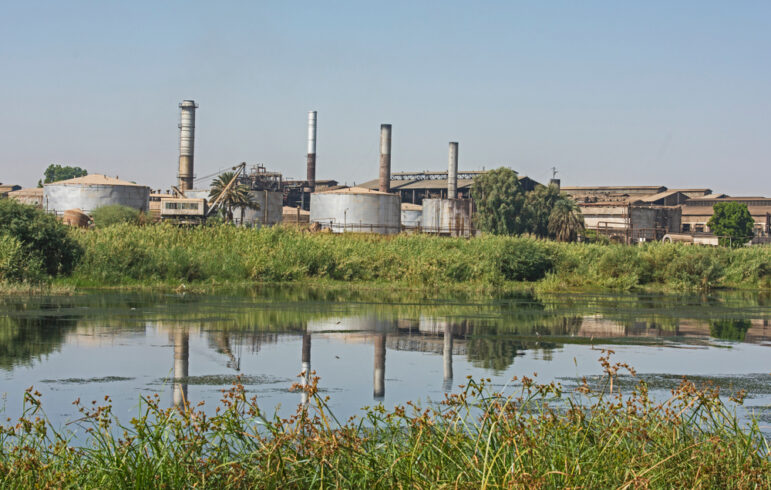
Investigative journalist and filmmaker Anu Adelakun discusses her investigation into the forces behind water scarcity and pollution in Africa’s most populous democracy.
The managing editor of HumAngle, which covers the human costs of conflict and terrorism, discusses the challenges of investigative coverage in Nigeria.
Also featuring revelations about misuse of college scholarships in Ghana, a televangelist’s troubling empire in Nigeria, and a dive into a US charity’s spending in Malawi.
African journalists who have worked on impactful cross-border investigations share lessons on uncovering illegal fishing, timber trafficking, and illicit money flows.
Data journalism in Africa has made a powerful impact, from holding leaders accountable to refuting myths around domestic violence. But the field faces formidable challenges.
These organizations are developing AI tools and resources that can be used to tackle misinformation, improve data reporting, and help with the storytelling process.
Nigerian investigative journalist Philip Obaji Jr. discusses the threats and challenges he has faced covering the Russian mercenary outfit, the Wagner Group.
Investigative journalism in Ethiopia — Africa’s second most populous country — currently faces a series of severe challenges.
As well as playing an outsize role in exposing state capture and toppling South Africa’s former president, this newsroom is a champion for investigative journalism in the region.
Investigative journalists who have gone undercover in Nigeria, Ghana, Liberia, Cameroon, and Kenya share advice and practical tips.
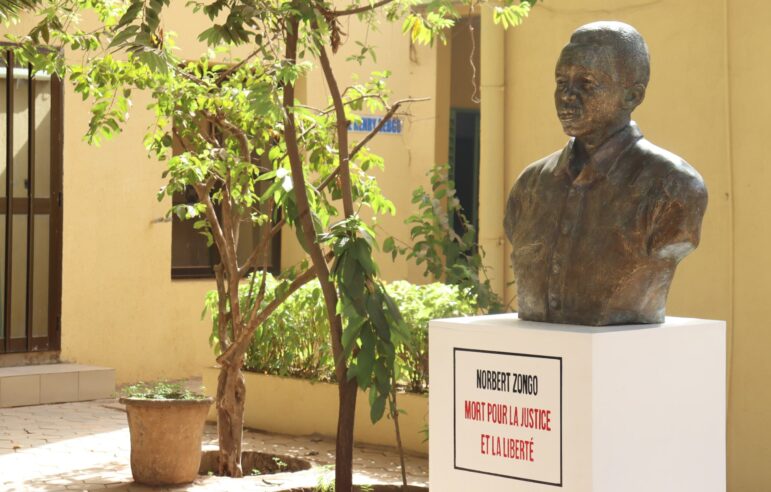
GIJN member The Norbert Zongo Cell for Investigative Journalism in West Africa (CENOZO) strives to promote journalism in the public interest.
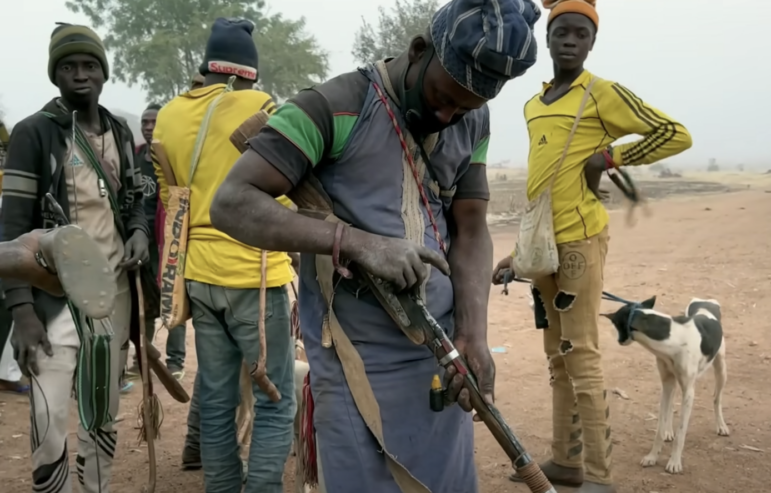
Yusuf Anka spent three years riding into and out of dangerous territory in northwestern Nigeria, investigating armed gangs plaguing his home region.
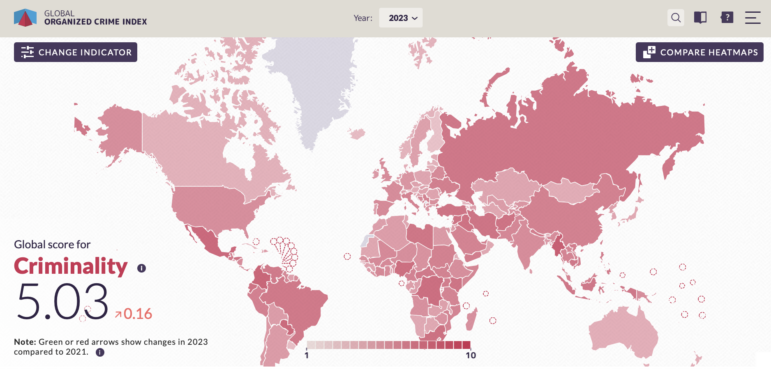
This week, GITOC released its second worldwide assessment, the 2023 Global Organized Crime Index, a eight-chapter report that found economic crises and political realignment have fueled global organized crime, which preys on the resulting civic instability, financial vulnerability, and shortage of food, fuel, and other commodities.
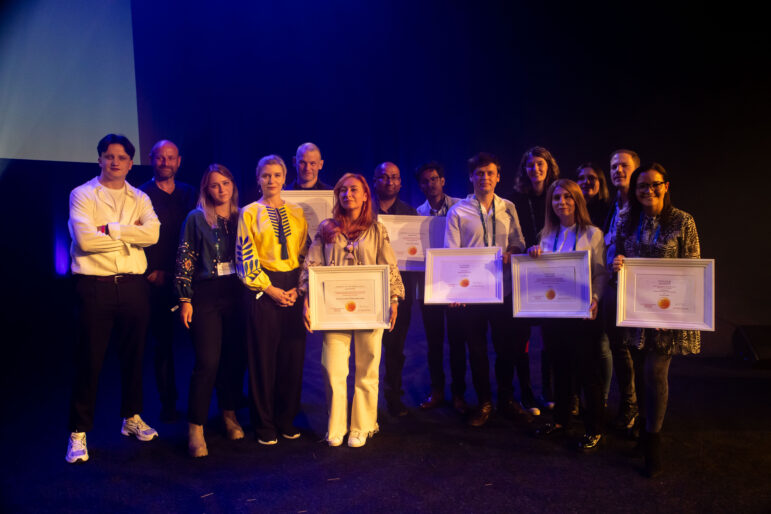
The GSLA honors watchdog journalism in developing or transitioning countries, carried out under threat or in perilous conditions — and the 2023 competition attracted applications from 84 countries.
Certain stories require access or information that interviews, open source documents, or data analysis can’t provide.
GIJN’s board is now made up of Anton Harber (South Africa), Oleg Khomenok (Ukraine), Syed Nazakat (India), Bruce Shapiro (US), Khadija Sharife (South Africa), Margo Smit (Netherlands), and Nina Selbo Torset (Norway).
A study found many Google News Initiative projects in Middle East and Africa struggle to become more than makeshift versions of the original idea.
The award-winning Ghanaian journalist Manasseh Azure Awuni says there are a series of challenges that investigative reporters in Africa must confront during the course of their work. Read about the difficulty of getting accurate data, the challenges of impunity, funding issues, and press freedom challenges in this excerpt from his new book.
At the International Journalism Festival in Perugia, veteran journalists from Africa and the Middle East discussed the power and intimacy of audio and podcast reporting and how it can enable reporters to better access hard-to-cover stories.