Accessibility Settings

color options

monochrome muted color dark

reading tools

isolation ruler

Stories

161 posts

News & Analysis

Want to Change How Investigative Journalism is Done in Africa? Here are 14 Recommendations

More than 10 years ago, the first nonprofit investigative journalism organization in Africa was established. More than 20 countries throughout the continent now have similar units. What are the motivating factors behind the proliferation of these organizations on the continent? Who is funding them and how? And are these organizations making an impact in Africa? Ntibinyane Ntibinyane rounded up 14 recommendations for GIJN based on his recent study for the Reuters Institute at Oxford University.

News & Analysis

Were the Gupta Leaks South Africa’s Watergate?

The biggest story since the end of apartheid helped bring down a president. But a year on, its effect on South African journalism has been less clear. Jon Allsop filed this report from Cape Town for GIJN.

News & Analysis

South Africa’s State of Surveillance: How Journalists Are Targets for Spying

There is a growing body of evidence that state spies have been targeting journalists in South Africa. Murray Hunter from the Right2Know Campaign, writes for GIJN about their recently released report which looks at 10 case studies of surveillance against journalists to unpack what happened, how it happened and which parties appear to be responsible.

Case Studies

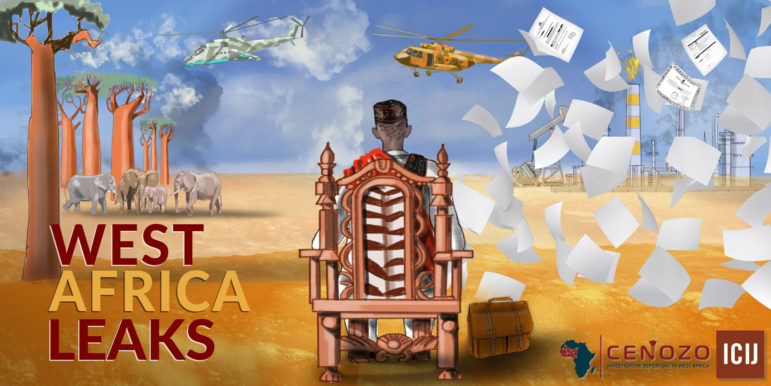
How They Did It: Inside #WestAfricaLeaks’ Exposé of the Offshore Economy

In late May, journalists from CENOZO in West Africa — with support from the International Consortium of Investigative Journalists — published #WestAfricaLeaks, the largest collaboration of investigative journalists in the region, exposing tactics used by regional tycoons, multinational companies and politicians to take their money offshore and out of reach. Here’s how they did it.

Case Studies

African Investigative Journalism Takes on the Kleptocrats

A collective of African Investigative journalists has found that publishing stories about corruption in their home countries doesn’t always put much pressure on those leaders who plunder state resources, but publishing in the countries where their donors live has the potential to hit them where it hurts — their bank accounts.

Case Studies

How They Did It: Tracking the Copious Travels of Cameroon’s President

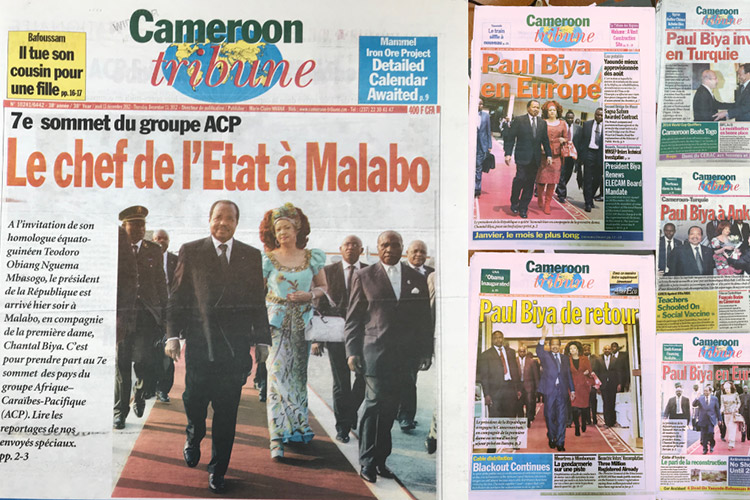
The full scale of Cameroon’s President Paul Biya’s jaunts abroad since he took power 35 years ago had never been calculated until now. Journalist Emmanuel Freudenthal details how he and two of his colleagues painstakingly pored over almost 4,000 newspaper pages to establish the number of days Biya had spent overseas on private trips and the amount the lavish trips cost the country.

Case Studies

The Balancing Act of Donor-Funded Journalism: A Case Study from South Africa

What started out in 2013 as a small donor-funded health journalism center situated inside a legacy newspaper in South Africa has transformed into a staff of 10, and 15 regular contributors across the continent. Today, Bhekisisa consistently produces impactful reports which help to influence policy and decision making, set agendas and define conversations.

.

#GIJC17: Spotlight on Africa

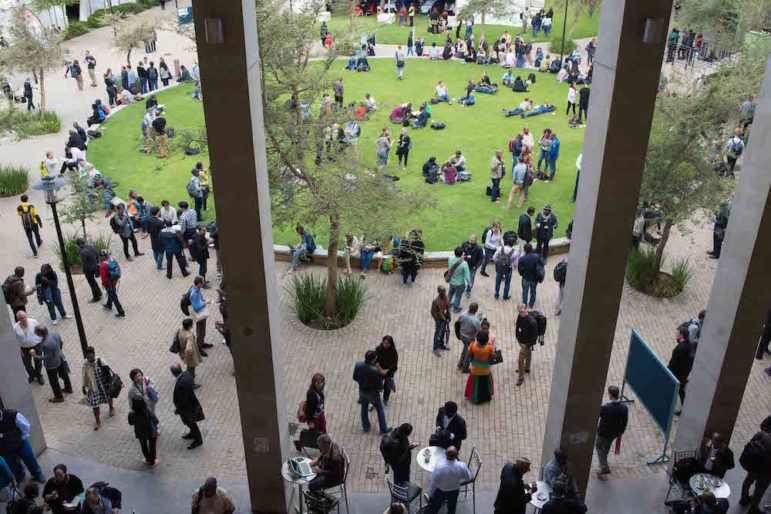
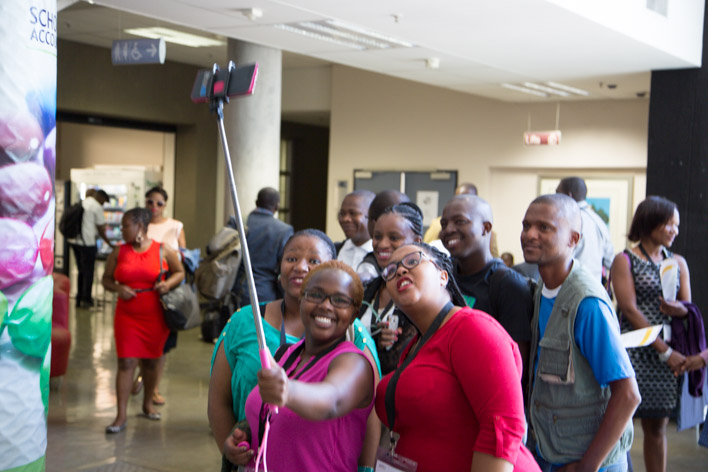
Almost 500 African journalists met with their global counterparts in Johannesburg at #GIJC17, the largest international gathering of investigative journalists, to sharpen their skills for a new era of digging out the muck.

News & Analysis

African Muckracking: Exposing Genocide

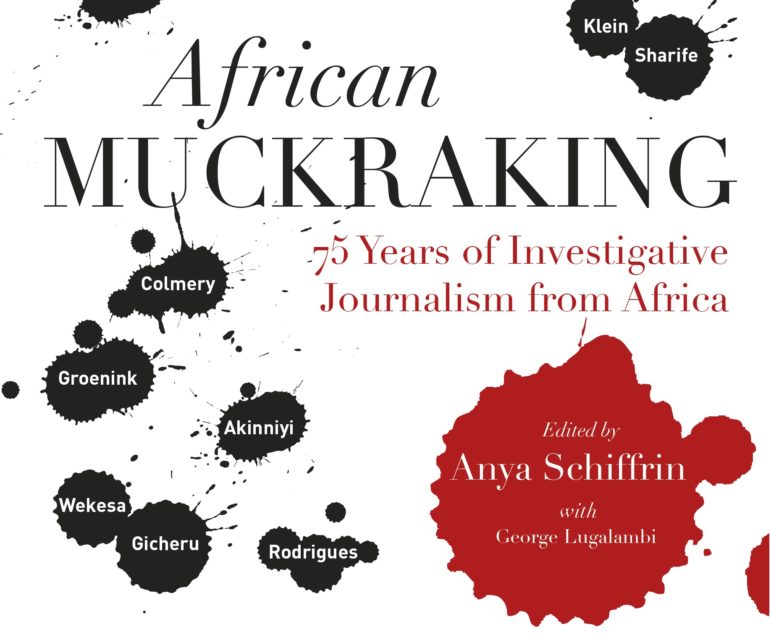
Launched at #GIJC17, African Muckraking: 75 Years of Investigative Journalism from Africa is a collection of investigative and campaigning journalism written by Africans about Africa. This collection of 41 pieces of African journalism includes passionate and committed writing on labour abuses, police brutality, women’s rights, the struggle for democracy and independence on the continent. Here’s an excerpt from the book.

News & Analysis

Africa’s Internet Shutdowns Stifling Press Freedom

In the run-up to #GIJC17 in Johannesburg in November, we are publishing a series of articles on the state of journalism in Africa to give conference-goers perspective on the continent. In this piece, researcher Jonathan Rozen shows how internet shutdowns in Ethiopia, the Republic of Congo and Cameroon are impacting journalists.

News & Analysis

July in Africa: Broken Hearts and Stifled Words

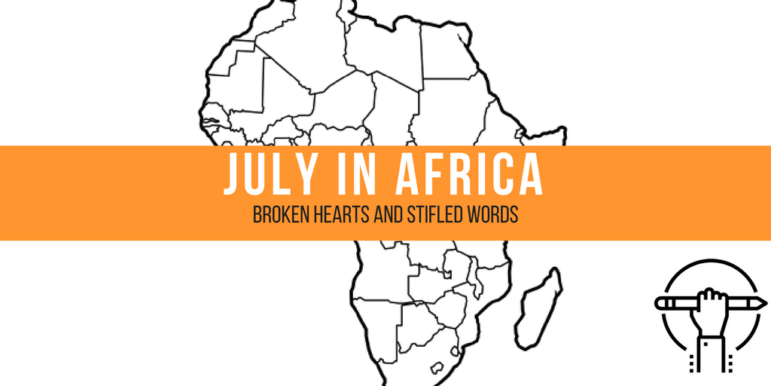
As we prepare to gather in Johannesburg for #GIJC17, it’s worth noting the many challenges African journalists face. From South Africa to Somalia, July was a particularly ominous month for free expression on the continent.

News & Analysis

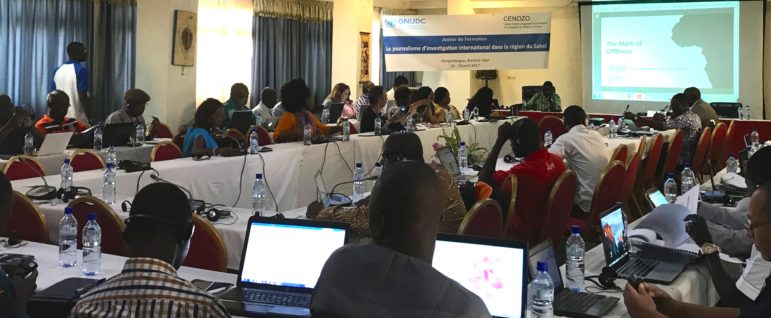
West African Journalists Launch Investigative Hub

The April gathering in Ouagadougou marked the start of operational activities of the Norbert Zongo Cell for Investigative Journalism in West Africa, an investigative hub where journalists can access grants, resources, mentoring and form cross-border collaborations.

News & Analysis

GIJN Joins Calls for End to Harassment of Premium Times by Nigerian Military

The Global Investigative Journalism Network is calling on Nigerian authorities to immediately drop all charges against the publisher and a reporter for the investigative news site Premium Times. In a letter sent to Nigerian officials today, GIJN Executive Director David E. Kaplan called the charges “an attempt to intimidate Premium Times from independent inquiry.”

News & Analysis

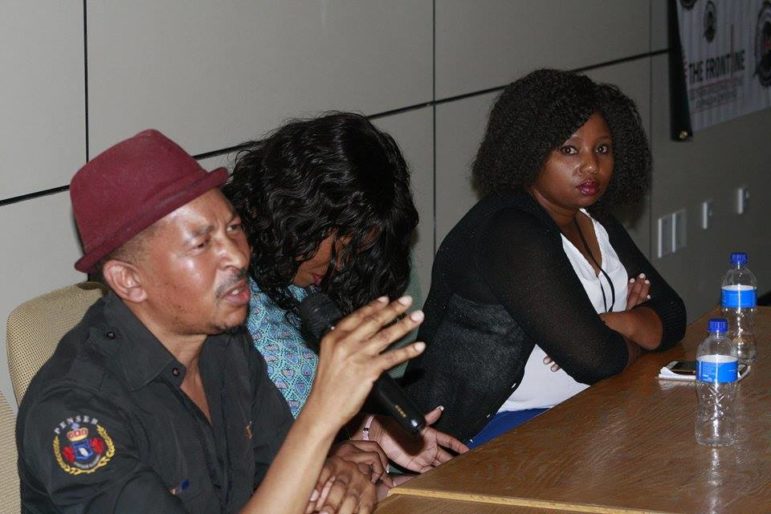
Notes from Africa’s Investigative “Frontline”

The first Southern African Investigative Journalism Conference in Botswana took place in that country’s capital Gaborone from October 7-8 this month. About 175 journalists from 10 countries participated in the event, which featured talks ranging from the dangers of reporting on corruption and the Panama Papers in Africa to personal testimonies of reporters who have faced persecution and threats of violence for their reporting.

Reporting Tools & Tips

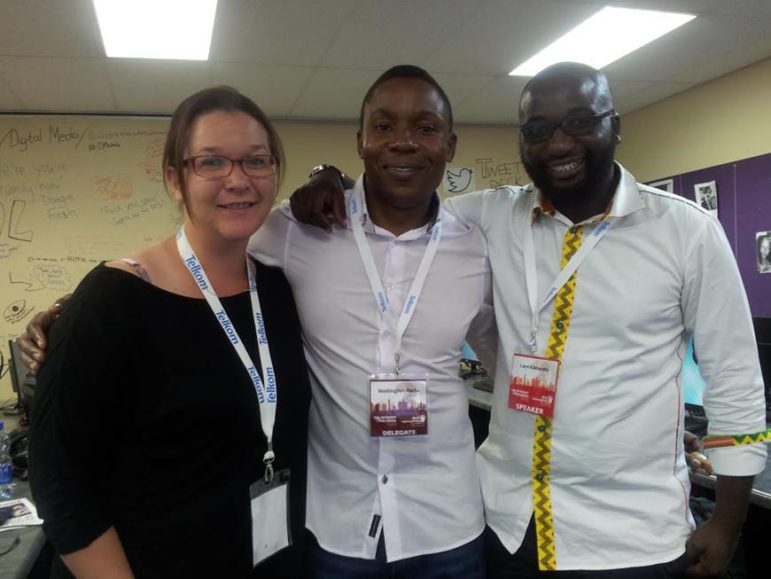
Six Open Data and Accountability Tools for Africa

At this year’s Highway Africa — the continent’s largest annual gathering of journalists — watchdog groups showcased a host of open data and accountability tools aimed squarely at Africa. Here are six of them, developed by Code4SA and presented by Wellington Radu of Media Monitoring Africa and Levi Kabwato of the Open Democracy Advice Centre.

Case Studies

“Keep Moving Forward” — Ideas for African Media

For the image on her new Twitter account, Congolese journalist Nanythe Talani features part of a quote by the Rev. Dr. Martin Luther King Jr.: “If you can’t run, then walk, if you can’t walk, then crawl, but whatever you do, you have to keep moving forward.”

News & Analysis

Despite Challenges, S. African Muckraking Pushes Forward

A boom in investigative journalism in South Africa seems to be winding down as media houses slash budgets to balance their books to continue to pay dividends to shareholders. “South Africa has had something of a golden era in investigative reporting, with as many as four teams at different institutions dedicated to it,” said Professor Anton Harber, head of the journalism department at the University of the Witwatersrand in Johannesburg.

Reporting Tools & Tips

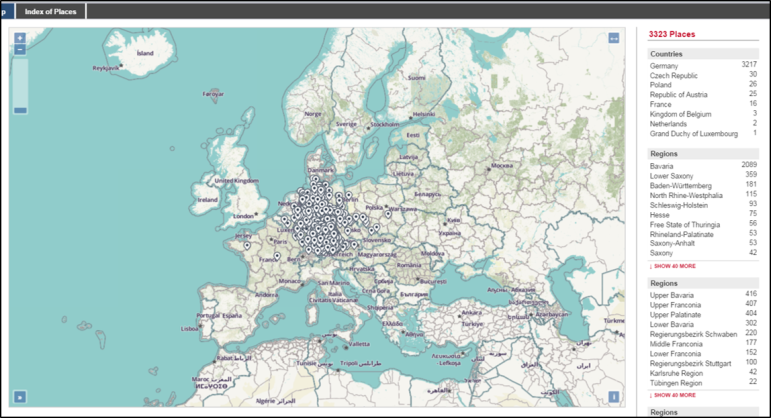
Research Desk: Databases on Land, Nazis, African Mining

We’re back from the wonderful Global Investigative Journalism Conference in Lillehammer with a new roundup of resources for you. Thanks to everyone who came to and shared the presentation I did there with Margot Williams of The Intercept, 100 Best Databases for Internet Research. You can find links to all the resources that Margot and I talked about in this post.