

Case Studies
How Women Are Driving a Golden Age of Data Journalism in Kenya
Eunice Magwambo, Purity Mukami, and Juliet Atellah discuss their work and challenges facing data journalists in their home country of Kenya.
Eunice Magwambo, Purity Mukami, and Juliet Atellah discuss their work and challenges facing data journalists in their home country of Kenya.

Separate investigations into corruption at the national lottery and the brazen assassination of a government whistleblower jointly won the 2022 Taco Kuiper Award, recognizing the best of watchdog reporting in South Africa.

In our latest “How They Did It” series, GIJN profiles investigative reporter Anna Wolfe’s recent exposé on corruption inside the Mississippi state welfare office, which was honored with the 2023 Goldsmith Prize.
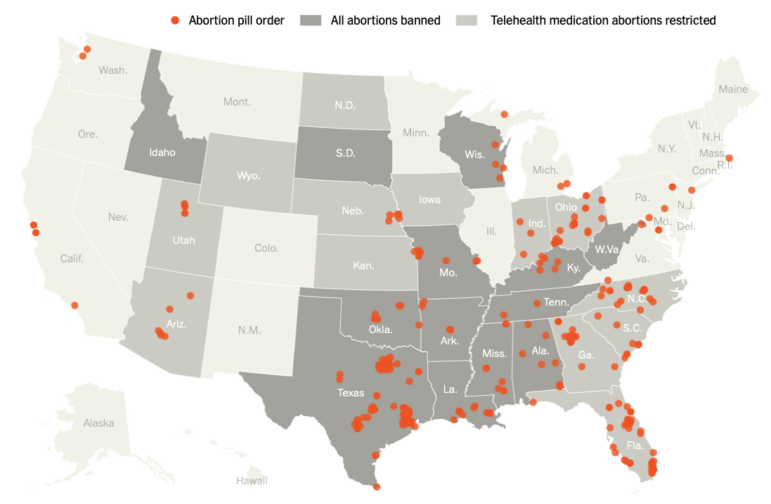
This week’s data journalism roundup digs into abortion pill access in the US, India’s population surpassing China, the illusion of reforestation as a solution for climate change, and the boom in owning pets during the pandemic.

The methods and tools that governments employ to censor and control the internet, and the tools and ways to get around censorship, are a constantly shifting battleground. But there is a set of evergreen best practices and helpful software that are useful.

To get a better sense of the investigative journalism landscape on Substack, GIJN spoke with watchdog reporters who use the platform to publish original investigations and who are not part of a larger news or media organization.
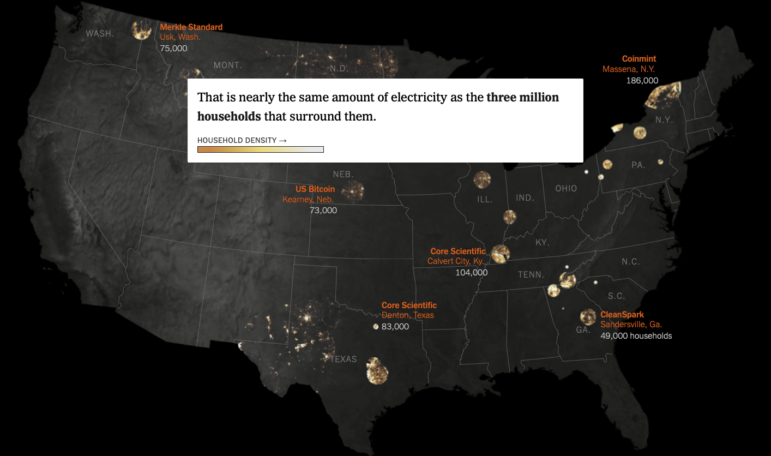
This week’s data journalism roundup highlights a New York Times investigation into the energy and environmental impacts of bitcoin mining, Reuters’ look at anti-homosexuality laws across the African continent, mapping of Switzerland’s residential density, and a visualization of Lionel Messi’s decorated football career.
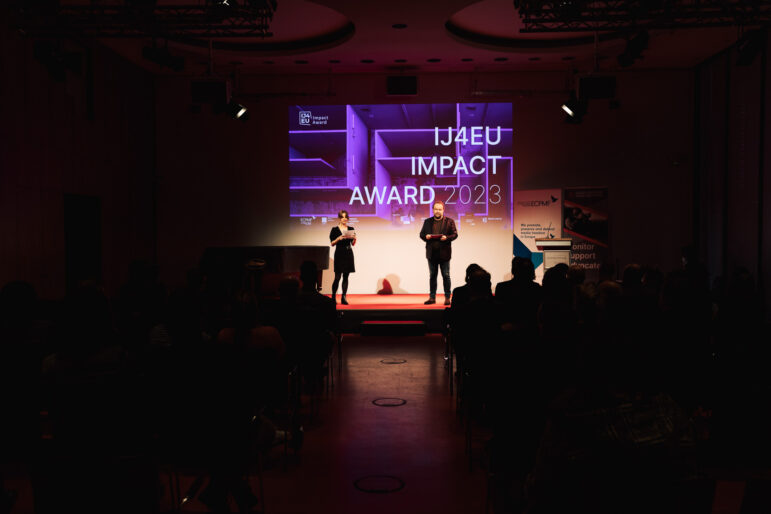
Investigations on topics as diverse as corruption in sports, illegal “pushbacks” of refugees, and the mass internment of Uyghurs in China were recognized at the IJ4EU Impact Awards, the annual prize of the Investigative Journalism for Europe fund.
Venezuelan journalist Ronna Rísquez has covered violence and organized crime in South America for more than 20 years. In conversation with LatAm Journalism Review, Rísquez talks about the challenges she has faced practicing journalism as a woman and about the threats she received before publishing her first solo book.
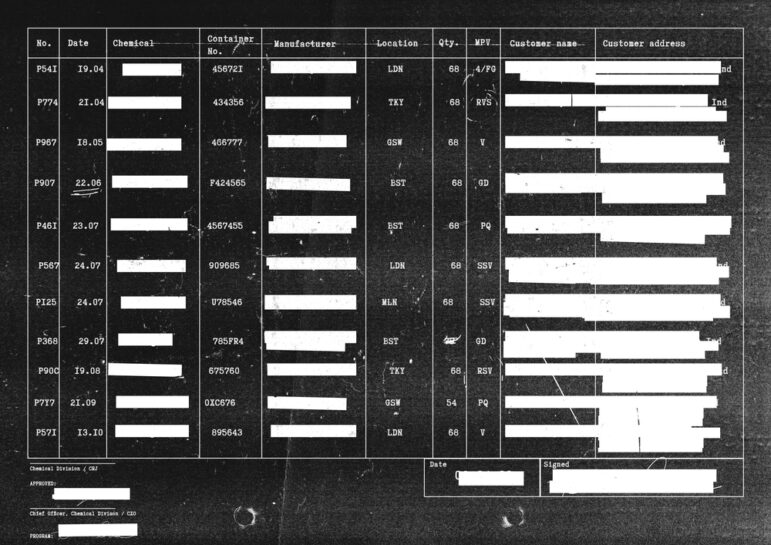
DocumentCloud now includes many more cutting-edge functions — which include extracting personal identification information embedded in large files, importing data from programs like Google Drive, transcribing YouTube audio, and even peering through weak blackout redactions.

In this week’s Data Journalism Top 10, The Washington Post did a 10-story deep dive on issues related to gun violence and the deadly AR-15 weapon after yet another school shooting. Our weekly roundup also features a look at global water scarcity hotspots, Russian war atrocities, and the enduring appeal of British television shows.

Mother Jones is a US outlet known for “smart, fearless journalism.” Monika Bauerlein, its CEO, believes that the kind of investigative journalism they do cannot be funded by traditional commercial means. That’s why it operates as a nonprofit with a heavy focus on reader donations as a revenue stream.
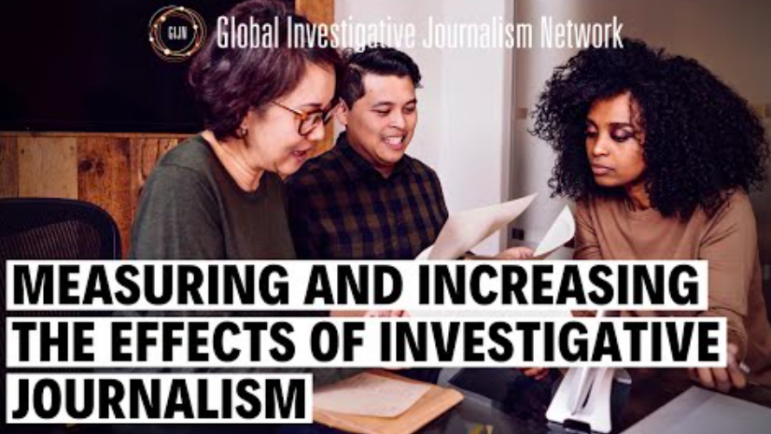
Impact experts say there are several ways to help direct the attention of change-makers — as well as other media — to your key findings, and even nudge them to action.
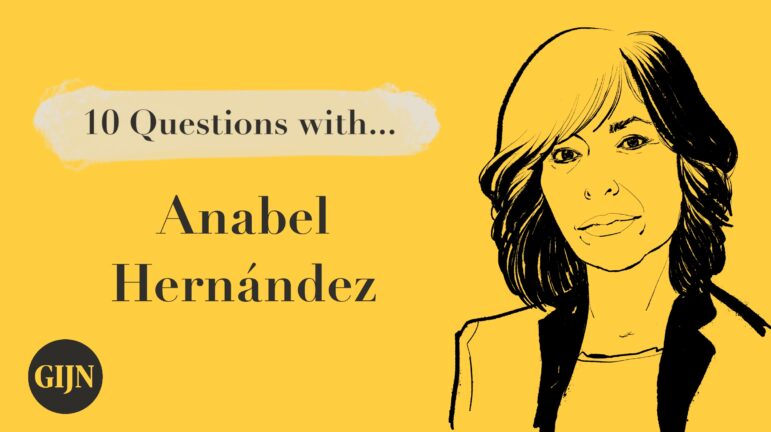
Anabel Hernández is one of the most prominent investigative journalists in Mexico. With more than 30 years of experience, she has dedicated her career to investigating organized crime and the complicity of politicians, the military, and businessmen in the war on drugs in Mexico and beyond.
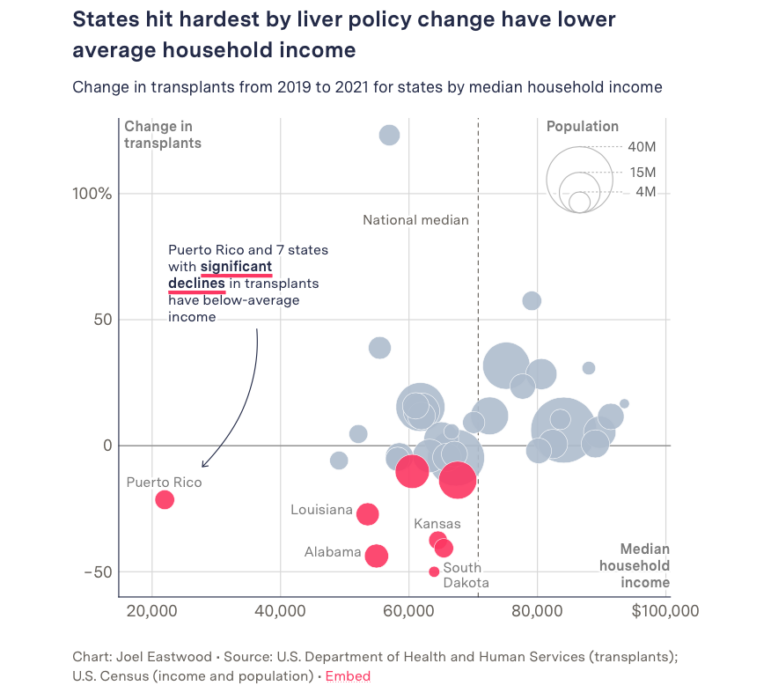
GIJN’s weekly curation of the most popular data journalism stories on Twitter features a look the impact of changes to organ donation rules in the US, drug usage in Europe based on wastewater analysis, a text analysis of layoff memos written by tech industry chief executives, and an examination of protests across Russia in 2022.

The National Press Club recently hosted a panel of cybersecurity and digital experts to discuss the latest in government internet shutdowns and online censorship — and how journalists can work around these challenges.
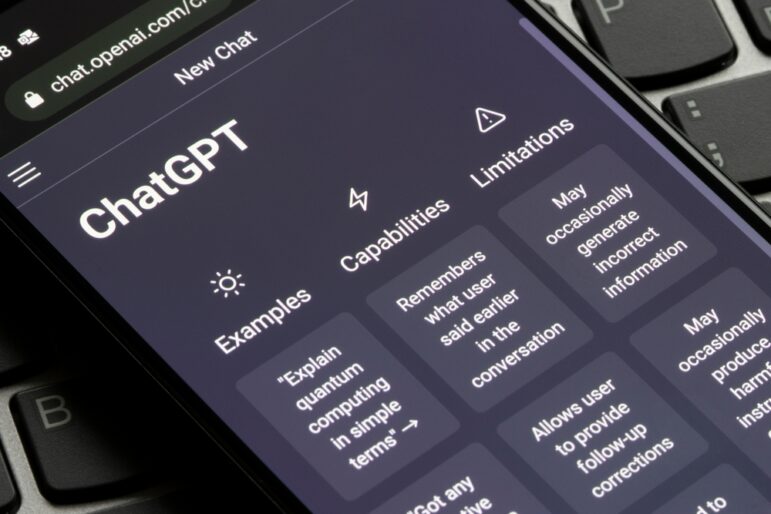
Converting text documents like PDFs to spreadsheets is tedious and expensive work. To see how well AI tool ChatGPT can extract data from PDFs, data journalist Brandon Roberts wrote a Python script to convert two document sets to spreadsheets.

Winning entries at this year’s Sigma Awards focused on the war in Ukraine, air pollution, rising sea levels, political candidates, and road accidents involving schoolchildren, and used data, satellite imagery, gaming techniques, and 3D imagery to create compelling stories.

GIJN social media editor Holly Pate looked into best practices for increasing impact and audience engagement of investigative stories, gathering real-life examples from journalism sites around the world.
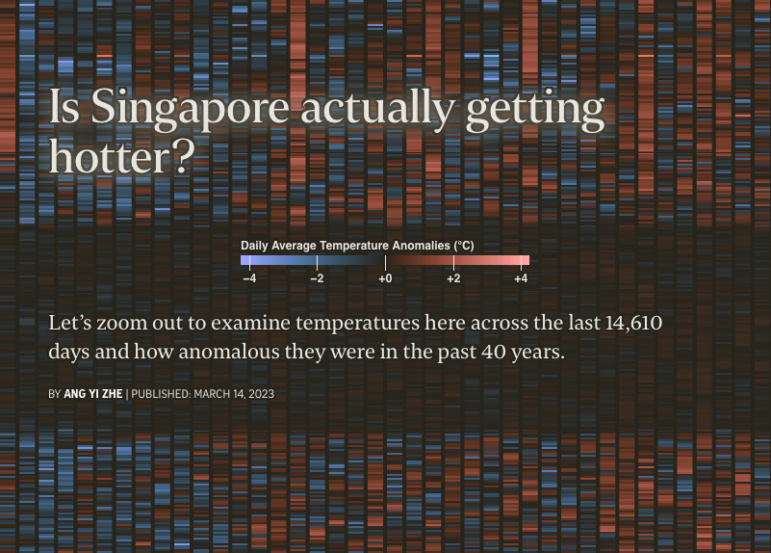
This week our top ten in data journalism features stories digging into the link between Ebola outbreaks and deforestation, on the stark impact of global warming on everything from crop yields to species loss, and the undeniable increase in the number of hot nights in Singapore.
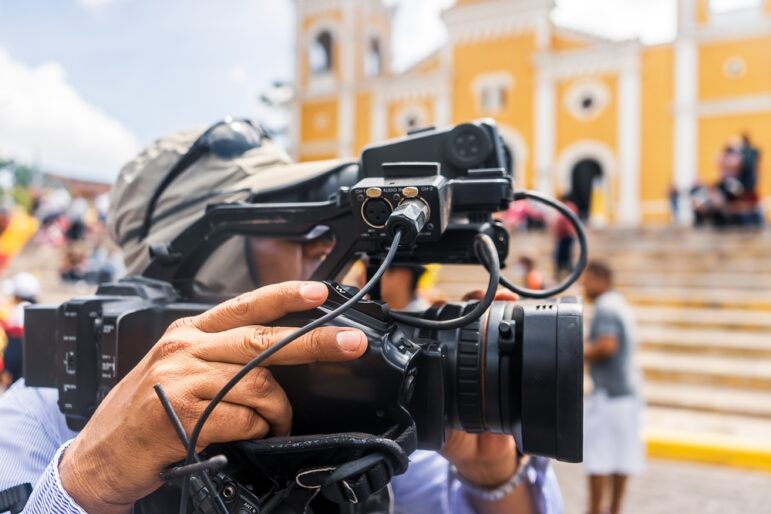
Veteran Nicaraguan journalist and editor Carlos F. Chamorro delivered the memorial lecture at the Reuters Institute for the Study of Journalism. His speech reveals how press freedom has been eroded in Nicaragua, and the challenges of producing journalism under the ‘totalitarian regime’ of President Daniel Ortega.
A Reuters investigation uncovering how large corporations use child labor for chicken processing and auto supply manufacturing was a finalist for the 2023 Goldsmith Prize for Investigative Reporting. Here the reporters give insights to other journalists who want to explore illegal labor practices in their coverage areas.
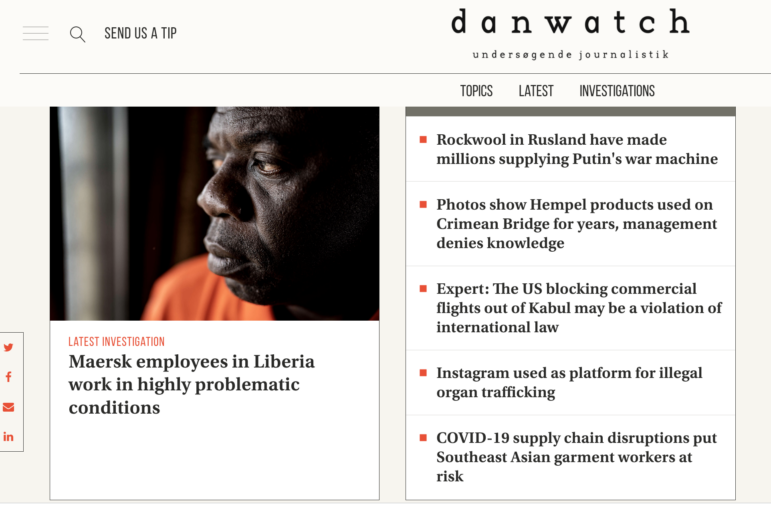
GIJN member Danwatch was launched in 2007 by civic groups in Denmark with a focus on both research and journalism. Danwatch has since grown to have one of the largest specialized investigative journalism teams in Denmark, with 13 reporters, one of them based in South America.

Social media platforms are among the most difficult sites to scrape for data across the internet. A recent session at NICAR23 unveiled several dynamic new tools — including Junkipedia, a possible CrowdTangle replacement — that can perform a wealth of social media monitoring tasks, from tracking down who is behind harmful ads to identifying conspiracy groups or influencers spreading disinformation.
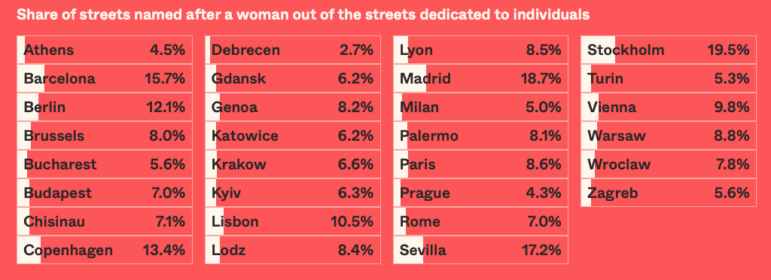
In the week in which International Women’s Day is celebrated worldwide, data teams around the world took the opportunity to explore issues related to women, whether mapping streets named after women in Europe, analyzing leisure spaces they are able to enjoy in Southeast Asia, or the distances needed to travel for abortion access in the US.

As Spain transitioned to democracy, a series of attacks were carried out by the far-right. In some cases, the culprits were never found. To provide some measure of accountability, two journalists from El País have worked for a decade tracking down fugitives in cases forgotten or closed by the authorities.
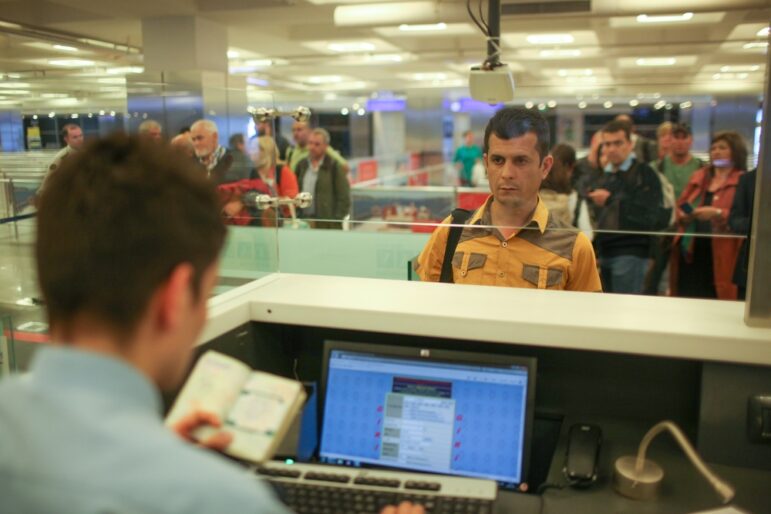
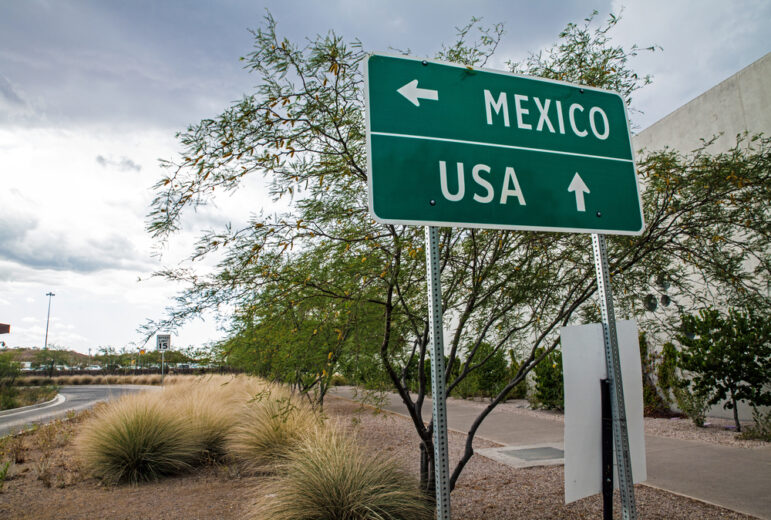
In an era where corruption, financial crime, and illicit trade routinely span the globe, so too must the investigations that uncover them. But one of the least discussed and often unexpected obstacles in that pursuit involves the difficulties investigative journalists can face when traveling and physically crossing borders.
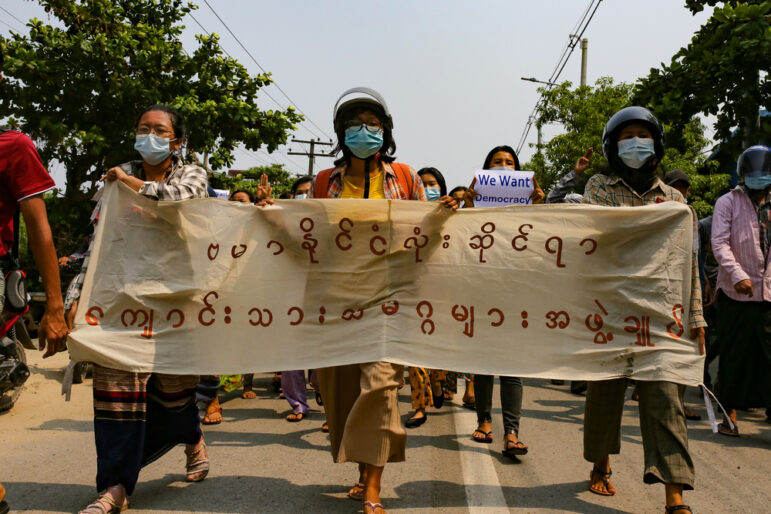
Three years after the Myanmar military’s violent coup, journalists continue to struggle with press freedom and are trying to rebuild independent media voices in support of democracy both inside and outside the country.
In 2001 GIJN was born, as investigative journalists from around the globe met for the very first time to share ideas, tips, and best practices to strengthen their reporting in a world where journalism was increasingly under threat.
Today the threat has multiplied, and at GIJN we find ourselves under the same pressures as our member organizations. Most urgently: available funding for investigative journalism has been impacted as some longtime funders who supported journalism in the past are no longer doing so or have closed. Yet our work continues, more important than ever before.
GIJN serves as the global hub for the world’s investigative reporters. Our core mission is to support and strengthen investigative journalism—with special attention to those from repressive regimes and marginalized communities.
We are embarking on our first-ever campaign initiative to help us expand our revenue by the end of the year through individual donors. If you have ever joined one of our free webinars, used one of our free resources, learned a new skill thanks to a GIJN training, or simply believe that press freedom is essential to civil society, we ask you to show your support for GIJN’s work with a donation of your choosing. Called “Friends of GIJN,” this campaign includes a more personalized experience, starting in 2027, for individuals who answer the call to join with us during this unprecedented time.
Truth and democracy are under attack around the world. You can fight back by helping GIJN support investigative journalists with free access to the latest tools and techniques — so they can foster justice and hold accountable those who abuse the public trust.
With a staff based in 24 countries, GIJN works in a dozen languages each day, linking together the world’s most enterprising journalists, offering state-of-the-art training, webinars, tip sheets, and a Help Desk that responds to 2,000+ requests for assistance each year. More than 84% of GIJN’s operating budget goes directly to our program work.
Please make a gift today to support journalists on the front lines of the fight for accountability and human rights.