
News & Analysis
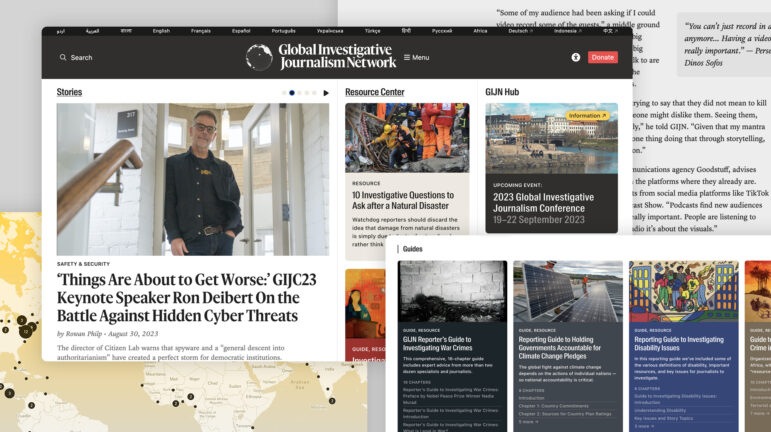
GIJN Unveils New Website, Logo Ahead of GIJC23 and 20th Anniversary
After 20 years of existence, it was time for GIJN to revamp both is website and visual identity. Welcome to our new website and new look.
After 20 years of existence, it was time for GIJN to revamp both is website and visual identity. Welcome to our new website and new look.

Each year the jury for the DIG Festival scours hundreds of submissions to find the best investigative films and podcasts from around the world.

The little-known but powerful Investor-State Dispute Settlement (ISDS) system considers high stakes cases between companies and national governments, which often take years to resolve.

Podcasts are quintessentially an audio medium, but to reach newer and younger audiences, many shows are now beginning to add video elements to the traditional format.

This latest installment of the GIJN Bookshelf offers a compilation of recommended investigative books from reporters across Latin America.
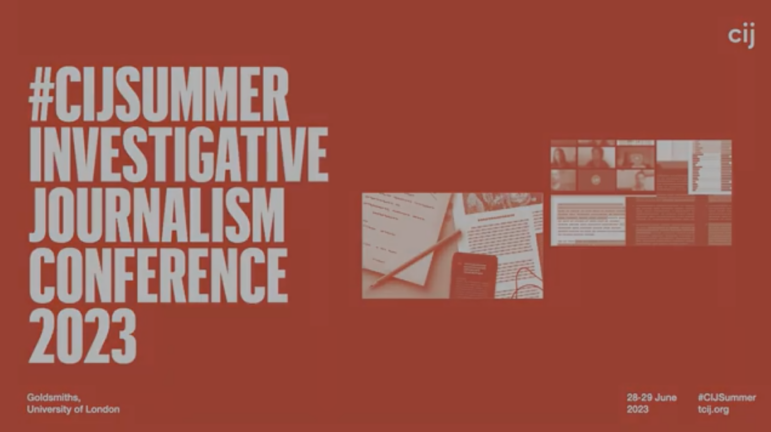
GIJN associate editor Laura Dixon and GIJN Francophone Africa editor Maxime Domegni round up seven key takeaways from the 2023 Centre for Investigative Journalism’s 2023 summer conference in London.
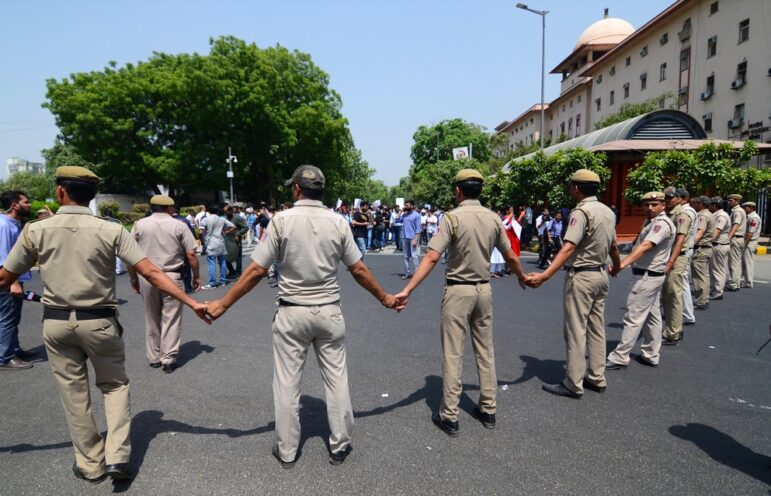
Two editors from India and Hungary, respectively, Ritu Kapur and Peter Erdelyi, offer survival tips based on how their outlets have managed to stay afloat in the face of press freedom challenges in backsliding democracies.

BuzzFeed News investigative correspondent Tom Warren reflects on the rise and fall of their award-winning investigations team.

At the Online Journalism Blog, data journalism expert Paul Bradshaw analyzed 100 pieces of data that journalists use and found that there are several common story angles.
GIJN is scheduling new elections for its board of directors. There are openings for seven seats on the 15-member board. Each of GIJN’s 244 member organizations is entitled to one vote, which is cast by its designated representative. Those interested in running for the board have until August 7 to apply to be candidates.
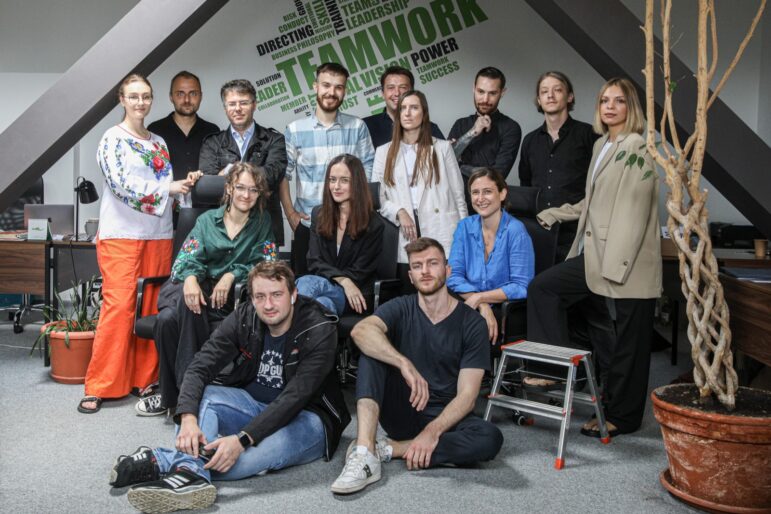
The Kyiv Independent was launched just months before the start of the war in Ukraine. In her keynote address at the CIJ summer conference, the outlet’s editor-in-chief spoke about the challenges of running an investigative project in the midst of conflict, and how the team have battled to make the organization sustainable.
GIJN’s French editor Alcyone Wemaëre spoke with Timothy Large from IPI’s IJ4EU cross-border investigation project to learn an insider’s tips for writing a successful investigative journalism grant proposal.
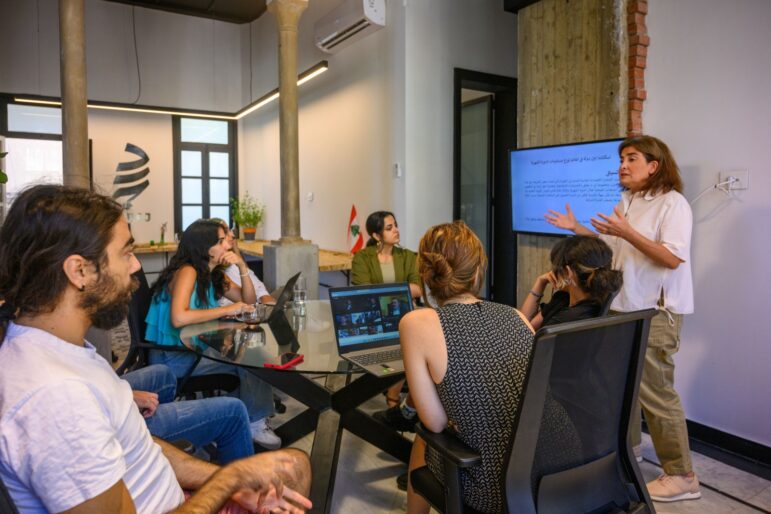
Daraj co-founder Diana Moukalled discusses the outlet’s origins in Lebanon, its impact, its funding, and reporting on women’s rights and corruption across the Middle East.
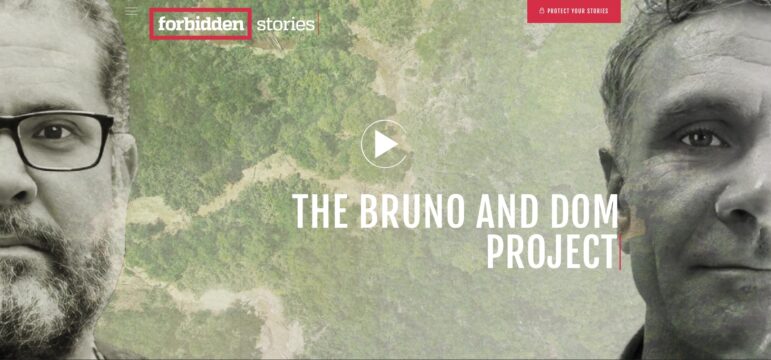
After the British journalist Dom Phillips and the Brazilian Indigenous affairs expert Bruno Pereira were killed, several newsrooms and more than 50 journalists collaborated on Forbidden Stories’ The Bruno and Dom Project, to honor the pair’s legacy and expose illegal activities in the area along the borders of Brazil, Peru, and Colombia, where the men were murdered.
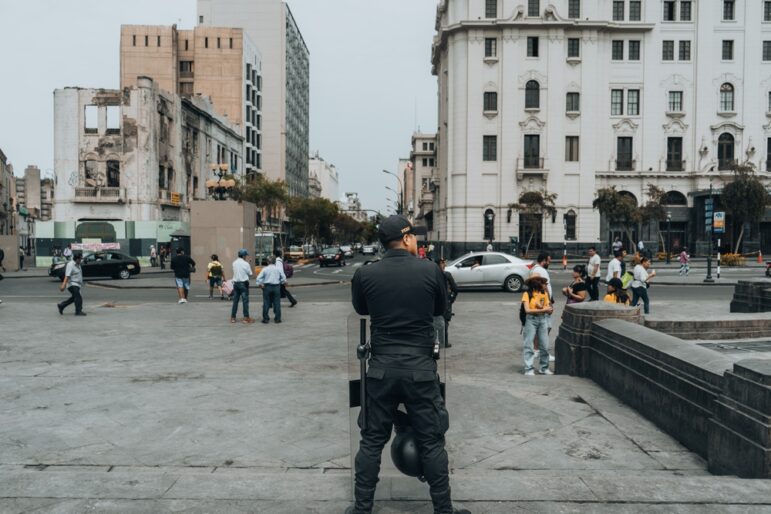
Amidst disinformation and numerous attacks on press freedom, investigative reporting has all but disappeared from Peru’s major news outlets, leaving a handful of small nonprofit digital outlets to carry the mantle of accountability reporting.
Hey, everyone… It’s GIJN’s anniversary! Twenty years ago, a band of nonprofits came together to form a network to support investigative and data journalism around the world. This was at the second Global Investigative Journalism Conference in Copenhagen, back in 2003. Since then — thanks to you — our growth has surprised even us.
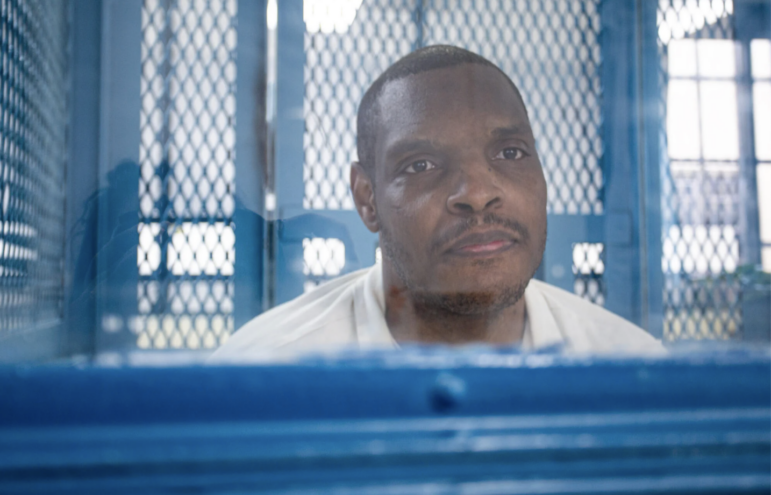
Jason Walker has been continuously incarcerated in the Texas Department of Criminal Justice since 2008, shuffled from unit to unit as the threat to his safety grows. He’s made quite a name for himself inside as a muckraker.
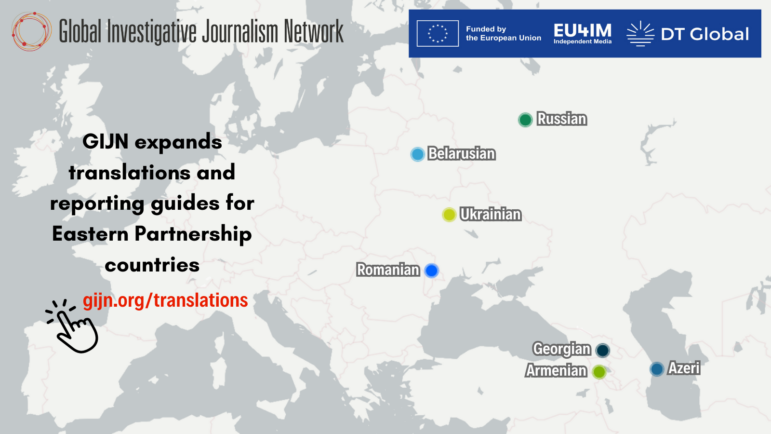
As part of this project, GIJN will work with seven media groups to regionalize GIJN’s global guides and tipsheets, and to compile and add case studies drawn from the included countries.

Gaming and the news have a history, for decades they have been used to increase engagement and reach younger audiences. Here are some tips for getting started with gamification in your next investigation.

At a panel at NICAR 2023, two digital experts discussed tips and techniques for conducting investigations into suspicious websites and their owners.

Award-winning journalist Emilia Díaz-Struck has been named the incoming executive director of the Global Investigative Journalism Network, an association of more than 240 investigative journalism nonprofits throughout the world. Díaz-Struck will join GIJN as editor-at-large in mid-August, and then become executive director in September at the biennial conference of the network in Gothenburg, Sweden, September 19- 22.

Even for journalists who feel they have a good grasp on crypto technology and economics, covering the beat has been undeniably difficult. With over a decade of articles, videos, and podcasts in the rear-view mirror, now is a great time to reflect on some of the hard-learnt lessons of covering the industry.
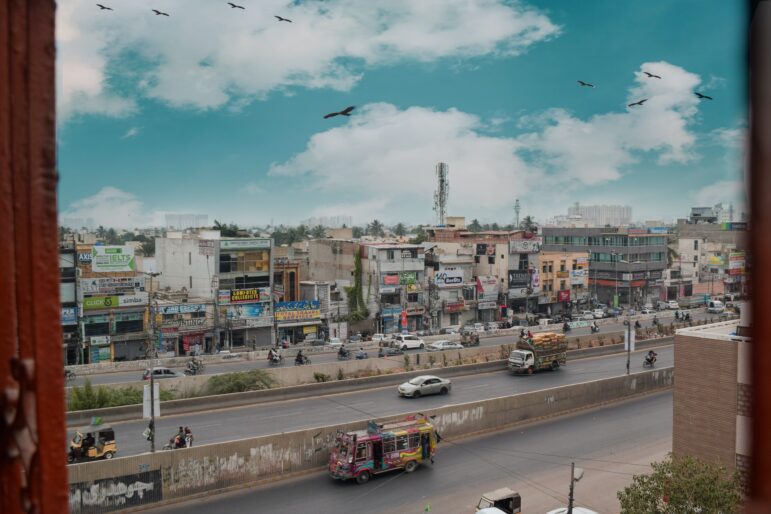
Karachi is Pakistan’s largest city and financial capital, but it is also a place with the dubious reputation of being one of the most unlivable cities in the world. These challenges provide fertile ground for investigative reporting and some of the country’s best stories.

Investigative journalists intending to cover social media and its societial effects must understand the intricacies of the companies that drive them, and think critically about novel angles of coverage.

Swedish reporter Ester Blenda Nordström went undercover to expose working conditions on rural farms, the difficult journeys of migrants traveling to the United States, and to explore the life of the country’s Indigenous Sami community. In this book excerpt, read about the woman dubbed the country’s first investigative reporter.
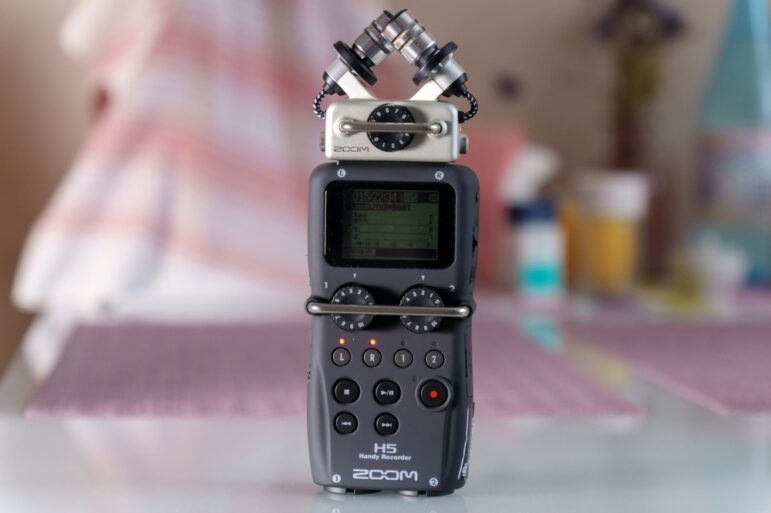
At the International Journalism Festival in Perugia, veteran journalists from Africa and the Middle East discussed the power and intimacy of audio and podcast reporting and how it can enable reporters to better access hard-to-cover stories.
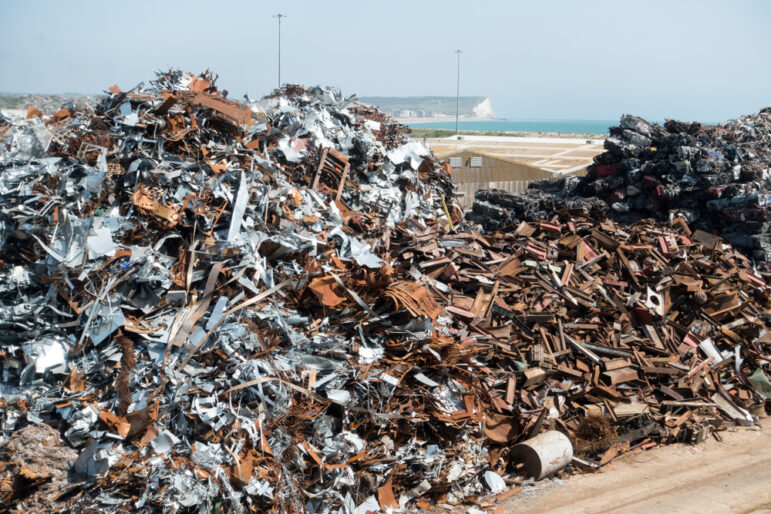
GIJN looks at three different reports from Europe and Latin America that track where our garbage goes around the world and investigate the implications for people and the environment that waste can present.

This week’s Top 10 Data Journalism stories curated by GIJN includes projects on Turkey’s toxic earthquake rubble, Eurovision song metrics, US migration from coastal cities, and world leaders’ heights.
In 2001 GIJN was born, as investigative journalists from around the globe met for the very first time to share ideas, tips, and best practices to strengthen their reporting in a world where journalism was increasingly under threat.
Today the threat has multiplied, and at GIJN we find ourselves under the same pressures as our member organizations. Most urgently: available funding for investigative journalism has been impacted as some longtime funders who supported journalism in the past are no longer doing so or have closed. Yet our work continues, more important than ever before.
GIJN serves as the global hub for the world’s investigative reporters. Our core mission is to support and strengthen investigative journalism—with special attention to those from repressive regimes and marginalized communities.
We are embarking on our first-ever campaign initiative to help us expand our revenue by the end of the year through individual donors. If you have ever joined one of our free webinars, used one of our free resources, learned a new skill thanks to a GIJN training, or simply believe that press freedom is essential to civil society, we ask you to show your support for GIJN’s work with a donation of your choosing. Called “Friends of GIJN,” this campaign includes a more personalized experience, starting in 2027, for individuals who answer the call to join with us during this unprecedented time.
Truth and democracy are under attack around the world. You can fight back by helping GIJN support investigative journalists with free access to the latest tools and techniques — so they can foster justice and hold accountable those who abuse the public trust.
With a staff based in 24 countries, GIJN works in a dozen languages each day, linking together the world’s most enterprising journalists, offering state-of-the-art training, webinars, tip sheets, and a Help Desk that responds to 2,000+ requests for assistance each year. More than 84% of GIJN’s operating budget goes directly to our program work.
Please make a gift today to support journalists on the front lines of the fight for accountability and human rights.