

News & Analysis Reporting Tools & Tips
The Art of the Interview: Tips from BBC Veteran Kirsty Young
The longtime host of the BBC’s beloved interview show, Desert Island Discs, reveals how she disarms poets and politicians alike.
The longtime host of the BBC’s beloved interview show, Desert Island Discs, reveals how she disarms poets and politicians alike.

Journalists and editors from 20 different countries joined GIJN staff at the International Luncheon on Friday, June 21, at the IRE24 Conference in Anaheim, California.

US muckraker Chuck Lewis founded two Pulitzer Prize-winning news organizations, launched innovation incubators, and authored several investigative books.

How a fact-checking collective in India fought misinformation and deepfakes in that country’s recently concluded elections.

Uri Simonsohn, a behavioral scientist who coauthors the Data Colada blog, urges reporters to ask researchers about preregistration and expose opportunities for academic fraud.

Photo editors and AI experts discuss the dangers of generative AI and other synthetic media to visual journalism — and what news organizations can do to reduce them.

The Pulitzer Center discusses how it has developed different methodologies to uncover environmental wrongdoing, adapted to the region, jurisdiction, and industry.

An interview with Rest of World about their 2024 AI Elections Tracker, which looks at media manipulation in voting campaigns across the Global South.

At the 2024 Journalism Practitioners Forum conference (J-Forum) in Japan, watchdog reporters came together to discuss their successful stories and share skills.

The investigations editor of La Nación explores how to get the story out when faced with state-sanctioned opposition to the press and a president who doesn’t return your calls.

AI is revolutionizing the spread of falsehoods. But can this technology also be used to help debunk disinformation campaigns?

Environmental reporters share tips for unraveling the mysteries behind carbon credit projects and government ties to the fossil fuel industry.

The burden of telling the story from Gaza has fallen only on the shoulders of local reporters and the regional news outlets working closely with those on the ground.

GIJN asked speakers and attendees in the NICAR conference hallways for the data journalism gaps they see and for under-covered topic areas newsrooms can address.

Over the past 10 years satellite imagery has become an important component of data journalism. In the next decade, it will likely evolve further.

Offering insights on how to evaluate and understand the outcomes provided by publicly accessible AI detectors that are available for free or at low cost.

Four reporters share how they investigated extreme abuses of power at Mississippi sheriff’s offices and offer tips to help other journalists do similar work.

Smaller investigative news outlets have been behind challenging and impactful accountability reporting leading up to the country’s elections.
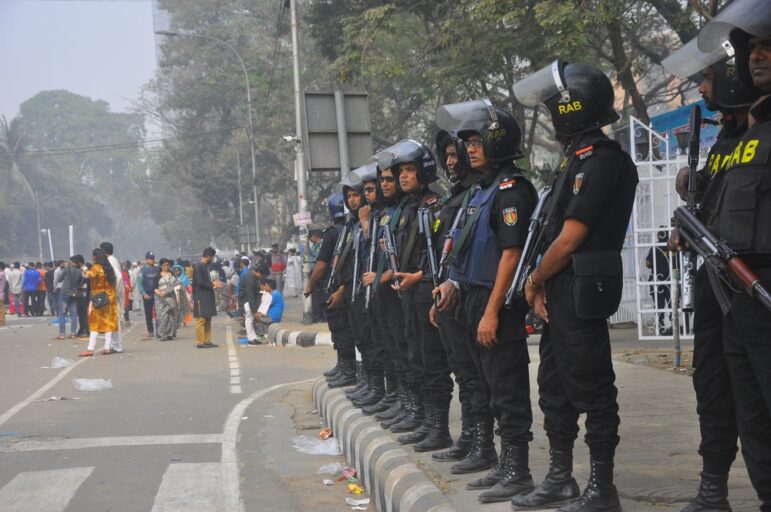
Netra News Editor-in-Chief Tasneem Khalil speaks about his experience as a journalist working from exile.
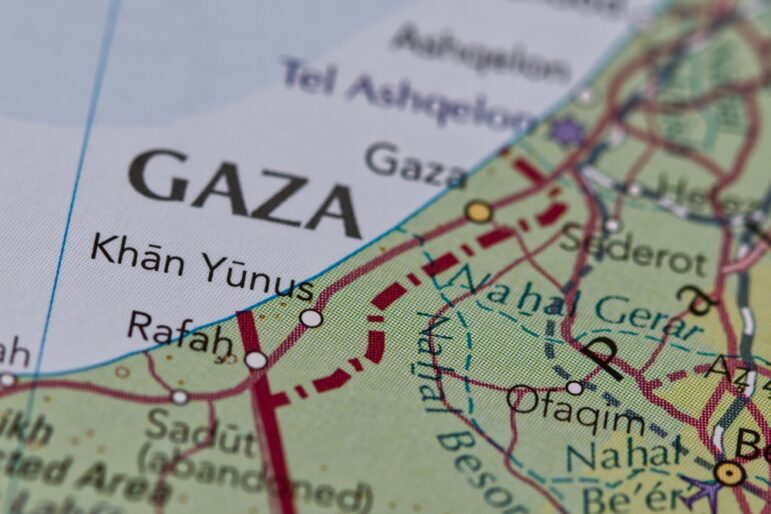
To show how investigative journalism can still be done in such a perilous reporting environment, here is a selection of some of the best investigations that have been produced so far on the Gaza conflict.
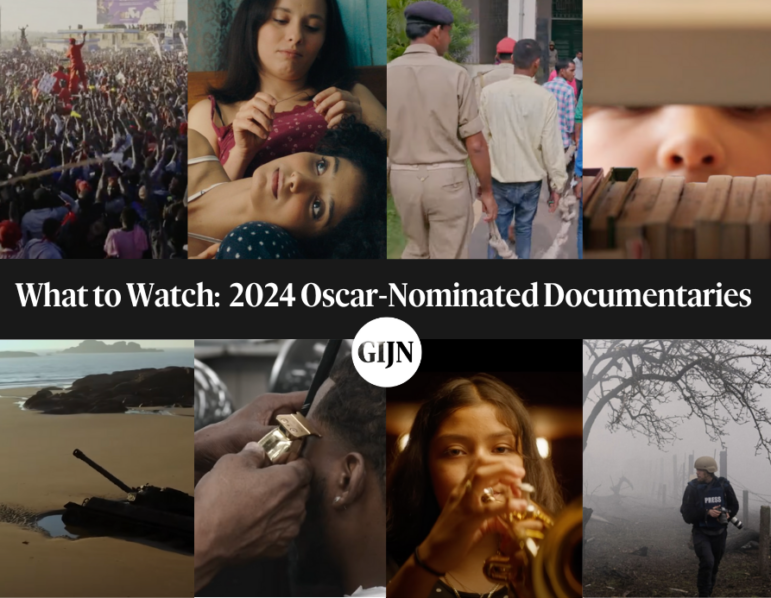
While the Oscars are known for glitz and glamor, recognition here bestows a higher level of prestige and, in many cases, can bring urgent or in-depth reporting to a global audience.
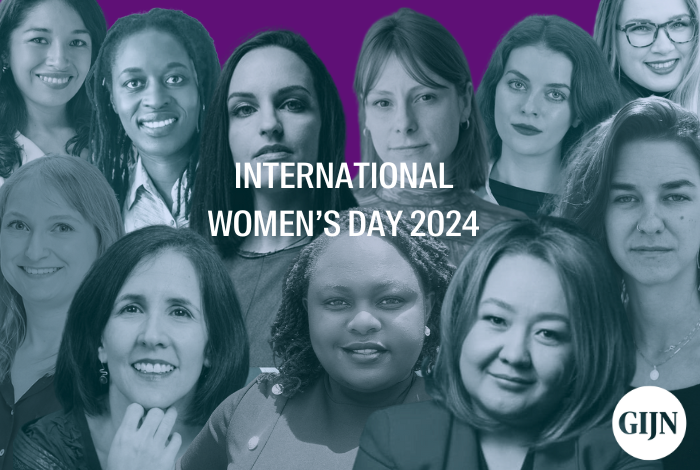
GIJN’s global team spoke with women investigative journalists about their election coverage best practices.

Collaborating with Vienna’s Volkstheater, Austrian investigative outlet Dossier is bringing its reporting to the stage.

Publications like Russia’s The Insider have found their investigative reporting caught between state censorship and hostile online platform dynamics.
What happened when 80 climate change journalists and experts met to discuss the future role of investigative journalism in climate crisis reporting.
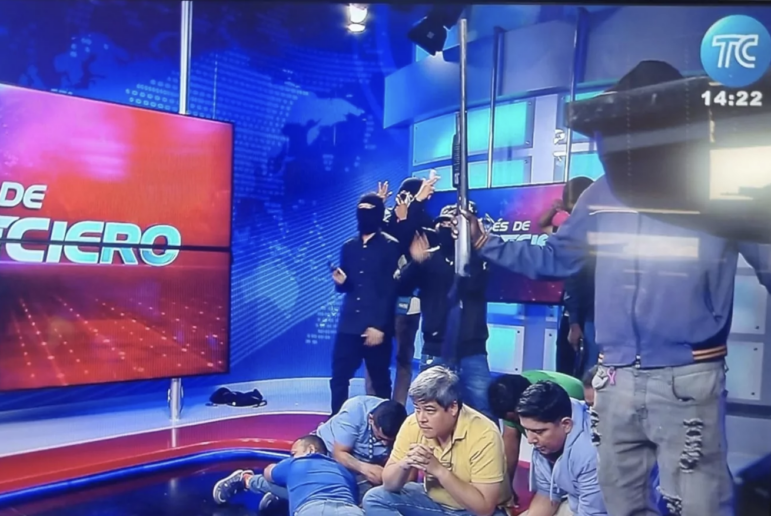
The investigative reporter Paúl Mena Mena speaks about the worsening security crisis in Ecuador.
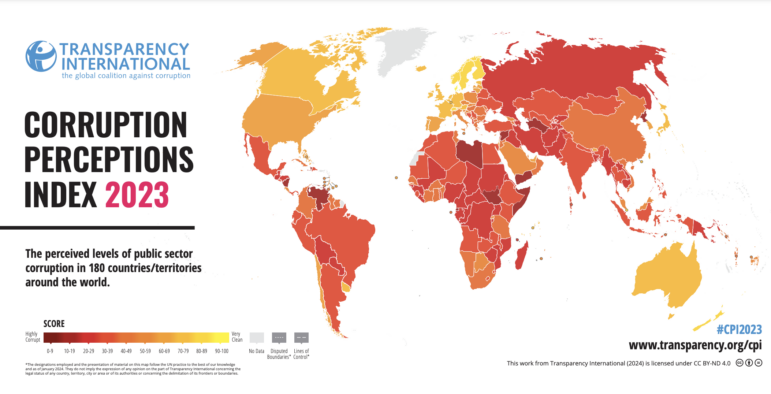
Transparency International released its 2023 Corruption Perceptions Index, which found that more than two-thirds of countries worldwide suffer from serious corruption issues.

Our annual round-up of audio delights, as reviewed by GIJN’s global team. Featuring stories from US, Mexico, France, Germany, and the UK.
In 2001 GIJN was born, as investigative journalists from around the globe met for the very first time to share ideas, tips, and best practices to strengthen their reporting in a world where journalism was increasingly under threat.
Today the threat has multiplied, and at GIJN we find ourselves under the same pressures as our member organizations. Most urgently: available funding for investigative journalism has been impacted as some longtime funders who supported journalism in the past are no longer doing so or have closed. Yet our work continues, more important than ever before.
GIJN serves as the global hub for the world’s investigative reporters. Our core mission is to support and strengthen investigative journalism—with special attention to those from repressive regimes and marginalized communities.
We are embarking on our first-ever campaign initiative to help us expand our revenue by the end of the year through individual donors. If you have ever joined one of our free webinars, used one of our free resources, learned a new skill thanks to a GIJN training, or simply believe that press freedom is essential to civil society, we ask you to show your support for GIJN’s work with a donation of your choosing. Called “Friends of GIJN,” this campaign includes a more personalized experience, starting in 2027, for individuals who answer the call to join with us during this unprecedented time.
Truth and democracy are under attack around the world. You can fight back by helping GIJN support investigative journalists with free access to the latest tools and techniques — so they can foster justice and hold accountable those who abuse the public trust.
With a staff based in 24 countries, GIJN works in a dozen languages each day, linking together the world’s most enterprising journalists, offering state-of-the-art training, webinars, tip sheets, and a Help Desk that responds to 2,000+ requests for assistance each year. More than 84% of GIJN’s operating budget goes directly to our program work.
Please make a gift today to support journalists on the front lines of the fight for accountability and human rights.