

Stories
3173
posts

GIJN Bookshelf: 7 Investigative Titles to Read in 2022
This latest installment of the GIJN Bookshelf includes recommendations from our global editorial team, and features titles on uncovering COVID-19 corruption, tracking the assassination of a reporter, a historical look at a pioneering female investigative journalist, and unraveling the mystery of disappearing jumbo jet that shocked the world.
Data Journalism
Data Journalism Top 10: Protesting the War, Russian Sanctions, Mapping Refugees, and NICAR Tips
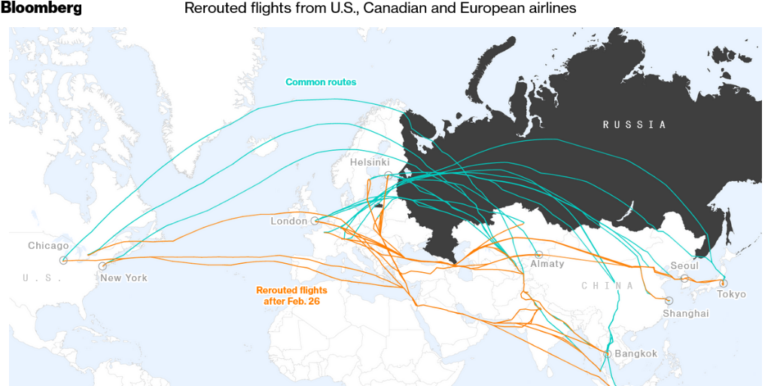
Data teams across the globe are still focused on Russia’s invasion of Ukraine, with The Economist examining the anti-war protests that have brought Russian citizens to the streets. Others have looked at the impact of flight bans, or been producing trackers to monitor and assess the sanctions that have been imposed as a result of Russian President Vladimir Putin’s order to go to war.

Teaching & Training
GIJN Webinar for African Journalists: Using the Latest Online Tools for Investigation
In this online webinar, free of charge for journalists across Africa and beyond, we bring together four journalism experts from Google News Lab, Code for Africa, Transparency International Kenya’s Media Tech Hub and GIJN, who will share their tips and advice about great online tools for journalists.

News & Analysis
Lessons Learned from Journalists Facing Attacks and Persecution
Latin American journalists have faced threats, attacks, and court proceedings just for doing their work. In a GIJN webinar, three leading investigative reporters recounted their experiences and gave their tips on how to face up to these challenges.

GIJN Webinar: Tips and Tools from Women Investigators
In this GIJN webinar, we bring together three journalists who will offer resources and tips for investigating issues that directly affect women, and that have historically been under-reported. They will offer tips and tools to reporters working in very different contexts, share their advice, and suggest important areas that need to be investigated.
Data Journalism
Data Journalism Top 10: Tracking Russia’s War, Ukraine’s Refugees, COVID-19 Polarization, Clothing Waste, Banh Mi
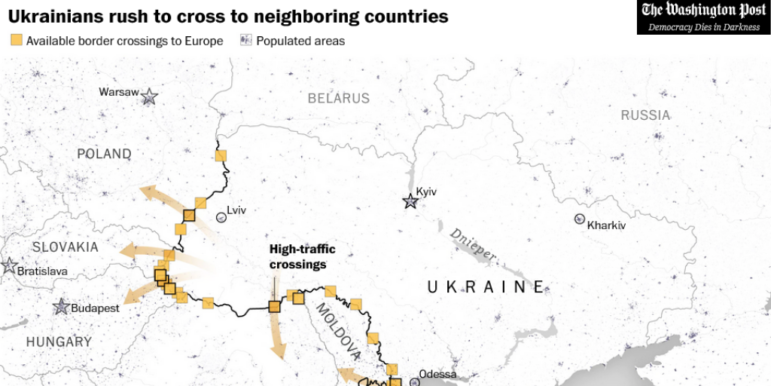
Our weekly round-up of the most popular data journalism stories on Twitter features an item from The Washington Post on refugees crossing Ukraine’s borders, an examination of vaccine hesitancy in the US, a look at how the coronavirus pandemic has changed life in the UK, and mapping the price of the Vietnamese staple of bánh mì in Australia.
Data Journalism
Data Journalism Top 10: Ukraine-Russia Conflict, Suisse Secrets, Figure Skating Quads, and Data Journalism Survey
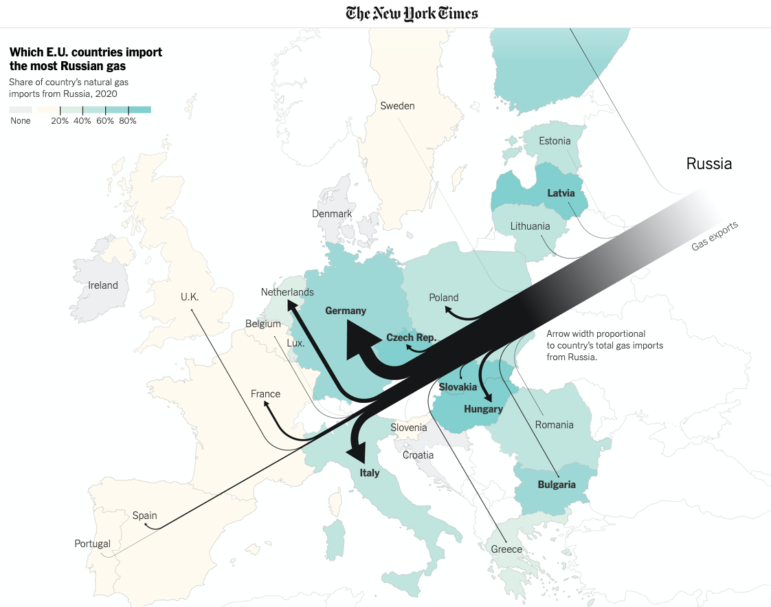
This week’s curation of the most popular data journalism stories on Twitter features a breakdown of Russia’s export ties to Europe, a global collaborative investigation led by Süddeutsche Zeitung and OCCRP into a Swiss bank leak, results from DataJournalism.com’s 2021 State of Data Journalism survey, and a New York Times report on the quadruple jump revolution in women’s figure skating.

How They Did It News & Analysis
How They Did It: Revealing the Final, Frantic Calls of Tunisia’s Dictator
GIJN Arabic interviews BBC reporter Emir Nader about how his investigative team verified the leak of Tunisian President Zine El Abidine Ben Ali’s final, frantic phone calls before his 23-year-long dictatorship crumbled in 2011 at the start of the Arab Spring uprising.

News & Analysis
GIJN and Netzwerk Recherche Launch GIJN Deutsch
The Global Investigative Journalism Network and Netzwerk Recherche, Germany’s association of investigative journalists, are pleased to announce the launch of GIJN Deutsch, an editorial office and resource center for German-speaking journalists in Germany, Austria, and Switzerland.

Data Journalism
Data Journalism Top 10: Olympic Bias, Electric Vehicles, Redlining’s Legacy, and Pandemic Violence
Our weekly curation of the most popular data journalism stories on Twitter looks at the US transition from gas-powered to electric vehicles, the legacy of racially discriminatory housing practices, and an analysis of judging bias in Olympic ski jumping.

Investigative Techniques Reporting Tools & Tips
Journalists’ Guide to Using AI and Satellite Imagery for Storytelling
Satellite imagery provides information that can enhance the ability to write compelling narratives about the state of our planet, cutting across multiple beats. But such a tool tends to be complex and out of the reach for many journalists, so this guide offers a process that reporters interested in covering the climate crisis can use for story projects.

GIJN Webinar: Journalists Under Attack
This GIJN webinar brings together three extraordinary journalists on the front lines in Latin America, a region that is especially dangerous for our profession. Journalists everywhere can learn from them: they have fought legal battles, been tracked with intrusive spyware, and received death threats for their work. How do they work and what do they do to better ensure their safety and security?

Case Studies News & Analysis
Afghanistan’s Watchdog Journalists Turn to Leaks and Offshore Sites
In the aftermath of the repressive Taliban regime’s takeover of Afghanistan, some newsrooms fully relocated abroad — but some reporters remained behind, and leak critical stories about the government to their partners in exile.

GIJN Webinar: Climate & Accountability: Investigating Methane Emissions
In this GIJN webinar, we bring together two senior reporters and two experts who will offer tools and techniques to identify specific methane emitters, find the data, and look closely at measurement systems. They will also present tips and resources to research what companies and governments are doing to reduce methane emissions.

News & Analysis Reporting Tools & Tips
Reporter Katie McQue’s Tips for Covering Migrant Workers in Arab Gulf States
Katie McQue, a British freelance journalist that spent five years reporting from Dubai covering human rights and migration alongside her “business” beats of energy, healthcare, and finance, speaks to GIJN about her work and the best practices reporters can adopt when covering forced labor and human trafficking in the region.
Data Journalism
Data Journalism Top 10: Misrepresenting Women, Bubble Tea, and India’s Nightingale
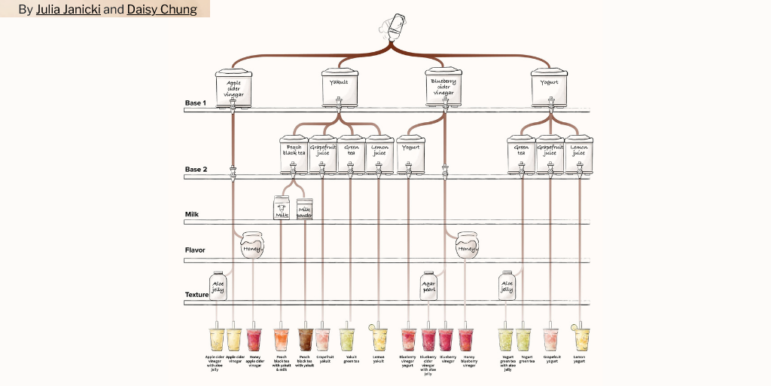
Our weekly NodeXL curation of the most popular data journalism stories on Twitter includes a look at how women in the headlines can be used to perpetuate existing stereotypes, an examination of how large pockets of unvaccinated individuals are driving the pandemic in the US, and a fun make-your-own bubble tea interactive adventure.
Data Journalism Methodology News & Analysis
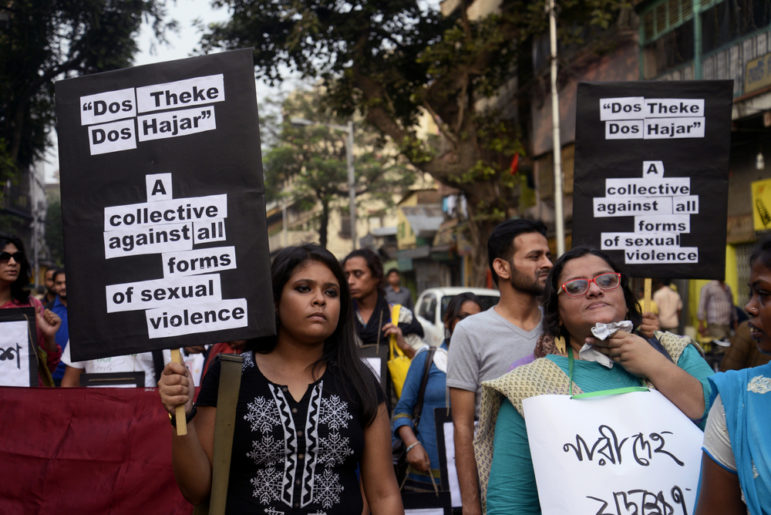
Tips for Investigating Hate Crimes and Violence When Government Data Sources Fail
Journalist Rachel Chitra used news reports to build a database on hate crimes and violence in India. Here she gives tips for reporters facing a data gap, and offers lessons learned from her research about how journalists can reliably step in to gather, clean, and publish data when the government fails to keep track of important information.
Case Studies News & Analysis
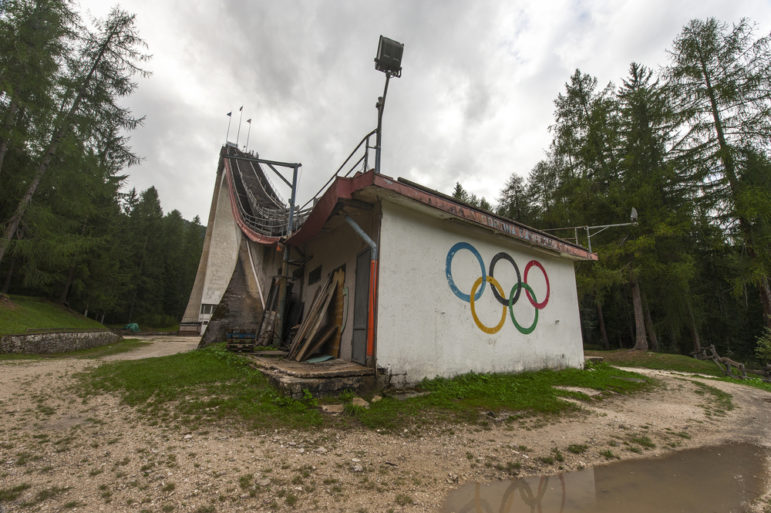
8 Lessons from Investigations into the Olympics
In the following curated list, we highlight eight impactful investigative stories involving past Olympic events that each hold valuable tips for journalists digging into athletic mega-events today.

Member Profiles
Killing the Messenger Won’t Kill the Message: The Investigative Center of Ján Kuciak
Ján Kuciak was building a name for himself with his investigations on corruption when he was shot dead alongside his fiancée — the first targeted killing of a journalist in Slovakia’s modern history. A collective of reporters worked together to publish his final story, and then set up an investigative journalism center in his name.
Data Journalism
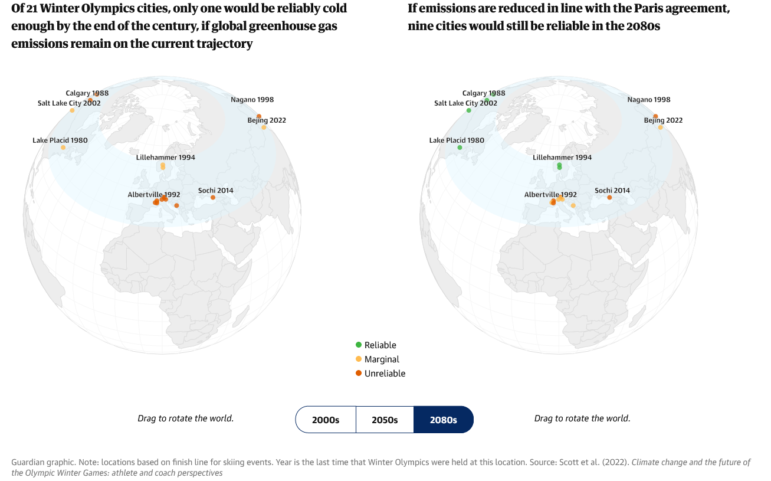
Data Journalism Top 10: Snowless Winter Olympics, Food’s Carbon Footprint, Illegal Mining
Our weekly NodeXL curation of the most popular data journalism stories on Twitter features several climate change-related stories: snowless Winter Olympics, a look at the carbon footprint of popular food, how the world’s largest beef producer is fueling deforestation in the Amazon, and a Climate Promise Detector project reviewing the stance of presidential candidates on climate change in Costa Rica.

Member Profiles
CORRECTIV, Germany’s First Nonprofit Newsroom, Leads With Innovative Journalism
CORRECTIV boasts a €4 million annual budget, a staff of 60, and has become one of the world’s largest nonprofit centers for investigative journalism. As founder David Schraven had hoped, the outlet has delivered blockbuster investigations and trained aspiring journalists, as well as staged plays and exhibitions inspired by current affairs that serve to bridge the gap between art and news.

News & Analysis Safety & Security
Brazil: 5 Questions for a Reporter Investigating Bolsonaro’s Scandals
Due to her tenacity in scrutinizing Brazilian president Jair Bolsonaro’s family’s transactions, reporter Juliana Dal Piva is a constant target of attack by the president’s supporters. Here, she describes the security measures, collaboration, and persistence needed to keep the spotlight on autocrats in repressive environments.


Case Studies News & Analysis Reporting Tools & Tips
Q & A: Investigating Police Responses to Homelessness
Data reporter Melissa Lewis is interviewed about a recent podcast for Reveal, which investigated what happens when local residents call police on unhoused people in their neighborhood, analyzing arrest data across six major US West Coast cities with large homeless populations.
Data Journalism
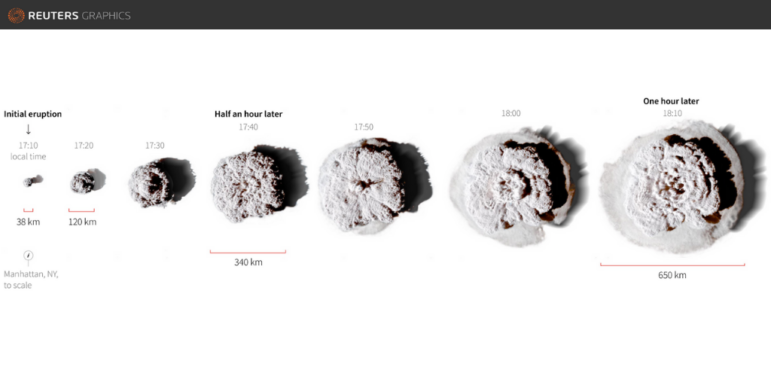
Data Journalism Top 10: Tonga’s Volcano, US Congress & Slavery, Mapping Ukraine, British Teeth
Many of the lawmakers who made up the historical ranks of the United States Congress had a personal relationship with slavery with more than 1,700 being slaveowners, according to an analysis by The Washington Post. Our weekly NodeXL curation of the most popular data journalism stories on Twitter also features a visualization of the size of the Tonga eruption, an analysis of how Twitter is being used ahead of a high-stakes election in the Philippines, and a critique of some of the maps used to illustrate the situation on the Russia-Ukraine border amid fears of a military incursion.

News & Analysis Safety & Security
How Secure Are Journalists’ Favorite Transcription Tools?
While there is no single service that meets all of our data privacy needs, here two experts unpack security and privacy practices for popular transcription services, weigh when journalists should use remote transcription services, and explore how to minimize risk when working with sensitive audio.