

Tipsheet Data Journalism Reporting Tools & Tips
Tipsheet for Using Ocean Data in Your Investigations
Investigations into what happens on, under, and around the ocean can often be answered thanks to the vast amount of data available online.
Investigations into what happens on, under, and around the ocean can often be answered thanks to the vast amount of data available online.

There can be confusion among journalists about “mass shootings” data, which leads to wildly different numbers and deeper confusion among audiences.
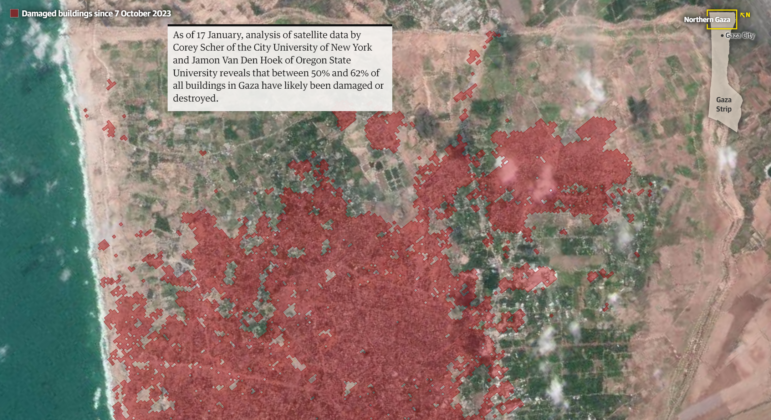
Gaza’s urban landscape has changed profoundly since the start of Israel’s military campaign. Researchers Jamon Van Den Hoek and Corey Scher have been mapping the impact.
Our column of the best in data journalism also features stories on AI’s ability to forecast the weather, analyzing the Argentine president’s Tweetstorms, and apathetic EU voters.

Data journalist and instructor Paul Bradshaw has updated the Inverted Pyramid of Data Journalism — and brought together resources for every stage.

The investigative data journalist touches on his work interrogating social media algorithms and how reporters can determine what is a worthwhile story to pursue.

Sigma Awards executive director talks with GIJN on how the data journalism has evolved and where it’s likely to go next.
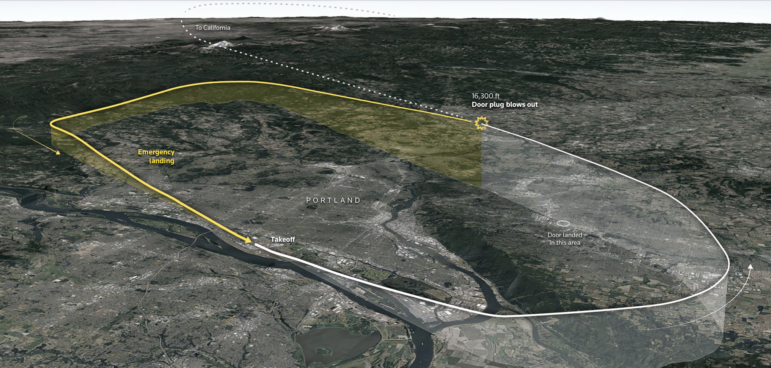
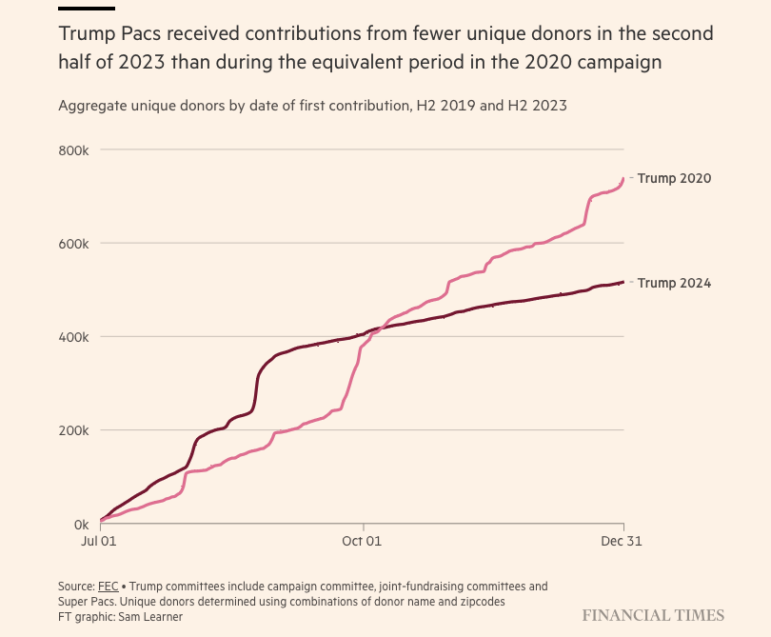
With pieces on the global campaign landscape, airplane accidents, European snowfall, and the toll of the ongoing Israel-Hamas conflict in Gaza.

How the team at Kontinentalist use data and creative data storytelling to tell nuanced stories that highlight the diversity of Asia.

The best of modern data journalism tells powerful stories that test assumptions. At GIJC23, two experts discussed strong recent investigations and what makes them stand out.
Investigative journalists often face the challenge of reviewing and combining large documents or data in text forms. This can be very exhausting and labor intensive.

What do you do when you don’t get the dataset you need from authorities, or it doesn’t exist? Two experts provided tips at GIJC23.
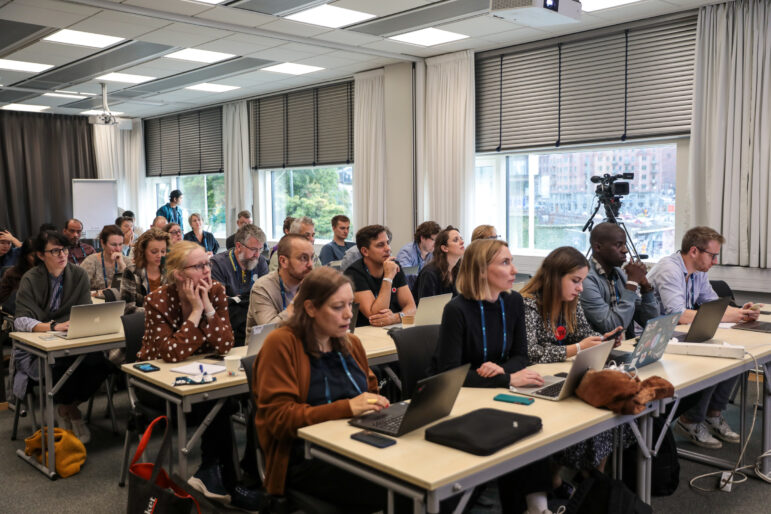
Knowing where to look for data — and accessing it via scraping data from websites — can be a powerful force multiplier for investigative journalists.
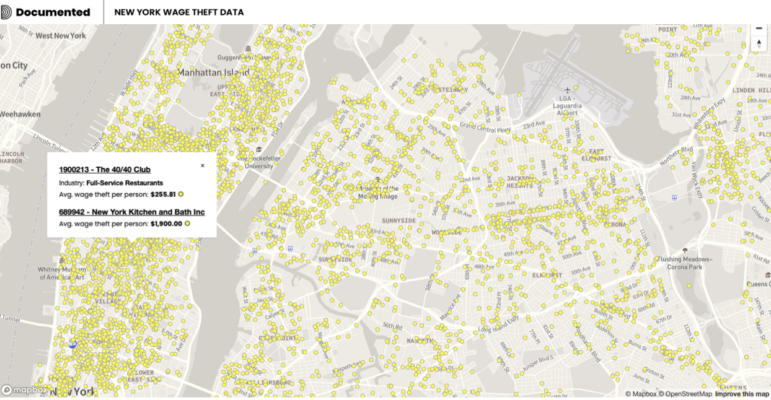
Featuring wage theft mapping in New York, the alarming rise in US airliner near misses, Russia’s brain drain, and a historical analysis of the Great Kantō earthquake in Japan 100 years ago.
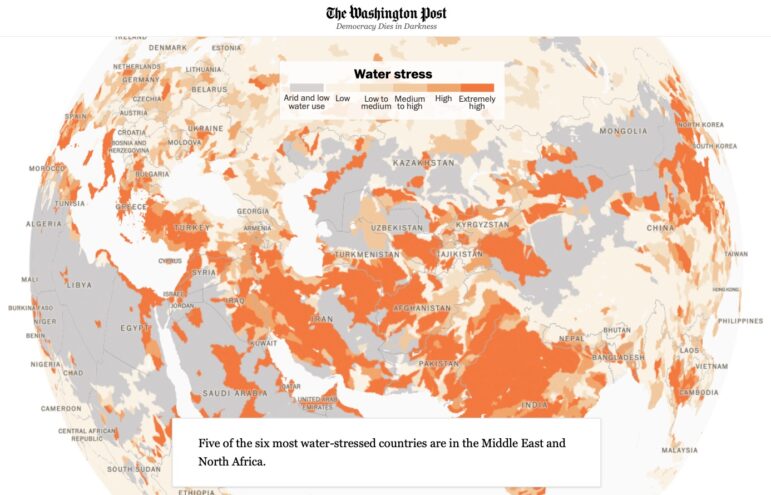
With stories about global water stress, the boom in fentanyl trafficking at the US-Mexico border, the devastating fires in Maui, and strategies for taking penalty kicks.
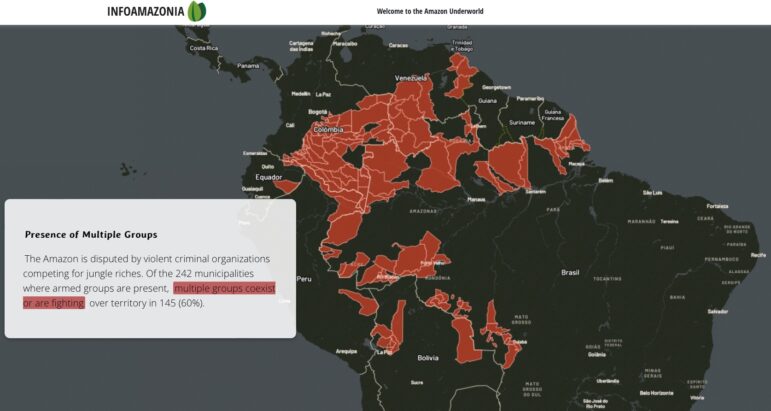
This edition highlights a cross-border exposé of the different underworld groups operating in the Amazon’s border areas, and a look at the global impact of violence from US gun exports.
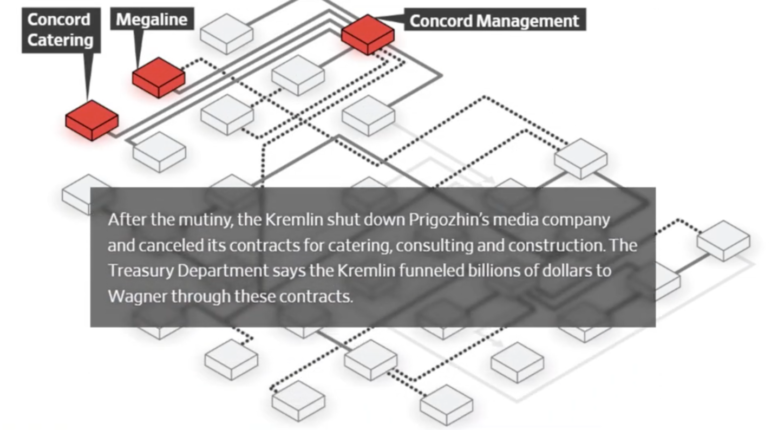
GIJN’s weekly round-up of the Top 10 in Data Journalism looks at the Wagner Group’s vast corporate network in Russia, the many careers of Barbie, and Spain’s surprising election results.
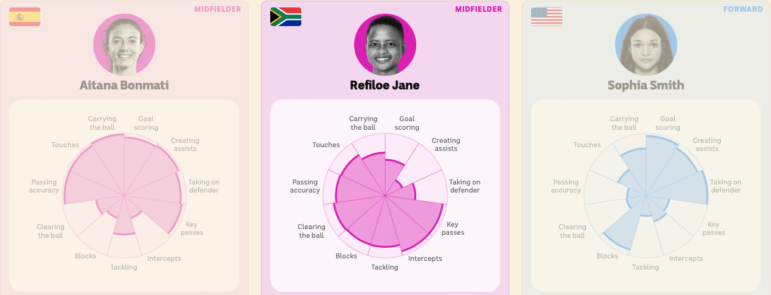
This week’s column features stories on the record-breaking global heat, popular French baby names, Russia’s war dead, and the likely breakout stars of the 2023 FIFA Women’s World Cup.
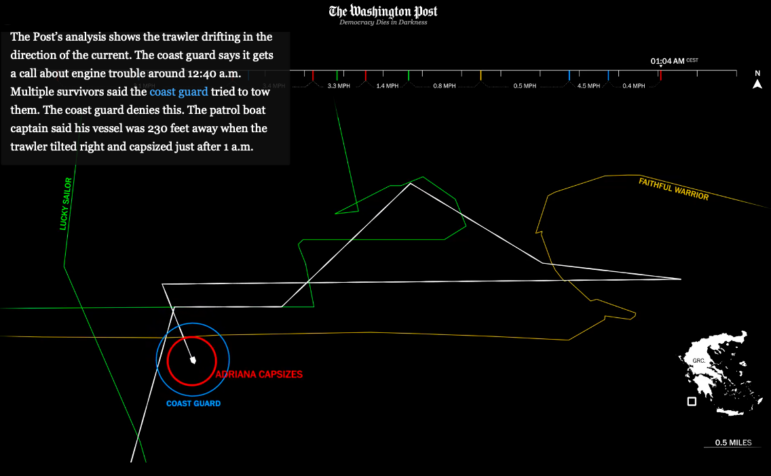
This week’s Top 10 in Data Journalism looks into a deadly migrant tragedy in the Mediterranean, nepotism in US politics, French police brutality, and record-breaking global warming.

At the Online Journalism Blog, data journalism expert Paul Bradshaw analyzed 100 pieces of data that journalists use and found that there are several common story angles.
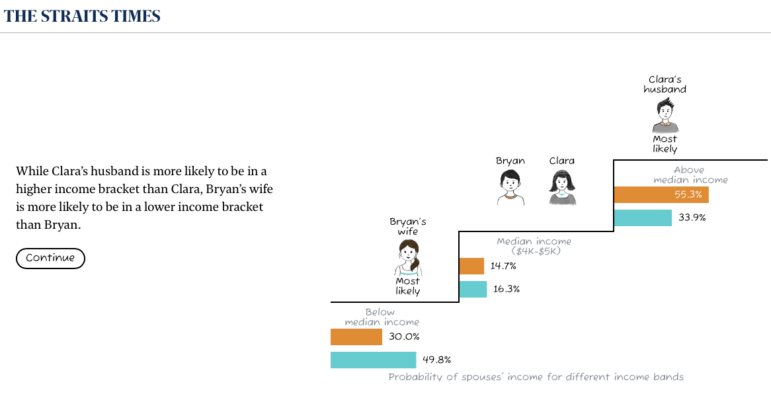
This week in GIJN’s Top 10 in Data Journalism, we highlight stories on marital status across Spain, tropical deforestation around the world and, especially, the Amazon, and gender income disparities in Singapore.
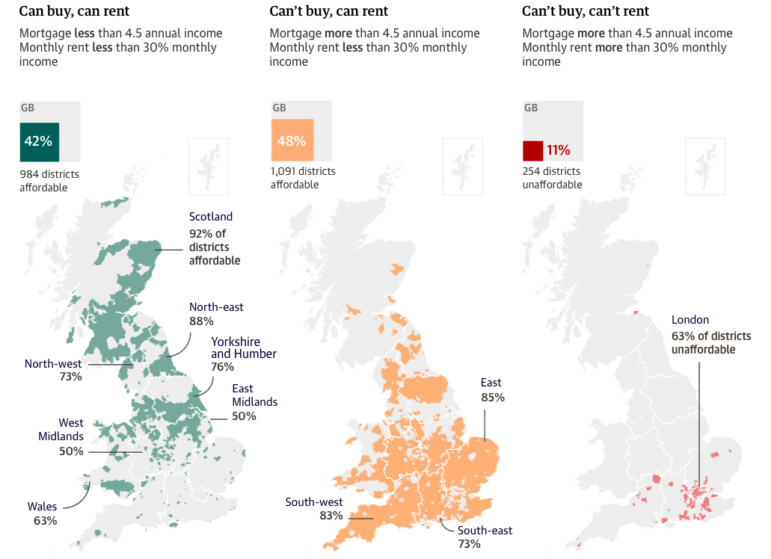
In this week’s Top 10 in Data Journalism, GIJN looks at the perilous state of UK housing affordability, tabulating a true Russia casualty count, and the common traits among US banned books.
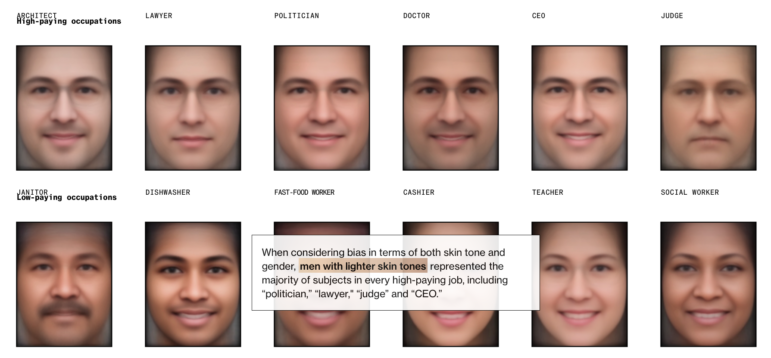
In this week’s Top 10 in Data Journalism, GIJN features a look at racial and gender bias in generative AI, how targeted advertising labels consumers, remote work trends post-pandemic, and the nascent Korean space industry.
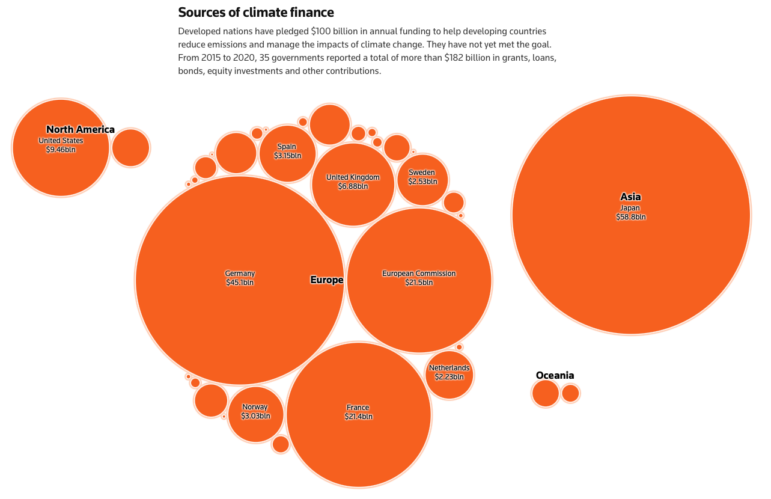
In this week’s Top 10 in Data Journalism, GIJN features a look at dodgy climate finance deals, a hidden fleet of ships moving Russian oil, and the historical rise and fall of ransom kidnappings in Argentina.
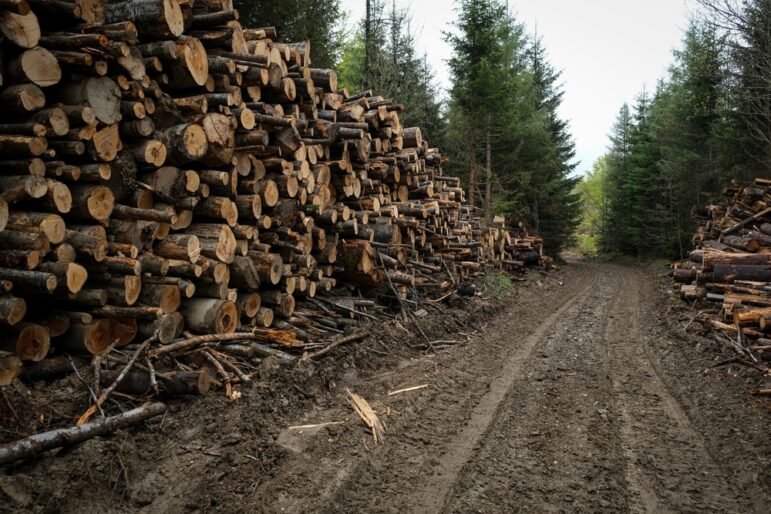
The latest cross-border investigation by the ICIJ — Deforestation Inc. — used thousands of pages of documents, court records, green certificates databases, trade data, and audit reports to expose how a lightly regulated sustainability industry overlooks forest destruction and human rights violations.
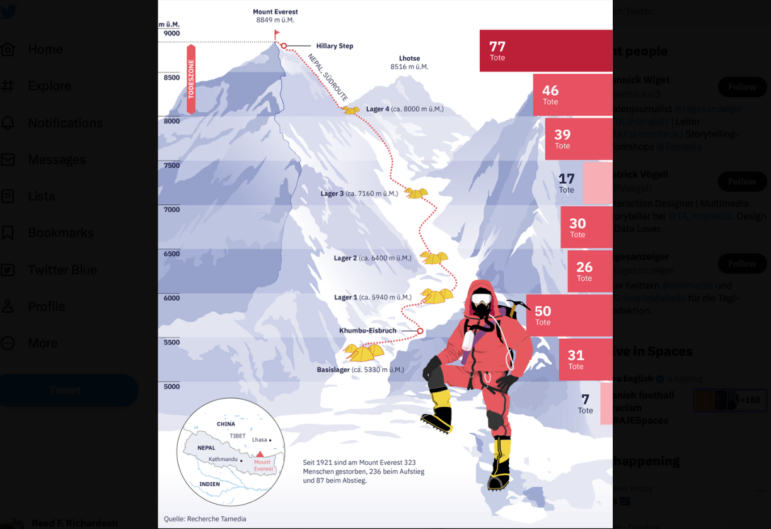
This week, GIJN’s Top 10 in Data Journalism examines why the world’s tallest mountain has become increasingly deadly for those trying to climb it, pollution in Paris metro stations, US laws expanding gun access one year after the Uvalde mass shooting, and migrant worker struggles in Singapore.
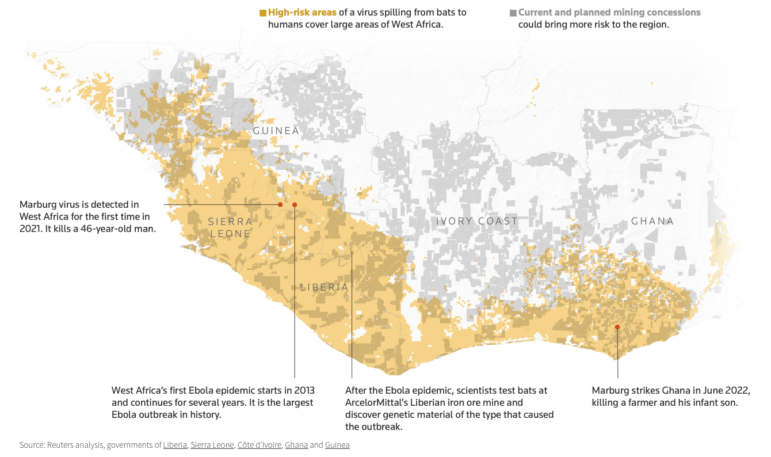
GIJN’s weekly, curated look at the Top 10 in Data Journalism highlights bats and predicting the location of the next pandemic, China’s electric battery dominance, and mapping out Brazil’s healthcare “holes.”
In 2001 GIJN was born, as investigative journalists from around the globe met for the very first time to share ideas, tips, and best practices to strengthen their reporting in a world where journalism was increasingly under threat.
Today the threat has multiplied, and at GIJN we find ourselves under the same pressures as our member organizations. Most urgently: available funding for investigative journalism has been impacted as some longtime funders who supported journalism in the past are no longer doing so or have closed. Yet our work continues, more important than ever before.
GIJN serves as the global hub for the world’s investigative reporters. Our core mission is to support and strengthen investigative journalism—with special attention to those from repressive regimes and marginalized communities.
We are embarking on our first-ever campaign initiative to help us expand our revenue by the end of the year through individual donors. If you have ever joined one of our free webinars, used one of our free resources, learned a new skill thanks to a GIJN training, or simply believe that press freedom is essential to civil society, we ask you to show your support for GIJN’s work with a donation of your choosing. Called “Friends of GIJN,” this campaign includes a more personalized experience, starting in 2027, for individuals who answer the call to join with us during this unprecedented time.
Truth and democracy are under attack around the world. You can fight back by helping GIJN support investigative journalists with free access to the latest tools and techniques — so they can foster justice and hold accountable those who abuse the public trust.
With a staff based in 24 countries, GIJN works in a dozen languages each day, linking together the world’s most enterprising journalists, offering state-of-the-art training, webinars, tip sheets, and a Help Desk that responds to 2,000+ requests for assistance each year. More than 84% of GIJN’s operating budget goes directly to our program work.
Please make a gift today to support journalists on the front lines of the fight for accountability and human rights.