
News & Analysis
Credibility Is the New Currency. And that’s Good for Independent Media
Communications lecturer and former Columbus Dispatch business journalist James Breiner on how credibility works to the advantage of independent media.
Communications lecturer and former Columbus Dispatch business journalist James Breiner on how credibility works to the advantage of independent media.

The Middle East is one of the most dangerous places in the world to be an investigative journalist. Which makes this list of top stories from 2017 by GIJN’s Arabic editor, Majdoleen Hassan, that much more impressive.

From laundromats to propaganda factories, GIJN’s Russian-language editor, Olga Simanovych, rounds up some of the most outstanding investigations out of the Former Soviet Union countries in 2017.
Authoritarian governments have cleverly used the liberal norm of transparency in order to shut down liberal groups in their countries, according to a new report “Distract, Divide, Detach: Using Transparency and Accountability to Justify Regulation of Civil Society Organizations.”

Emerson College’s Catherine D’Ignazio says defining story “problem” — that is how to tell it and on what platform — from a systems perspective can help journalists and news organizations understand their role within those systems and what form their intervention might take.
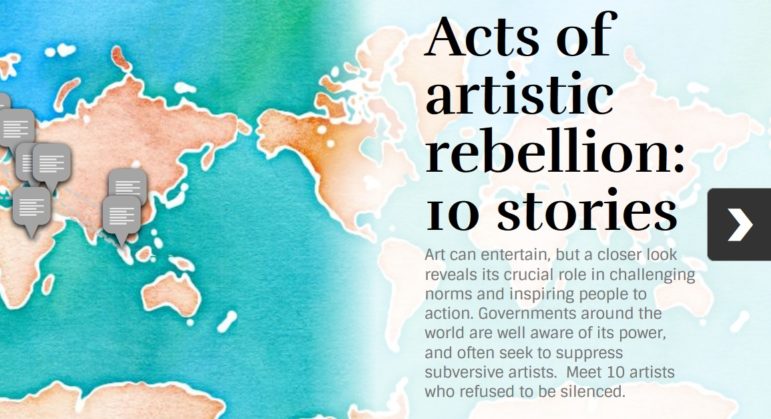
Graffitied pigs, a viola player, a painting of a war zone, underground music, a president as a clown. These are just some of the subversive art works that in the last year have resulted in artists’ imprisonment, prosecution, bans and threats.

Governments have arsenals of weapons to censor information. The worst are well-known: detention, torture, extra-judicial killing or surveillance. Another form of censorship gets limited attention, a kind of quiet repression: the travel ban.

After the 2008 economic crisis, western media companies sold their interests in the Czech Republic’s biggest media houses, radio stations and newspapers to Czech and Slovak billionaires. But the concentration of media in the hands of a few powerful owners has had an unexpected, positive impact. It has led to the emergence of smaller, independent investigative journalism sites, as well as new initiatives to fund them.
It’s been a year since “post-truth” was chosen as Word of the Year by Oxford Dictionaries, but the sentiment still resonates. In China, we’ve encountered shifting public opinion, fake news and heavy censorship, but we also saw stories that remind us there are journalists who never give up the pursuit of truth. Here’s a selection of China’s best investigative stories from 2017 — from child abuse to misconduct by major companies — curated by GIJN’s Chinese team.
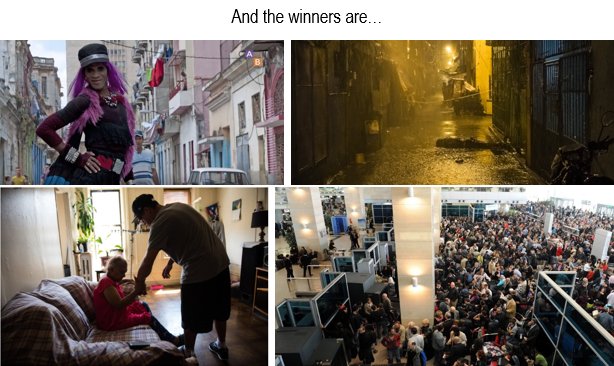
Drawn from a selection of 15 global and regional journalism awards, this list of best reads from 2017 is an inspiring selection of storytelling, investigative techniques, collaborative enterprises and fearless reporting against all odds.
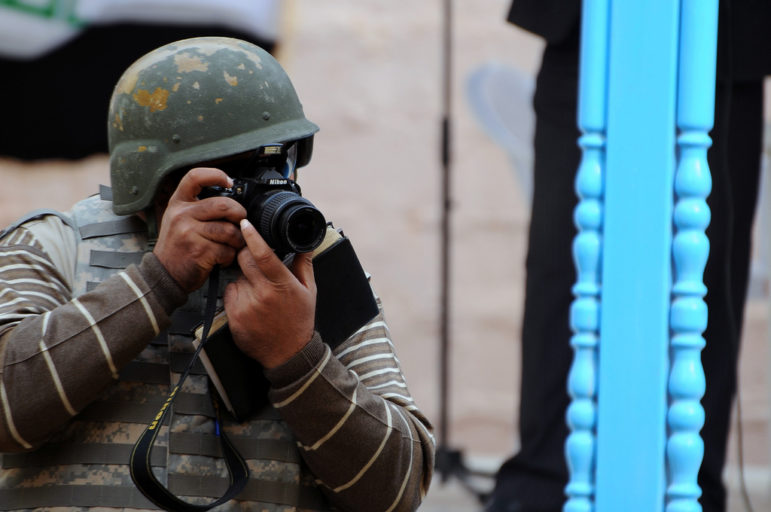
A study by Iraqi professor Dr Bushra Al-Hamdani found that journalists in Iraq are often targeted by either pro-government militias or militant opposition groups and have little protection against threats. They also face legal obstacles and a lack of government transparency.

Worked hard to produce investigative projects this past year? Consider submitting your story for these prominent journalism awards, which are listed below and ordered by the nearest deadline. But hurry, some deadlines are coming soon!
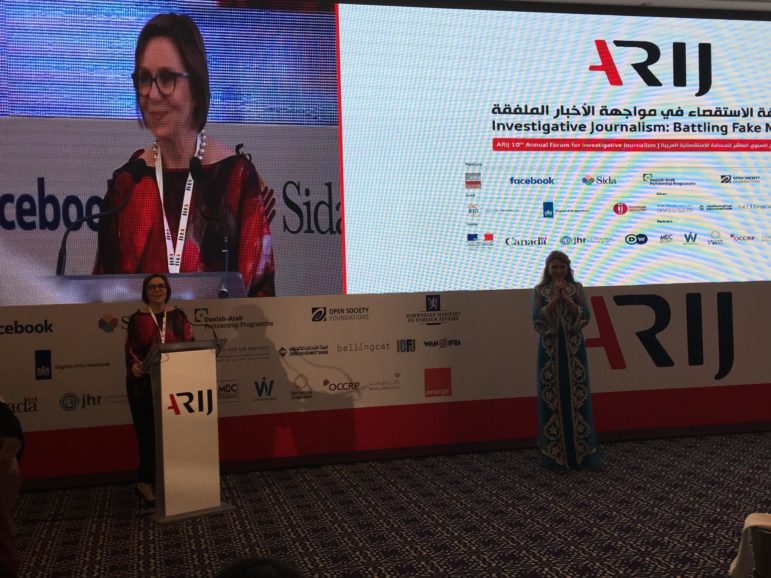
Journalists from Egypt, Yemen and Jordan who exposed human rights abuse and state-run mass surveillance took top prizes for the best investigations in print, film and multimedia in 2017 at the 10th Forum for Arab Investigative Journalists this weekend.
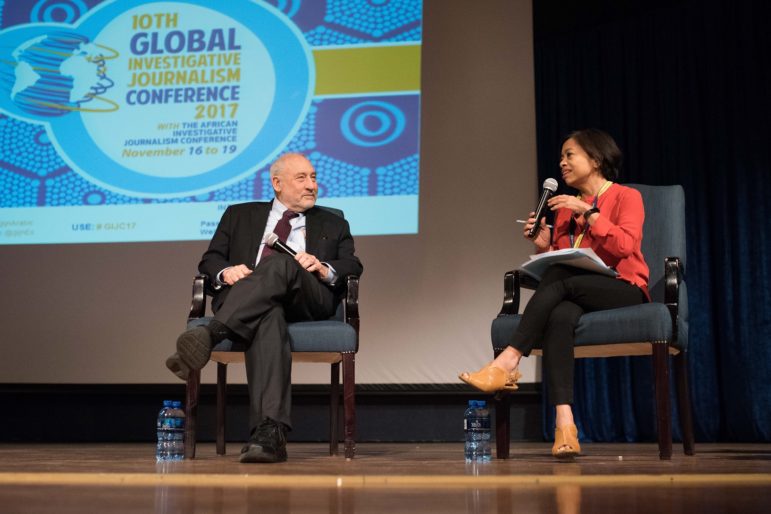
At the keynote event of the 2017 Global Investigative Journalism Conference, Nobel Prize-winning economist Joseph Stiglitz addresses speaks on “Media Power in a Post-Truth World.” Stiglitz is interviewed by Sheila Coronel, academic dean of the Columbia Journalism School.

This week, some 400 Arab journalists will be meeting at Jordan’s Dead Sea for the 10th Annual Arab Investigative Journalism Forum. Rana Sabbagh writes about the Arab world’s fake news epidemic — and how some Arab journalists are fighting back.
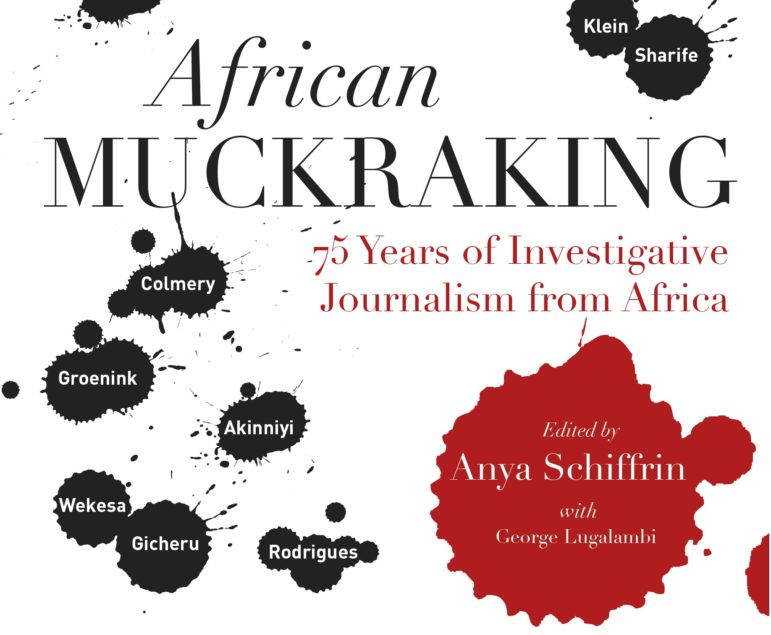
Launched at #GIJC17, African Muckraking: 75 Years of Investigative Journalism from Africa is a collection of investigative and campaigning journalism written by Africans about Africa. This collection of 41 pieces of African journalism includes passionate and committed writing on labour abuses, police brutality, women’s rights, the struggle for democracy and independence on the continent. Here’s an excerpt from the book.

And we’re off! This evening in Johannesburg at the University of the Witwatersrand, we’ll be kicking off four days of unadulterated investigative journalism. For those of you who couldn’t make it to Joburg, here’s how to follow us from home, as well as highlights of #GIJC17.

The Institute for Press and Society and Transparency International for Latin America and the Caribbean awarded the Latin American Prize for Investigative Journalism to the Salvadoran newspaper El Faro for its work “Why Do 90% of Child Rapes Go Unpunished?”

Every four days, a journalist is killed somewhere in the world. This data comes from UNESCO, which estimates that between 2006 and 2016, 930 journalists were killed worldwide. On Wednesday, the Committee to Protect Journalists released their 10th annual Global Impunity Index, just before the International Day to End Impunity for Crimes Against Journalists on November 2.

Investigative journalism in Jamaica — and across the Caribbean — has never truly thrived. But a recent training project aimed at tackling the issue by empowering ordinary citizens to hold authorities to account.
Recent shifts in Japan’s legislation have threatened the country’s history of free expression and undermined Japan’s democratic principles. But there are signs of hope. In September, two crucial supporters of investigative journalism in the country were honored by the Foreign Correspondents’ Club of Japan.

In the midst of a slew of emerging newsroom titles, the Knight Center for Journalism in the Americas is offering a free, four-week online product management for journalists course from October 16. Professor Cindy Royal talked to GIJN about the essential role many newsrooms didn’t even know they’d been missing.
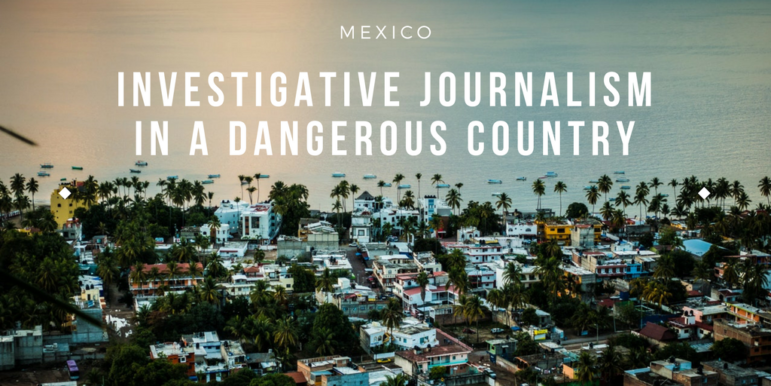
Adela Navarro is the director of the weekly news magazine, Zeta, one of the only outlets in Mexico to regularly report on drug trafficking, corruption and organized crime. Over her 27-year career she has seen colleagues killed for their reporting, and lives and works under constant threat. She writes about the crucial role investigative journalists play in Mexico.

At the 12th Congress of Investigative Journalism in São Paulo this summer, journalists tackled the issue of fake news and safety for journalists in Latin America.

While precarious employment, low pay and trumped up defamation lawsuits means Italian journalists are under increasing financial pressure, it’s the constant threat from mafia and organized crime that is putting reporters at risk and making in-depth reporting that much more difficult.
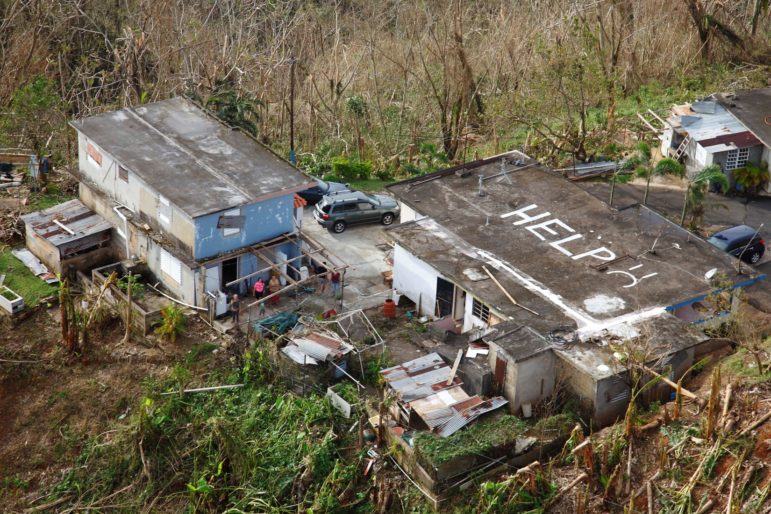
In the wake of Hurricane Maria’s devastating impact on Puerto Rico, amid shortages of food, water and electricity, international and local media have set up shop in the island’s Convention Center, creating a de facto newsroom where officials give press conferences and citizens look for resources. Among those leading the way are journalists from GIJN member Centro de Periodismo Investigativo.

At a time when press freedom is deteriorating in many states participating in the Organization for Security and Cooperation in Europe, having a voice to raise journalist cases and hold governments to account is vital. In a recent interview, the organization’s new Freedom of the Media representative Harlem Désir discusses his plans and explains why he is prioritizing journalist safety, fighting impunity and combating violent extremism online.

Mongolia held its first international investigative reporting conference earlier this month, drawing over 100 attendees from 10 countries, including trainers from Germany, Japan and the United States. The event recognized the enterprising work being done by local journalists while launching Central Asia’s first nonprofit investigative newsroom, the Mongolian Centre for Investigative Journalism.
In 2001 GIJN was born, as investigative journalists from around the globe met for the very first time to share ideas, tips, and best practices to strengthen their reporting in a world where journalism was increasingly under threat.
Today the threat has multiplied, and at GIJN we find ourselves under the same pressures as our member organizations. Most urgently: available funding for investigative journalism has been impacted as some longtime funders who supported journalism in the past are no longer doing so or have closed. Yet our work continues, more important than ever before.
GIJN serves as the global hub for the world’s investigative reporters. Our core mission is to support and strengthen investigative journalism—with special attention to those from repressive regimes and marginalized communities.
We are embarking on our first-ever campaign initiative to help us expand our revenue by the end of the year through individual donors. If you have ever joined one of our free webinars, used one of our free resources, learned a new skill thanks to a GIJN training, or simply believe that press freedom is essential to civil society, we ask you to show your support for GIJN’s work with a donation of your choosing. Called “Friends of GIJN,” this campaign includes a more personalized experience, starting in 2027, for individuals who answer the call to join with us during this unprecedented time.
Truth and democracy are under attack around the world. You can fight back by helping GIJN support investigative journalists with free access to the latest tools and techniques — so they can foster justice and hold accountable those who abuse the public trust.
With a staff based in 24 countries, GIJN works in a dozen languages each day, linking together the world’s most enterprising journalists, offering state-of-the-art training, webinars, tip sheets, and a Help Desk that responds to 2,000+ requests for assistance each year. More than 84% of GIJN’s operating budget goes directly to our program work.
Please make a gift today to support journalists on the front lines of the fight for accountability and human rights.