
Tech & AI
What We Learned Building a Chatbot for La Silla Vacía’s Newsroom Archive
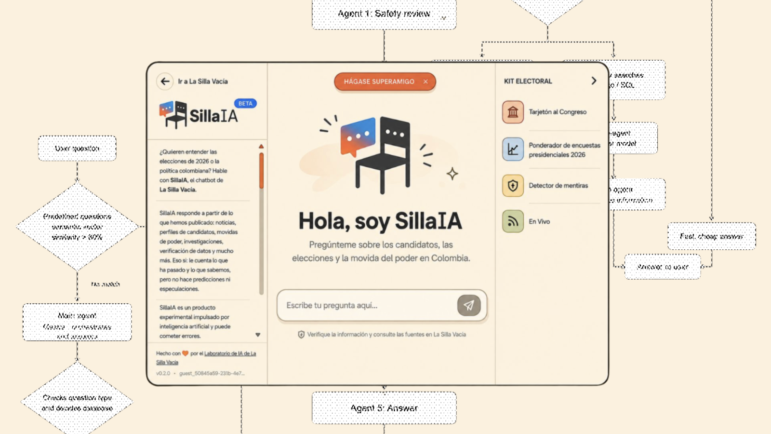
We spent 12 months building an AI tool for our independent news site in Colombia. Here’s what it taught us about running a newsroom in the age of AI.
We spent 12 months building an AI tool for our independent news site in Colombia. Here’s what it taught us about running a newsroom in the age of AI.
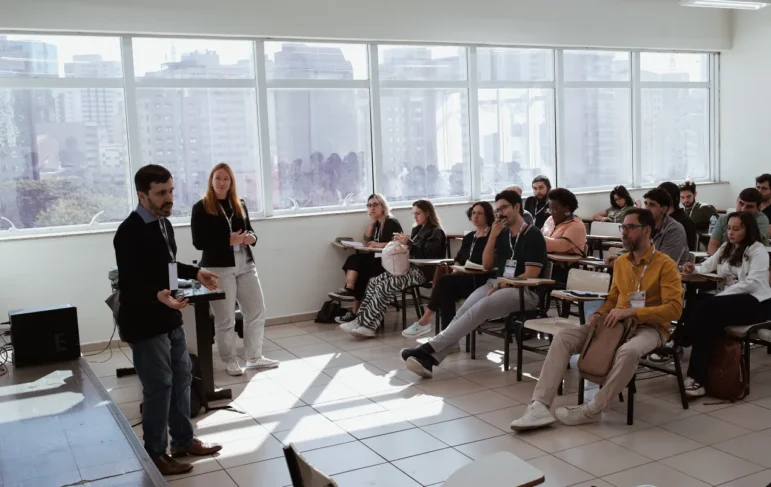
Journalist Léo Arcoverde started a blog in 2015 publishing one story a day based on information obtained through Brazil’s new access-to-information law. The initiative eventually became Fiquem Sabendo.
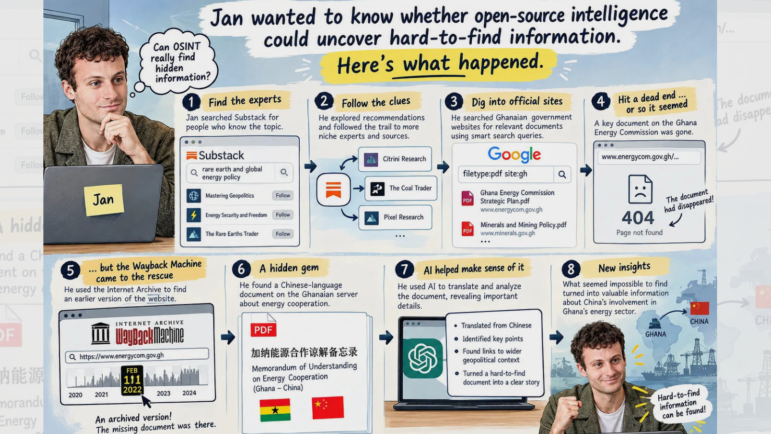
A step-by-step guide to investigating online across the world, including how to find material from dead government links, and tracking down material in languages that you do not speak.
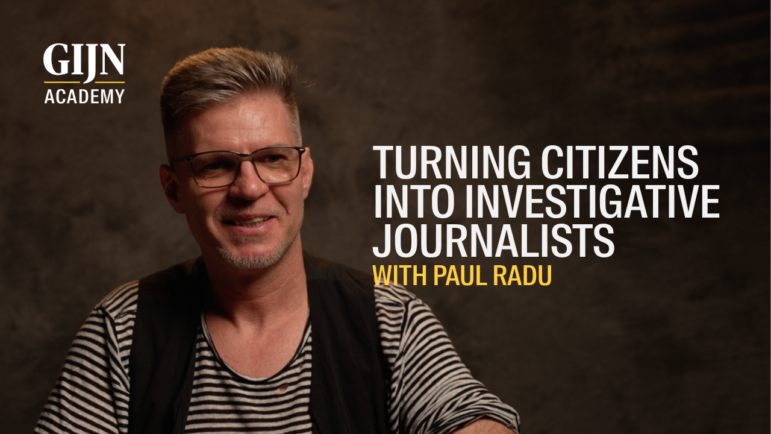
In this masterclass video, Paul Radu, co-founder and chief of the Organized Crime and Corruption Reporting Project (OCCRP), shares his vision for turning ordinary citizens into investigative journalists.
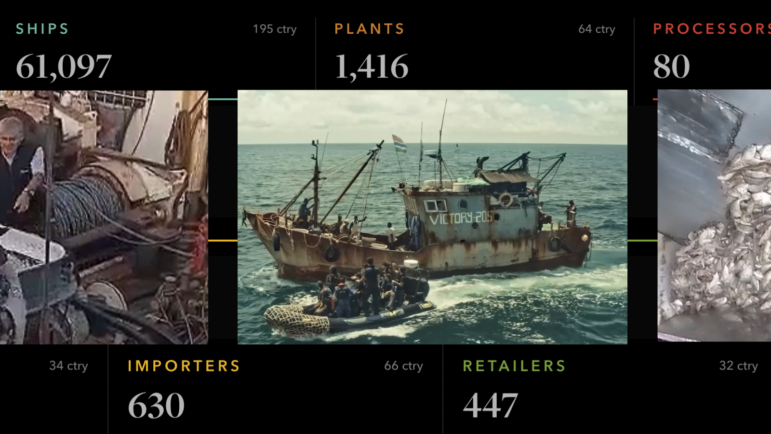
Over the past five years, an international team of journalists at The Outlaw Ocean Project has examined the largely overlooked $313-billion food-for-feed aquaculture industry.
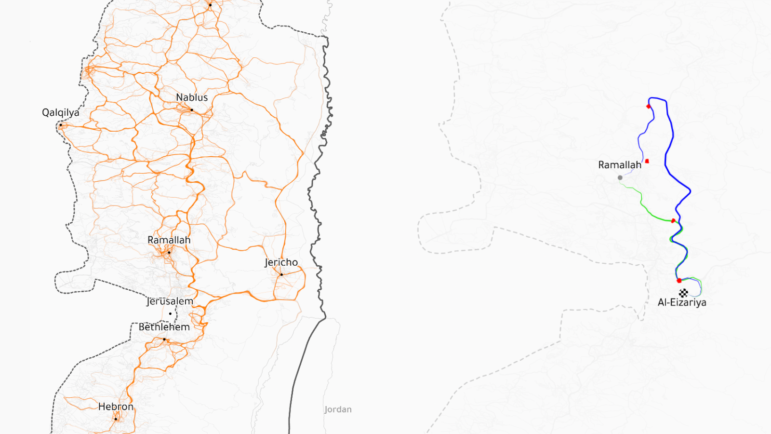
Also highlighting how pro-Russian channels fabricated a mass migration threat in Ukraine, charting South Africa’s micro schools, and how beliefs in an afterlife vary around the world.
This course, back by popular demand, is built around collecting both qualitative and quantitative data, digital research, and information extraction, and will enable participants to strengthen their investigations and diversify their sources.
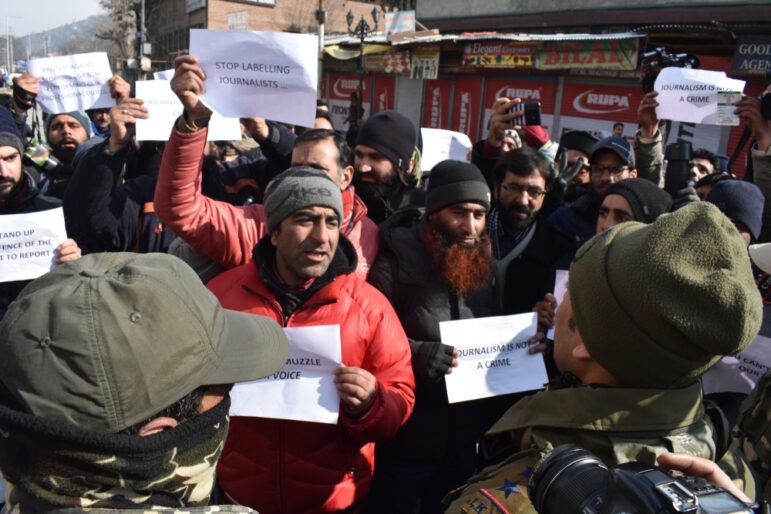
Operating a newsroom hundreds or thousands of miles away from a country presents a challenge: how do journalists deliver accurate, reliable news to audiences when reporters can’t safely be on the ground?
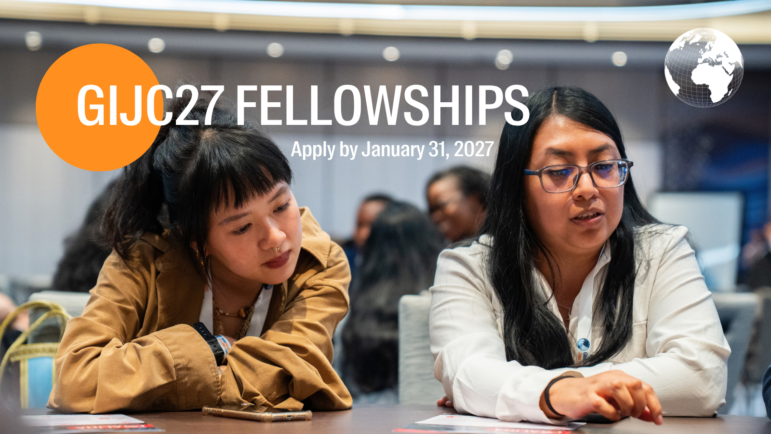
More than 100 journalists from across the Global South received financial aid to attend our last global conference, apply now for the opportunity to attend GIJC27 on a fellowship.
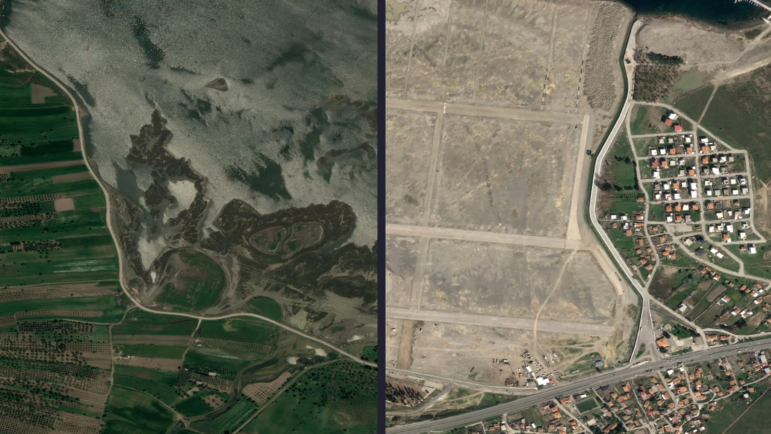
These exposés from Europe, South America, the Philippines, and the United States combined innovative data analysis with on-the-ground reporting to uncover critical environmental issues.

OCCRP’s research director offers up a series of tips and techniques to help reporters safely and effectively build a profile of whoever they are looking for.
Award-winning journalist Vladimir Thorik discusses reporting in an oft-overlooked part of Europe and how he approaches exposing the long reach of Russia on his native country and its neighbors.
Alia Ibrahim, the co-founder and CEO of Daraj, discusses the impact of her organization’s investigative journalism — and how expanding its audience is critical for the future of news.
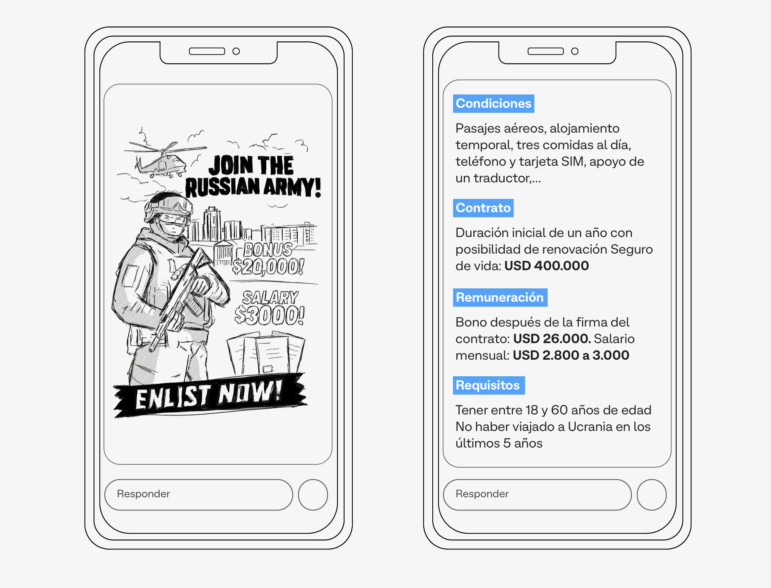
Also highlighting social media attacks against Brazil’s female political candidates and investigating Myanmar’s jade trade.

Despite sharing certain instincts, investigative journalists have different strengths, weaknesses and characteristics. Some prefer to be left alone, others do their most powerful work when part of a team.

Technology is rapidly rewriting the nature of war and conflict, investigative reporters need new resources and reporting strategies so they can keep up.

There is a central tension facing investigative journalists: the “AI and tech paradox.” Explore our report on the most urgent technology-related challenges facing investigative journalism today.
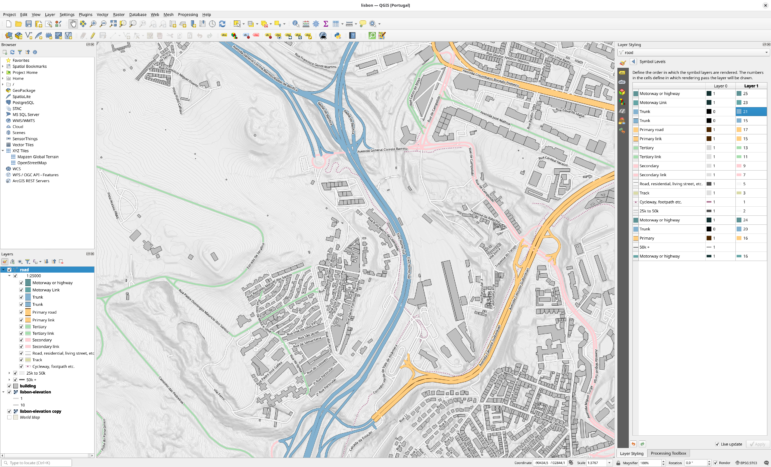
The open source desktop geographic information system software QGIS can be a powerful tool for investigative journalists. This resource takes you from the basics to advanced data mapping.

This reporting guide helps investigative journalists understand some of the nitty-gritty of the technology underlying AI and to give them a framework through which they can examine it.

Featuring advice on fact checking, digital security tips, interview techniques, and guidelines for editors.
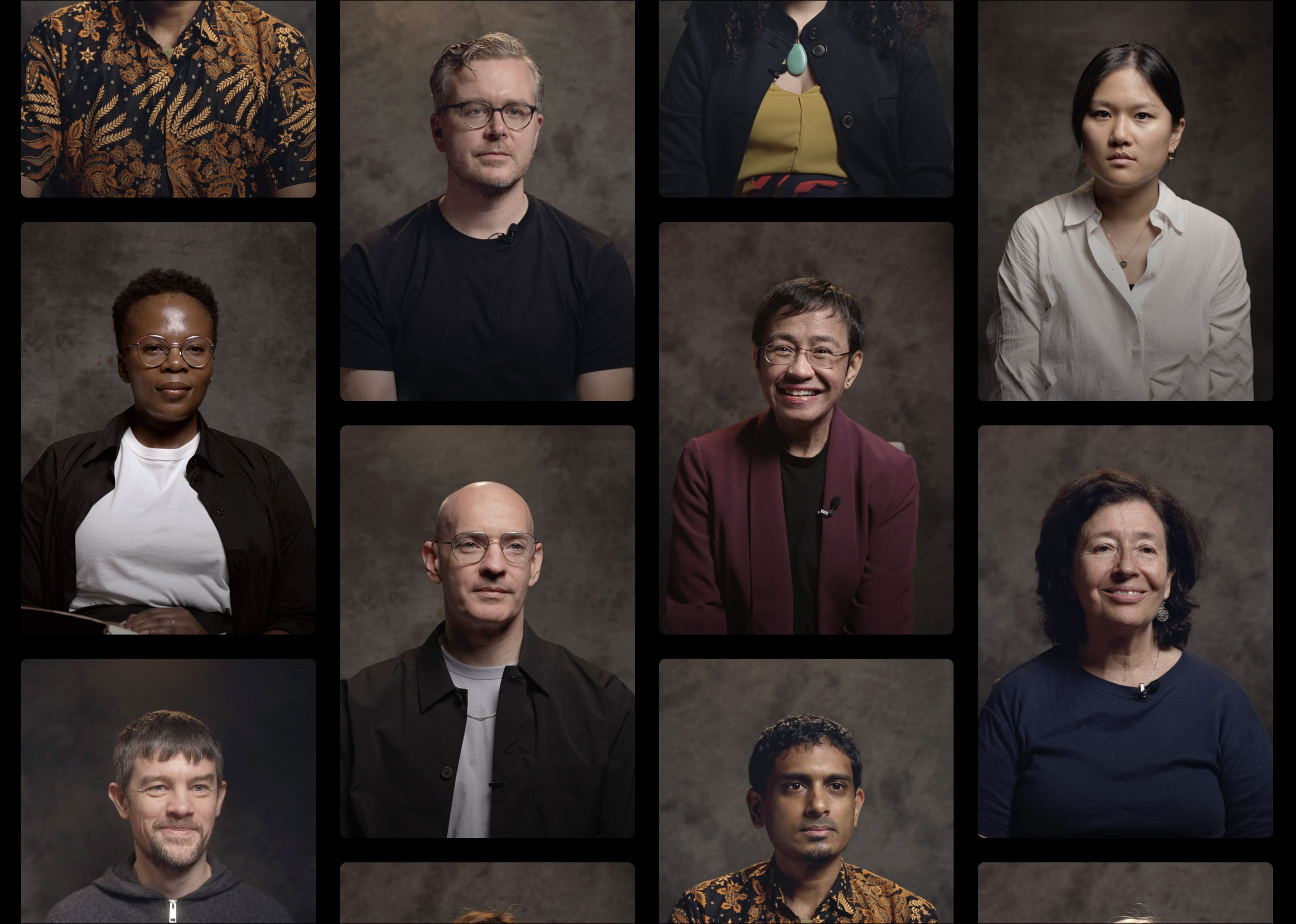

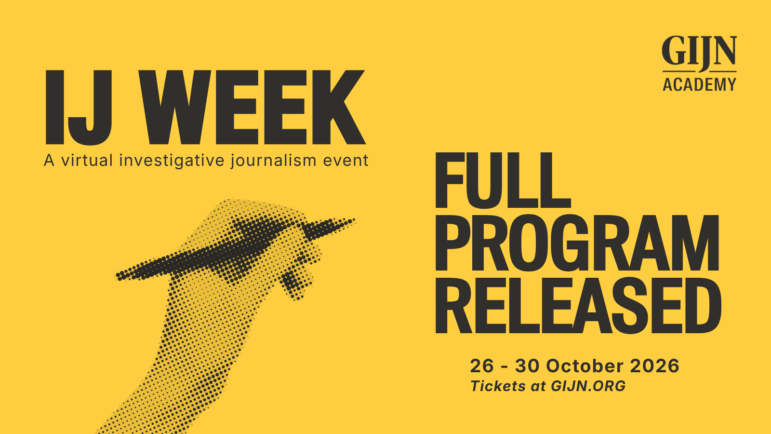
Journalists, data gurus, and subject matter experts from 65 countries will take part in IJ WEEK, which will feature panels, workshops, and networking sessions across 13 thematic areas.
Due to strong demand, GIJN is launching a second cohort of this in-depth course, to equip journalists with the skills needed to uncover the financial flows behind corruption, organized crime, and abuse of power.
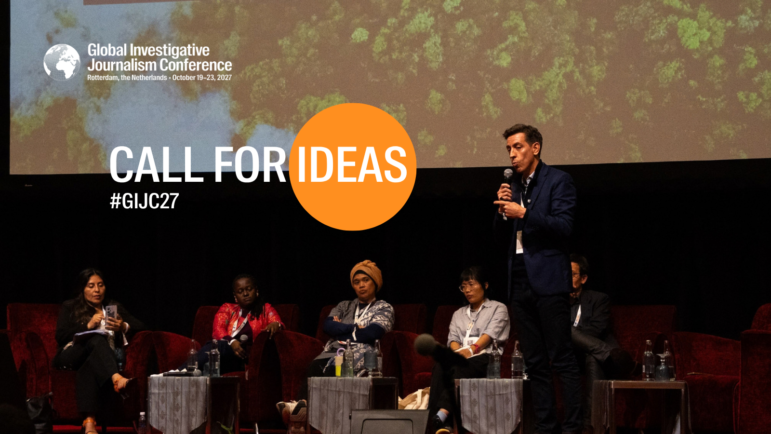
To create the most inclusive and impactful global conference for investigative journalists, we are now soliciting great ideas for sessions for GIJC27. Send us your proposals!

Empower the World’s Watchdog Journalists
The Tarbell Fellowship is a one-year program for journalists and subject-matter experts who want to cover artificial intelligence, and it consists of a three-month training program and a nine-month newsroom placement. It starts with a remote course in June 2027 covering AI and journalism fundamentals, followed by a weeklong in-person session before newsroom placements from September 2026 to May 2027. Previous host newsrooms include CBS News, The Bureau of Investigative Journalism, MIT Technology Review, TIME, and many others. Applications for the 2027-28 Tarbell Fellowship are open and will close on Nov. 22, 2026.
Authorities confirmed that they detained Abdallah Qadri, Mohamed Ashraf, Mohamed Adel, Islam Barakat, Mohamed Mahmoud, and Omar Helal — the editorial team of the Egyptian fact-checking and investigative outlet Matsadaash — and charged them with terrorism offences and “destabilizing” the country through disinformation. The International Press Institute (IPI) and the Committee to Protect Journalists (CPJ) called for their immediate release and urged Egyptian authorities to stop using national security laws against the press in retaliation for critical reporting. Several of the detained journalists have reported that security officers tortured them and interrogated them for hours.
Canal France International (CFI) is accepting applications for projects to strengthen independent journalism and fight disinformation in the Republic of Moldova — to counter an environment in which Moldovan audiences have “increasingly been exposed to misleading or unverified information, including information related to public policies and Moldova’s closer cooperation with the European Union.” The program is run by CFI and funded by the French Ministry for Europe and Foreign Affairs. Three media outlets will receive grants of up to €30,000 (US$34,000), with an indicative total budget of €90,000 (US$US102,000). Apply by October 17, 2026.
The Equality Fund is partnering with Canadian Journalists for Free Expression (CJFE) and African Women in Media (AWiM) to “surface the stories of local solutions to global crises,” with a focus on gender. Five five journalists in ODA-eligible countries will be selected for fellowship, which will run from January to September 2027, with a stipend of up to CAD$4,000 (US$2,927) and reporting costs up to CAD$500 covered. Applications are welcome from working journalists on any platform (text, digital, video, audio). Journalists should be reporting on their own communities and geographies. The application deadline is November 8, 2026.
According to the International Consortium of Investigative Journalists (ICIJ) this week South African journalist Micah Reddy, who heads up ICIJ’s Africa program, and local reporter Mohamed Willo Ismael (“Kooki Mahmoud”) were detained in Djibouti, prompting the Committee to Protect Journalists (CPJ) to urge Djiboutian authorities to confirm their safety. On Tuesday, September 22, a CPJ update stated that Reddy had been freed and deported to South Africa: "Authorities claim he did not have proper media accreditation. He will return to Johannesburg soon. His fixer, Kooki Mahmoud, is apparently released without charge," CPJ Africa posted on Twitter/X.
The 12th DIG Festival (“Documentari, Inchieste, Giornalismi” or documentaties, investigaitos, journalism), Europe’s premier multimedia investigative journalism festival, will take place September 23-26 in Modena, Italy. Participation and attendance at the festival are free and except certain screenings, do not require tickets or registration. The program includes panel discussions, presentations, DIG Academy — which is offering 12 new, free-to-attend workshops — and the screening of 25 new investigative films shortlisted for the annual DIG Awards. The opening ceremony and awards ceremony will be available for live streaming on DIG Festival’s YouTube channel.
Source: The Henry Nxumalo Foundation
The Henry Nxumalo Foundation, originally set up in 2006 as the Taco Kuiper Fund, provides grants to individuals and organizations to produce public interest investigative journalism on topics relevant to South Africa. Applications can be made on a rolling basis for work in any medium, from individuals, teams, or a publication or broadcaster; the Fund will assign an editor to work with you. Applicants should send a brief proposal (no more than three pages), a CV, and a budget to henrynxumalofund@gmail.com. (The Fund also now makes occasional calls for grant applications that cover multiple African countries.)
Source: Fund for Investigative Journalism
Freelance journalists, staff reporters and media outlets can apply for grants and other support from the Fund for Investigative Journalism (FIJ). Investigations can be for print, online or broadcast stories, books, documentaries or podcasts. The FIJ reviews proposals for regular grants up to US$10,000 three or four times a year; the next deadline is Monday, September 14, 2026; the deadline for small grants up to US$2,500 for preliminary reporting that can lead to full investigations is also September 14. The FIJ’s Alicia Patterson fellowships — US$40,000 for 12 months or US$20,000 for six months — are awarded annually.
The Committee to Protect Journalists (CPJ) has called on Tunisian authorities to release journalist Mohamed Yousfi, editor-in-chief of local investigative news website Al-Katiba, who was arrested by police from the financial crimes unit on Friday. Yousfi, a well-known critic of President Kais Saied’s government, was questioned about his work at Al-Katiba, his social media posts, and alleged financial offenses. CPJ added that his arrest raised concerns that financial crime allegations are being used as a pretext to target critical journalists. Yousfi was hospitalized after falling ill in custody and underwent an appendectomy. He remains hospitalized and has not been permitted visitors.
Reporters Without Borders (RSF) said in a statement that it was “outraged” by the acquittal of Yorgen Fenech, the Maltese businessman, of charges of complicity and criminal association in the car bomb assassination of prominent journalist Daphne Caruana Galizia in 2017. “The verdict means that almost nine years since the assassination of Daphne Caruana Galizia, the Maltese authorities have failed to identify and convict the mastermind.” Press freedom organizations, politicians, and observers have expressed shock about the verdict, which followed Malta’s longest running murder trial. The prosecution is expected to appeal.
Award-winning journalist Vladimir Thorik discusses reporting in an oft-overlooked part of Europe and how he approaches exposing the long reach of Russia on his native country and its neighbors.
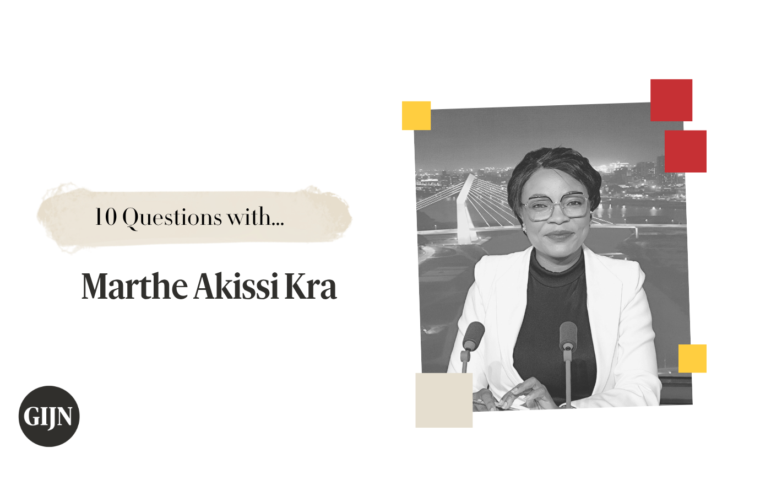
Marthe Akissi Kra’s reporting translates complex scientific and ecological data into accessible stories, connecting global environmental issues to her local listeners.
The journalist explains how he has built a career around long-form investigations, and delves into the process behind his recent book exposing the far-right in Portugal.
The award-winning South African investigative journalist says he spent years ‘in the wilderness’ digging into spreadsheets and paperwork to find his niche.
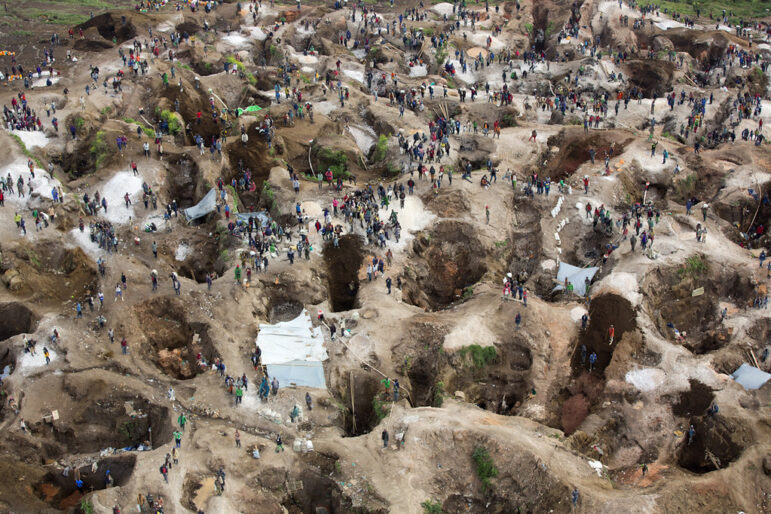
Two journalism and technology projects are sharing tools and methods across continents to map where mining is devastating the Amazon and Congo basins.
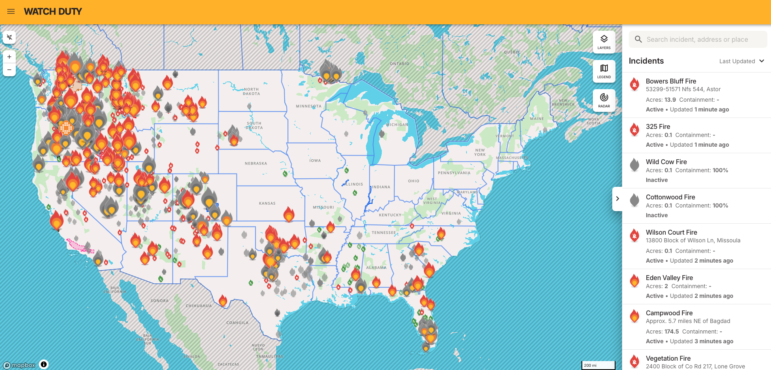
Watch Duty is a NGO nonprofit and its data is sourced from all over: radio scanners, cameras, satellites, and other public sources, including the agencies actually fighting the fires.
In this round-up of recent GIJN Academy masterclasses on data journalism, we share practical videos on data reporting basics, using spreadsheets, and incorporating satellite imagery.
Journalist Léo Arcoverde started a blog in 2015 publishing one story a day based on information obtained through Brazil’s new access-to-information law. The initiative eventually became Fiquem Sabendo.
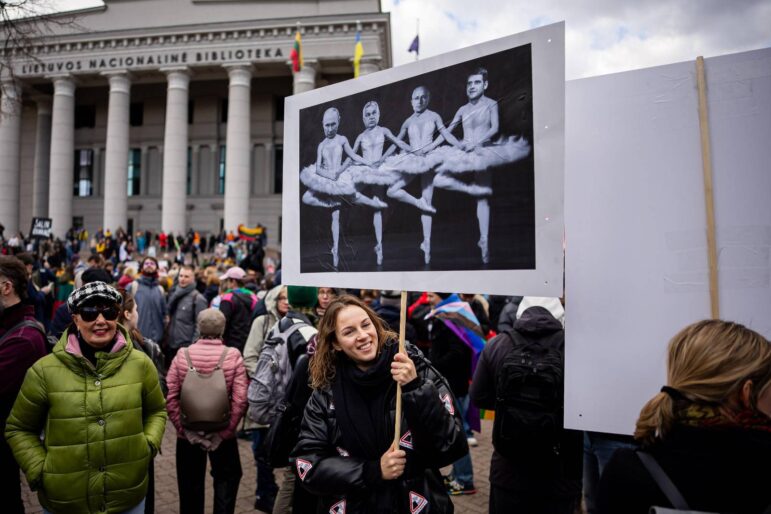
This small Lithuanian outlet Siena punches above its weight by publishing agenda-setting stories — but the founders say they also never want to take themselves too seriously.
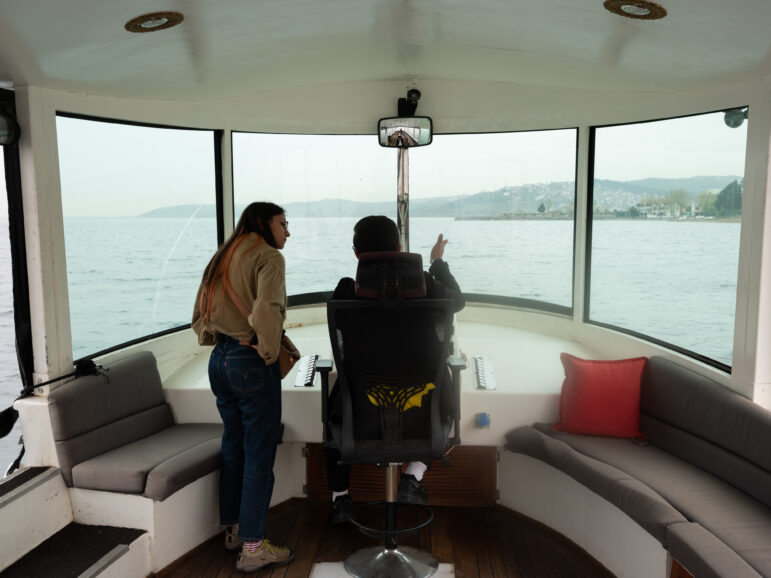
The investigative outlet focusing on the Black Sea region and Turkey is not quite exiled media, not quite traditional newsroom, but a collaborative group focused on abuses of power.

Over the past decade, the nonprofit Tokyo Investigative Newsroom has published numerous longform exposés on issues ranging from gender, health, politics, and the environment.
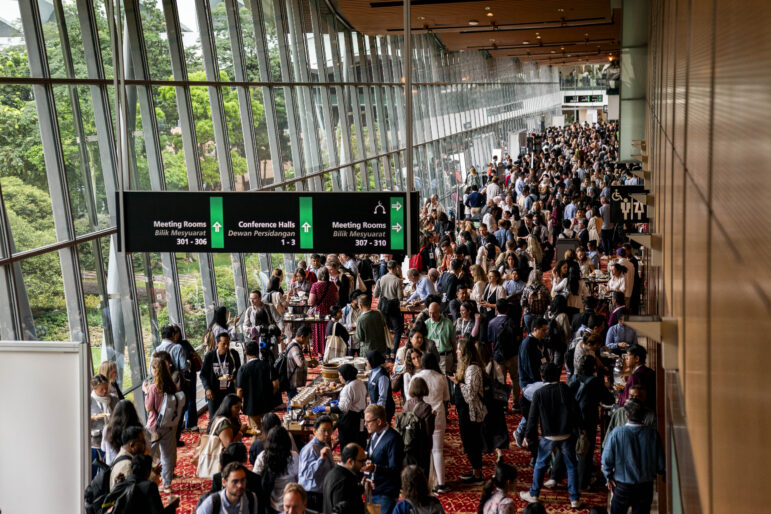
The 14th Global Investigative Journalism Conference (GIJC25) in Kuala Lumpur, Malaysia, assembled more than 1,500 journalists from over 135 countries and territories to hold workshops, share best practices, and build a community increasingly confronting funding crises, disinformation campaigns, digital surveillance, and authoritarian threats. This project is a compendium of GIJN’s coverage of the conference.
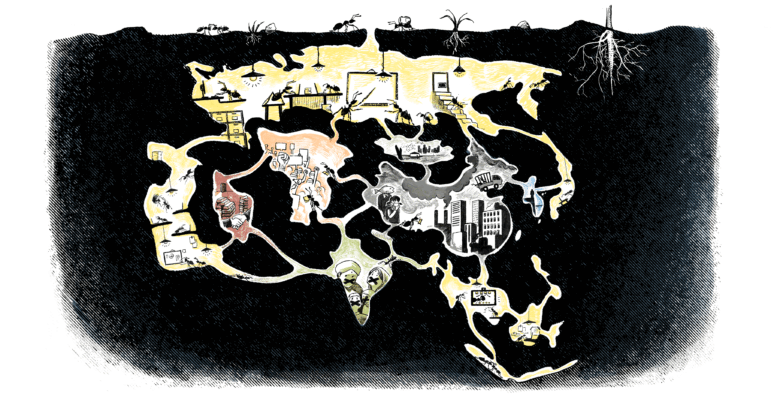
This regional spotlight series examines the world’s largest and most populous continent, which is also the host of the 2025 Global Investigative Journalism Conference. Asia serves as a unique laboratory in the global media landscape, but journalists here face multifaceted challenges, from censorship to physical threats, digital surveillance to financial pressures. Despite this, watchdog reporters […]

Our third regional spotlight series examines the challenges facing our members and other outlets in the Middle East and North Africa, such as war, backsliding democracies, self-censorship, exile, surveillance and imprisonment of journalists, and the hostile legal environment — and why this reality on the ground makes investigative journalism there all the more essential.

Our second regional spotlight series examines the successes and challenges facing our members in Africa and others reporting from the continent. These articles tell the stories of growing journalistic collaboration, courage, and innovation in the face of repression, legal intimidation, lack of access to information, and even physical threats.

Online scams have become borderless threats that evolve rapidly in scale, sophistication, and impact. From fraudsters using the Internet to steal to phishing networks that engage in social engineering and trick individuals, scams are often backed by organized criminal groups that exploit weak law enforcement, jurisdictional loopholes, and digital anonymity.
In this free online workshop, GIJN will convene four experienced African journalists to discuss how to dig out information from repressive regimes and military dictatorships on the continent.

What innovative tools and techniques are shaping the future of data journalism? A special Lightning Round webinar with the 10 winners of the 2025 Sigma Awards, celebrating some of the world’s best data-driven investigations.
A webinar exploring how investigative journalists can document human rights abuses in war zones, with a focus on methods to ensure the information gathered can later be used by legal investigators or international courts.