
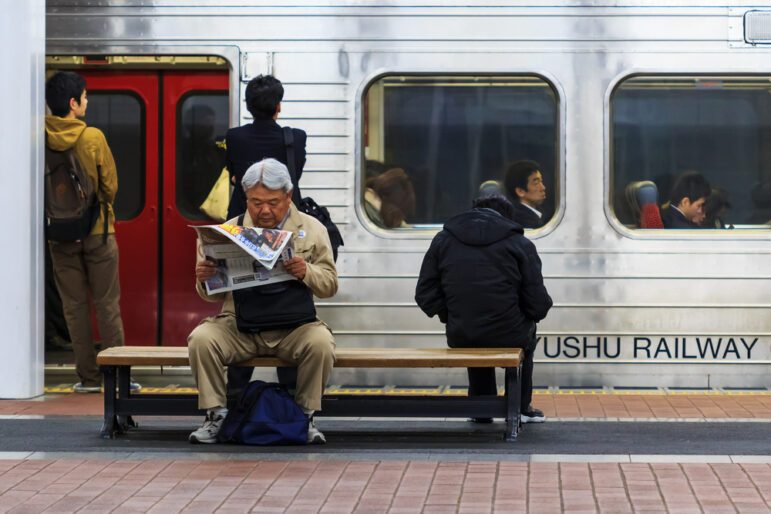
Newspaper sales remain strong in Japan, but large circulations don’t automatically mean plentiful space for investigative or watchdog journalism. Image: Shutterstock
Tansa: Pioneering a New Model for Investigative Journalism in Japan
Read this article in

How to Succeed as a Freelance Investigative Journalist

Best Reporting and Business Practices for Freelance Investigative Journalists

Investigative Journalism in Japan: Collaboration at 2024 J-Forum Fosters Stronger Growth

How They Did It: Investigating the Online Trade in Sexual Assault Videos in East Asia
On paper, Japan seems to have a thriving journalism sector. The world’s third-largest economy also is home to several of the most widely circulated newspapers in the world, such as the Yomiuri Shimbun, which, with 6.2 million subscribers, the highest paid circulation of any independent media outlet in the world, and the Asahi Shimbun, with 3.5 million subscribers.
But widely staffed newsrooms and large print runs don’t automatically mean plentiful space for investigative or watchdog journalism.
It’s only gotten worse since 2012, when Shinzo Abe was elected prime minister, and new laws to limit journalist access to data and even criminalize certain forms of reporting due to national security concerns have caused Japan’s press freedom rankings to tumble. In 2016, UN Special Rapporteur on the right to freedom of opinion and expression, David Kaye, released a report raising concerns that Japan’s “independence of the press is facing serious threats” and that weaknesses in whistleblower protection and fear of punishment were harming journalism.
“Investigative journalism needs to be supported by press freedom,” said Yasuomi Sawa, a professor of journalism at Waseda University. “The role that investigative journalists play is undervalued in this country due to the lack of education about how information is crucial to maintain our democracy and how journalism is indispensable to hold those in power accountable.”
In fact, there is just one GIJN-affiliated news outlet in Japan — the nonprofit Tokyo Investigative Newsroom, or Tansa. Despite the odds, Tansa has, over a decade, worked on several longform investigations on issues ranging from gender, health, politics, and the environment.
“We feel there is a strong demand for nonprofit and independent media like Tansa, independent from political power and the economic spheres of large corporations, and I feel the public needs more exploratory, investigative media,” said Makoto Watanabe, Tansa’s founder and editor-in-chief.
After being disillusioned by the failure of editors at the Asahi Shimbun, where he previously worked, to properly cover the 2011 Fukushima nuclear disaster, Watanabe founded Tansa in 2016. While the site remains much, much smaller than the Yomiuri or the Asahi Shinbun’s thousands of staff, Tansa has slowly grown to seven people — Watanabe, three reporters, and several support staff.
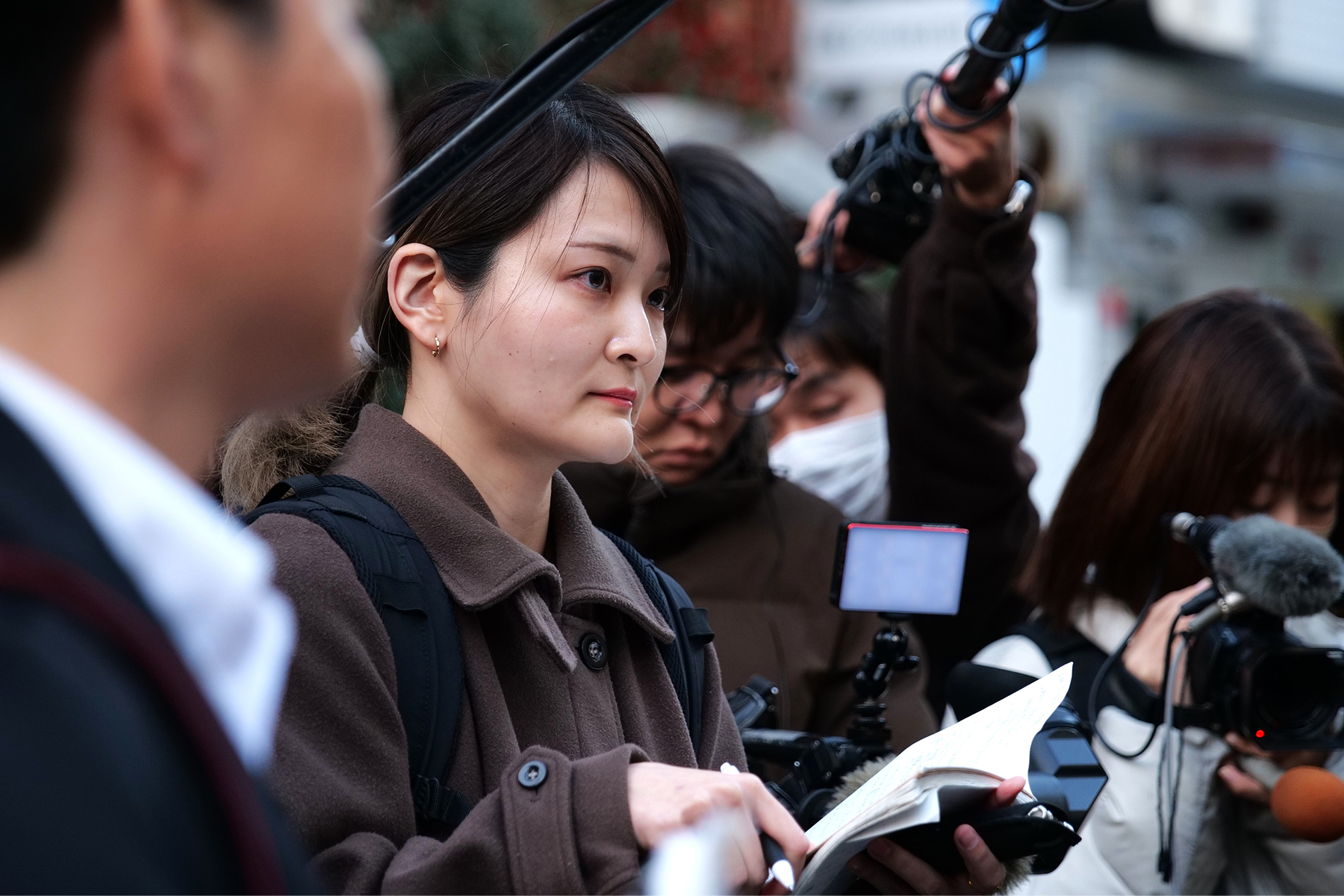
Nanami Nakagawa, a reporter at Tansa. Image: Courtesy of Tansa
New Model for Japan
While independent investigative media are common in the United States, Europe, and even in nearby South Korea and Taiwan, in Japan, establishing a nonprofit newsroom hadn’t been done before. That historical hurdle has been, and remains, a struggle for Tansa.
“Most of our donations from major foundations and institutions are from overseas,” noted Nanami Nakagawa, a reporter at Tansa since 2020. “Donations from individuals in Japan are difficult to obtain.”
At the same time, the need for what Tansa is doing has grown. With mainstream media like Asahi Shimbun abandoning or cutting their investigative units and other large media preferring to maintain cozy relationships with the government and large Japanese companies for their ad money, Tansa often finds itself the only one willing to dig into complicated topics that expose wrongdoing at some of Japan’s most powerful companies.
Investigations that Tansa has published over the past decade include an exposé on student suicide at a school in Nagasaki, a report linking illegal PFOA toxic pollution to the Japanese conglomerate, and a deep dive into Japan’s post-war era forced sterilization campaign.
While Tansa has gained a reputation for exploring topics that mainstream media mostly ignores, it has more recently found ways to collaborate. One recent investigation uncovered a vast network selling sexual images and videos of girls and women taken without their consent. Japan’s national broadcaster, NHK, aired a documentary series made in collaboration with Tansa, bringing the story to its millions of viewers around the country.
“It was very important, as Tansa has investigative skills, and NHK is such a huge media organization with a big TV viewership,” said Sawa.
Impact: Mother Files Investigation
Early this year, Tansa published their latest investigation, a collaboration with the South Korean award-winning nonprofit Korean Center for Investigative Journalism (KCIJ), digging into a massive tranche of files that implicated many of Japan’s top political leaders in a shady network of foreign funding and influence. Called the True Mother Files, the series, released over several weeks, highlighted links between numerous leaders in Japan’s longtime ruling Liberal Democratic Party (LDP) and conservative funders, the Unification Church, and religious leaders in South Korea and the United States.
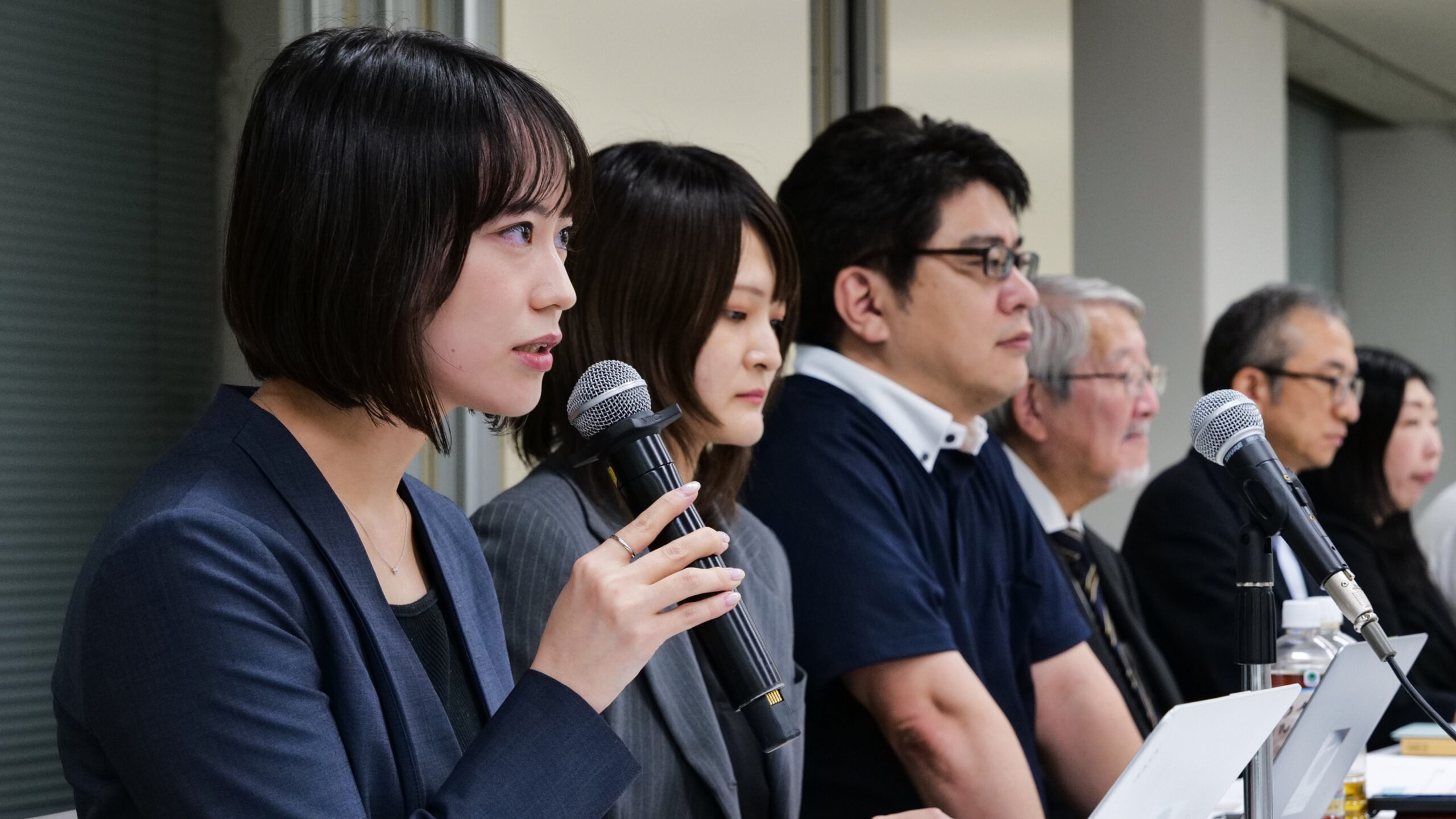
Three members of the team at Tansa (left to center): Mariko Tsuji, Nanami Nakagawa, and founder Makoto Watanabe. Image: Courtesy of Tansa
“We read the entire 3,000-page document thoroughly and reported on how the collusion between LDP politicians and the Unification Church came to be, including the process and historical background, not just the content of the documents,” explained Mariko Tsuji, a reporter at Tansa since 2016.
The timing was ideal, coinciding with a general election, where an Abe protégé, Sanae Takaichi, was running for prime minister on a nationalist platform. It also was released just as a sentencing decision was being made in the trial of Tetsuya Yamagami, who assassinated Abe due to anger about the ruling party’s links to the Unification Church, which he blamed for his family’s impoverishment. The series resonated with readers.
“During an election, the Japanese media usually avoids publishing criticisms of specific politicians. Tansa, however, considered the relationship between the Unification Church and LDP politicians to be vital information that could influence voting behavior,” said Tsuji. “[It] resonated strongly and gained significant reactions from the public.”
For Tansa reporter Nakagawa, all the hard work is starting to pay off, as Tansa’s standing in Japanese society is growing.
“It’s only in the past couple of years that we started seeing a significant increase in donors,” she said. In fact, they’ve enjoyed a big surge in support and new donors since publishing the True Mother exposé.
For Watanabe, what’s even more important is that there is growing awareness in Japanese society of the need for independent media and investigative reporting that prioritizes the public’s interest first and foremost.
“During the last 10 years, we have seen a rise in disbelief toward mass media and an awareness that we need media that reports for us,” said Watanabe.

Illustration by qnel for a Tansa investigation into digital sexual violence. Image: Courtesy of the outlet
Collaboration and Building Japan’s Investigative Culture
As a major economy, Japan’s reach spreads far beyond its borders. As the only newsroom partner of GIJN, Tansa often receives requests to participate in global collaborations and has played a role in many, including Oceans Inc., led by the Environmental Reporting Collective; Blowing Unsmoke on the global tobacco industry with OCCRP; and Coal Crusades with several outlets in the Asia-Pacific region. But they’re limited by their size and ongoing domestic investigations.
“There are many occasions where we would have to turn down those requests, depending on the workload we have at the moment. We feel very regretful about that,” said Watanabe.
When considering joining a collaboration, Tansa takes a few things into consideration — the links to Japan, the potential for mutual benefit, and if the collaboration aligns with its mission as a media outlet.
“Tansa stands with victims and those bullied by those in power,” said Watanabe. “Alignment on this stance is what we value most.”
Watanabe, Tsuji, and Nakagawa are fully aware that one small nonprofit newsroom can’t cover everything in Japan, nor take on every worthy collaboration. The sector, as a whole, needs to grow.
“We need more media outlets like Tansa to be established — competing as rivals where necessary, but collaborating to invigorate journalism,” said Watanabe.
One organization trying to expand Japan’s investigative journalism culture — and expand the space for collaboration — is the country’s Journalism Practitioners’ Forum (J-Forum), which brings together mainstream and independent media outlets along with freelancers.
“It’s great to see the very conservative and progressive journalists talking side-by-side, with respect as colleagues, and looking for the possibility of more collaboration,” said Waseda professor Sawa.
He is also hopeful about the future of Japanese independent media, as he is seeing the emergence of new outlets expanding into investigative reporting, though with different models than Tansa.
Examples of these include Voice of Nara, Frontline Press, and My News Japan, all small, independent news outlets. The challenge will be finding a way for this cohort to find ways to finance sustainable investigative reporting.
“The media landscape is changing rapidly right now, I really look forward to seeing more to come,” said Sawa. “We need more variety and diversity in Japan’s investigative journalism ecosystem, which can make the information environment richer.”
 Nithin Coca is a freelance journalist publishing in-depth features and investigations about Asia. His work often focuses on intersectional issues, linking, for example, climate change and human rights, or supply chains and environmental degradation. He has been awarded fellowships from the Solutions Journalism Network, The Pulitzer Center, and Journalism Fund EU, and his features have appeared in Vox, The Financial Times, Foreign Policy, Al Jazeera, The Nation, and Coda Story.
How to Succeed as a Freelance Investigative Journalist
Best Reporting and Business Practices for Freelance Investigative Journalists
Investigative Journalism in Japan: Collaboration at 2024 J-Forum Fosters Stronger Growth
How They Did It: Investigating the Online Trade in Sexual Assault Videos in East Asia
How Newsrooms are Uncovering Asia’s Climate and Environmental Crises, from Illegal Sand Mining to Sinking Cities
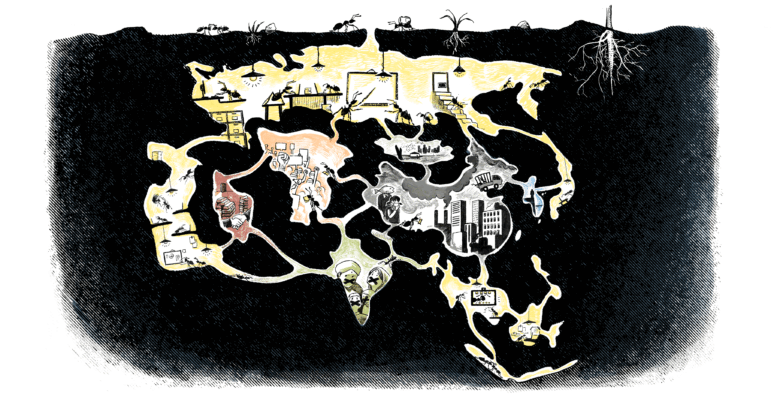
Investigative Journalism in Asia: Resistance, Transformation, and Solidarity Amidst Mounting Press Challenges
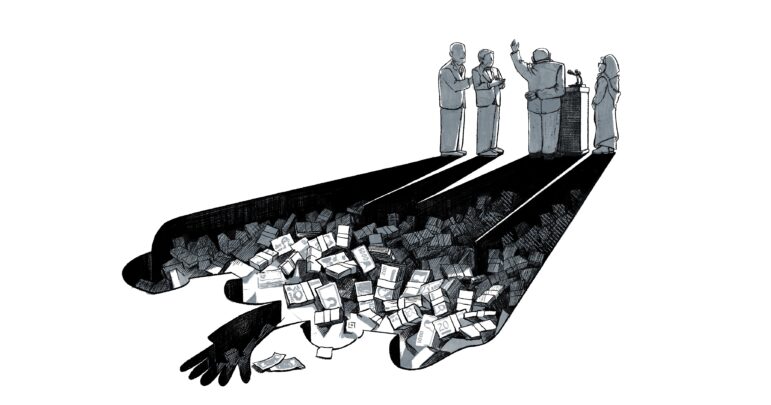
State-Connected Oligarchs and Looted Public Funds: Tracking Illicit Money Across Asia
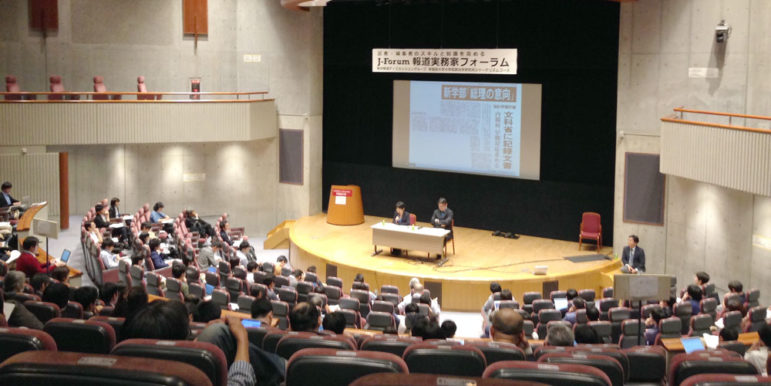
The Japanese Journalist Fighting for Better Data, Public Records, and Human Stories

This work is licensed under a Creative Commons Attribution-NoDerivatives 4.0 International License
Republish our articles for free, online or in print, under a Creative Commons license.
Republish this article
This work is licensed under a Creative Commons Attribution-NoDerivatives 4.0 International License
Read Next
Asia Focus
How Newsrooms are Uncovering Asia’s Climate and Environmental Crises, from Illegal Sand Mining to Sinking Cities
Outlets across the region are collaborating to investigate the environmental harms that cross borders.
Asia Focus
Investigative Journalism in Asia: Resistance, Transformation, and Solidarity Amidst Mounting Press Challenges
Asia serves as a unique laboratory in the global media landscape but journalists here face multiple challenges: censorship, threats, surveillance, and financial pressures.
Asia Focus
State-Connected Oligarchs and Looted Public Funds: Tracking Illicit Money Across Asia
In this installment of GIJN’s Asia Focus project, we look at how investigative journalists across the continent are exposing kleptocracy and documenting official corruption.
The Japanese Journalist Fighting for Better Data, Public Records, and Human Stories
Frustrated by journalism that gave voice to those in power rather than the voiceless, Yasuomi Sawa was inspired to become an investigative journalist. He shares with Scilla Alecci about the state of journalism in Japan, including the limitations to its existing freedom of information laws and how preventing institutional or individual embarrassment can hinder a relentless free press and uncomfortable public debates.