
Image: Shutterstock
Do You Have ‘the OSINT Mindset’?: Try Our Quiz for Those Who Like ‘a Little Light Online Sleuthing’



OSINT, visual investigations, digital sleuthing: however you refer to the field, it’s become a hugely significant part of investigative journalism in recent years. From finding initial leads, to building evidence relevant to an existing hypothesis, to verifying a piece of evidence found on social media – these skills can be used in many different ways for investigative reporting.
At the Centre for Investigative Journalism, we’ve been delivering training on these techniques for more than a decade to journalists and other researchers investigating in the public interest. What this experience has taught us, in turn, is that the core OSINT mindset is the most important learning goal.
While there is, of course, great value in learning tools and techniques that allow you to conduct online investigative research more effectively and efficiently right now, the field is especially dynamic. Good tools that work today may be behind financially inaccessible paywalls tomorrow, web infrastructure is subject to frequent change that means certain techniques become less reliable, new platforms spring up often with the potential to make whole sections of practice obsolete.
So the most important thing to learn if you wish to integrate elements of OSINT into your investigative practice is the overall mindset behind the approach. Fundamentally, at least for beginners, this comes down to a few key capabilities:
- Clear initial planning of your research project through building a focused investigative hypothesis to avoid chasing irrelevant leads or getting lost down ‘rabbit holes.’ With this, you can concentrate on trying to test your current hypothesis and ensure you can quickly refine it in the light of new evidence.
- Understanding what evidence open source reporting can help you find and recognizing when a research task is one that can be solved through OSINT is crucial to ensuring that you can apply new tools or techniques to an appropriate investigative hurdle when you face it.
- Knowledge of the reliable pioneers and useful sources of guidance means you can always find and get to grips with the best tool for your current problem, whenever you encounter it.
- And thinking critically about both the techniques involved and the points of information they help you gather means you can build context from your findings, a coherent story for your audience and, most importantly, a verifiable, reproducible evidence base for your conclusions.
For guidance on how to test your initial hypothesis, I recommend checking out the work of Mark Lee Hunter and Luuk Sengers on the Story-Based Inquiry method. For a more detailed analysis and explanation of the OSINT mindset, see the work of experts such as Nico Dekens, Ritu Gill, and Rae Baker.
That said, it’s useful to build familiarity with certain tools and techniques and in doing so, start to sharpen your OSINT mindset. There are many excellent places to practice, from the exercises created by Sofia Santos, to the Bellingcat Challenges list, to live Capture The Flag events, but here’s a short and simple quiz to get you started.
It’s made up of several questions to test your knowledge of reverse image search, historic archives of Google Street View, maritime records, and AI images. Are you ready? Let’s go…
Start the (multiple choice) quiz.
 Tom Sanderson is the deputy director of the Centre for Investigative Journalism. He joined the CIJ in 2014 as Training Coordinator and now oversees all aspects of the CIJ’s training provision and leads on the development of funded projects and initiatives. His recent projects have focused on supporting new models of community and non-profit journalism with investigative training.

This work is licensed under a Creative Commons Attribution-NoDerivatives 4.0 International License
Republish our articles for free, online or in print, under a Creative Commons license.
Republish this article
This work is licensed under a Creative Commons Attribution-NoDerivatives 4.0 International License
Read Next

Data Journalism Teaching & Training
Test Your Data Visualization Skills With GIJN’s Latest Quiz
GIJN Turkish Editor and data journalism instructor Pinar Dag is back with another quiz to test your knowledge of data visualization.
Data Journalism
Think You Know Your Data Visualization? Take GIJN’s Quiz to Find Out
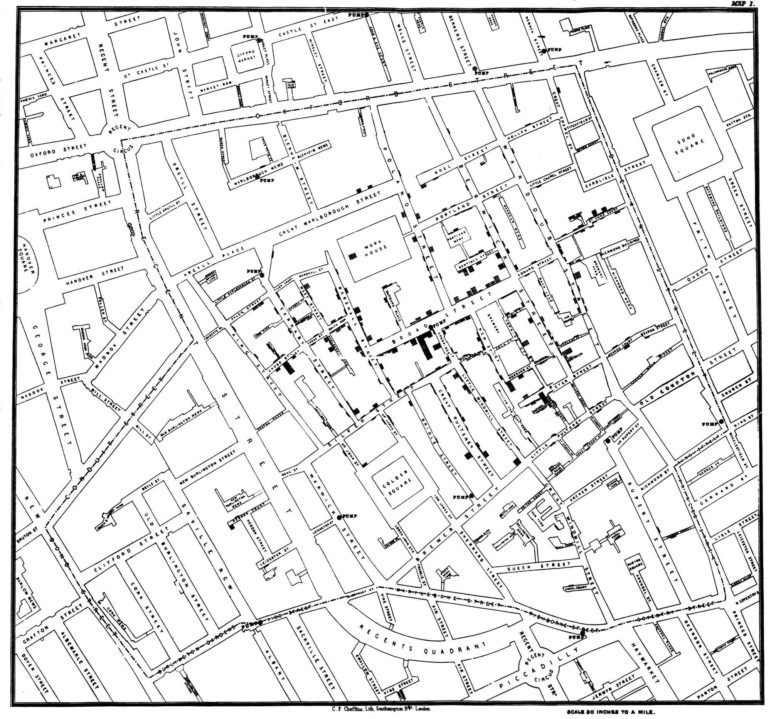
From Wikileaks to the FinCEN files, huge stories have made use of data visualizations to engage their readers and simplify complicated topics. But while data journalism is a powerful tool for investigative journalists, the vast possibilities of this world are wasted if reporters cannot effectively communicate the data they have found to the reader. To test your knowledge, GIJN has created an annotated quiz so readers can assess their current knowledge and understand the mistakes we all make while creating data visualizations.
Reporting Tools & Tips
Tips for Turning Unreadable Text Into Evidence
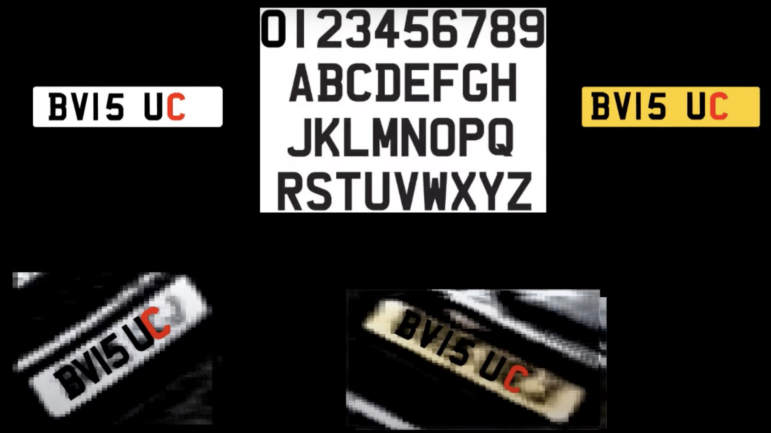
Whether it’s extracting names from footage, decoding social media posts, or reading distorted text in documents, Henk van Ess explains how free digital tools can take on these investigative tasks.

Reporting Tools & Tips Research
Seven Deadly Sins of Bad Open Source Research
Three experts dig into common open source errors that they’ve encountered to help other online investigators improve the quality of their work.