Case Studies How They Did It
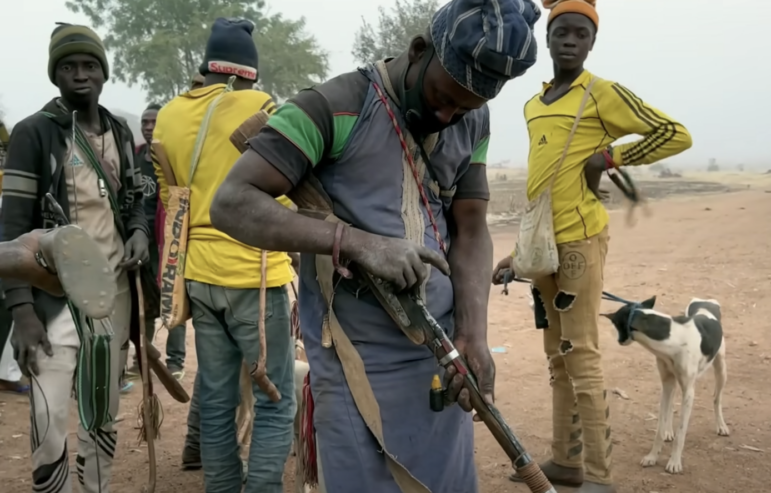
How One Nigerian Journalist on a Motorcycle Exposed Armed Warlords
Yusuf Anka spent three years riding into and out of dangerous territory in northwestern Nigeria, investigating armed gangs plaguing his home region.
Jeff Leen, the head of investigations at the Post for the past 20 years, speaks about their latest podcast and how the outlet tackles in-depth stories.
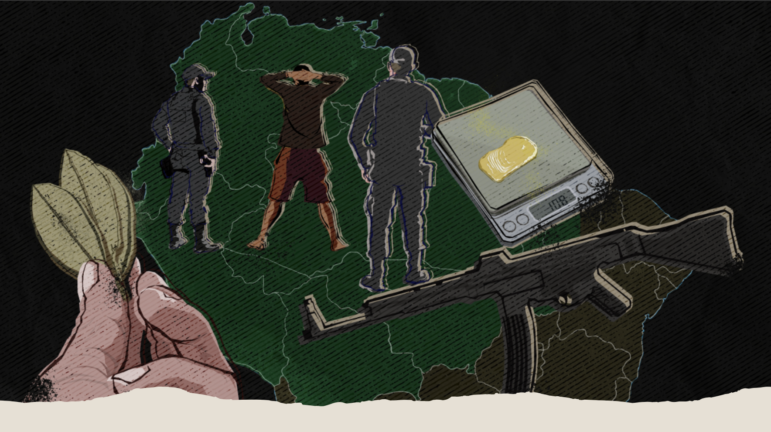
Amazon Underworld is a large-scale project that aims to reveal how organized crime now controls a critical region nearly devoid of governance.
A team of investigative journalists from Germany and the US used undercover reporting, OSINT, and data analysis skills to connect online extremism with offline terror.
The best historians and investigative journalists share a great deal: they go after primary sources, they follow the trails of money and accountability, and they put events in a broader context that the public can understand. Often those events look shockingly different just 20 or 30 years later, based on documents, data, and interviews.
As Spain transitioned to democracy, a series of attacks were carried out by the far-right. In some cases, the culprits were never found. To provide some measure of accountability, two journalists from El País have worked for a decade tracking down fugitives in cases forgotten or closed by the authorities.
SIRAJ founder Mohammad Bassiki collaborated with OCCRP and Lighthouse Reports to investigate the illicit smuggling of sanctioned Syrian phosphates into Europe.
Shireen Abu Akleh, a prominent Palestinian-American journalist working with Al Jazeera, was killed by a gunshot to the head on the morning of May 11, 2022, while reporting from Jenin, a city in the West Bank. Abu Akleh was covering a raid by the Israeli Defense Forces (IDF). The controversial killing has drawn global media […]
Once a $30 billion global bluechip financial services and tech company, Germany’s Wirecard filed for insolvency in 2021 in what is one of the biggest corporate frauds of the modern era. The tenacious and prolonged investigative reporting by the Financial Times, helped to uncover widespread fraud, malpractice and negligence. Dan McCrum, a senior Financial Times […]
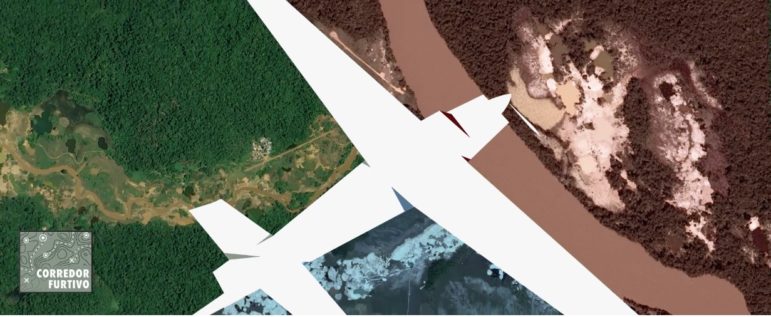
A behind-the-scenes look at a reporting collaboration that uncovers the vast scale of illegal mining and illicit smuggling in Venezuela’s Amazon region.
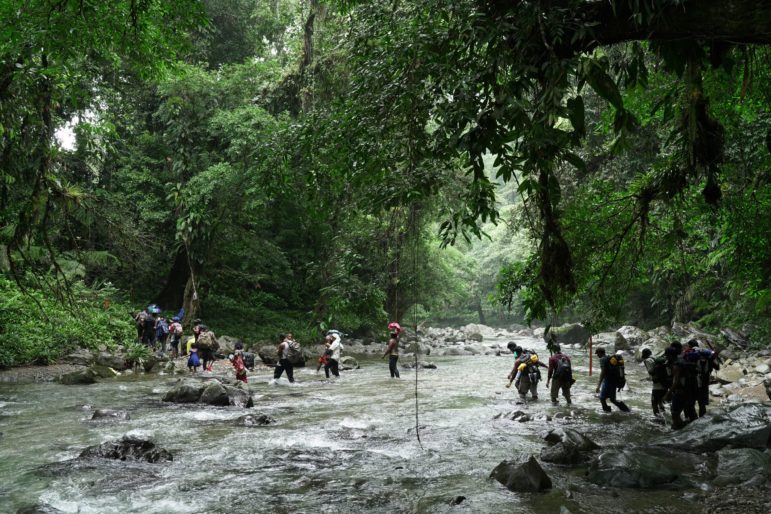
Every year thousands of migrants cross one of the most dangerous borders in the world: the Darién Gap, a magnificent but deadly rainforest that connects Colombia and Panama. GIJN spoke to a Pulitzer Prize-winning reporter, and one of her teammates, who trekked through the jungle to investigate what happens en route.
Reporters for Investigate Europe (IE) spent months examining the consequences of a seismic shift in Europe’s elder care homes, where for-profit companies have increasingly taken over the industry. Their investigation explored how this shift has affected residents and staff, and dug into the impact of the COVID-19 pandemic on some of society’s most vulnerable people.
The state of democracy is at its lowest point in decades. Around the world, free and fair elections face growing threats from disinformation campaigns, foreign interference, voter suppression, campaign corruption, violence, intimidation, and more. Covering elections as a political “horse race” has never been enough. This approach to campaign reporting is even more inadequate today, […]
GIJN Arabic interviews BBC reporter Emir Nader about how his investigative team verified the leak of Tunisian President Zine El Abidine Ben Ali’s final, frantic phone calls before his 23-year-long dictatorship crumbled in 2011 at the start of the Arab Spring uprising.
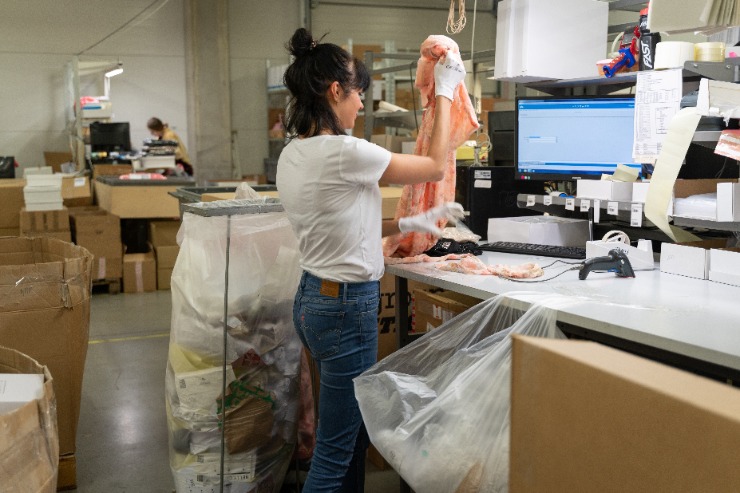
What happens to the clothes we donate to charity? Or the clothes we buy online, try on, and then return? Two Finnish journalists used tracking devices in order to investigate these post-consumer supply chains, finding that many items make their way on a complex journey to Africa and the Middle East before sometimes ending up in landfill.
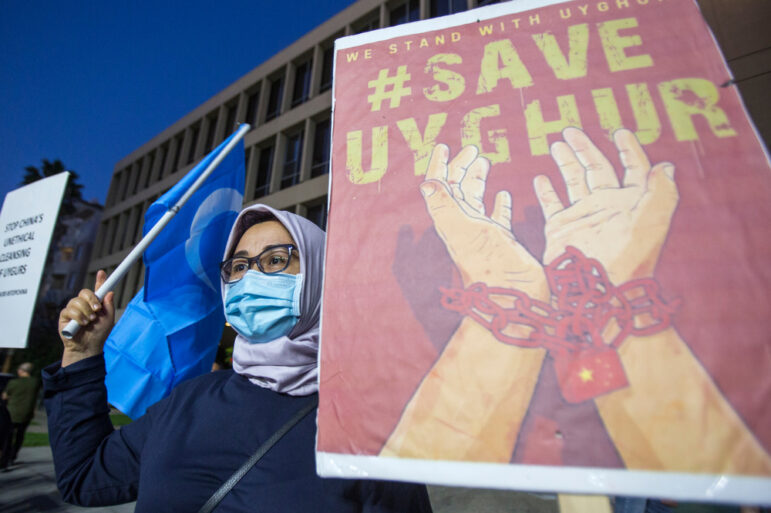
Architect Alison Killing says that exploring blanked-out tiles on the mapping site Baidu was the first step in tracking down and identifying the detention centers being built by China in Xinjiang, where up to 1 million people are believed to have been detained.
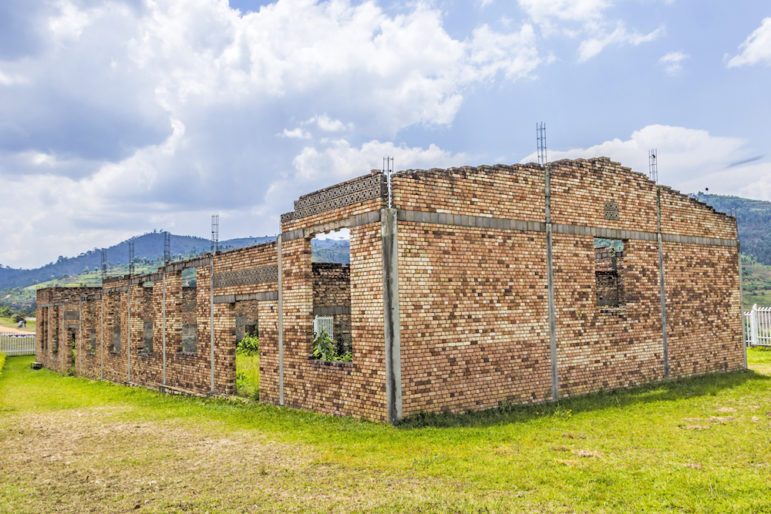
A French freelance journalist tracked down a man accused of being involved in Rwanda’s 1994 genocide. Here’s how French journalist Théo Englebert delved into the eight-month investigation, including his top tips for finding someone who wants to disappear.
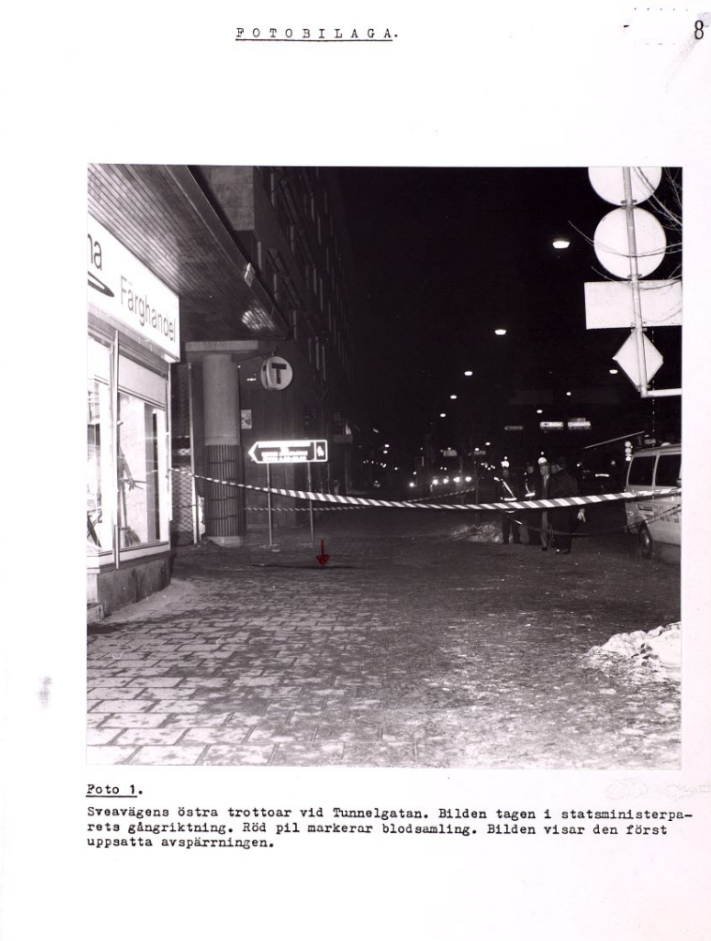
This summer a Swedish prosecutor announced that a 30-year probe into the killing of a Swedish prime minister would be closed since there was “reasonable evidence” that the assailant had been identified. The man now believed to have carried out the crime was identified two years ago by investigative journalist Thomas Pettersson, who spent 12 years investigating who killed Olof Palme.
In the project Migrantes de otro mundo — Migrants from Another World — a team of more than 40 journalists in more than a dozen countries decided to collaborate to tell the untold story of the migrants from Asia and Africa who travel through Latin America each year. As the creators of the project put it: “By its wandering nature, migration is a story that can only be properly told through collaboration.”
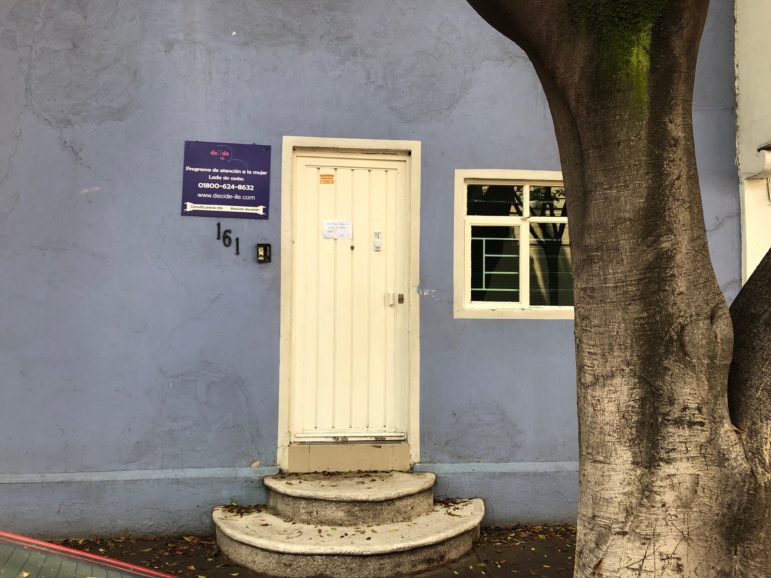
A network of female journalists went undercover in order to investigate what women and girls around the world are told when they approach a crisis pregnancy organization. Some were told they could be killing the next president, others than abortions cause cancer. The investigation revealed the highly sophisticated tactics some centers use to break a woman’s resolve, and how the messaging can be traced back to a Christian charity based in Columbus, Ohio.
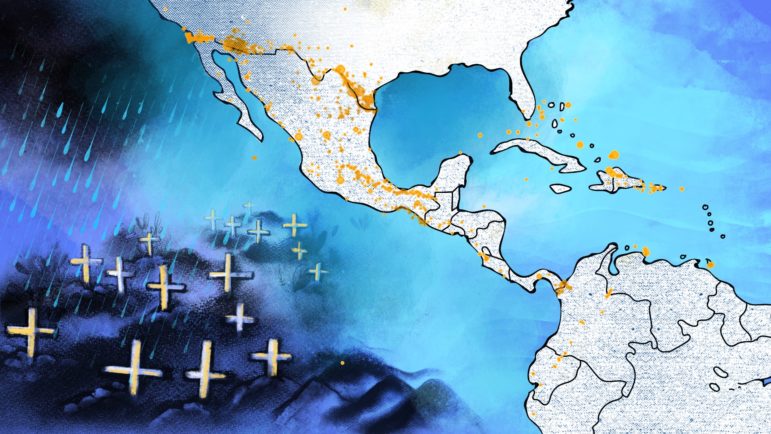
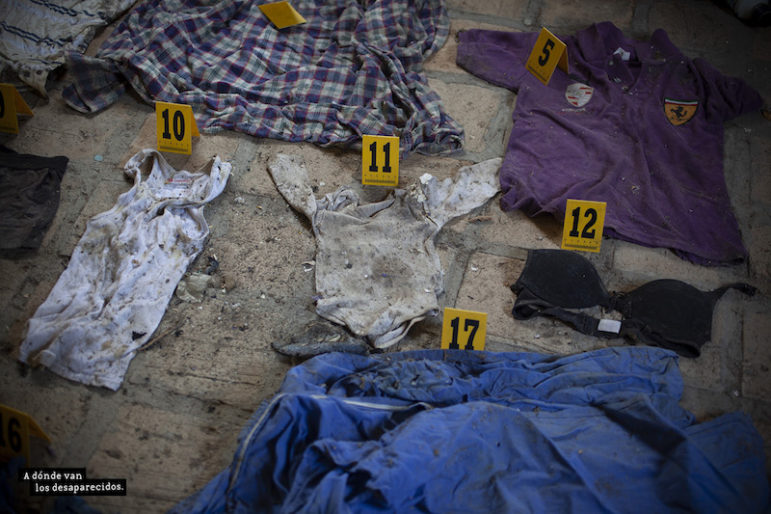
A group of independent reporters and photographers, working in different parts of Mexico, decided to come together and try to answer a fundamental question: Where do the disappeared of the drug war end up? GIJN’s Spanish editor Catalina Lobo-Guerrero spoke with the team of journalists to find out how they did it.