

Methodology
8 Ways Journalists Can Access Academic Research for Free
A lot of academic research exists behind paywalls. The Journalist’s Resource outlines eight ways reporters can get free access to high-quality scholarship.
A lot of academic research exists behind paywalls. The Journalist’s Resource outlines eight ways reporters can get free access to high-quality scholarship.

When a team at Armando.info set out to find individuals linked to the Venezuelan government who might have secret investments — and even residency permits — in the United States, they never imagined the scale of what they would find once they started following the money.

In a panel discussion at the IRE23 Conference, experts shared tips on how reporters can identify and investigate algorithmic harm and AI bias, and hold the human masters of these systems accountable.

Committing to a long-term investigation — also known as “greenlighting” — does not always involve a specific moment of decision. At IRE23, GIJN spoke with five veteran investigative editors to ask them what information they need before giving a project the the go-ahead.

Gaming and the news have a history, for decades they have been used to increase engagement and reach younger audiences. Here are some tips for getting started with gamification in your next investigation.
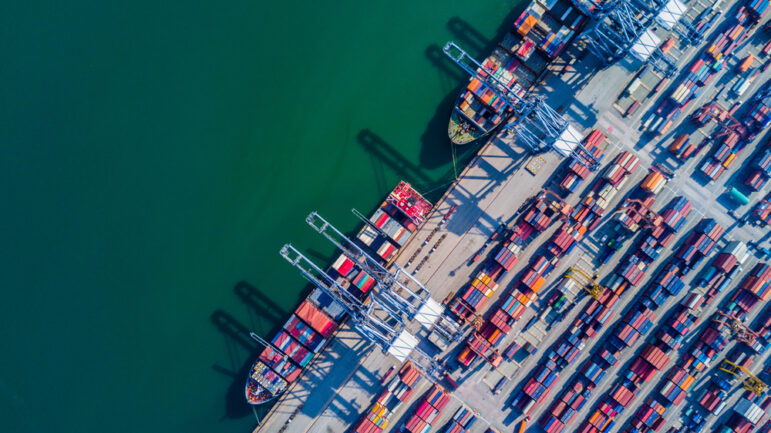
Clark Merrefield, from The Journalist’s Resource, shares seven tips on how local journalists can better investigate global trade and its impact on their communities.
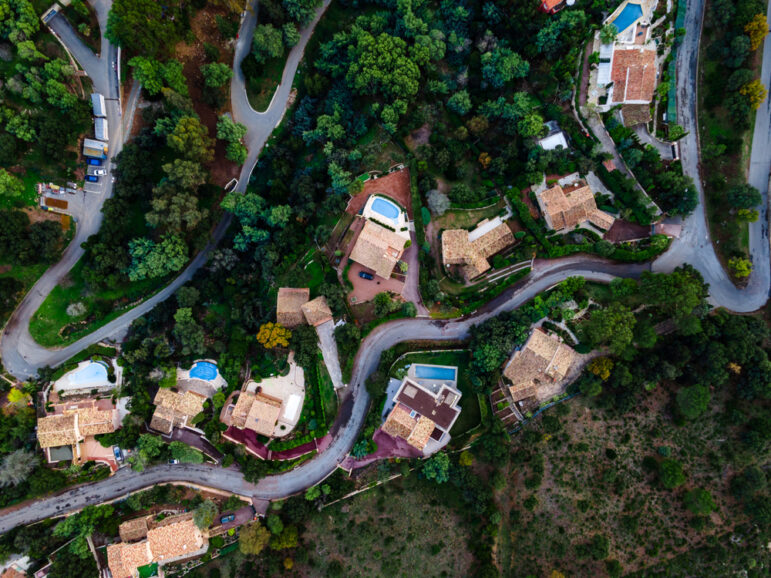
The vast majority of people who own properties are not engaged in any misconduct or possible criminal behavior. But land deals or real estate purchases made with inexplicable funding sources can be a telltale sign of corruption.
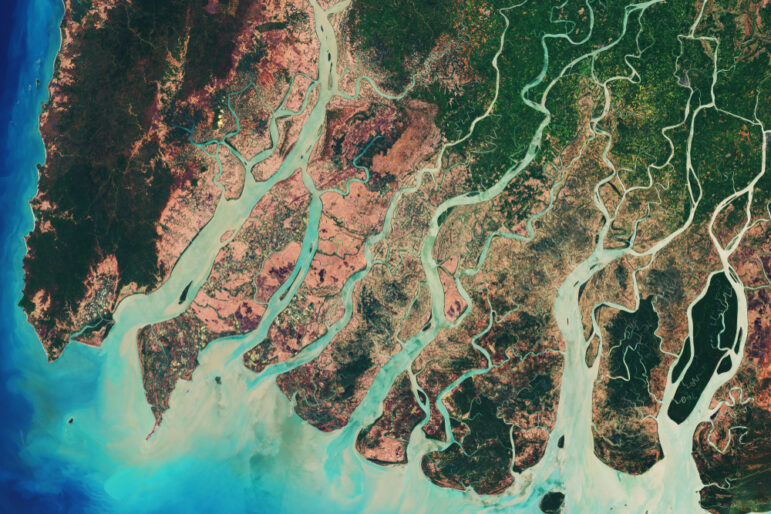
When the Myanmar military started conducting airstrikes on its citizens, researchers at Amnesty International began a forensic investigation into the supply chain, using satellite imagery to find out how aviation fuel was getting into the country, and who was supplying it.
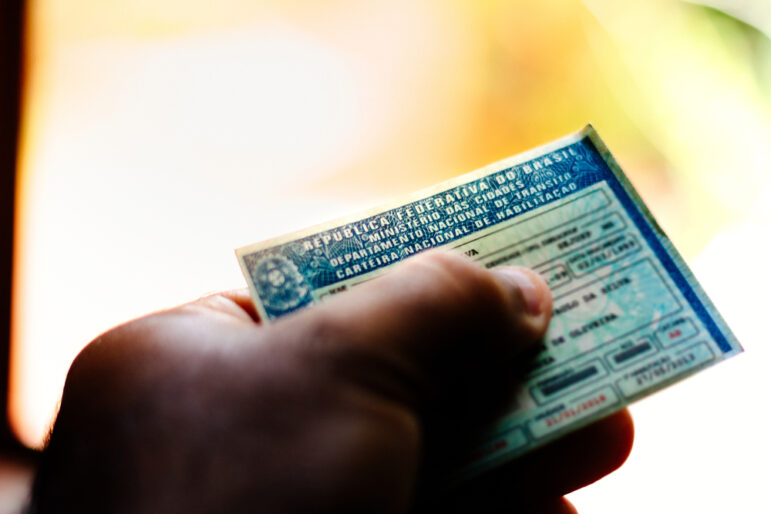
It’s increasingly common for criminals to operate across borders. So investigative reporters also need to know how to identify and investigate people whose names use different alphabets, are formed by unfamiliar conventions, or carry unexpected cultural signals. Read these tips from the OCCRP on best practices for investigating names from outside the English-speaking world.
To get a better sense of the investigative journalism landscape on Substack, GIJN spoke with watchdog reporters who use the platform to publish original investigations and who are not part of a larger news or media organization.
Impact experts say there are several ways to help direct the attention of change-makers — as well as other media — to your key findings, and even nudge them to action.

At the 2023 NICAR conference, GIJN talked with several data journalism experts and learned 10 simple data journalism errors to avoid that could ruin your investigation.

Required disclosures by public officials about their income and assets can be invaluable to investigative journalists. And information about wealth and its sources can play a vital role in uncovering corruption. Official filings are often the starting point for classic follow-the-money stories. However, disclosure laws have gaps, so the public records don’t always reveal the […]
These new reporting tools and apps, which recently debuted at two Bellingcat Hackathons, can help journalists easily archive videos, locate satellite imagery, and track people via online reviews.

There are different tools reporters can use to make video and audio files searchable, they should be an essential part of any investigative journalist’s toolkit.
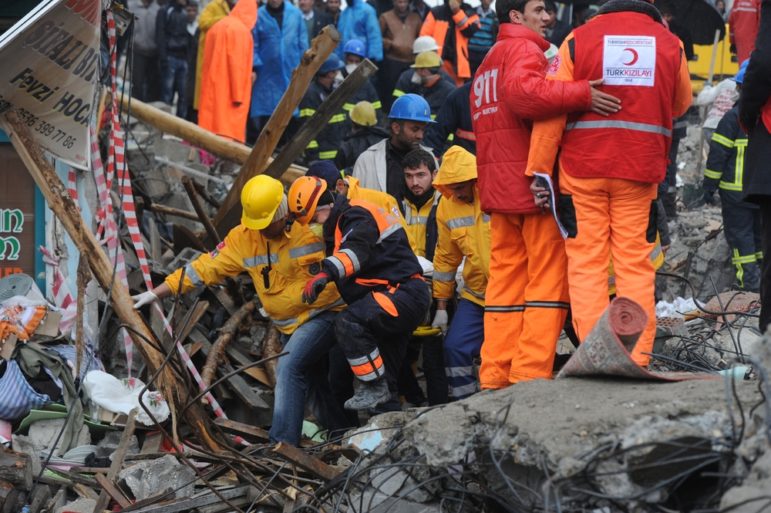
Watchdog reporters should discard the idea that damage from natural disasters is simply due to “acts of nature,” and rather think of it as a mix of hazardous events and human actions.
When news outlets report that new research studies prove something, they’re almost certainly wrong. They find evidence — sometimes, extraordinarily strong evidence. It’s important journalists understand that science is an ongoing process of collecting and interrogating evidence, with each new discovery building on or raising questions about earlier discoveries.

Pavla Holcová is an investigative journalist and founder of the Czech Centre for Investigative Journalism, an independent outlet that does cross-border investigations on organized crime and its impact on the Czech Republic (Czechia) and Slovakia.
Academic research is a crucial tool for investigating societal problems and holding the powerful accountable. Pulitzer Prize-winning investigative journalist Neil Bedi, criminologist Rachel Lovell, and Denise-Marie Ordway of The Journalist’s Resource share practical advice on using academic research in investigative journalism.

In a new book on undercover reporting, Australian journalism professors Andrea Carson and Denis Muller examine whether deception is ever an acceptable method for journalists to use.
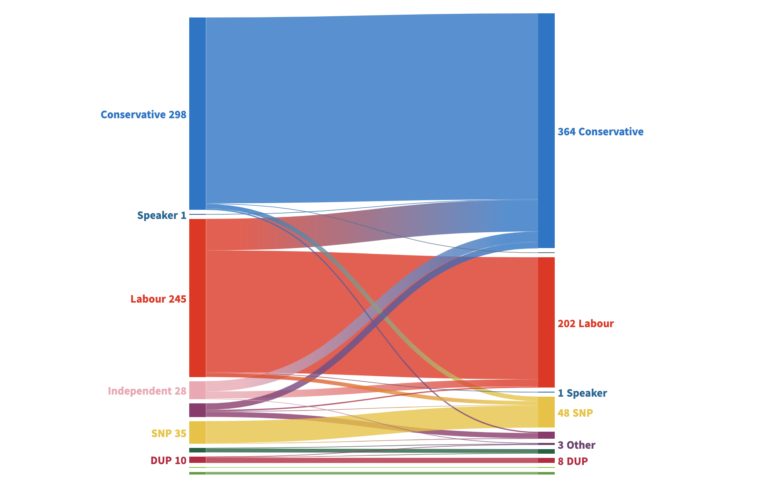
In Flourish’s recent webinar on effective elections and polling visualization, data journalist Mafe Callejón shared essential tips for building an interactive map from election results.
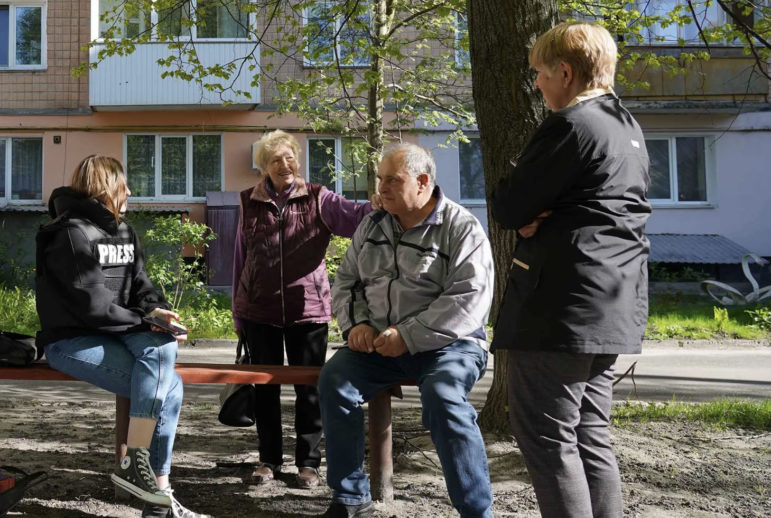
How reporters at OCCRP took a neighborhood Telegram chat from Bucha, Ukraine and turned it into an investigation of life under Russian occupation.
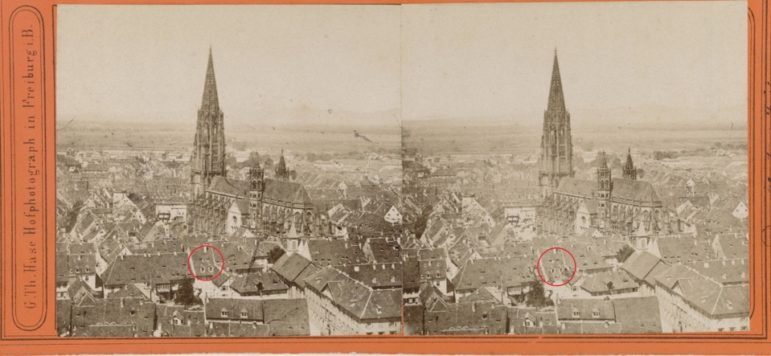
Bellingcat’s Foeke Postma offers tips and tools for using new technology and online resources to investigate old photographs.

Shireen Abu Akleh, a prominent Palestinian-American journalist working with Al Jazeera, was killed by a gunshot to the head on the morning of May 11, 2022, while reporting from Jenin, a city in the West Bank. Abu Akleh was covering a raid by the Israeli Defense Forces (IDF). The controversial killing has drawn global media […]

In 2021, nonprofit journalism site CORRECTIV.Lokal set out to investigate the impact of restricted access to abortion on the health and well-being of pregnant people in Germany. As the recent US Supreme Court ruling shows, ongoing changes to abortion rights and legislation affect millions of people around the world and make this a crucial topic for investigative journalists.

Football (soccer to Americans) is the world’s most popular sport and the World Cup one of its highlights, anticipated by millions, even billions around the globe. The next World Cup takes place in November-December this year in Qatar, based on a decision made in 2010 by football’s governing body, FIFA (the International Federation of Football […]
To investigate what the Russian invasion looked like to TikTok users in Russia and Ukraine, and how the content available differed from one side of the border to the other, a team of journalists from the Norwegian broadcasting company NRK set out to investigate the social networking site’s algorithms and how a user’s location provides differing digital narratives about the war.

The Miami Herald’s award-winning House of Cards investigation of the Champlain Towers South collapse used a dynamic, multimedia scrollytelling format to take readers inside the causes of a deadly construction tragedy.
In 2001 GIJN was born, as investigative journalists from around the globe met for the very first time to share ideas, tips, and best practices to strengthen their reporting in a world where journalism was increasingly under threat.
Today the threat has multiplied, and at GIJN we find ourselves under the same pressures as our member organizations. Most urgently: available funding for investigative journalism has been impacted as some longtime funders who supported journalism in the past are no longer doing so or have closed. Yet our work continues, more important than ever before.
GIJN serves as the global hub for the world’s investigative reporters. Our core mission is to support and strengthen investigative journalism—with special attention to those from repressive regimes and marginalized communities.
We are embarking on our first-ever campaign initiative to help us expand our revenue by the end of the year through individual donors. If you have ever joined one of our free webinars, used one of our free resources, learned a new skill thanks to a GIJN training, or simply believe that press freedom is essential to civil society, we ask you to show your support for GIJN’s work with a donation of your choosing. Called “Friends of GIJN,” this campaign includes a more personalized experience, starting in 2027, for individuals who answer the call to join with us during this unprecedented time.
Truth and democracy are under attack around the world. You can fight back by helping GIJN support investigative journalists with free access to the latest tools and techniques — so they can foster justice and hold accountable those who abuse the public trust.
With a staff based in 24 countries, GIJN works in a dozen languages each day, linking together the world’s most enterprising journalists, offering state-of-the-art training, webinars, tip sheets, and a Help Desk that responds to 2,000+ requests for assistance each year. More than 84% of GIJN’s operating budget goes directly to our program work.
Please make a gift today to support journalists on the front lines of the fight for accountability and human rights.