Reporting Tools & Tips
Investigating Antiquities Trafficking
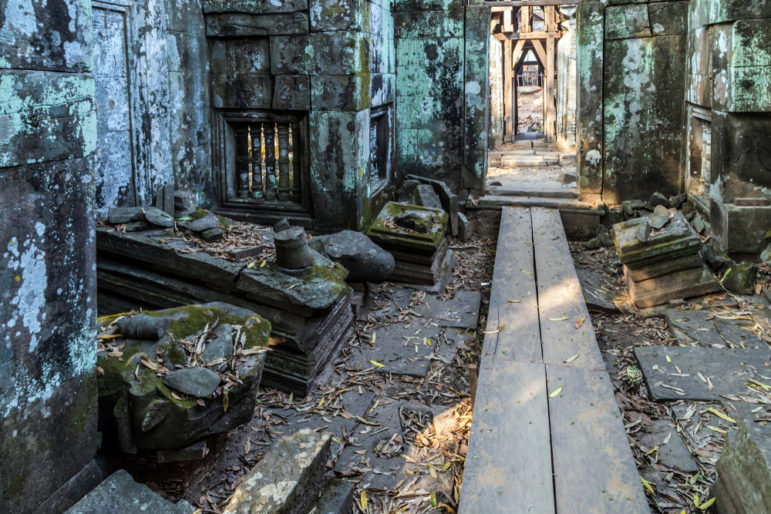
The illicit trade in antiquities is a form of transnational crime that connects the theft at heritage sites to the elite world of the global art market, often via a web of organized crime.
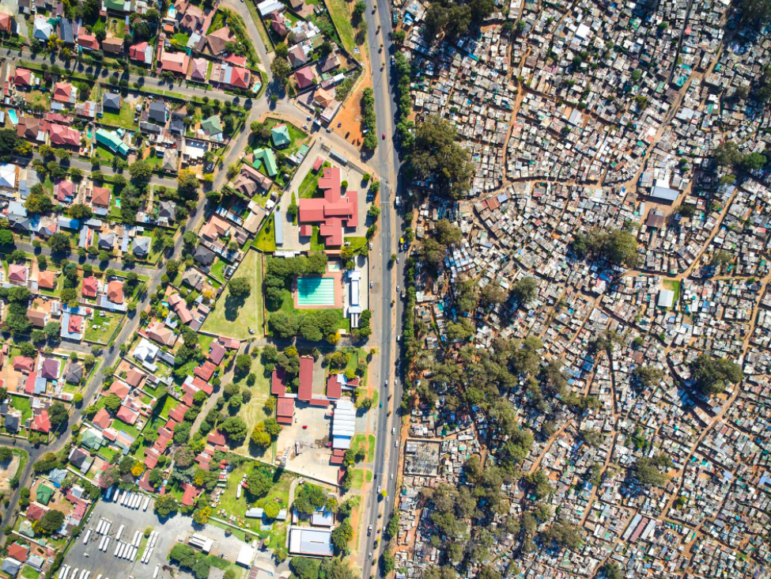
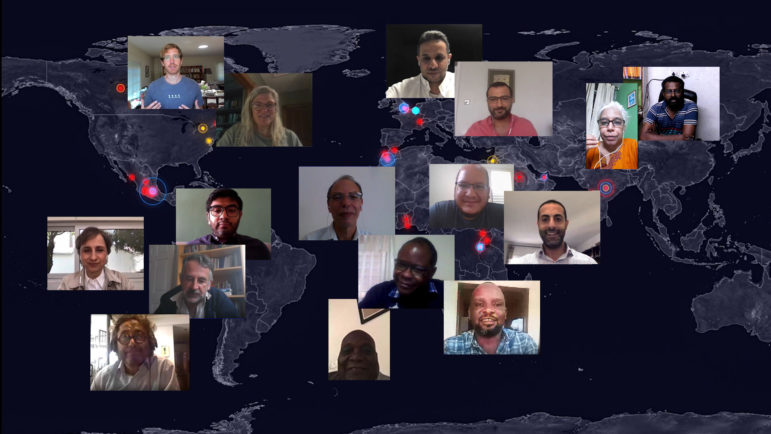
Data on the gap between rich and poor, privileged and marginalized, tends to be nuanced or hard to find. But amid warnings that the COVID-19 pandemic will accelerate the gap between rich and poor, investigative reporters need new tools to show the scale and implications of these gaps. From audiographs to drone imagery, and featuring tips from South Africa and Brazil, we share some of these methods here.
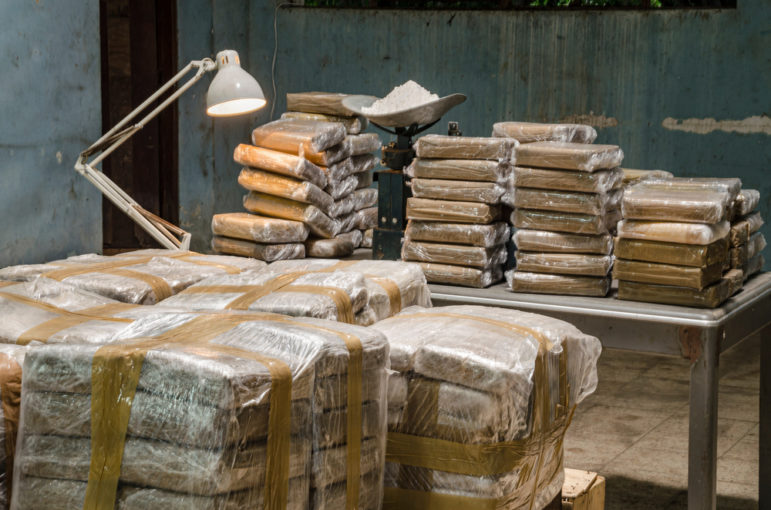
Covering drug trafficking is inherently difficult and can be dangerous. Information is also scant. In most cases, it is best to begin by getting the best data possible. However, in all cases, proceed with caution: data on drug trafficking, especially drug seizures, gives you only a small part of the picture and can even distort reality in some cases.
The practice of independent journalism is facing enormous challenges, ranging from authoritarian regimes implementing regressive laws that stifle speech to journalists being unable to make a living from their work. In order to meet those challenges, journalists can benefit from understanding the protections provided by international law.
Seventy stories and still counting. This is the main result of an ongoing struggle waged since 2017 for the disclosure of all pension and retirement payments by the Brazilian government. On the front line is GIJN member Fiquem Sabendo, a journalism agency specializing in that country’s Freedom of Information Act.
GIJN has updated our popular step-by-step guide on verifying images to help find out whether the photo you saw on social media is the real thing. Try out some simple-to-use free tools — including TinEye, Google Reverse Image Search, Photo Sherlock, and Fake Image Detector — to check the source of a picture and whether it has been manipulated.
In an effort to help journalists and others trying to leave Afghanistan, GIJN has put together this list of resources for emergency evacuation and asylum processes.
There are scores of muckraking techniques that can help journalists gain access to elusive sources and data. Here we share the dozen online tools that leading reporters commonly praised in interviews with GIJN in the past year — and especially those that require few or no special digital skills.
In interviews over the past year, dozens of leading journalists have told me about the scores of tools and techniques that proved helpful in their investigations. But, again and again, these top muckrakers point to about a dozen tactics that they rely on all the time. We share those favorite techniques in this roundup.
Many reporters never notice the “inspect element” option below the “copy” and save-as” functions in the right-click menu on any webpage related to their investigation. But it turns out that this little-used web inspector tool can dig up a wealth of hidden information from a site’s source code, reveal the raw data behind graphics, and download images and videos that supposedly cannot be saved.
Talya Cooper spent several years working alongside journalists in a newsroom, where she witnessed some “unholy messes” of files on both physical and virtual desktops. But as she writes here, while taking good care of data requires some time and money the loss of irreplaceable reporting work can come at a higher cost.
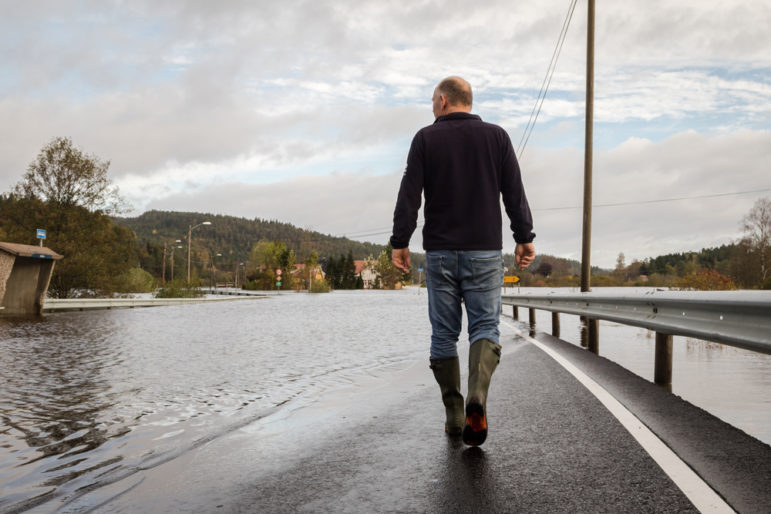
How do you increase your readers’ interest in climate stories? Two award-winning projects from the online team at Norway’s NRK offer insight that could help newsrooms increase impact and engagement in climate coverage.
In June, a French court indicted executives from two surveillance companies on charges of complicity in torture in Libya and Egypt, following revelations by journalists about their alleged technology sales to repressive regimes. In a series of interviews, investigative reporters shared tips and tools that newsrooms around the world can use to uncover the spyware and monitoring systems their governments are buying.
Whether investigating human rights abuses, money laundering, or even public officials’ conflicts of interests, reporters are increasingly developing their own databases for investigative projects. Here are a series of tips drawn from the experiences of a number of international journalists and from the author’s personal experience gathering and creating data sets for investigative stories.
Here’s how three Mexican investigative journalists have used public information requests to aid their reporting on drug trafficking and the government’s fight against it.
For many investigations — especially those involving corporations, or institutions in the West — the final step is to send a letter that sets out your findings and urges a response. Here, several investigative reporters share their tips on how to deal with obstructive subjects and ensure fairness — including fairness for dangerous governments that cannot be alerted to your findings before publication.
We’ve compiled a spreadsheet containing major reports, key groups, databases, and stories to help you investigative illegal wildlife trafficking. This table is a list of major reports, key groups, examples of investigative journalism, and relevant databases on illegal Wildlife Trafficking. The collection is part of GIJN’s Illegal Wildlife Trafficking guide, which can be found here. […]
GIJN invited experienced journalists and activists to answer one key question about reporting on illegal wildlife trafficking (IWT): What stories should investigative journalists interested in this subject concentrate on? Their reflective answers are based on years in the field. The experts are not of one voice. Some stress looking for more unusual stories: about the […]
The most widely quoted estimates for the financial size of illegal wildlife trafficking (IWT) are built on quicksand and are so old, vague, and poorly calculated that they should be avoided in your reporting, according to experts consulted by GIJN. Better to focus on the demonstrated negative impact of trafficking on plant and animal populations. […]
“Bushmeat in the city? I say ‘No!’” That’s the key message from a recent public awareness campaign to reduce demand for meat from wild animals. The video (in French) features women in an African marketplace. It was created by the Center for International Forestry Research, a nonprofit scientific organization, headquartered in Indonesia, with four offices in […]
Arrests for IWT rarely result in successful prosecutions and convictions. The penalties and prison sentences given are remarkably low. Only 11% of wildlife crimes were successfully prosecuted, according to a 2017 report by the Asia/Pacific Group on Money Laundering and the United Nations Office on Drugs and Crime. Of the cases examined for the report, […]
Supply chains connect wildlife suppliers to end users. However, there is too much focus on poaching and not enough on trafficking, according to Andrea Crosta, executive director of Earth League International, an NGO that investigates wildlife crime and runs WildLeaks. “We know what happens at poaching level and at the end of the supply change,” […]
Social media is now extensively used to facilitate illegal wildlife trafficking (IWT) and journalists can generate many kinds of stories by probing these online platforms. The prevalent role that social media plays in trafficking is well-documented by academics, NGO researchers, and journalists. Perhaps the best line of inquiry for reporters is to conduct narrow searches […]
The webs of trafficking are varied and complex, so many kinds of people are potentially involved, as protectors and perpetrators. Below are suggestions about who to interview and key factors to consider when getting started. Sadiq Naqvi, an independent investigative journalist in India who has written about rhino poaching, said: “It is very important to […]
In a panel at IRE21 — the annual conference hosted by Investigative Reporters & Editors — veteran reporters shared a dozen tools and tips that can help time-pressed beat reporters keep investigations running ‘on the side.’
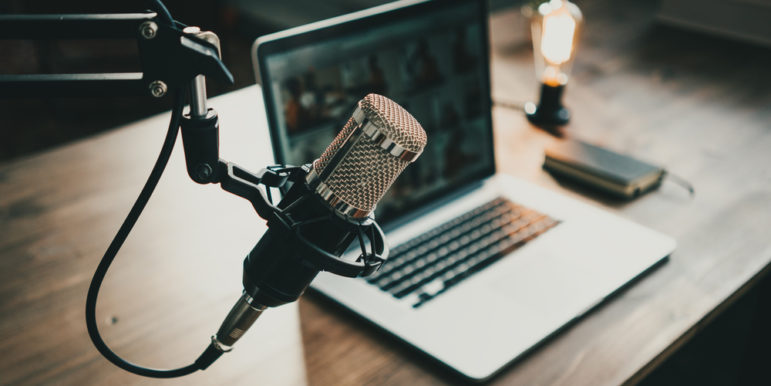
Good audio is essential to quality mobile reporting and because mobile journalists — or mojos — often work unassisted, they require equipment that’s easy to use and quick to set up. Here are some newly-released smartphone audio offerings, as recommended by GIJN’s resident mojo expert Ivo Burum, that can help.
The criminal blueprint and its elements need to be understood to efficiently follow the money and stop criminals from doing business as usual. Criminals, both the ones just starting out as well as those who are already well established, have regional and global infrastructure that is continuously built and maintained by what the Organized Crime and Corruption Reporting Project (OCCRP) team calls the “criminal services industry.” Here’s OCCRP’s Paul Radu on how it works and how to untangle it.