
Stories
Data Journalism
Top Ten #ddj: The Week’s Most Popular Data Journalism Links
What’s got the data-driven journalism crowd tweeting about? Here are the week’s Top Ten links for Feb 27-Mar 5: cool #NICAR15 tools + tutorials (@MacDiva), mapping power in Africa (Guardian), how to find, extract + use #OpenData (IJNet), and the history of immigration in England + Wales (Times of London).
News & Analysis
Muckraking Environmental Documentary Too Much for Beijing
The 103-minute documentary on pollution that has taken China by storm — Under the Dome — has proven too much for officials in Beijing, who have removed the film from popular Chinese video sites. After the video’s online release on February 28, Under the Dome garnered an extraordinary 100 million views in under 24 hours.

Data Journalism
Digging for Truth with Data: Computer-Assisted Reporting
The media’s now widespread embrace of data journalism has made the book Computer-Assisted Reporting as relevant as it was 20 years ago. With this newly revised, fourth edition, Brant Houston has expanded on his previous work. Take a look at how to use the tools of the trade.

News & Analysis
Jailed Journalist in Azerbaijan Denies Charges, Rebukes Regime
Khadija Ismayilova is an internationally recognized investigative journalist known for her work digging into the hidden financial dealings of Azerbaijan’s first family. In jail and facing up to 12 years in prison, Ismayilova released her closing statement at her most recent trial through her lawyer. It’s published here.

GIJN Welcomes Seven New Members from Six Countries
Seven journalism organizations from six countries are the latest groups to join the Global Investigative Journalism Network. This increases GIJN’s membership to a record 114 organizations in 53 countries. Please join us in welcoming our newest members!

Data Journalism
Putting the “Open” in Open Data: Creating a Global Standard
Open Data is spreading across the globe and transforming the way data is collected, published, and used. But all of this is happening without well-documented standards, leading to inconsistent metadata, no or little corroboration of sources, and conflicting terms of use. The Data on the Web Best Practices Working Group is working to change this.
Data Journalism
Top Ten #ddj: The Week’s Most Popular Data Journalism Links
What’s the data-driven journalism crowd tweeting about? Here are the week’s top ten data journalism links for Feb. 20-26: @jeffrey_heer on data viz’s future (O’Reilly Media), measles in Germany (Der Spiegel), Open Data boosts democracy (Guardian), Greece’s debt (WSJ), cheap data tools (@nilmulvad), and more.

News & Analysis
Untold Stories: A Survey of Freelance Investigative Reporters
Project Word asked about the challenges and opportunities facing contemporary freelance investigative reporters. The organization surveyed more than 250 journalists in 36 states in the U.S. and 26 countries. Among its key findings: increasingly dire conditions in the freelance economy are forcing many journalists to abandon public-interest stories.
Data Journalism
Drilling Down: A Quick Guide to Free and Inexpensive Data Tools
Newsrooms don’t need large budgets for analyzing data–they can easily access basic data tools that are free or inexpensive. Editor and Associate Professor Nils Mulvad explains how.

Data Journalism
Top Ten #ddj: The Week’s Most Popular Data Journalism Links
What’s hot on Twitter for #ddj? Here are the week’s most popular links for February 13-19.

News & Analysis
21st Century Muckraking: Investigative Reporting Unleashed
During the first decade of the 21st century, a transformation in journalism began in Europe and spread to other continents. A movement in the use of data for investigations has helped lead to a resurgence of investigative reporting and has spurred the creation of small online newsrooms, as well as non-profit journalism. As ever, the conundrum of paying for it remains.


Data Journalism
Top Ten #ddj: The Week’s Most Popular Data Journalism Links

News & Analysis
U.S. Muckrakers: Top Worry Is Newsroom Resources, Not Spying
Despite concerns over government surveillance, a recent survey by the Pew Research Center of investigative journalists found that few have let those worries prevent them from pursuing a story or reaching out to a source. The survey also found a more pressing concern–decreasing newsroom resources.

Data Journalism
Top Ten #ddj: The Week’s Most Popular Data Journalism Links
What’s the data-driven journalism (#ddj) crowd tweeting about? They are sharing links about the NYTimes’ Upshot’s “redesign of news,” Vox’s data journalism approach, avalanche myths from France’s ESJ Lille, and much, much more.

News & Analysis
Think Tanks: Why Journalists Should Be More Skeptical
Think tanks are no less susceptible than any other institution to the temptations of money and power. There is a real need to address the single most important ingredient of a think tank’s quality: the integrity of its research. Journalists can do their part by treating claims of impartiality more skeptically and providing context about possible conflicts of interest.

Data Journalism
Top Ten #ddj: The Week’s Most Popular Data Journalism Links
What’s the data-driven journalism (#ddj) crowd tweeting about? Why does the world have more men than women; where is the most expensive place in Africa to run a presidential campaign; and what is “precision medicine?” Find out here!

News & Analysis
Investigative Journalism Under Fire: A Case Study from Serbia
A growing number of reports of self-censorship, hacked websites, and intimidation and arrest of writers in Serbia has prompted public warnings by the U.S. government, EU and OSCE. One of the country’s top journalists, Branko Čečen, is firing back with a hard-hitting critique on the sorry state of the nation’s media. He asks: Who’s really interested in accountability and real reporting in Serbia today?
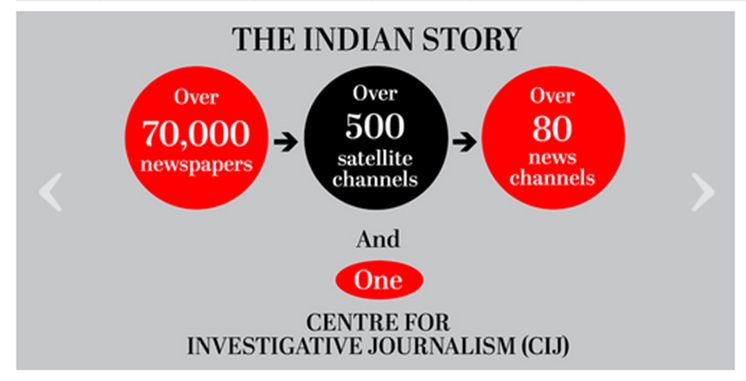
GIJN and India’s CIJ Team Up for “Watchdog Reports”
GIJN has partnered with the Centre for Investigative Journalism, India to launch a new feature, Watchdog Reports. This daily feed on CIJ’s website curates items on investigative reporting from India and around the world, including news of the latest tools, techniques, fellowships, awards and more. India’s center, founded last year, is working with leading journalism schools and media “to train a new generation of Indian investigative journalists.”

Data Journalism
Top Ten #ddj: The Week’s Most Popular Data Journalism Links
What’s the data-driven journalism (#ddj) crowd tweeting about? African Cup of Nations athletes, Berlin bus tours, ATMs that tell us how rich our cities are, and more!
News & Analysis
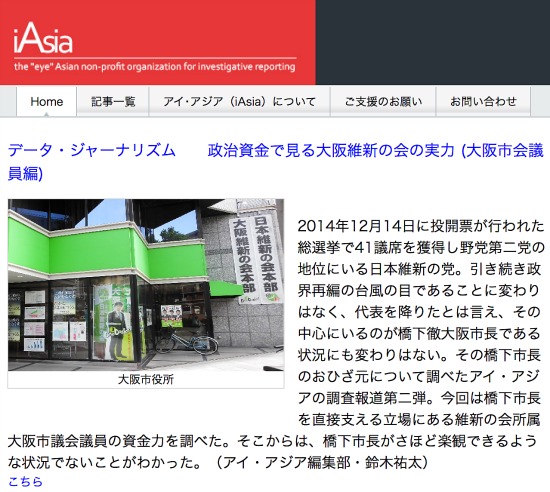
Japan’s Investigative Journalists Push Back Despite Secrecy Laws
As Japan imposes new laws that threaten to restrict the freedom of the press, some Japanese reporters and activists are seeking new ways to conduct investigative journalism. The problem for Japan now is finding its own sustainable business models, as happened in other Asian countries such as South Korea or the Philippines, where there are now thriving investigative reporting centres.
News & Analysis
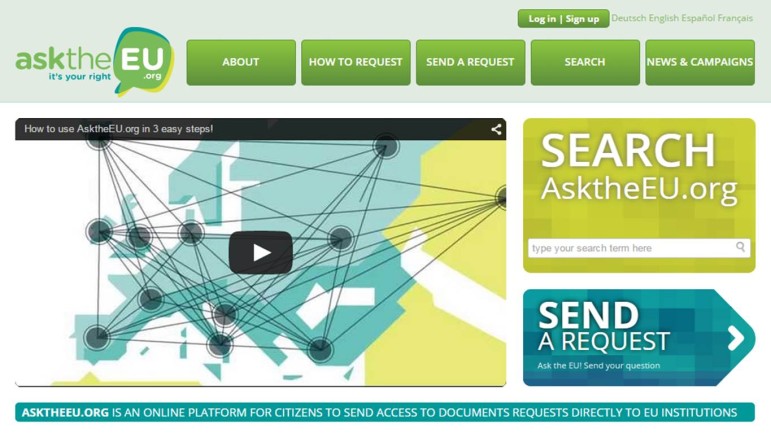
How Well Do Online Freedom of Information Tools Actually Work?
Online FOI tools have gone global, but how well do they really work? UK-based nonprofit mySociety, which makes the Alaveteli FOI platforms came to some surprising conclusions about the sites’ impact and who uses them. Read the reports’ highlights to find out.

Data Journalism
Top Ten #ddj: The Week’s Most Popular Data Journalism Links
What’s hot among the data-driven journalism (#ddj) twitterati? A bus tour of Berlin, 30 years of reporting on HIV/AIDS in Kenya, 100 ways to visualize a text, and when correlation does not equal causation. Time for this week’s Top Ten #ddj!

Data Journalism
Top Ten #ddj: The Week’s Most Popular Data Journalism Links
What’s the data-driven journalism (#ddj) crowd all in a Twitter about? Here are the new year’s Top Data Journalism Links for January 1-8. Included in this week’s items are visuals from Le Temps, FiveThirtyEight, and OpenDataCity.

News & Analysis
You Can’t Kill an Attitude: Remembering Charlie Hebdo
As I write, the news coverage of the massacre at Charlie Hebdo’s offices has been remarkably good, detailing the weekly’s provocations of Islam over the years. Less has been said about Charlie’s running battle with the French extreme right, and its role in widening the space for investigative reporting in France… This assassination has failed, stupidly and massively. It has created a bigger public than Charlie ever created on its own.
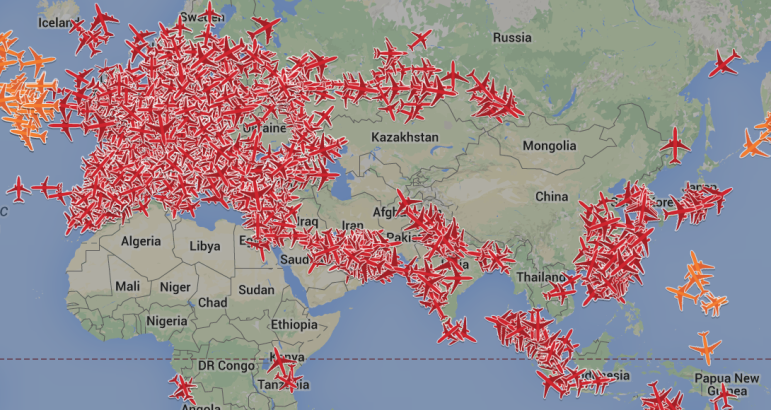

Top Ten #ddj for 2014: The Year’s Most Popular Data Journalism Links
What has the data driven journalism (#ddj) crowd been tweeting about all year long?? What are the most popular hashtags? The most searched domains? The top mentions? We look back on…a year of “things” (BBC), guesting with strangers in à la Airbnb (Le Temps), all of history in “one click” (Herodote.net), the genius of Edward Tufte, and so very much more!