
News & Analysis
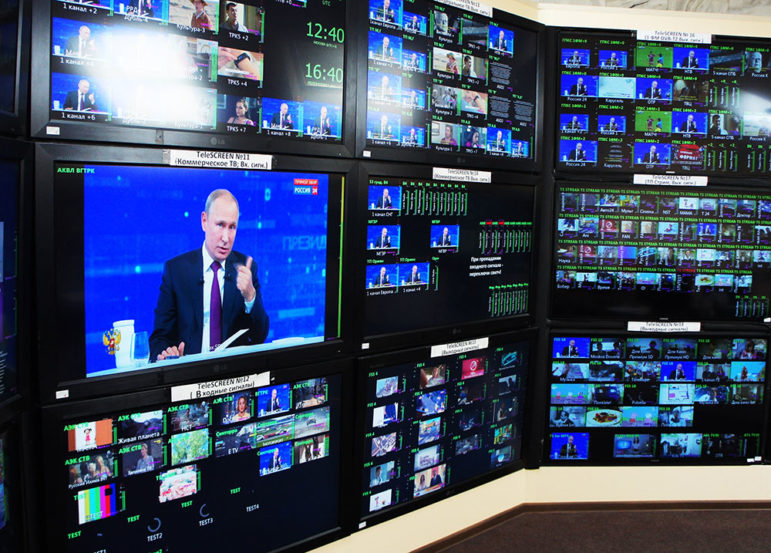
How a Purported Fact-Checking Site Spreads Russian Propaganda
A website and Telegram channel operated from Russia falsely claims to be a fact-checking site and, in fact, is repeatedly pushing out Russian disinformation about the war.
A website and Telegram channel operated from Russia falsely claims to be a fact-checking site and, in fact, is repeatedly pushing out Russian disinformation about the war.
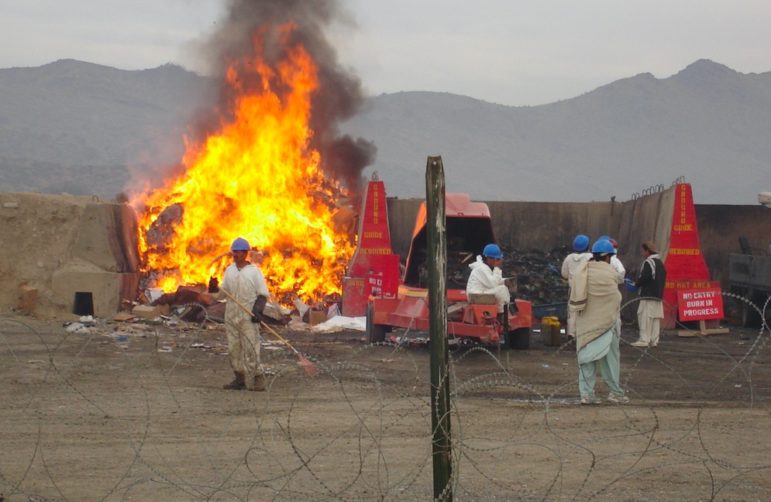
The reporter who first broke open the US military burn pits scandal and its hazardous environmental impact on veterans discusses how she reported the story and tracked its evolution to the halls of the US Congress.

In our latest GIJN webinar, members of forensic investigation teams from Bellingcat and The Washington Post explained how they analyzed the killing of Palestinian-American journalist Shireen Abu Akleh, who was shot in the West Bank city of Jenin in May.
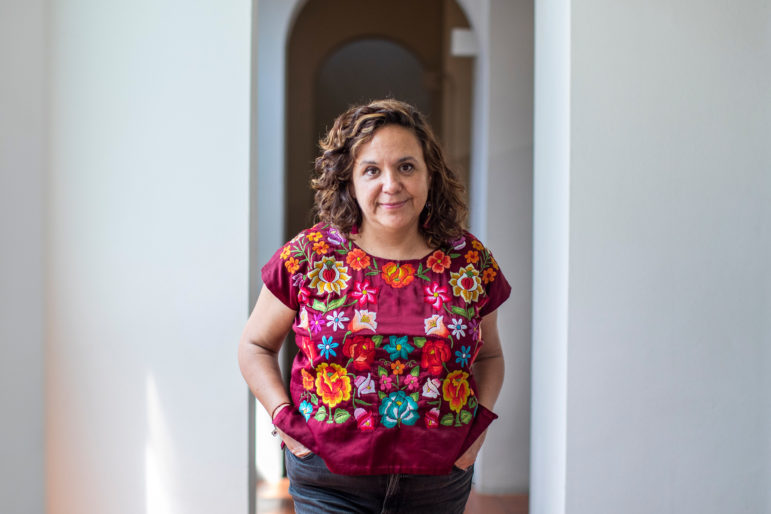
Journalist Marcela Turati has spent years investigating who is responsible for the thousands of people who have gone missing in Mexico. She spoke to Revista 5W magazine about her work, the dangers of investigating corruption in the country, and why it is so difficult to try and track down who is behind violent crimes against journalists and migrants.

While there are plenty of examples of student investigative reporters who are supported by their institutions, there are many others who face a lack of cooperation, low pay, legal threats, funding issues, and even physical harm.
Investigative journalists work tirelessly to get the truth and ensure that the public is informed on topics that are of public interest. Jamlab interviewed nine African investigative journalists to talk about their experiences of reporting in their respective countries.
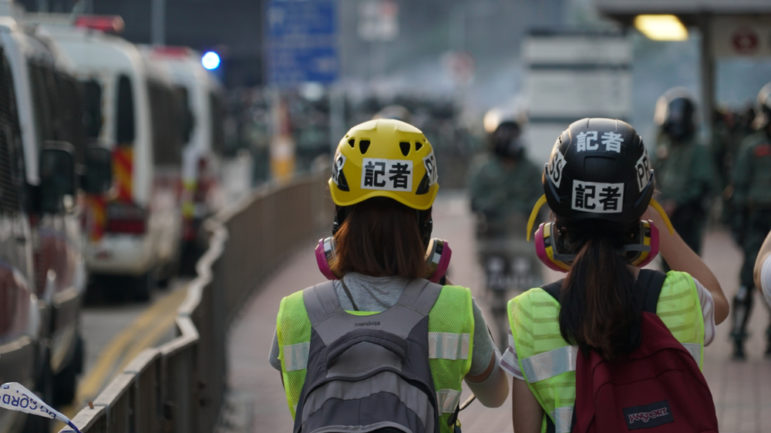
Conditions for journalists in authoritarian countries are challenging and often dangerous. In light of these challenges, journalists and donors need to widen their understanding of the less traditional ways journalism generates impact.
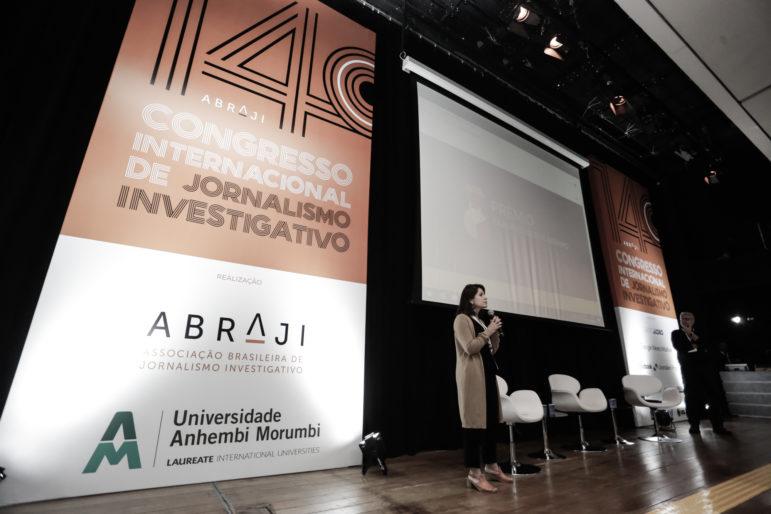
Since its inception 20 years ago, the Brazilian Association of Investigative Journalism (Abraji) has remained faithful to its founding principles: professional training, defense of freedom of expression, and the right of access to public information.
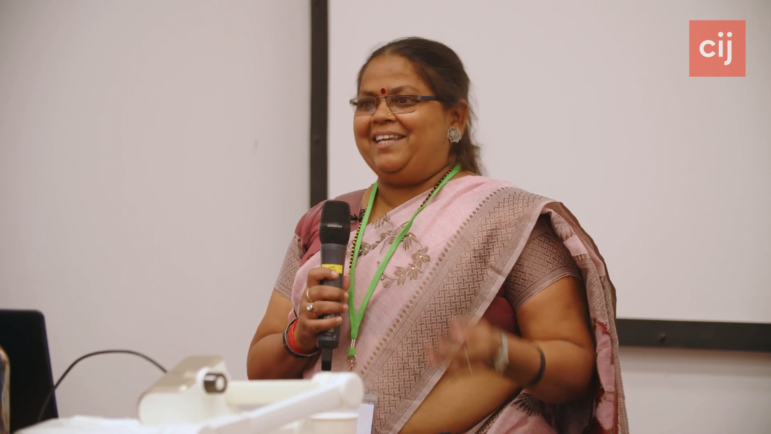
Meera Jatav, the co-founder of the award-winning, grassroots feminist media organization Khabar Lahariya, has won admiration for her courageous investigations into gender-based violence and caste in India. Here is the keynote speech she delivered at the Centre for Investigative Journalism’s summer conference in London.

The Miami Herald’s award-winning House of Cards investigation of the Champlain Towers South collapse used a dynamic, multimedia scrollytelling format to take readers inside the causes of a deadly construction tragedy.

The renowned Sri Lankan journalist was driving to his office when motorcycle riders stopped his car and bludgeoned him to death in broad daylight on the streets of Colombo in 2009. Now, a former detective who ran an official probe into the attack has given new testimony, raising questions about who may have been complicit in the killing.
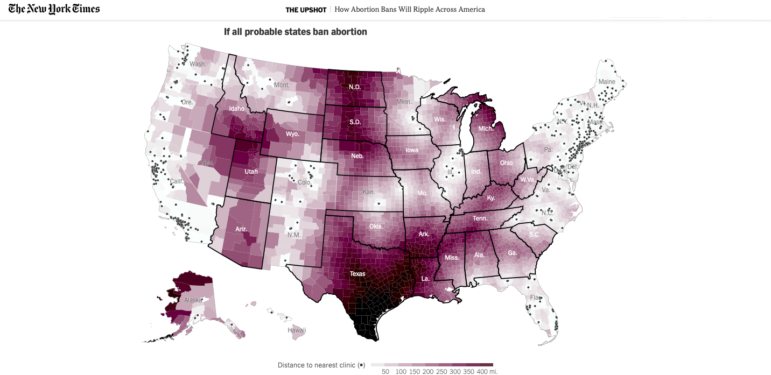
This week’s Top 10 in Data Journalism looks at the impact of the Dobbs US Supreme Court ruling on travel time for women seeking an abortion in the US, China’s intensifying surveillance on its population, the impact of heat waves on fragile populations in Germany, the state of the Russian army after four months of war, and the gender inequity in speeches in the Zurich Parliament.
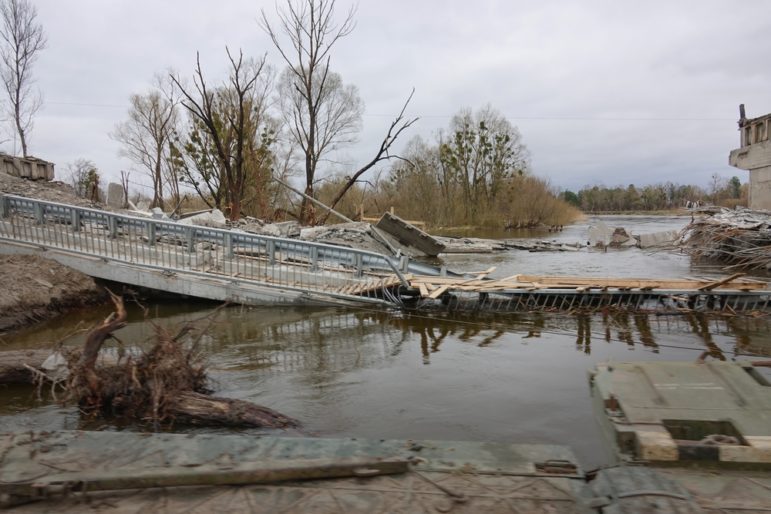
Amid Ukraine’s whole-of-society wartime reorganization, experts and activists are using their skills to track the impact of the conflict on the country’s national parks and biospheres and to document possible environmental war crimes.

Gina Chua’s keynote address to the IRE22 conference in Denver, in the US, emphasized how rebuilding public trust in investigative journalism requires a diverse workforce that truly represents and engages with the communities it serves.
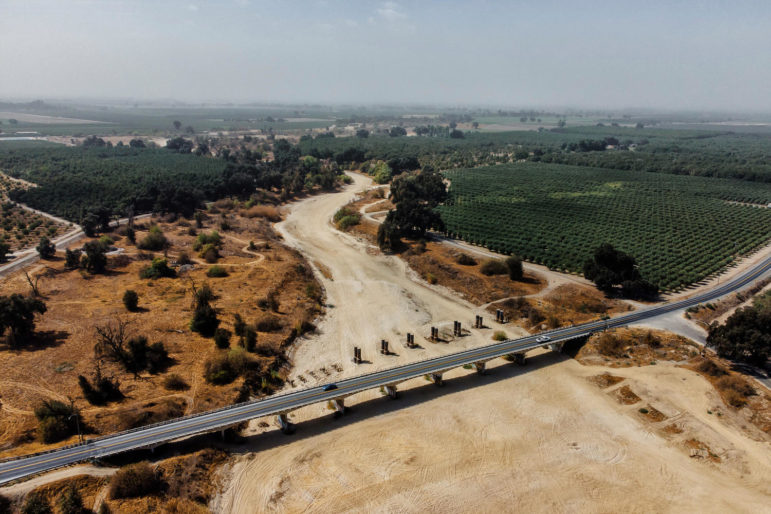
From respecting that different journalists have different styles of reporting to using voices from the field to tell the story, and from keeping it simple with clear language to just ‘getting started,’ here are tips from two experienced reporters for the write-up stage of an investigation.
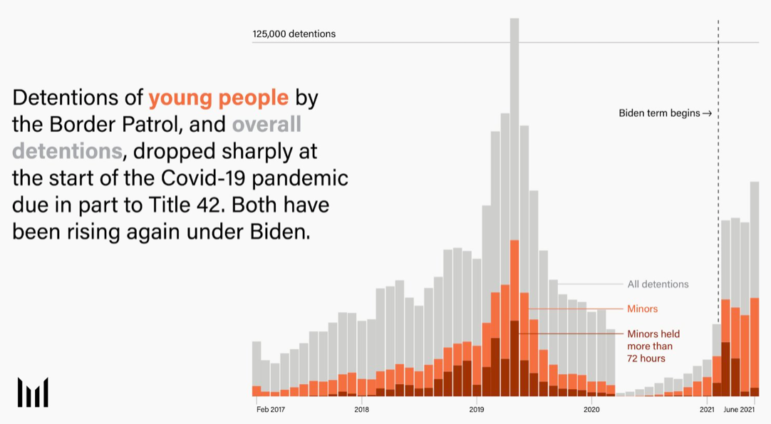
This week, our DDJ Top 10 looks at The Marshall Project’s analysis of child detention at the US border, the Baltimore Banner’s in-depth story on the city’s vacant housing crisis. Plus, we dive into stories using historical data to investigate how slavery broke apart families, a flight analysis on the new destinations of the Russian elite, and a look at Facebook’s “broken promises.”
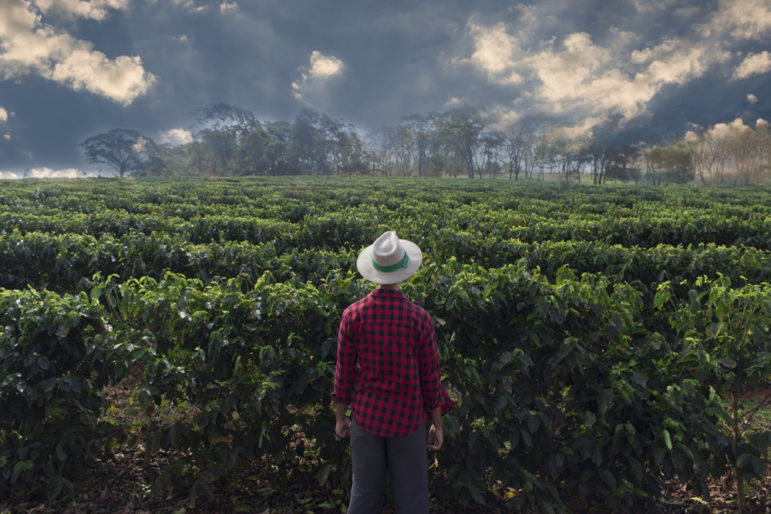
While food is often covered from a cultural lens, it is increasingly garnering the attention of investigative journalists, who are bringing new scrutiny to the environmental impacts of supply chains, labor conditions, and political influence linked to food.

Winners of the prestigious 2022 Society of Publishers in Asia (SOPA) Awards were recently announced in Hong Kong, in a gala event that recognized innovative data and investigative journalism as well as the courage of reporters working in Asia’s rising climate of censorship and media repression.
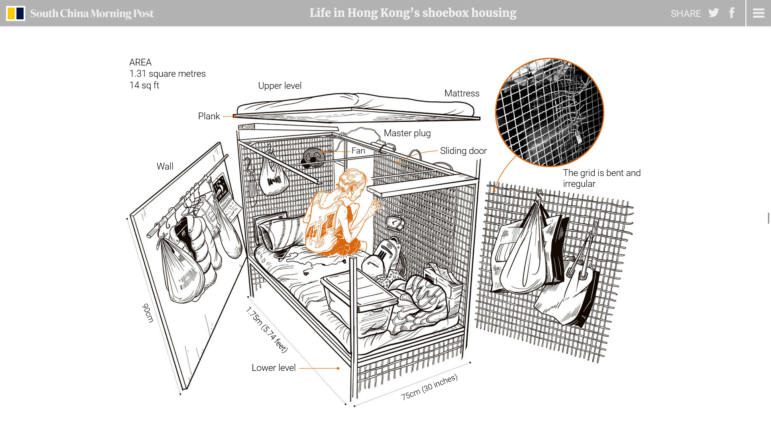
This week, GIJN’s roundup of the best in data journalism features an analysis of the impact of Russia’s Black Sea blockade on the global food chain, a deep dive into the US military’s role in aiding Saudi-led airstrikes in Yemen, and a look at how different forms of inequality affect the lives of residents in Brussels, Belgium.
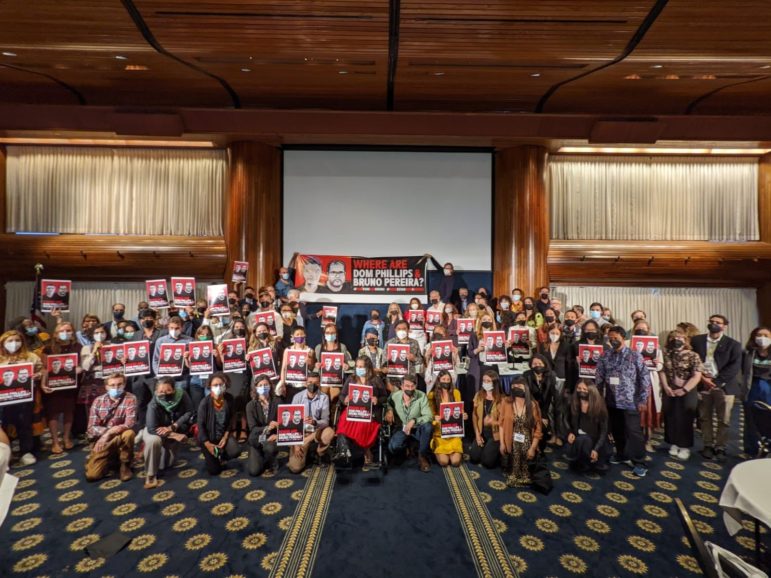
Attendees at the Pulitzer Center’s climate change reporting summit held up posters and spoke out to raise awareness about the disappearance of journalist Dom Phillips and Indigenous activist Bruno Pereira, who went missing in the Amazon rainforest. A suspect has since confessed to killing the men, and two bodies thought to be them have been found, according to media reports.
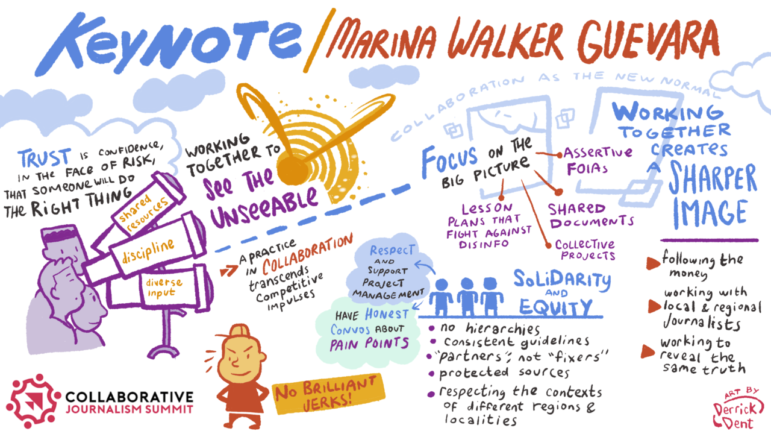
The Pulitzer Center’s Marina Walker Guevara sees collaboration as one of the most significant paradigm changes in journalism of the past 50 years. In a keynote speech at the Collaborative Journalism Summit, she said that by working together, reporters can investigate stories that “transcend us, transcend our competitive instincts, our newsrooms’ politics, and our own egos.”

This week’s Top 10 in Data Journalism looks at the impact of the Ukraine war on the food prices around the world, inequality in radiotherapy access in Spain, the cost of breastfeeding for women, how going viral on TikTok can bring career success, and the places Germans can go for €9.
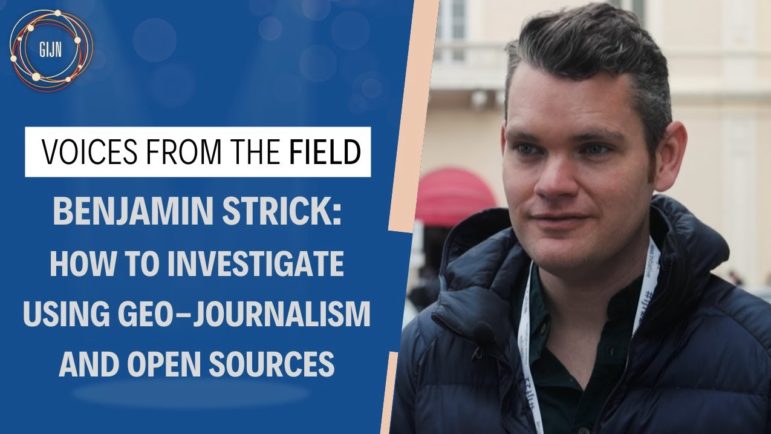
Speaking at IJF22, Centre for Information Resilience investigations director Ben Strick offered 10 tips for integrating geolocation and open source data in investigative journalism.
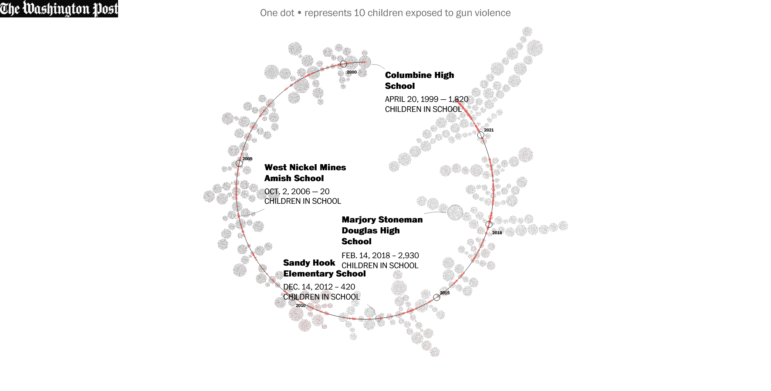
This week’s Top 10 in Data Journalism column looks at schools shootings in the US, the faces from China’s Uyghur detention camps, heat records in the US, migrants at the Polish-Belarus border, the parcels sent by the Russian troops back home or the suicide toll in European jails.
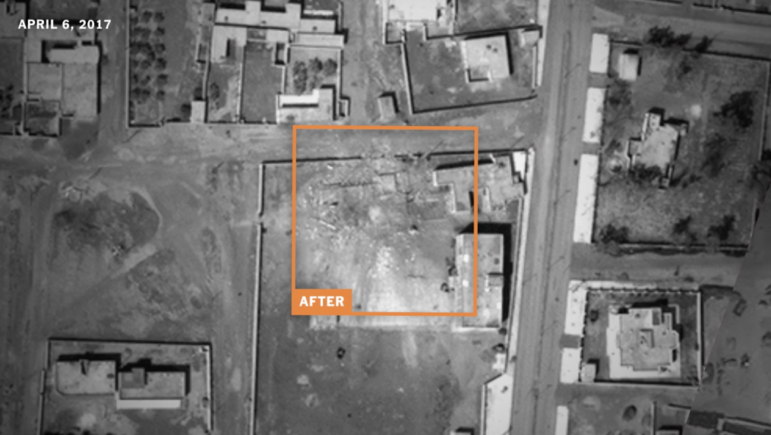
To get a behind-the-scenes look at The New York Times’ Pulitzer Prize-winning investigation into the civilian death toll of US airstrikes, GIJN interviewed two key members of the reporting team: Christoph Koettl, a member of the Times’ visual Investigations team, and the series’ lead reporter, Azmat Khan.
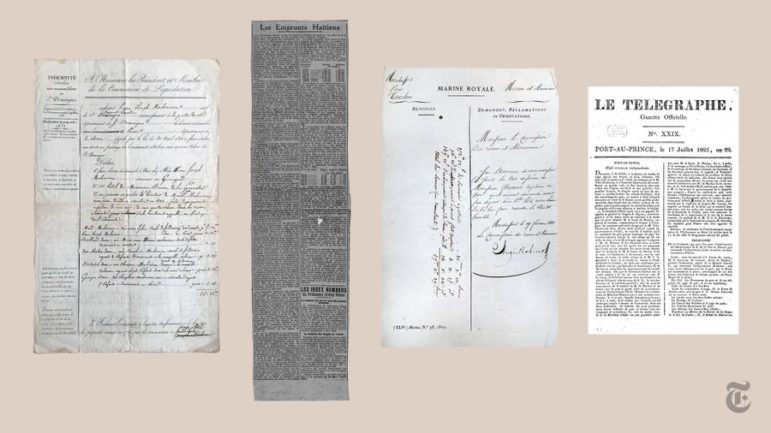
This week’s Top 10 in Data Journalism column looks at a historical investigation into Haiti’s lost billions, visualizing COVID’s US death toll, and Asia’s growing wealth inequality.
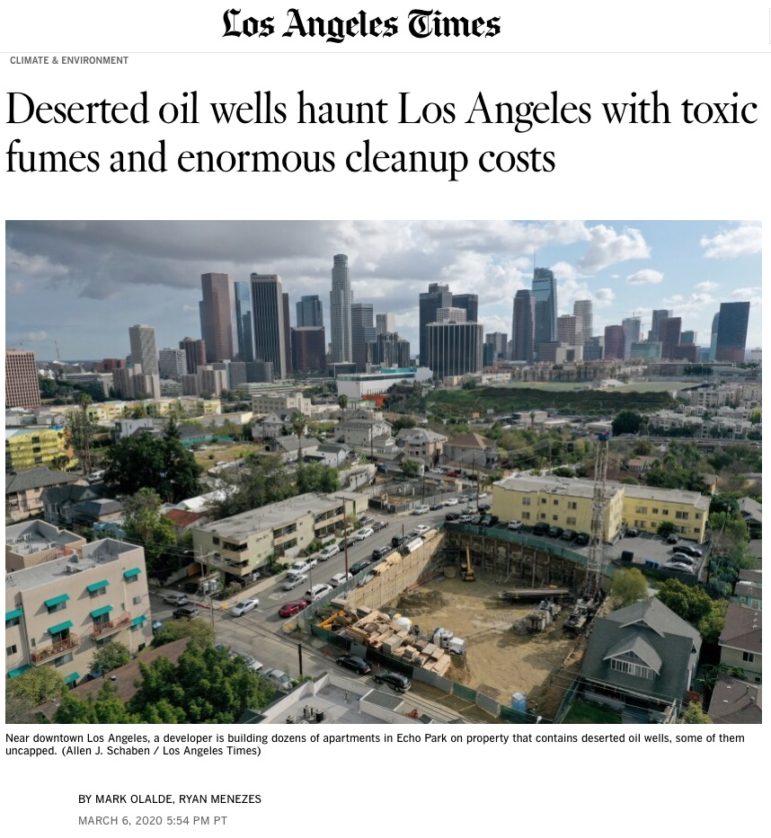
In a recent Q+A, environmental reporter Mark Olalde discussed a collaborative investigation on the impact of abandoned oil wells and other extractive industry infrastructure on nearby communities. The investigation won second place in the investigative reporting category at the awards of the Society of Environmental Journalists.
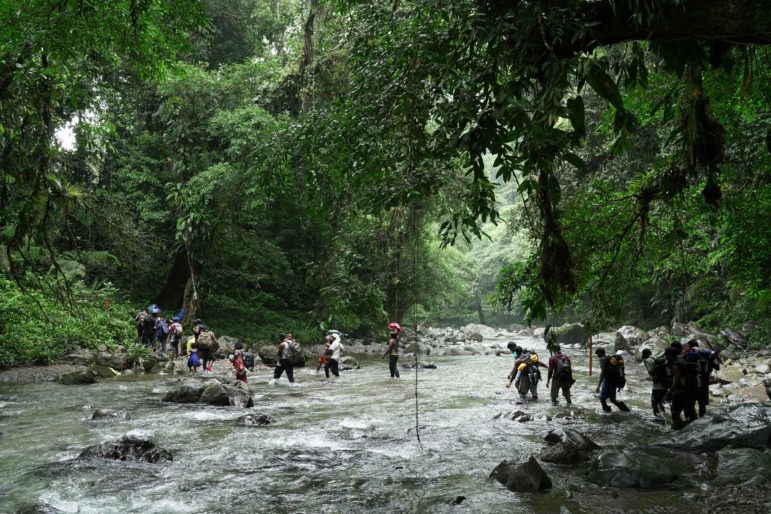
Every year thousands of migrants cross one of the most dangerous borders in the world: the Darién Gap, a magnificent but deadly rainforest that connects Colombia and Panama. GIJN spoke to a Pulitzer Prize-winning reporter, and one of her teammates, who trekked through the jungle to investigate what happens en route.
In 2001 GIJN was born, as investigative journalists from around the globe met for the very first time to share ideas, tips, and best practices to strengthen their reporting in a world where journalism was increasingly under threat.
Today the threat has multiplied, and at GIJN we find ourselves under the same pressures as our member organizations. Most urgently: available funding for investigative journalism has been impacted as some longtime funders who supported journalism in the past are no longer doing so or have closed. Yet our work continues, more important than ever before.
GIJN serves as the global hub for the world’s investigative reporters. Our core mission is to support and strengthen investigative journalism—with special attention to those from repressive regimes and marginalized communities.
We are embarking on our first-ever campaign initiative to help us expand our revenue by the end of the year through individual donors. If you have ever joined one of our free webinars, used one of our free resources, learned a new skill thanks to a GIJN training, or simply believe that press freedom is essential to civil society, we ask you to show your support for GIJN’s work with a donation of your choosing. Called “Friends of GIJN,” this campaign includes a more personalized experience, starting in 2027, for individuals who answer the call to join with us during this unprecedented time.
Truth and democracy are under attack around the world. You can fight back by helping GIJN support investigative journalists with free access to the latest tools and techniques — so they can foster justice and hold accountable those who abuse the public trust.
With a staff based in 24 countries, GIJN works in a dozen languages each day, linking together the world’s most enterprising journalists, offering state-of-the-art training, webinars, tip sheets, and a Help Desk that responds to 2,000+ requests for assistance each year. More than 84% of GIJN’s operating budget goes directly to our program work.
Please make a gift today to support journalists on the front lines of the fight for accountability and human rights.