Resource Guide Chapter
Facial Recognition Made Easy
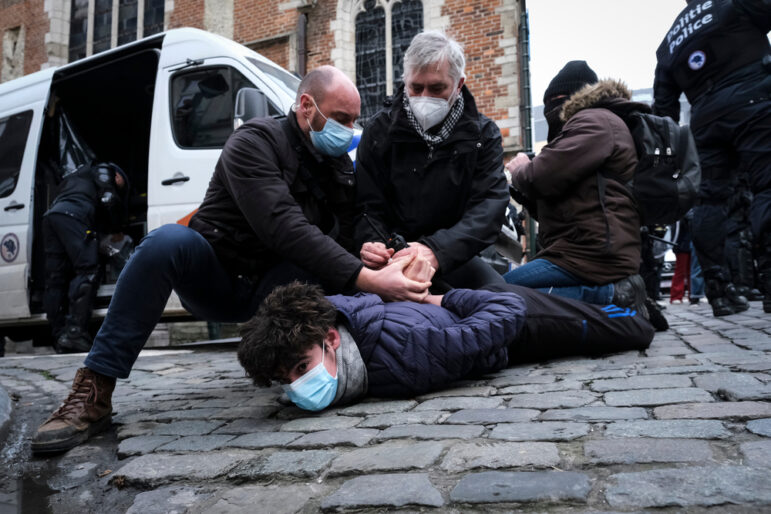
When disaster strikes, corruption occurs, or social injustice happens, facial recognition technology can expose hidden truths. The technology can, however, provide false information as well.
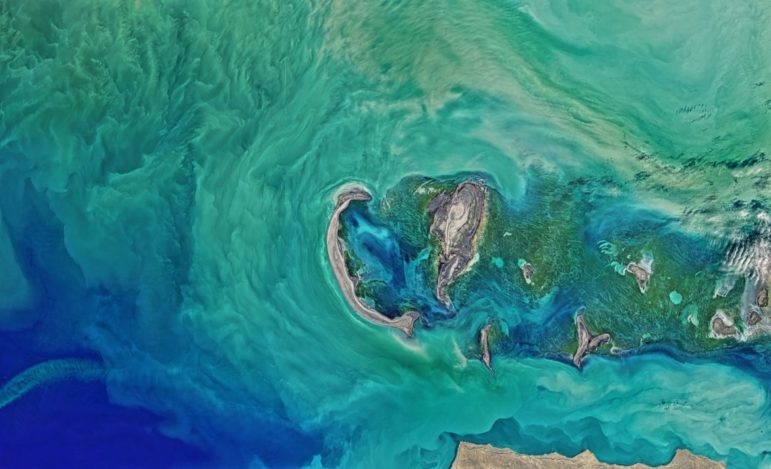
Satellite images are powerful tools for discovery and analysis, plus provide vivid illustrations. Discover GIJN’s favorite resources.
GIJN senior reporter Rowan Philip shares accumulated best practices from reporters around the world, on how to investigate culprits of war, human rights abuses, and other conflict.
Committing to a long-term investigation — also known as “greenlighting” — does not always involve a specific moment of decision. At IRE23, GIJN spoke with five veteran investigative editors to ask them what information they need before giving a project the the go-ahead.
For every human source who assists investigative journalists, there are dozens of officials, victims, and potential whistleblowers with vital information whom reporters never engage.
Tips for navigating the social media site Instagram from GIJN’s forthcoming guide to open source researching online.
Tips for navigating the social media site Twitter from GIJN’s forthcoming guide to open source researching online.
Tips for navigating the social media site LinkedIn from GIJN’s forthcoming open source guide on online searching.
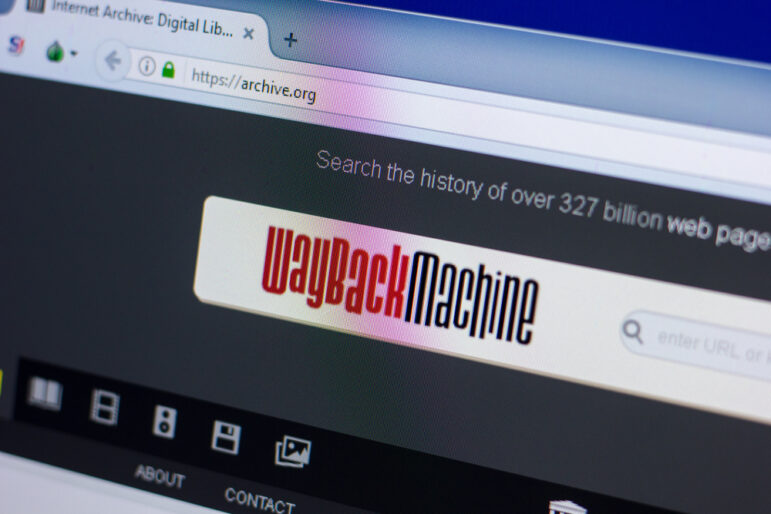
Based on an interview with Wayback Machine’s director, Mark Graham, ProPublica’s Craig Silverman shares more essential tips on using it, including how to bulk archive pages, compare changes, and see when elements of a page were archived.
This chapter covers misinformation and disinformation and tools to counter them, as well as case studies.
Required disclosures by public officials about their income and assets can be invaluable to investigative journalists. And information about wealth and its sources can play a vital role in uncovering corruption. Official filings are often the starting point for classic follow-the-money stories. However, disclosure laws have gaps, so the public records don’t always reveal the […]
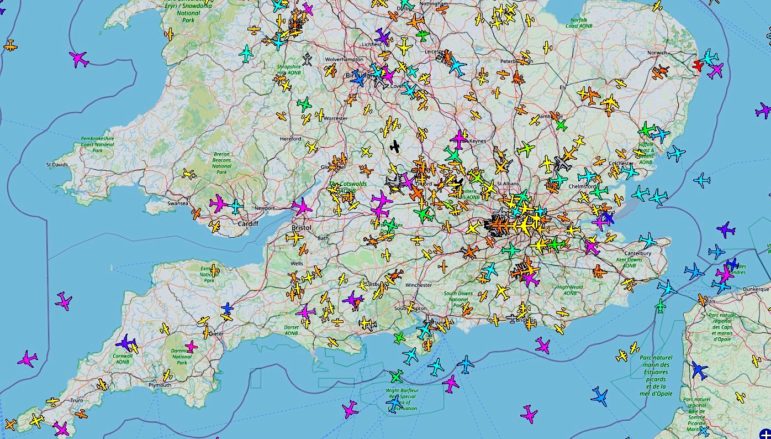
Investigative journalists have long used information about airplanes to uncover corruption, follow wars, track government officials, and point out the levels of greenhouse gases emitted. GIJN has now revised and updated its reporting guide to planespotting and tracking flights around the world.
The US government engages with virtually every country in the world and in multiple ways. These can include Presidential and Congressional activity, foreign assistance, criminal investigations, public and private financial transactions, lobbying, arms sales — and much more. In this online Masterclass, Pulitzer Prize-winning journalist Martha Mendoza is in conversation with GIJN’s David Kaplan. Mendoza […]
Shayan Sardarizadeh, a reporter who covers online misinformation for BBC Monitoring, offers several tips for verifying or debunking suspect Twitter screenshots.
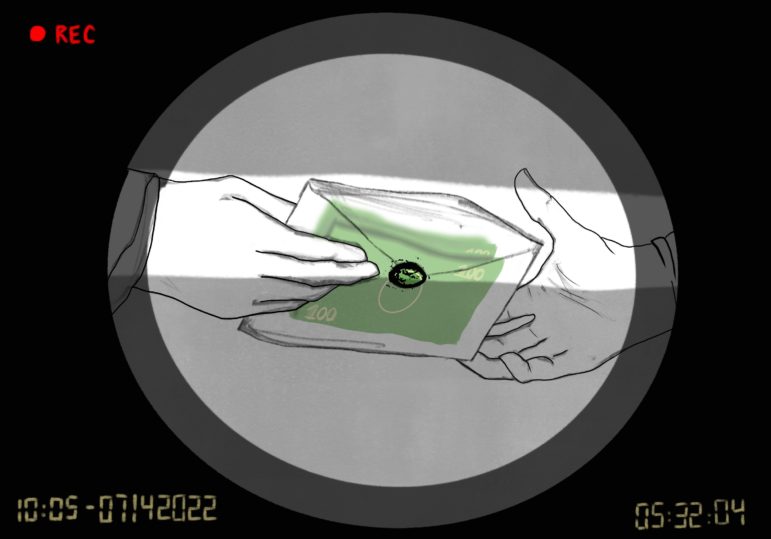
In countries without public record transparency rules or strong source protection laws, going undercover can be one of the few tools reporters have to reveal public interest stories.
At a recent GIJN online workshop, open source research expert Henk van Ess offered key tips and techniques for optimizing the use of Google search in your investigations.
We need to talk about Google! The world’s most popular search engine tries to please as many people as possible. But for journalists, the quality of results has rapidly declined. What is the issue and what can investigators do about it? GIJN is pleased to announce a hands-on session with search guru Henk van Ess, […]
Once a $30 billion global bluechip financial services and tech company, Germany’s Wirecard filed for insolvency in 2021 in what is one of the biggest corporate frauds of the modern era. The tenacious and prolonged investigative reporting by the Financial Times, helped to uncover widespread fraud, malpractice and negligence. Dan McCrum, a senior Financial Times […]
This edition of the GIJN Toolbox explores global databases and remote sensing resources that reporters can use to investigate local environmental threats.
Telegram is an invaluable research tool, helping journalists mine for information, investigate groups of people whose content is otherwise banned or limited on social media, and track protests and political movements in authoritarian countries. Here’s how to get started using it.
Bellingcat’s Logan Williams, who presented a panel on digital forensic reporting labs at the 2022 International Journalism Festival 2022 in Perugia, Italy, gives his top tips for journalists interested in open source digital investigations.
The state of democracy is at its lowest point in decades. Around the world, free and fair elections face growing threats from disinformation campaigns, foreign interference, voter suppression, campaign corruption, violence, intimidation, and more. Covering elections as a political “horse race” has never been enough. This approach to campaign reporting is even more inadequate today, […]
Since Russia’s invasion of Ukraine, GIJN has published a series of stories and tipsheets for investigative journalists covering the war.
With Facebook blocked and Twitter restricted, Telegram is one of the last social network applications fully accessible to internet users in Russia. Archiving Telegram reports of military engagements from on the ground in Ukraine ensures any evidence can still be used by researchers if a user deletes a post, if a channel is removed, or if an entire platform becomes inaccessible.
Satellite imagery provides information that can enhance the ability to write compelling narratives about the state of our planet, cutting across multiple beats. But such a tool tends to be complex and out of the reach for many journalists, so this guide offers a process that reporters interested in covering the climate crisis can use for story projects.
Bulletproofing your story demands much more than getting the facts right. It requires a meticulous approach from the start in order to pass quality control.
Cybercrime is any criminal activity perpetrated in a digital realm. While we often think of cybercrime as defined by “hacking,” there are many other types of crimes that are part of this world, and everything from trafficking in child pornography, to withdrawing illicit funds, to the theft of source code, falls into the category of “cyber” crimes.
GIJN has updated our popular step-by-step guide on verifying images to help find out whether the photo you saw on social media is the real thing. Try out some simple-to-use free tools — including TinEye, Google Reverse Image Search, Photo Sherlock, and Fake Image Detector — to check the source of a picture and whether it has been manipulated.