

Resource Guide
Crowdfunding: Essential Reading
GIJN’s research provides tips on how to plan and carry out a crowdfunding campaign, names of national and regional crowdfunding sites, suggestions of useful tools to use. And some stories […]
GIJN’s research provides tips on how to plan and carry out a crowdfunding campaign, names of national and regional crowdfunding sites, suggestions of useful tools to use. And some stories […]

The increasing lack of credibility and growing political meddling in Romanian mainstream media in recent years has resulted in many journalists leaving these outlets and starting their own independent sites. Some of these initiatives support themselves by relying on crowdfunding. But is it viable in the long term?

A comprehensive study released earlier this week delved into the nonprofit news sector following the flurry of funding into the troubled US news industry in what has become known as the Trump Bump. Co-published by the Shorenstein Center on Media, Politics and Public Policy at the Harvard Kennedy School and Northeastern University’s School of Journalism, the study analyzed 32,422 journalism and media-related grants totaling $1.8 billion between 2010 and 2015. Here are some of the major findings.

Raising money for your news organization via crowdfunding is difficult and can be stressful. Hungary’s Direkt36, which has run four successful crowdfunding campaigns so far, offers 10 tips from their experience to help you plan a good campaign. A GIJN original.
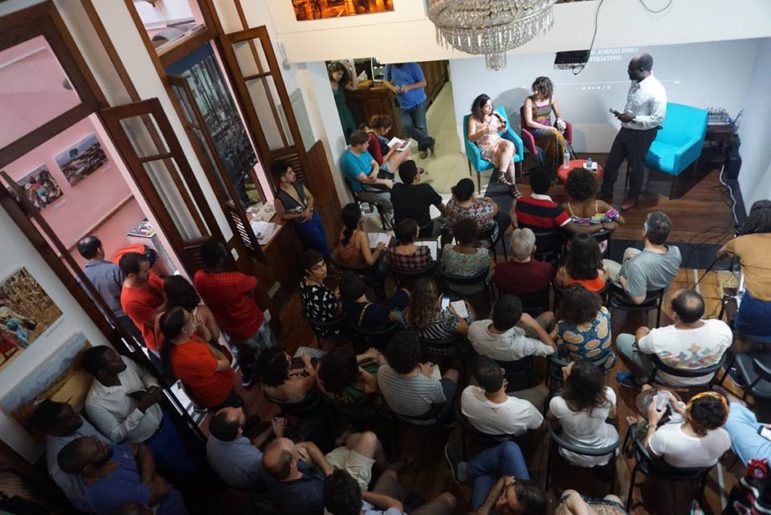
Since its creation five years ago, Agência Pública has promoted a revolution not only in Brazil, but around Latin America. It is one of the main drivers of a regional scene that brings together digital native-media founded and led by journalists.
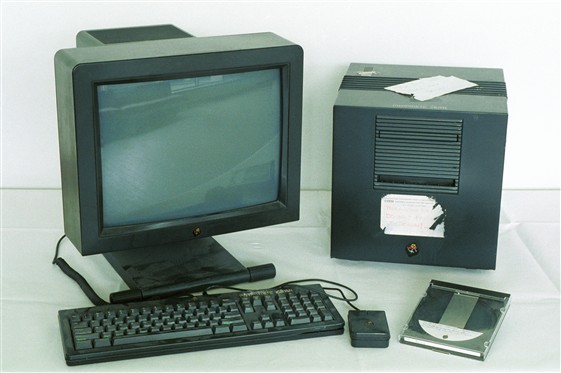
It has only been 26 years since the world’s first website and server went live. Since then, digital journalism has evolved quickly through the portal era, the search era, and the social era. At present, digital journalism has entered a new phase — the Stories as a Service (SaaS) era — where journalism is paid for by readers, for readers, which will likely result in quality journalism, trustworthiness, and the building of new communities.
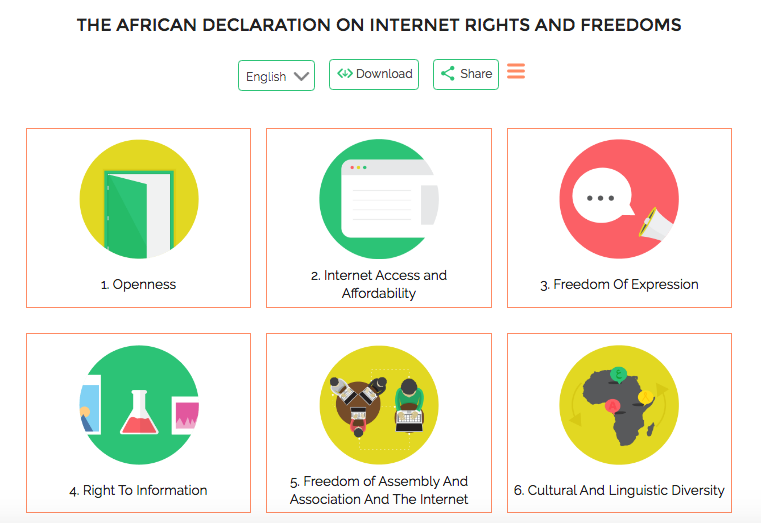
Highway Africa — Africa’s largest annual gathering of journalists — brought together a host of media practitioners from across Africa. Discussions at the two-day conference this year ranged from the challenges of media sustainability in the digital age to digital activism and internet regulation in Africa.

At a recent meeting of the Institute for Nonprofit News – for my sins, I now sit on INN’s board – we learned an interesting statistic: About half the organization’s members have a strategy to drive readers to their own sites/destinations, and the other half count on distributing their content via other platforms. Does it matter how we reach readers? And should we care?
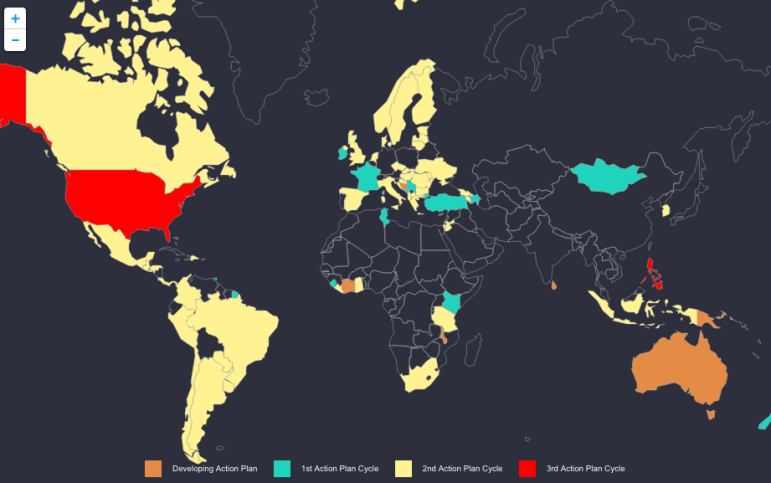
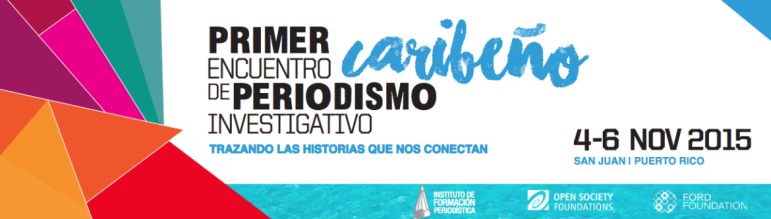
Cross-border cooperation was the big takeaway from a three-day meeting of investigative journalists from 17 countries in San Juan, Puerto Rico, November 4-6. Billed as “The First Caribbean Meeting of Investigative Journalists: Tracking the Stories that Connect Us,” one aim was to create a counterweight to the power of organized crime by cooperating across borders, according to Carla Minet of the Center of Investigative Journalism of Puerto Rico.
In 2001 GIJN was born, as investigative journalists from around the globe met for the very first time to share ideas, tips, and best practices to strengthen their reporting in a world where journalism was increasingly under threat.
Today the threat has multiplied, and at GIJN we find ourselves under the same pressures as our member organizations. Most urgently: available funding for investigative journalism has been impacted as some longtime funders who supported journalism in the past are no longer doing so or have closed. Yet our work continues, more important than ever before.
GIJN serves as the global hub for the world’s investigative reporters. Our core mission is to support and strengthen investigative journalism—with special attention to those from repressive regimes and marginalized communities.
We are embarking on our first-ever campaign initiative to help us expand our revenue by the end of the year through individual donors. If you have ever joined one of our free webinars, used one of our free resources, learned a new skill thanks to a GIJN training, or simply believe that press freedom is essential to civil society, we ask you to show your support for GIJN’s work with a donation of your choosing. Called “Friends of GIJN,” this campaign includes a more personalized experience, starting in 2027, for individuals who answer the call to join with us during this unprecedented time.
Truth and democracy are under attack around the world. You can fight back by helping GIJN support investigative journalists with free access to the latest tools and techniques — so they can foster justice and hold accountable those who abuse the public trust.
With a staff based in 24 countries, GIJN works in a dozen languages each day, linking together the world’s most enterprising journalists, offering state-of-the-art training, webinars, tip sheets, and a Help Desk that responds to 2,000+ requests for assistance each year. More than 84% of GIJN’s operating budget goes directly to our program work.
Please make a gift today to support journalists on the front lines of the fight for accountability and human rights.