Accessibility Settings

color options

monochrome muted color dark

reading tools

isolation ruler

Tag

elections

61 posts

GIJN Webinar — The US Election: Digging into Disinformation

In this GIJN webinar, “The US Election: Digging into Disinformation,” the second of two that focus on the US Election, we bring together three extraordinary journalists who will share their analysis of the election info wars —  and their tips for navigating the tsunami of disinformation while investigating in the public interest.
Data Journalism

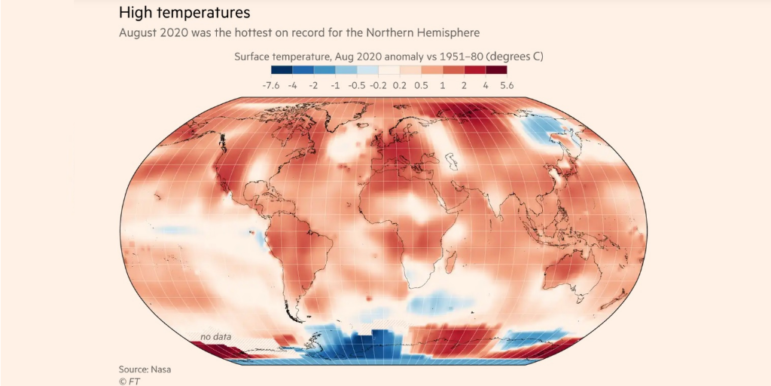
Data Journalism Top 10: Mapping the Pandemic, Shrinking Japan, Data Recipes, Extreme Temps, Google Election Searches, FinCEN Files

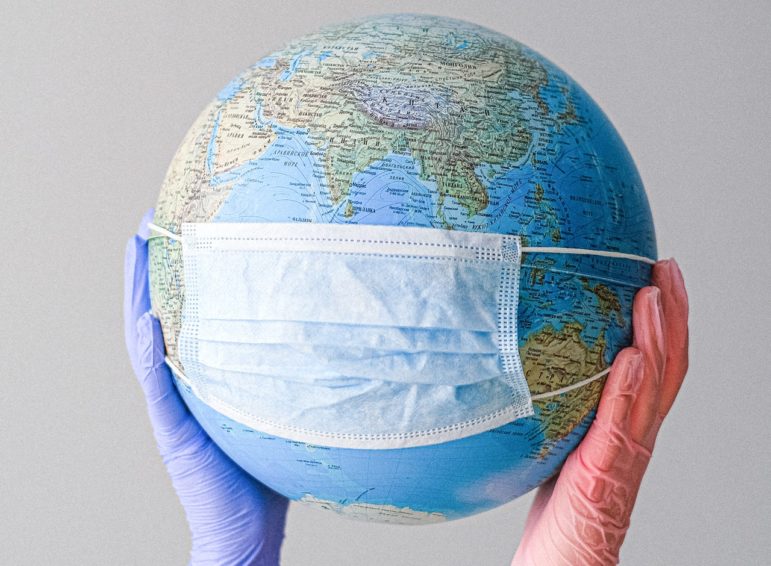
How fast is the coronavirus spreading in countries around the world? Our NodeXL #ddj mapping from September 14 to 20 finds data visualization designer Jan Willem Tulp simulating the speed of COVID-19 infections and German television news program ZDF heute mapping how the pandemic traversed the globe. Meanwhile, Thibi Recipes explores tutoring data journalism as if you’re following a cooking recipe, the Financial Times reports on climate extremes, and ICIJ and Buzzfeed bare suspect financial data.

Data Journalism

Data Journalism Top 10: North Korea Ghost Ships, Trolls Attack WHO, Al Pacino’s Wardrobe, COVID Air Travel

Satellite imagery has become increasingly useful in establishing evidence of human rights abuses and in shining a light on dubious activities being conducted in secretive parts of the world. Our NodeXL #ddj mapping from August 17 to 23 finds NBC News utilizing satellite data to solve a long-standing mystery about North Korean “ghost boats” washing up on Japanese shores, The New York Times analyzing footfall data to determine how the coronavirus pandemic has influenced consumer spending, and Bellingcat revealing a coordinated network of attacks on Twitter against the director general of the World Health Organization (WHO).

Data Journalism

Data Journalism Top 10: Election Forecasts, The Sweatpants Era, Hong Kong Protests, DJ in Eastern Europe & Caucasus

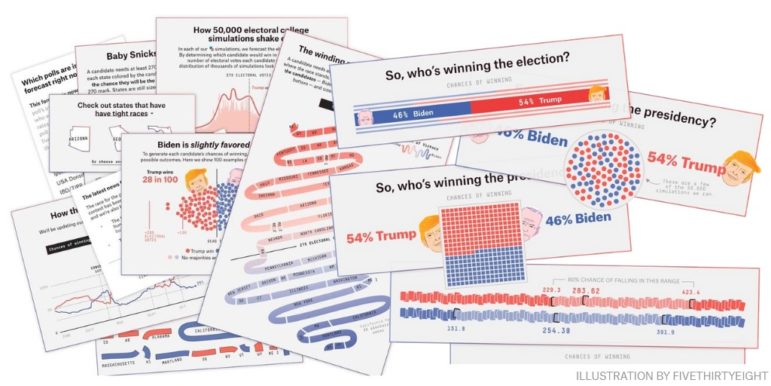
One of the biggest issues that comes with visualizing election forecasts is how to incorporate uncertainty in a way that is understandable to readers. Our NodeXL #ddj mapping from August 10 to 16 finds FiveThirtyEight explaining their election forecast design process and considerations. Elsewhere, The New York Times Magazine has been digging into the collapse of the fashion industry, and the Hong Kong Free Press is teaming up with the Journalism and Media Studies Centre of The University of Hong Kong to expand its protest research archive.

News & Analysis

After 6 Months of COVID-19, What’s Next for Pandemic Reporting?

After six months of the global crisis, investigative journalists find themselves reporting on a precarious and demoralized world, which has seen millions of jobs and more than 775,000 lives lost. In a GIJN webinar titled “Where do we go from here?”, a panel of senior journalists from Bosnia, India, Uganda, and the United States shared tips on the topics now ripe for investigation, as well as areas to improve on.

Data Journalism

Data Journalism Top 10: Black Lives Matter, Racial Wealth Gap, Pandemic Lockdown Violations, Housework Gender Inequality

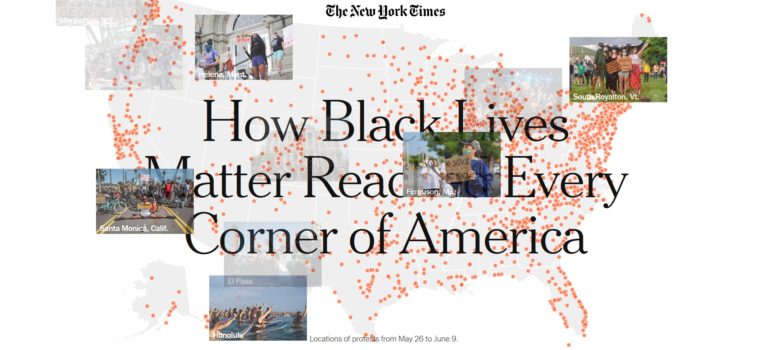
Once confined to bands of protesters, the Black Lives Matter movement has spread across America. Our NodeXL #ddj mapping from June 15 to 21 finds The New York Times mapping the protests in more than 2,000 US cities and towns over a two week period. On the coronavirus front, The Telegraph analyzed the widening racial wealth gap caused by the pandemic, the Guardian and Liberty Investigates looked into police enforcing lockdown measures disproportionately against Blacks, Asians, and other minorities, while Important Stories and Holod Media examined the fines issued by Russian courts for lockdown violations during the pandemic.

Data Journalism

Data Journalism Top 10: Royal Instagram Mystery, US Election, The Markup Launches, 100 Years of Mideast Deals

What’s the global data journalism community tweeting about this week? Our NodeXL #ddj mapping from February 24 to March 1 finds The New York Times digging into some curious data from two Instagram accounts of the British royal family, Al Jazeera analyzing Trump’s plan to resolve the Israeli-Palestinian conflict, The Markup launching with an investigation into auto insurance algorithms, and Pew Research Center sharing some American election data snapshots.

Data Journalism

GIJN’s Data Journalism Top 10: Weird Maps, ‘Out of Control’ Airbnb, Augmented Reality Graphics, Russian Doctors, Brazilian Data

What’s the global data journalism community tweeting about this week? Our NodeXL #ddj mapping from February 17 to 23 finds geographer Tim Wallace collecting some amusingly unusual maps, The Guardian analyzing the effect of Airbnb’s prevalence on home ownership in Great Britain, the Data Visualization Society evaluating the successes and shortcomings of its first year, and former Ogilvy & Mather chief creative officer Tham Khai Meng sharing how a Japanese newspaper utilized augmented reality to animate graphics.

Data Journalism

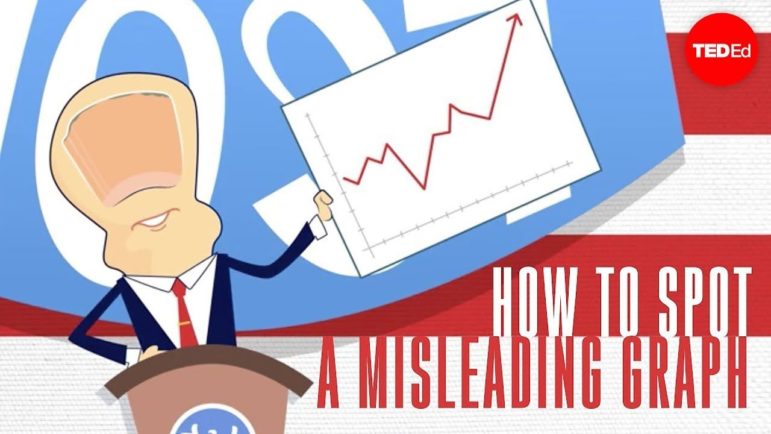
GIJN’s Data Journalism Top 10: Coronavirus Outbreak, Misleading Graphs, Smartphone Tracking, Trash Can Banging, Mexico Murders

What’s the global data journalism community tweeting about this week? Our NodeXL #ddj mapping from January 27 to February 2 finds The New York Times and Der Tagesspiegel tracking the spread of the Wuhan coronavirus, TED-Ed educating viewers about how graphs can be manipulated to mislead readers, and a baseball fan watching every Houston Astros home game in 2017 to log each time they banged a trash can as part of a sign-stealing scandal.