

Methodology
8 Ways Journalists Can Access Academic Research for Free
A lot of academic research exists behind paywalls. The Journalist’s Resource outlines eight ways reporters can get free access to high-quality scholarship.
A lot of academic research exists behind paywalls. The Journalist’s Resource outlines eight ways reporters can get free access to high-quality scholarship.

A study found many Google News Initiative projects in Middle East and Africa struggle to become more than makeshift versions of the original idea.
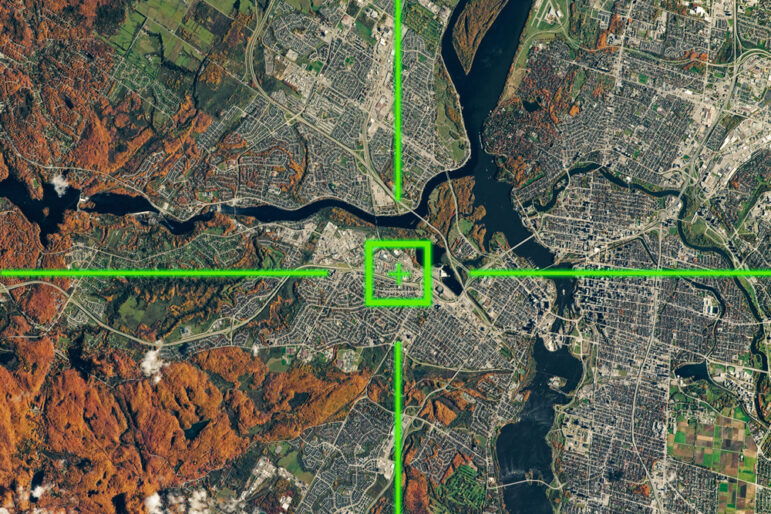
Bellingcat fellow Dennis Kovtun tests the online geolocation capabilities of two popular AI chatbots — Microsoft’s Bing AI and Google’s Bard — and finds both have some serious drawbacks.
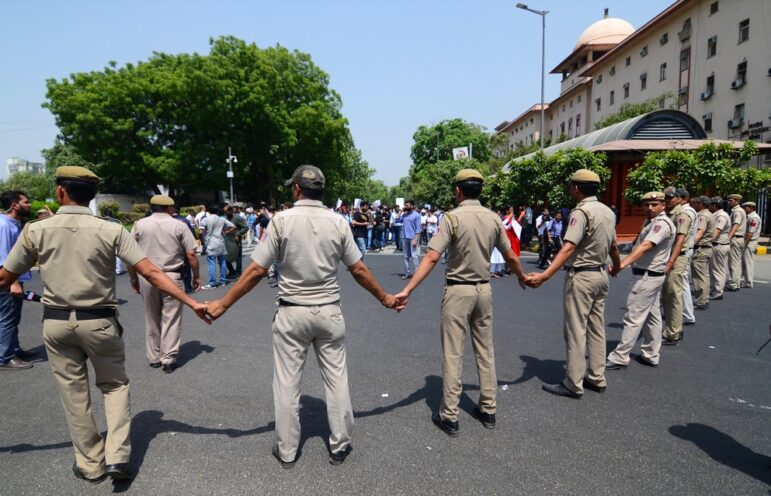
Two editors from India and Hungary, respectively, Ritu Kapur and Peter Erdelyi, offer survival tips based on how their outlets have managed to stay afloat in the face of press freedom challenges in backsliding democracies.

At the Online Journalism Blog, data journalism expert Paul Bradshaw analyzed 100 pieces of data that journalists use and found that there are several common story angles.
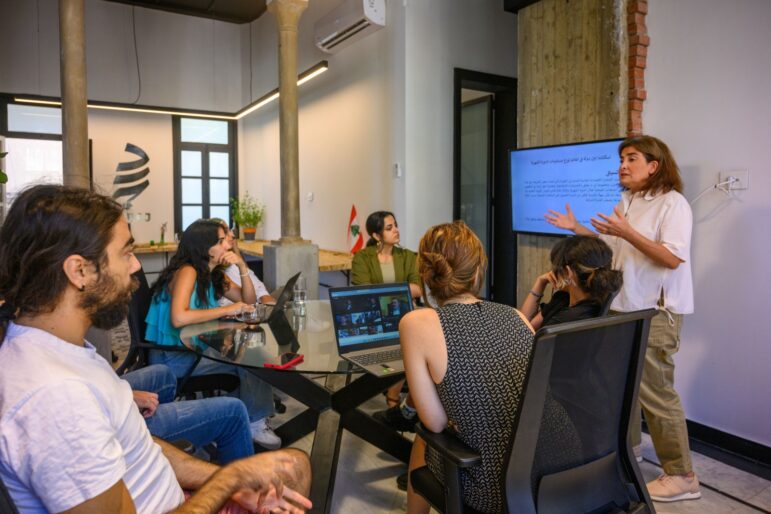
Daraj co-founder Diana Moukalled discusses the outlet’s origins in Lebanon, its impact, its funding, and reporting on women’s rights and corruption across the Middle East.
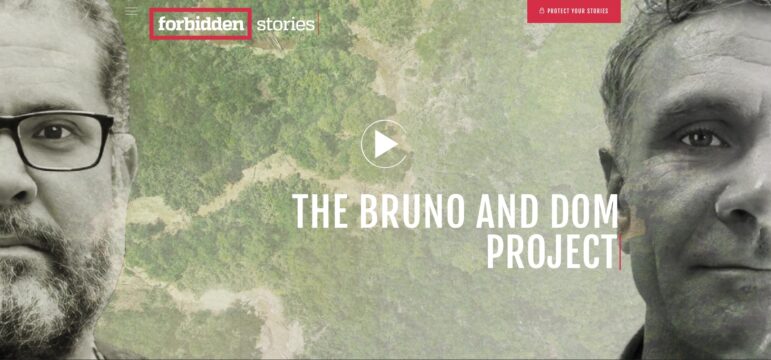
After the British journalist Dom Phillips and the Brazilian Indigenous affairs expert Bruno Pereira were killed, several newsrooms and more than 50 journalists collaborated on Forbidden Stories’ The Bruno and Dom Project, to honor the pair’s legacy and expose illegal activities in the area along the borders of Brazil, Peru, and Colombia, where the men were murdered.
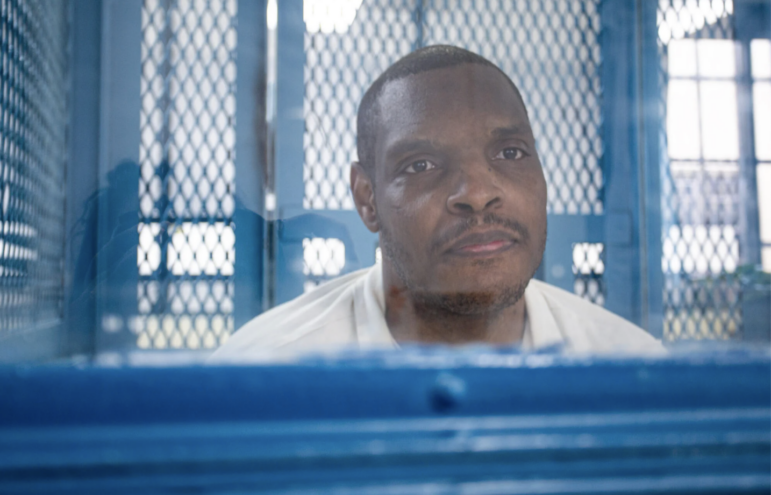
Jason Walker has been continuously incarcerated in the Texas Department of Criminal Justice since 2008, shuffled from unit to unit as the threat to his safety grows. He’s made quite a name for himself inside as a muckraker.

Even for journalists who feel they have a good grasp on crypto technology and economics, covering the beat has been undeniably difficult. With over a decade of articles, videos, and podcasts in the rear-view mirror, now is a great time to reflect on some of the hard-learnt lessons of covering the industry.
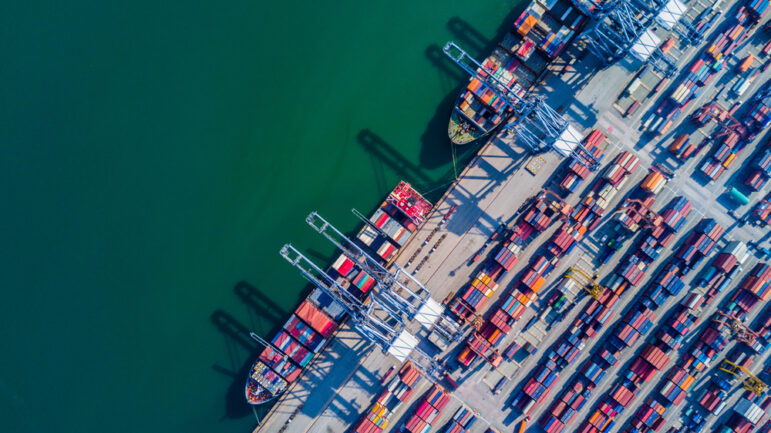
Clark Merrefield, from The Journalist’s Resource, shares seven tips on how local journalists can better investigate global trade and its impact on their communities.
In 2001 GIJN was born, as investigative journalists from around the globe met for the very first time to share ideas, tips, and best practices to strengthen their reporting in a world where journalism was increasingly under threat.
Today the threat has multiplied, and at GIJN we find ourselves under the same pressures as our member organizations. Most urgently: available funding for investigative journalism has been impacted as some longtime funders who supported journalism in the past are no longer doing so or have closed. Yet our work continues, more important than ever before.
GIJN serves as the global hub for the world’s investigative reporters. Our core mission is to support and strengthen investigative journalism—with special attention to those from repressive regimes and marginalized communities.
We are embarking on our first-ever campaign initiative to help us expand our revenue by the end of the year through individual donors. If you have ever joined one of our free webinars, used one of our free resources, learned a new skill thanks to a GIJN training, or simply believe that press freedom is essential to civil society, we ask you to show your support for GIJN’s work with a donation of your choosing. Called “Friends of GIJN,” this campaign includes a more personalized experience, starting in 2027, for individuals who answer the call to join with us during this unprecedented time.
Truth and democracy are under attack around the world. You can fight back by helping GIJN support investigative journalists with free access to the latest tools and techniques — so they can foster justice and hold accountable those who abuse the public trust.
With a staff based in 24 countries, GIJN works in a dozen languages each day, linking together the world’s most enterprising journalists, offering state-of-the-art training, webinars, tip sheets, and a Help Desk that responds to 2,000+ requests for assistance each year. More than 84% of GIJN’s operating budget goes directly to our program work.
Please make a gift today to support journalists on the front lines of the fight for accountability and human rights.