
Tech & AI
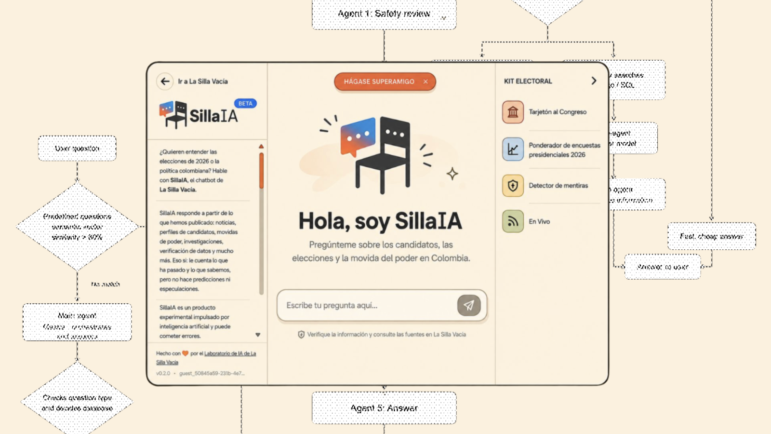
What We Learned Building a Chatbot for La Silla Vacía’s Newsroom Archive
We spent 12 months building an AI tool for our independent news site in Colombia. Here’s what it taught us about running a newsroom in the age of AI.
We spent 12 months building an AI tool for our independent news site in Colombia. Here’s what it taught us about running a newsroom in the age of AI.
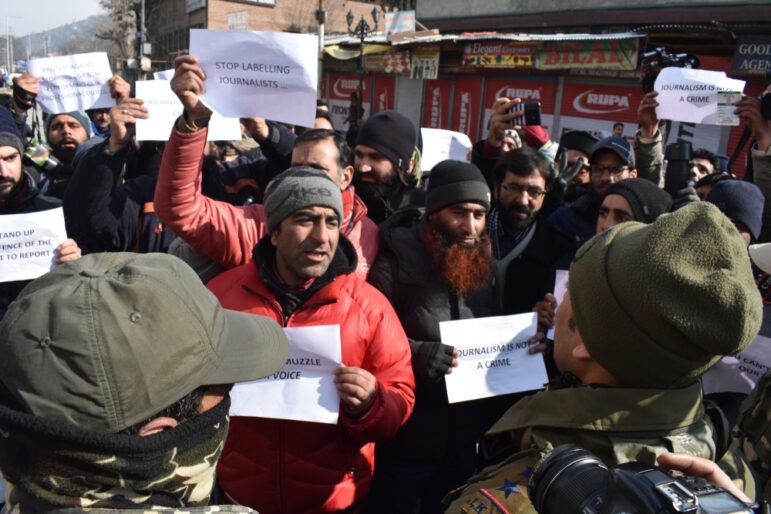
Operating a newsroom hundreds or thousands of miles away from a country presents a challenge: how do journalists deliver accurate, reliable news to audiences when reporters can’t safely be on the ground?

OCCRP’s research director offers up a series of tips and techniques to help reporters safely and effectively build a profile of whoever they are looking for.
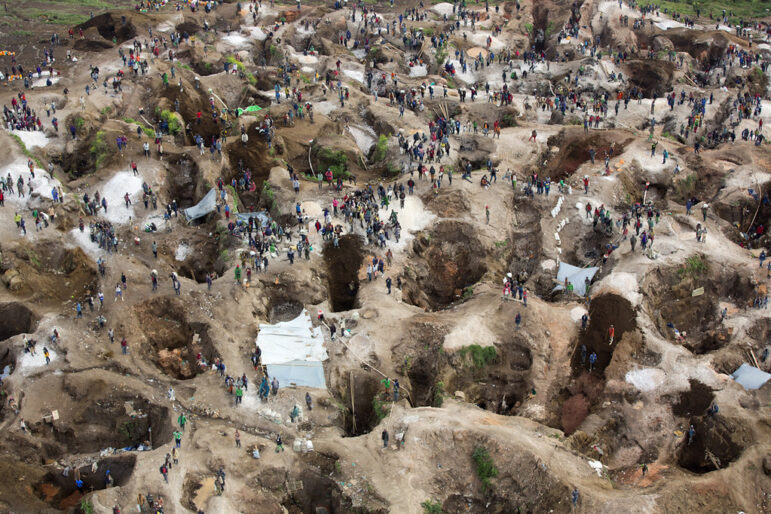
Two journalism and technology projects are sharing tools and methods across continents to map where mining is devastating the Amazon and Congo basins.
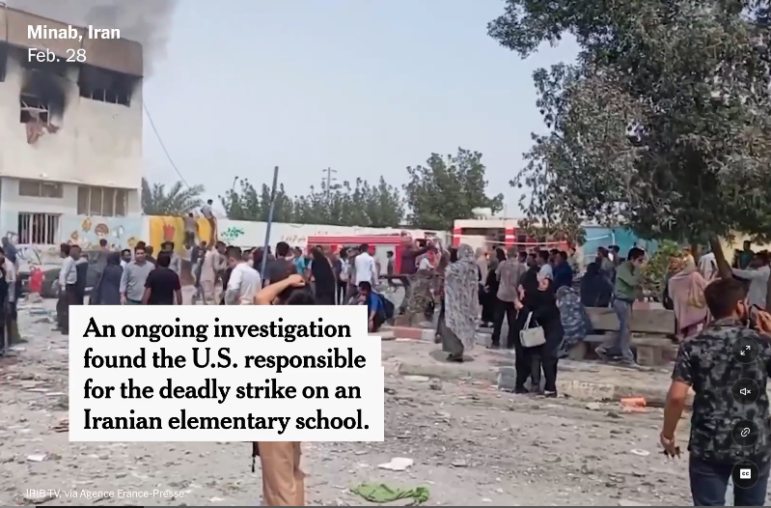
What began as the niche practice of verifying shaky mobile phone footage in an era of social media chaos has since become one of the most consequential developments in modern journalism.
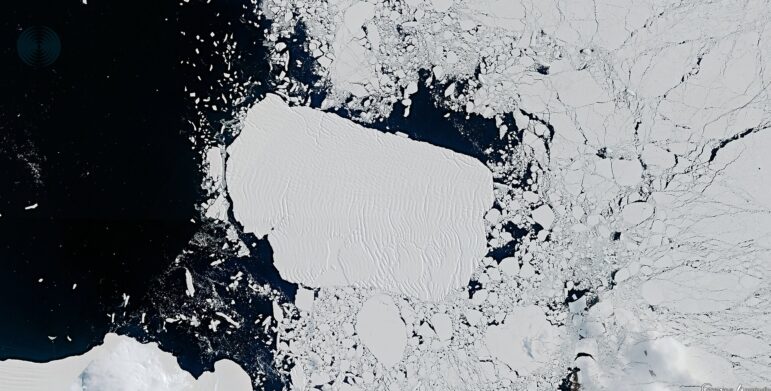
New York Times climate and environmental graphics reporter Mira Rojanasakul discusses how her team visualized the sea level rise threat from the melting Thwaites Glacier in Antarctica.
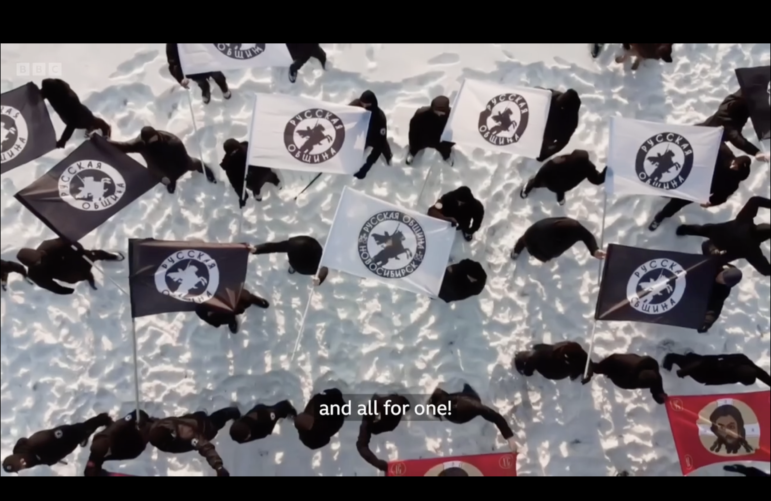
The system built by BBC Eye allowed a team of open source specialists and reporters to accelerate their investigation of Russian ultra nationalists and their political impact.
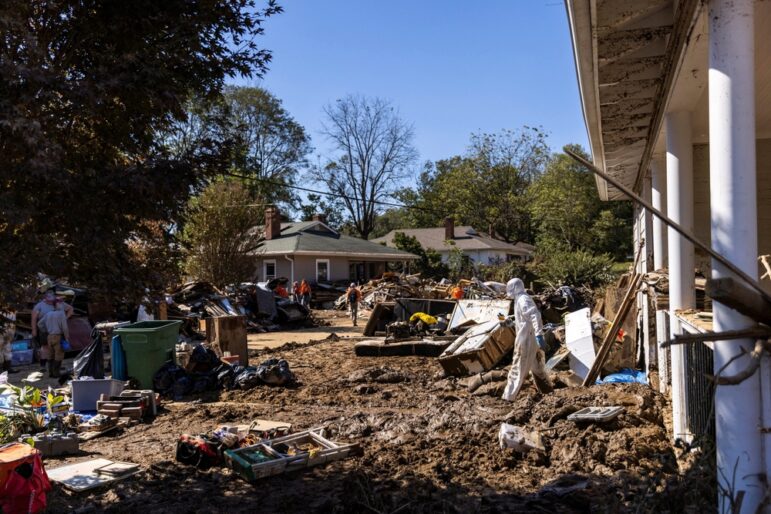
From Storybench, Washington Post climate reporter Brady Dennis is interviewed about his immersive story on Hurricane Helene and the importance of combining data and human experience.
A year after Mexico dissolved the autonomous body that oversaw government transparency, journalists are still finding ways to access public documents and conduct data-based investigations.
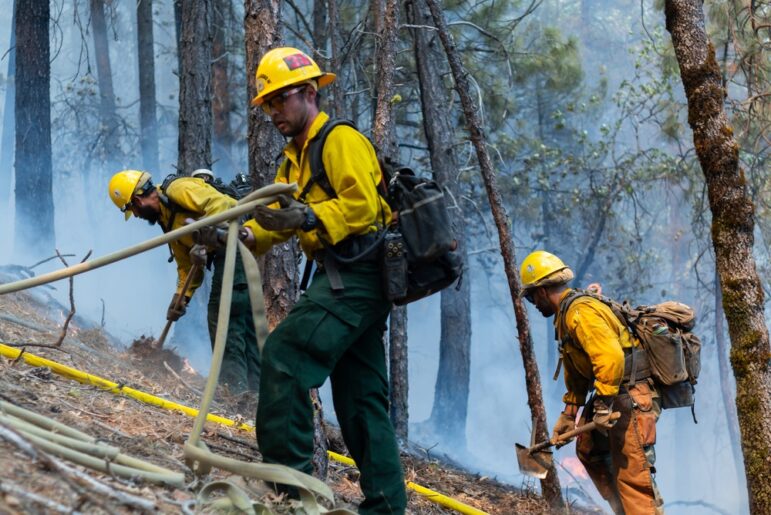
The recipient of the 2026 Goldsmith Prize for Investigative Reporting discusses how she conducted her award-winning investigation on maskless wildland firefighters.
In 2001 GIJN was born, as investigative journalists from around the globe met for the very first time to share ideas, tips, and best practices to strengthen their reporting in a world where journalism was increasingly under threat.
Today the threat has multiplied, and at GIJN we find ourselves under the same pressures as our member organizations. Most urgently: available funding for investigative journalism has been impacted as some longtime funders who supported journalism in the past are no longer doing so or have closed. Yet our work continues, more important than ever before.
GIJN serves as the global hub for the world’s investigative reporters. Our core mission is to support and strengthen investigative journalism—with special attention to those from repressive regimes and marginalized communities.
We are embarking on our first-ever campaign initiative to help us expand our revenue by the end of the year through individual donors. If you have ever joined one of our free webinars, used one of our free resources, learned a new skill thanks to a GIJN training, or simply believe that press freedom is essential to civil society, we ask you to show your support for GIJN’s work with a donation of your choosing. Called “Friends of GIJN,” this campaign includes a more personalized experience, starting in 2027, for individuals who answer the call to join with us during this unprecedented time.
Truth and democracy are under attack around the world. You can fight back by helping GIJN support investigative journalists with free access to the latest tools and techniques — so they can foster justice and hold accountable those who abuse the public trust.
With a staff based in 24 countries, GIJN works in a dozen languages each day, linking together the world’s most enterprising journalists, offering state-of-the-art training, webinars, tip sheets, and a Help Desk that responds to 2,000+ requests for assistance each year. More than 84% of GIJN’s operating budget goes directly to our program work.
Please make a gift today to support journalists on the front lines of the fight for accountability and human rights.