Case Studies
How Women Are Driving a Golden Age of Data Journalism in Kenya
Eunice Magwambo, Purity Mukami, and Juliet Atellah discuss their work and challenges facing data journalists in their home country of Kenya.
The methods and tools that governments employ to censor and control the internet, and the tools and ways to get around censorship, are a constantly shifting battleground. But there is a set of evergreen best practices and helpful software that are useful.
Investigations on topics as diverse as corruption in sports, illegal “pushbacks” of refugees, and the mass internment of Uyghurs in China were recognized at the IJ4EU Impact Awards, the annual prize of the Investigative Journalism for Europe fund.
Mother Jones is a US outlet known for “smart, fearless journalism.” Monika Bauerlein, its CEO, believes that the kind of investigative journalism they do cannot be funded by traditional commercial means. That’s why it operates as a nonprofit with a heavy focus on reader donations as a revenue stream.
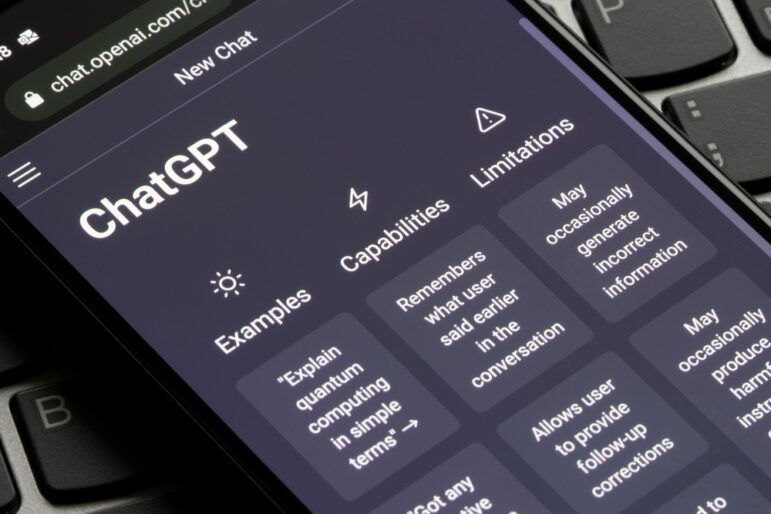
Converting text documents like PDFs to spreadsheets is tedious and expensive work. To see how well AI tool ChatGPT can extract data from PDFs, data journalist Brandon Roberts wrote a Python script to convert two document sets to spreadsheets.
Veteran Nicaraguan journalist and editor Carlos F. Chamorro delivered the memorial lecture at the Reuters Institute for the Study of Journalism. His speech reveals how press freedom has been eroded in Nicaragua, and the challenges of producing journalism under the ‘totalitarian regime’ of President Daniel Ortega.
A Reuters investigation uncovering how large corporations use child labor for chicken processing and auto supply manufacturing was a finalist for the 2023 Goldsmith Prize for Investigative Reporting. Here the reporters give insights to other journalists who want to explore illegal labor practices in their coverage areas.
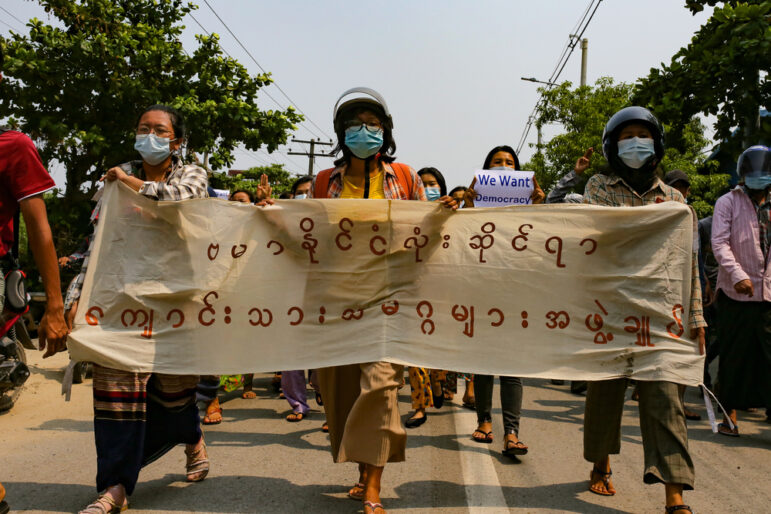
Three years after the Myanmar military’s violent coup, journalists continue to struggle with press freedom and are trying to rebuild independent media voices in support of democracy both inside and outside the country.
As co-founder and inaugural executive director of the Global Investigative Journalism Network, David Kaplan has led the organization from an initiative with a few hundred followers in 2012 to a “network of networks” spanning some 244 groups in 90 countries. WAN-IFRA sought his insights on the future of investigative journalism in a divided world.
There are different tools reporters can use to make video and audio files searchable, they should be an essential part of any investigative journalist’s toolkit.