

GIJN Webinar: Investigating Organized Crime in Sub-Saharan Africa
In this GIJN webinar, three senior reporters will share tips and resources to investigate financial crime, arms smuggling, and environmental crime.
In this GIJN webinar, three senior reporters will share tips and resources to investigate financial crime, arms smuggling, and environmental crime.
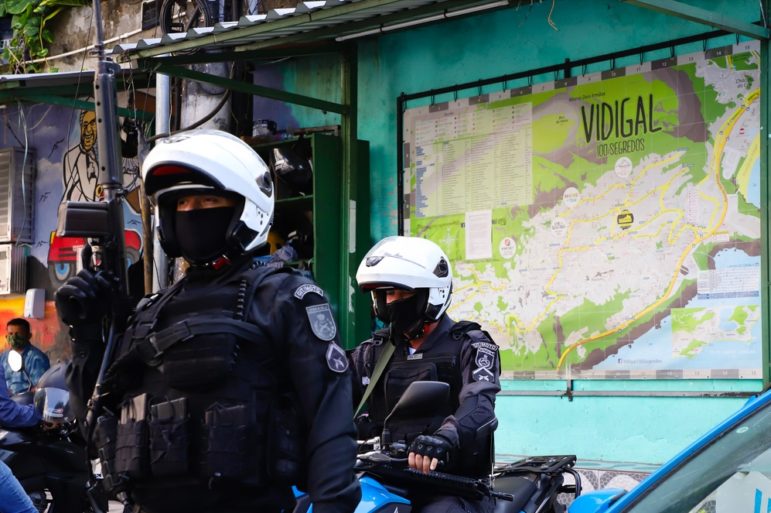
Brazilian journalist Rafael Soares discusses his favorite reporting methods and tools for investigating police misconduct and abuse of power in Rio de Janeiro.

A growing number of journalists and media organizations have established a presence on Mastodon. GIJN’s social media editor Holly Pate answers some common questions about the platform.
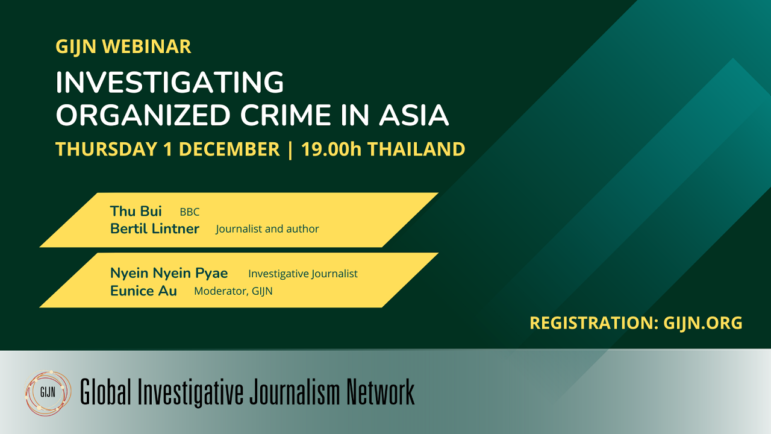
For decades, the Golden Triangle has been a source of fascination to journalists around the world. They’ve focused on the seemingly endless stories of criminal rackets, larger-than-life characters, and the area’s rich history and cultures. Covering organized crime, however, is challenging, and facts about the region’s black markets, its criminal players and their political backers can be hard to come by. In this GIJN webinar, three senior reporters will share their tips and resources to report from this region.
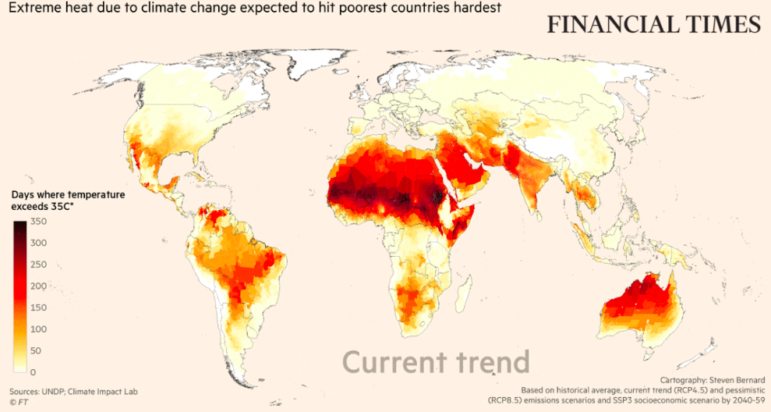
Our weekly curation of the most popular and engaging data journalism stories looks at Hollywood blockbuster diversity, how climate change drives global inequity, tracking US election deniers, and toxic tweets aimed at UK politicians.

For the inaugural post in our new interview series about investigative reporters operating in tough press freedom environments around the world, GIJN speaks to Vinod K. Jose, executive editor of India’s premier long-form journalism magazine, The Caravan. He tells us about the challenges of leading an intrepid team in the face of rising autocracy in the world’s largest democracy.

During a panel at the 2022 African Investigative Journalism Conference in Johannesburg, South Africa, prominent women editors and reporters from the continent emphasized the need for diversity in both newsroom staff and coverage of issues.
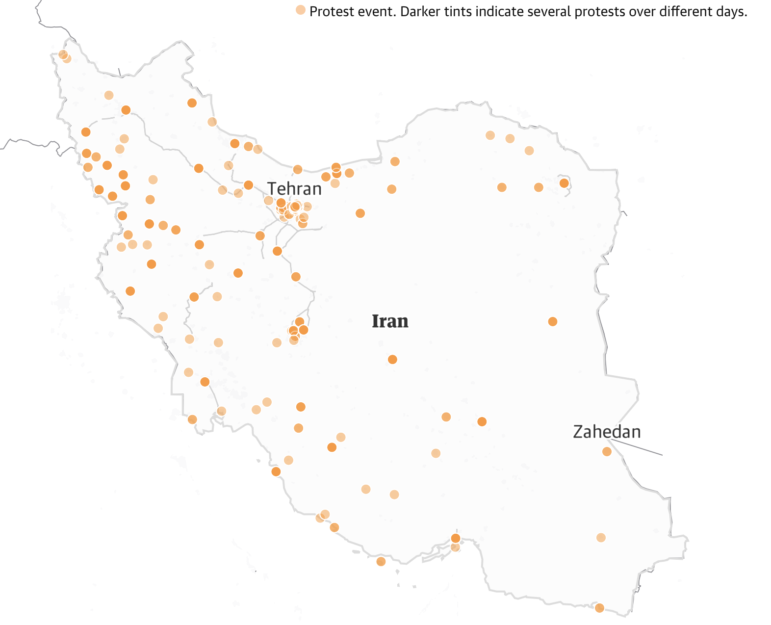
This week’s list of the top 10 data journalism stories on Twitter includes a tool for testing your newsworthiness as a missing person, broken corporate promises not to fund 2020 US election deniers, and a timeline of Iran’s nationwide protests.

The largest-ever African Investigative Journalism Conference (#AIJC2022) drew 375 attendees from 51 countries to Africa’s premier muckraker gathering. The conference looked into how AI is driving a “third wave of journalism,” which new tools and resources are available to watchdog reporters, and showcased some of the world-class exposés being produced on the continent.

The Internet of Things can pose many threats to journalists — at home, in the office, and in the field. To help us understand them, a cybersecurity researcher examines these threats across several categories along with real-world examples.
The Outlaw Ocean Project — a nonprofit journalism organization that reports on the “watery two-thirds” of our planet — used material from several years of investigations on the high seas to create a new, seven-part podcast.
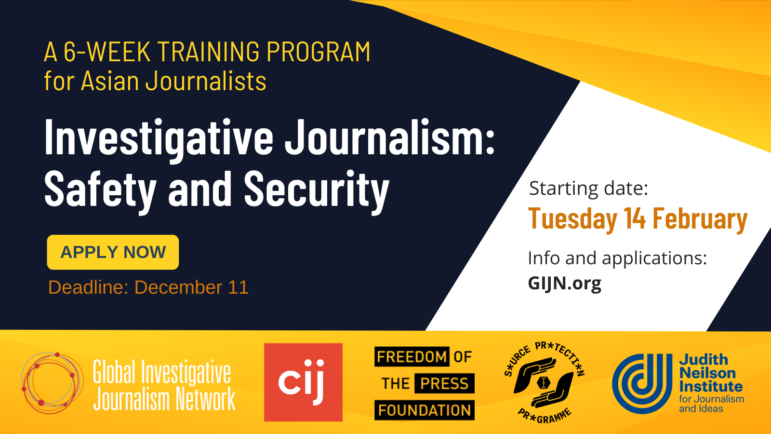
GIJN has partnered with the Centre for Investigative Journalism, the Freedom of the Press Foundation and the Judith Nielsen Institute to offer a unique safety and security training program specifically tailored for investigative journalists and others in watchdog newsrooms. It will be delivered online through hands-on practical training sessions with some of the world’s leading journalism safety trainers.

Radio Zamaneh Executive Director Joris van Duijne discusses how his exile media site is reporting from afar on the widespread political protests reverberating across Iran.
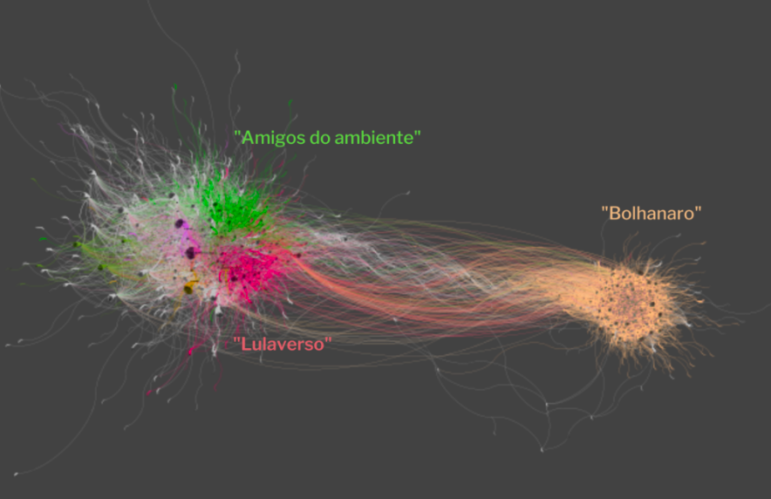
This week’s most popular data journalism stories on Twitter include how Google ads fuel disinformation, an analysis of the online bubble of pro-Bolsonaro tweets, what marriages tell us about Russian mobilization numbers, and a timeline of the Itaewon crowd crush tragedy.

Two local journalists from Syria have begun using virtual and augmented reality to bring immersive reporting experiences to news audiences far outside their country.
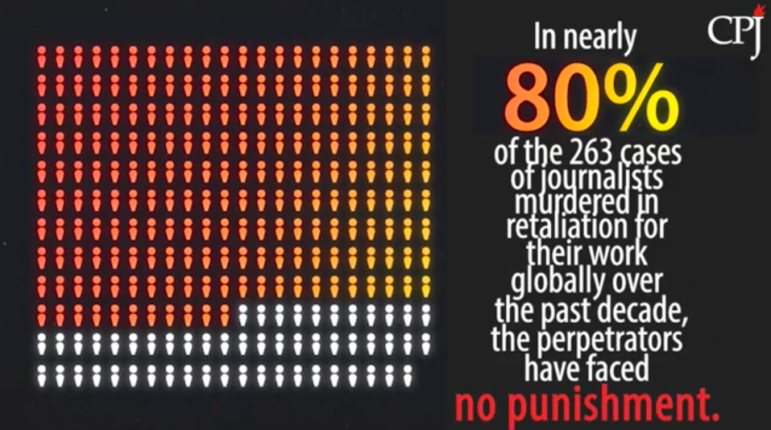
To mark the International Day to End Impunity for Crimes Against Journalists, the Committee to Protect Journalists (CPJ) released its annual report on the state of justice for attacks on the press around the world. It found that no one has been held accountable for 80% of all journalist murders in the past decade.

Internet search expert and author Tara Calishain used JavaScript to create a collection of tools that save time for journalists conducting research. Here, she explains how to use them.

Investigative journalists face a range of threats — from physical attacks to legal challenges — and sometimes the toll becomes just too much. Hear from two reporters who took time out to rest, recover, and recoup.

Our weekly curation of the most popular data journalism stories on Twitter highlights non-fatal US police shootings, the rise and fall of COVID billionaires, racial disparities in internet service and road safety programs, and Minnesota’s great Halloween blizzard of 1991.
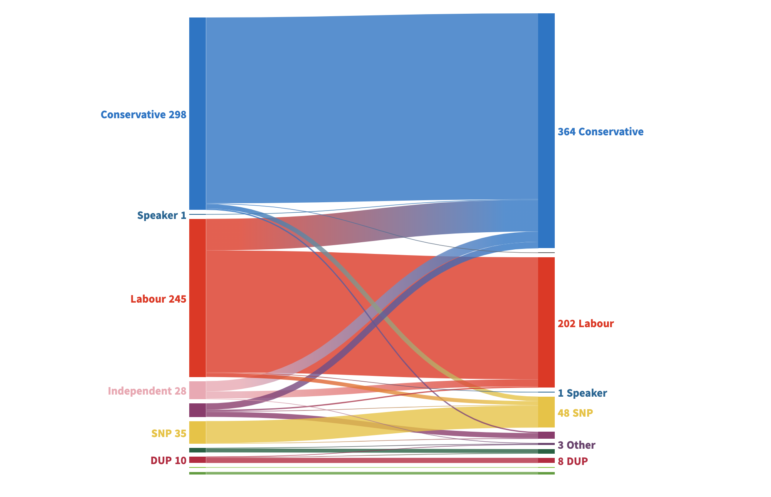
In Flourish’s recent webinar on effective elections and polling visualization, data journalist Mafe Callejón shared essential tips for building an interactive map from election results.

How reporters at OCCRP took a neighborhood Telegram chat from Bucha, Ukraine and turned it into an investigation of life under Russian occupation.
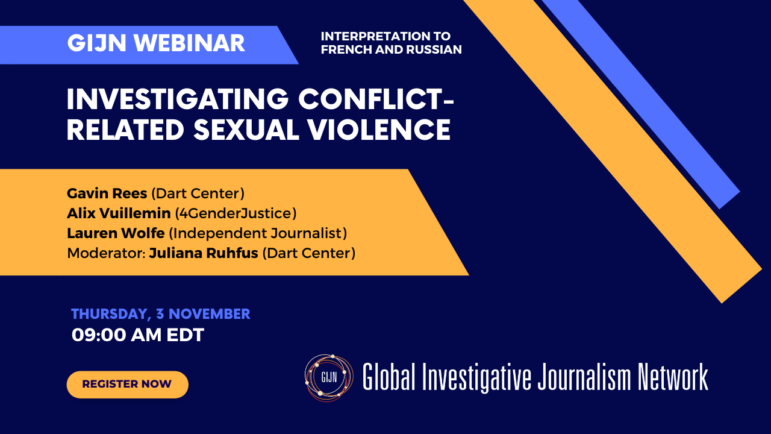
In this GIJN webinar, a senior reporter, a human rights advocate, and a safety and trauma specialist will discuss how sexual violence in conflict can be understood, the most common misconceptions about this type of violence, and where journalists fit in. The speakers will offer tips and resources on how to investigate effectively, safely engage with survivors, and navigate the call for justice.
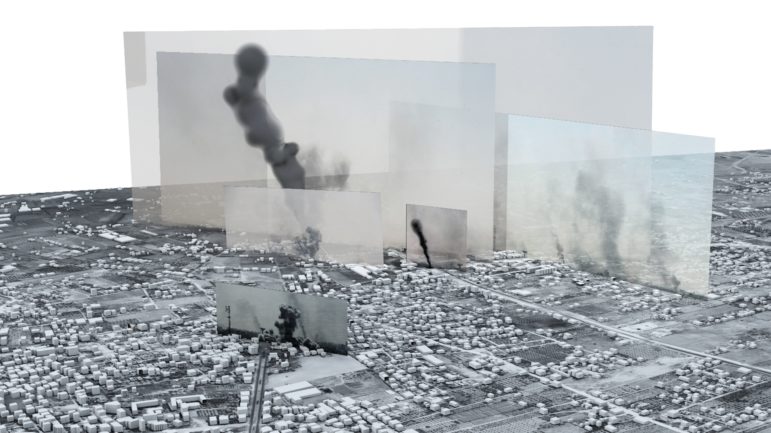
Forensic Architecture, a research agency based in London, blends human rights expertise with research, architectural capabilities, and investigative firepower. Our interview finds out how the team tackles investigations in the Middle East.

Films that captured ‘the death of democracy’ headlined the 2022 Double Exposure documentary festival in the US. In a parallel symposium, investigative reporters and directors stressed the importance of visual storytelling to describe the current, global erosion of democratic freedoms, and shared tips on how to capture this mass theft of human rights.
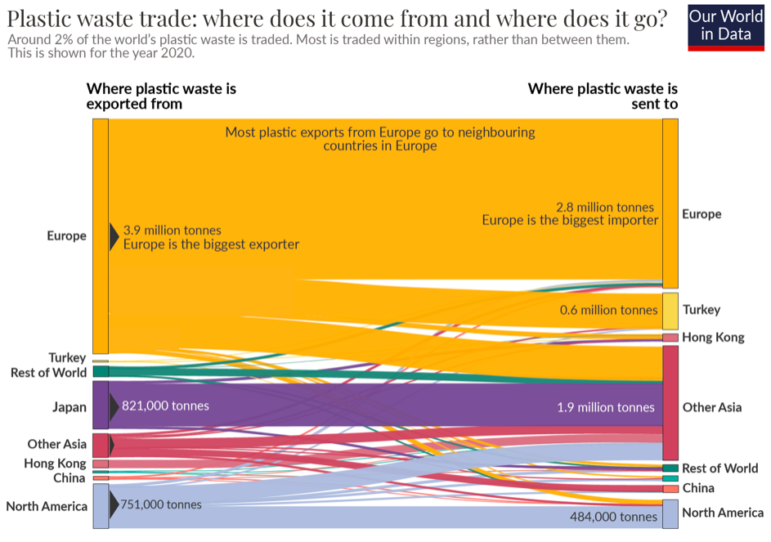
This week’s most popular data journalism stories on Twitter highlights efforts to evade Russia’s war mobilization, Xi Jinping’s path to power, abuses of child welfare policing, teacher demonstrations in Hungary, and caesarean birth rates in Spain.
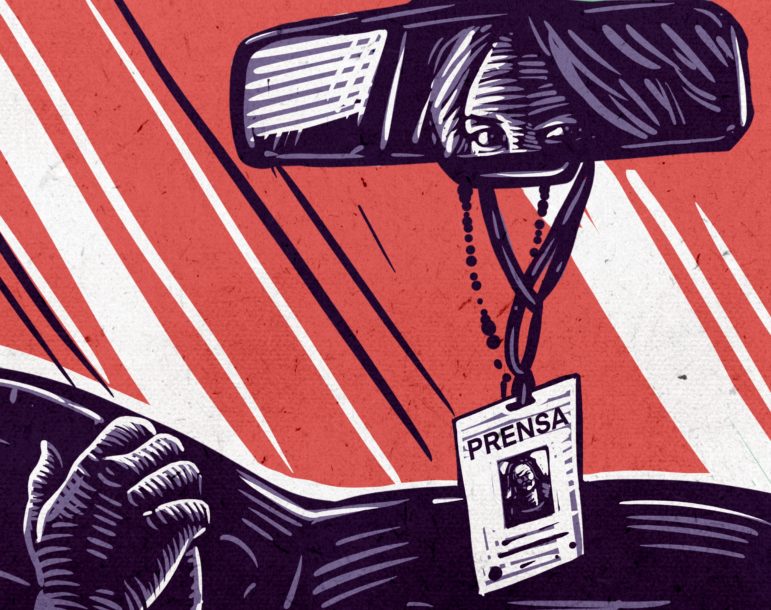
From shared bylines to awards credit, and from fair pay to due recognition, read the best-practice tips for working with local journalists or fixers when collaborating on investigations, from Frontline Freelance Mexico.

US-based nonprofit Freedom House released its latest annual study of global internet freedom yesterday, titled Freedom on the Net 2022: Countering an Authoritarian Overhaul of the Internet.

Kenyan journalist John-Allan Namu discussed the emotional toll and significant impact on work-life balance that investigative reporting can have during a webinar hosted by the Reuters Institute.