Resource Guide Chapter
Techniques for Investigating Data Centers
Expert tips for reporting on the impact of the resource-hungry data storage facilities that power AI — from water exploitation to greenwashing to flouting environmental regulations.
GIJN’s Resource Center is here to help journalists expand their knowledge and skills. The Center holds more than 2,000 items in 14 languages – from tip sheets and guides to instructional videos. Use the menu on the right to navigate it or the search box below to find topics you’re interested in.
Expert tips for reporting on the impact of the resource-hungry data storage facilities that power AI — from water exploitation to greenwashing to flouting environmental regulations.
During this session, Henk van Ess introduced new tips, resources, and investigative methods journalists can use to identify AI-generated images in a rapidly evolving tech landscape.
From fishing quotas in Norway to legislative accountability in California, investigative journalists share practical, replicable ways to use AI in advancing their reporting.
AI is becoming part of everyday newsroom workflows and journalists are seeking ways to use it effectively, responsibly, and without undermining core investigative standards.
A dilemma haunts modern newsrooms. LLMs and related AI technologies are rapidly becoming key tools for journalists — and ironically their targets are frequently the very companies producing and profiting off of this technology.
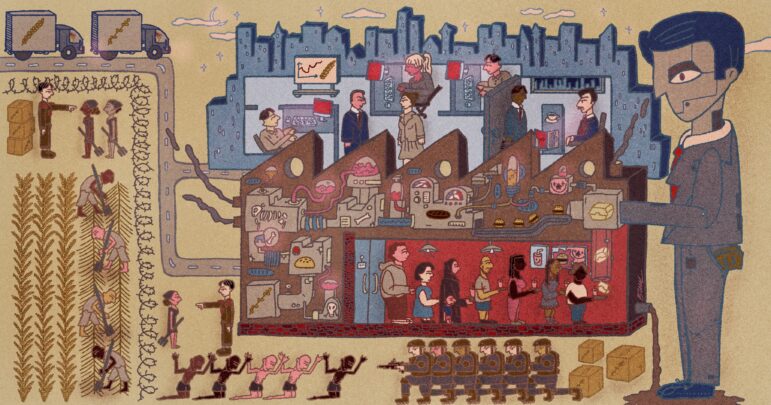
This reporting guide is designed to help journalists understand the causes of food inequity, famine, and starvation as well as the global agencies and data sources tracking these phenomena.
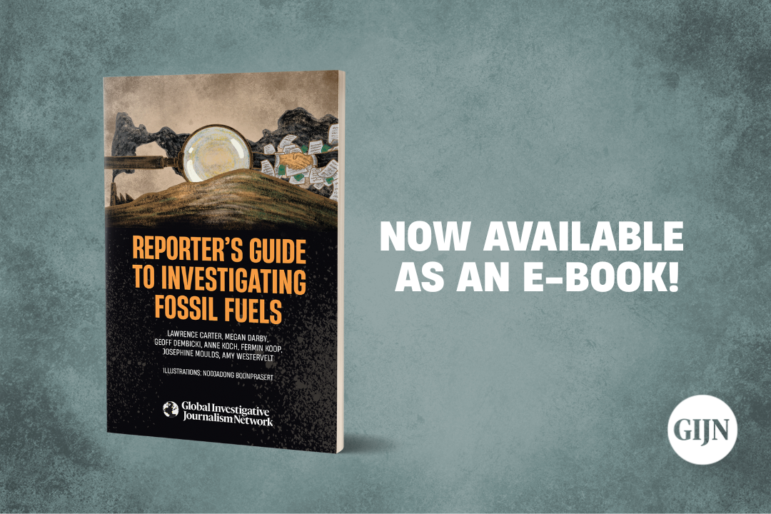
This digital book version of our reporting guide includes expert analysis and practical advice to enable better investigations of the fossil fuel industry.
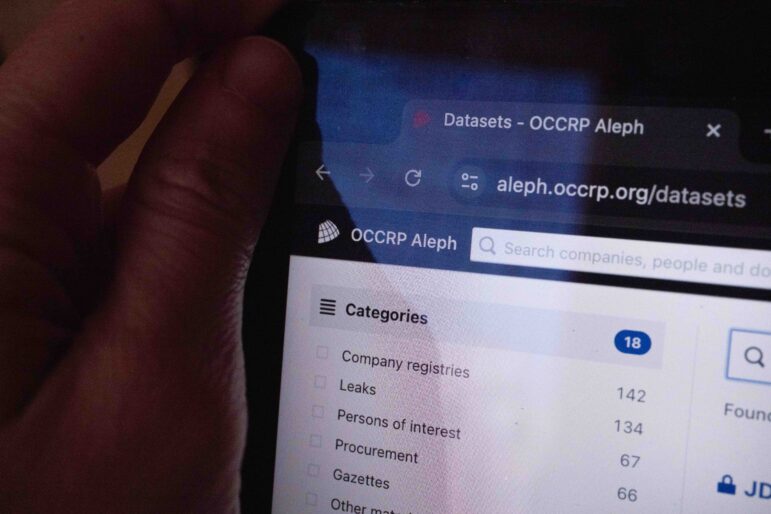
In investigative journalism, connecting data points is often key to uncovering the truth. Aleph helps reporters search, organize, and analyze data, to better trace hidden connections.
There is a treasure trove of compelling visual evidence out there that is going unused by many watchdog journalists. Here’s how to find it.
A Pulitzer Center toolkit for illegal, unreported, and unregulated (IUU) fishing, which impacts marine ecosystems, coastal communities, food security, and human rights.
Here are the tipsheets and presentations shared by speakers at the Global Investigative Journalism Conference in 2023.
Here are the tipsheets and presentations shared by speakers at the Global Investigative Journalism Conference in 2021. Data Sessions
Here are the tipsheets and presentations shared by speakers at the Global Investigative Journalism Conference in 2019.
Here are the tipsheets and presentations shared by speakers at the Asian Investigative Journalism Conference in 2018.
Here are the tipsheets and presentations shared by speakers at the Global Investigative Journalism Conference in 2017.
Here are the tipsheets and presentations shared by speakers at the Asian Investigative Journalism Conference in 2016.
Here are the tipsheets and presentations shared by speakers at the Global Investigative Journalism Conference in 2015.
Knowing how to use spreadsheets is a crucial skill, as it allows you to find potential stories in large amounts of data and to think critically about how to use it.
Here are the tipsheets and presentations shared by speakers at the Asian Investigative Journalism Conference in 2014.
Mineral extraction plays a dominant role in many economies and in the lives of billions of people. At what cost?
Here are the tipsheets and presentations shared by speakers at the Global Investigative Journalism Conference in 2013.
New sources can help investigative journalists hold to account those responsible for emitting methane gas, a major cause of global warming.
Investigations into what happens on, under, and around the ocean can often be answered thanks to the vast amount of data available online.
Experts agree that AI-driven audio deepfakes could pose a significant threat to democracy and fair elections in 2024.
Featuring overlooked election-digging strategies, go-to open source tools, and a technique for identifying the individuals behind dangerous or hateful campaign sites.
Featuring a broad array of tools, techniques, and resources to help watchdog reporters dig into almost any campaign or election.
This guide is designed to offer a broad array of tools, techniques, and resources to help reporters dig into almost any election or political campaign.
Covering rules and technical trends, such as how voting procedures are changing in different regions and how to spot evidence of foreign interference.