

Resource Guide Chapter
Investigating Disinformation in the Age of AI
In high-velocity information wars, investigative value lies less in disproving every falsehood than in documenting patterns, tactics, and systemic vulnerabilities.
GIJN’s Resource Center is here to help journalists expand their knowledge and skills. The Center holds more than 2,000 items in 14 languages – from tip sheets and guides to instructional videos. Use the menu on the right to navigate it or the search box below to find topics you’re interested in.
In high-velocity information wars, investigative value lies less in disproving every falsehood than in documenting patterns, tactics, and systemic vulnerabilities.

Phone-location tracking products are increasingly powerful and ubiquitous, but these same systems also offer journalists an opportunity to expose illicit surveillance and harmful procurement.

While journalists are frequently victims of digital surveillance, they have also turned the scrutiny of spyware and surveillance systems into an investigative beat all of itself.
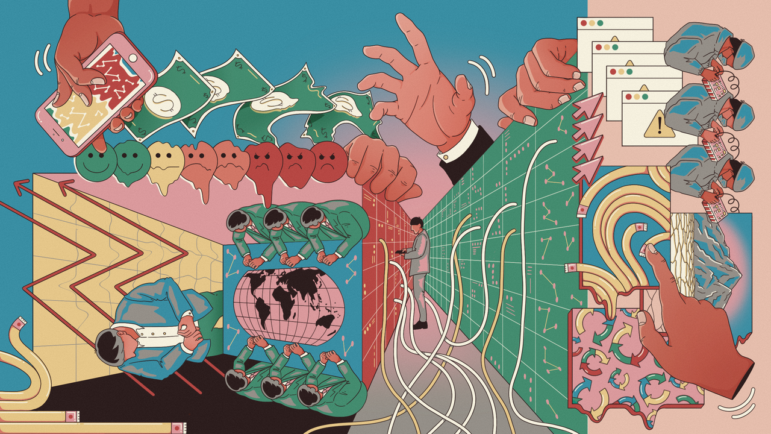
Covering AI requires examining the power structures and decisions that shape how these systems are built and deployed, and who ultimately benefits from them.

There is a central tension facing investigative journalists: the “AI and tech paradox.” Explore our report on the most urgent technology-related challenges facing investigative journalism today.
A dilemma haunts modern newsrooms. LLMs and related AI technologies are rapidly becoming key tools for journalists — and ironically their targets are frequently the very companies producing and profiting off of this technology.

This reporting guide is designed for journalists worldwide — so they can research and produce compelling stories on how countries and companies seek to exert influence abroad.

This chapter examines the energy transition in response to the climate crisis, and how the future of the fossil fuel industry remains relevant for investigative reporters.

This chapter examines some of the fossil fuel industry’s claims and strategies that obstruct climate action, and offer tips for vetting and investigating them.

This chapter looks at how governments support fossil fuels, both directly through tax breaks and subsidies, and indirectly by overlooking negative impacts of fossil fuel extraction and use.

This guide provides watchdog journalists with key context and practical advice to enable better investigations of the fossil fuel industry.

The chapter explores how fossil fuel companies seek to influence decision-makers and provides advice on uncovering evidence of these efforts and alerting the public.

This chapter explores key players and stakeholders in the fossil fuel industry, including related industries, global financial institutions, public relations firms, and other relevant actors.

This guide’s chapter explains how journalists can bring to public attention the gaps between the fossil fuel industry’s climate promises and its actual business decisions.
The aim of this reporting guide is to provide key context and practical advice to enable better investigations of the fossil fuel industry.

This encyclopedia from The Outlaw Ocean Project offers pointers for investigating ocean crimes and concerns.

Read our updated guide to reporting on health and medicine, featuring lessons learned from covering the coronavirus outbreak.

Combining the methods and standards of muckraking and Evidence-Based Medicine (EBM) can be highly effective.

Although in parts of the world investigating pharmaceuticals can be physically dangerous, in others you risk your reputation rather than your life.

If your story is about drugs, it is essential to delve into their development and approval history.

This webinar was designed to equip investigative journalists with the knowledge and tools to enhance their watchdog reporting on Africa’s mining sector.

Mineral extraction plays a dominant role in many economies and in the lives of billions of people. At what cost?

Organized crime today is fluid, transnational, enterprising, and an estimated trillion-dollar industry. To talk about the state of 21st Century organized crime, we have an extraordinary panel of journalists with deep experience reporting on Mexico’s cartels, Italy’s mafias, and Asia’s Golden Triangle
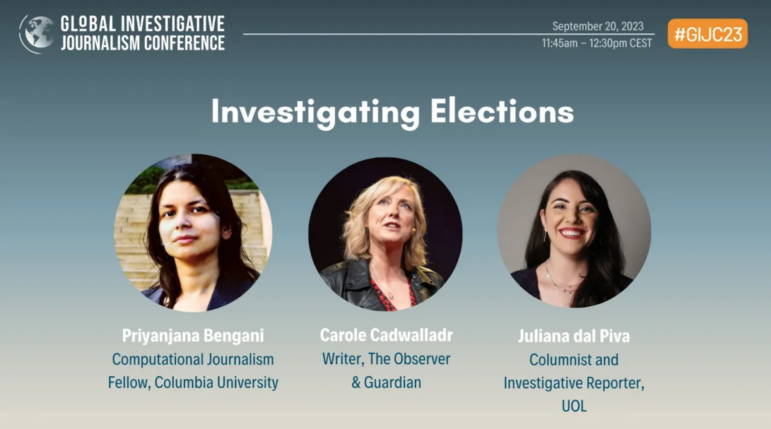
In this panel we bring together four veteran reporters who have investigated political campaigns and elections around the world.

Featuring tools to unearth candidates’ campaign finance histories; tips to connect with key sources; and resources to find hidden assets and red flags.

Investigative journalists play a crucial role in holding corporations to account, and have revealed labor abuses, environmental violations, corporate impunity and other instances of malpractice through deep-dives into companies and their owners.

This panel will delve into how to navigate this sometimes fraught relationship and offer best practices on how to tap into what can be a shady underworld.
There are numerous investigative topics to explore between the farmer’s field and the grocery store – and, indeed, the plate – and several recent projects have exposed abuses in the production, distribution, and access to food. This expert panel offers deep experience in issues from fisheries and pesticides to food security and biodiversity — with journalists based in Tunisia, the UK, the US, and Southeast Asia.