

How They Did It
How We Investigated a Global Crypto Laundromat
Investigators explain how they found a sanctioned crypto exchange in Russia resurrected itself under a new name and continued to attract new clients and move money across borders.
Investigators explain how they found a sanctioned crypto exchange in Russia resurrected itself under a new name and continued to attract new clients and move money across borders.
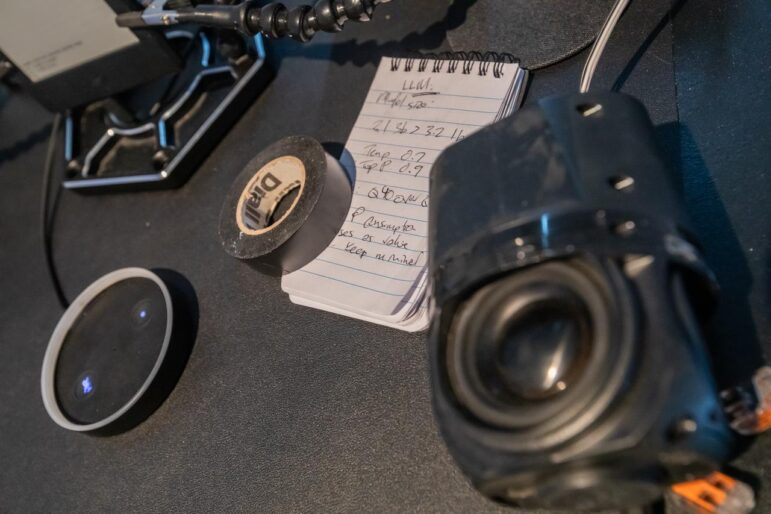
Undercover specialists warn that investigative tactics must be a last resort—especially in the AI age, where metadata, surveillance, and deepfakes raise new ethical and safety risks.

Facing attacks and threats from politicians and partisan media, the outlet has turned to innovative reporting formats to increase audience engagement and public interest in watchdog journalism.

Investigative journalists who have gone undercover in Nigeria, Ghana, Liberia, Cameroon, and Kenya share advice and practical tips.

Behind the scenes of the blockbuster CORRECTIV investigation that revealed a disturbing far right ‘master plan’ to expel millions of people from Germany.
GIJN associate editor Laura Dixon and GIJN Francophone Africa editor Maxime Domegni round up seven key takeaways from the 2023 Centre for Investigative Journalism’s 2023 summer conference in London.
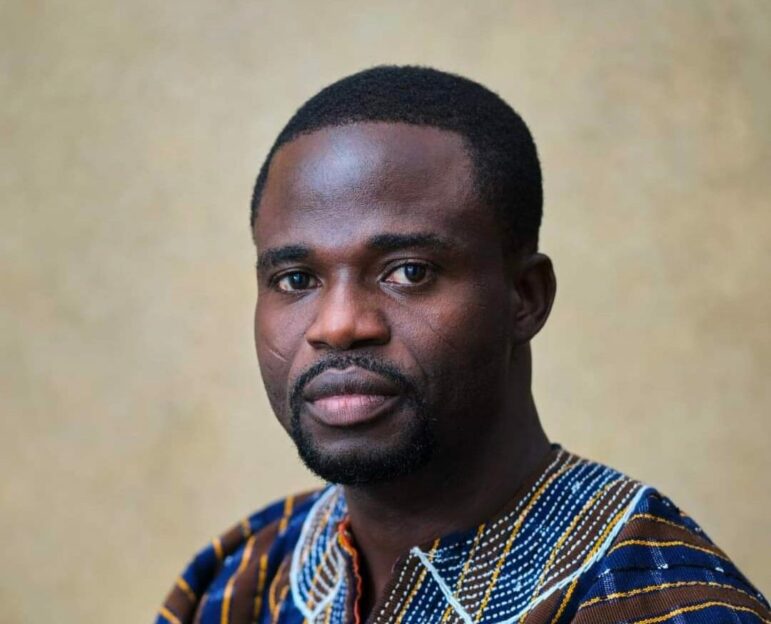
The award-winning Ghanaian journalist Manasseh Azure Awuni says there are a series of challenges that investigative reporters in Africa must confront during the course of their work. Read about the difficulty of getting accurate data, the challenges of impunity, funding issues, and press freedom challenges in this excerpt from his new book.

In a new book on undercover reporting, Australian journalism professors Andrea Carson and Denis Muller examine whether deception is ever an acceptable method for journalists to use.
From investigating elections around the world to tracking the fallout from the war in Ukraine to digging into organized crime in the Golden Triangle, here are the best guides and tipsheets from GIJN Resource Center’s in 2022.
The year 2022 has seen a number of noteworthy books about investigative journalism, from going undercover to dig into corruption to investigating the underbelly of the global migration crisis, and from a deep dive into dodgy COVID contracts to a book from Nobel Peace Prize winner Maria Ressa.
In 2001 GIJN was born, as investigative journalists from around the globe met for the very first time to share ideas, tips, and best practices to strengthen their reporting in a world where journalism was increasingly under threat.
Today the threat has multiplied, and at GIJN we find ourselves under the same pressures as our member organizations. Most urgently: available funding for investigative journalism has been impacted as some longtime funders who supported journalism in the past are no longer doing so or have closed. Yet our work continues, more important than ever before.
GIJN serves as the global hub for the world’s investigative reporters. Our core mission is to support and strengthen investigative journalism—with special attention to those from repressive regimes and marginalized communities.
We are embarking on our first-ever campaign initiative to help us expand our revenue by the end of the year through individual donors. If you have ever joined one of our free webinars, used one of our free resources, learned a new skill thanks to a GIJN training, or simply believe that press freedom is essential to civil society, we ask you to show your support for GIJN’s work with a donation of your choosing. Called “Friends of GIJN,” this campaign includes a more personalized experience, starting in 2027, for individuals who answer the call to join with us during this unprecedented time.
Truth and democracy are under attack around the world. You can fight back by helping GIJN support investigative journalists with free access to the latest tools and techniques — so they can foster justice and hold accountable those who abuse the public trust.
With a staff based in 24 countries, GIJN works in a dozen languages each day, linking together the world’s most enterprising journalists, offering state-of-the-art training, webinars, tip sheets, and a Help Desk that responds to 2,000+ requests for assistance each year. More than 84% of GIJN’s operating budget goes directly to our program work.
Please make a gift today to support journalists on the front lines of the fight for accountability and human rights.