

Resource Guide
GIJN’s Guide to Undercover Reporting
In countries without public record transparency rules or strong source protection laws, going undercover can be one of the few tools reporters have to reveal public interest stories.
In countries without public record transparency rules or strong source protection laws, going undercover can be one of the few tools reporters have to reveal public interest stories.
A network of female journalists went undercover in order to investigate what women and girls around the world are told when they approach a crisis pregnancy organization. Some were told they could be killing the next president, others than abortions cause cancer. The investigation revealed the highly sophisticated tactics some centers use to break a woman’s resolve, and how the messaging can be traced back to a Christian charity based in Columbus, Ohio.

An investigative journalism nonprofit based in Nigeria, the International Centre for Investigative Reporting, has pushed the envelope with its approach to investigating the country’s response to the COVID-19 pandemic. Executive Director Dayo Aiyetan talks about how the unit has carried out its investigations in the midst of the lockdown and how reporters are holding the government to account over its response.
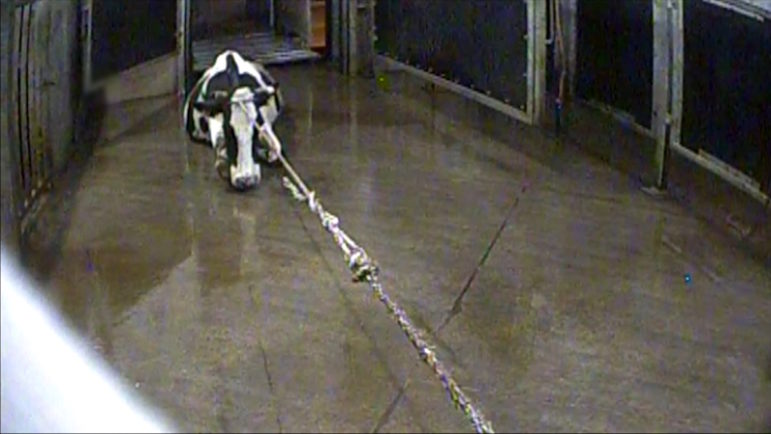
Reporter Patryk Szczepaniak has gone undercover as a Polish worker in the Netherlands, hired himself out as an Uber driver, and frequented Warsaw’s strip clubs, all in pursuit of a good story. It was useful preparation for his investigation into a slaughterhouse in Poland.

The American conservative movement is redefining the practice of investigative journalism to support its objectives. The movement’s key tool is undercover work, penetrating liberal organizations to collect and report embarrassing material, then feeding it to social and political adversaries of those organizations.
Web scraping is a way to extract information presented on websites. As I explained it in the first installment of this article, web scraping is used by many companies. It’s also a great tool for reporters who know how to code, since more and more public institutions publish their data on their websites.
With web scrapers, which are also called “bots,” it’s possible to gather large amounts of data for stories. But what are the ethical rules that reporters have to follow while web scraping?