
Resource Tipsheet
Basic Data Journalism Tips for Editors
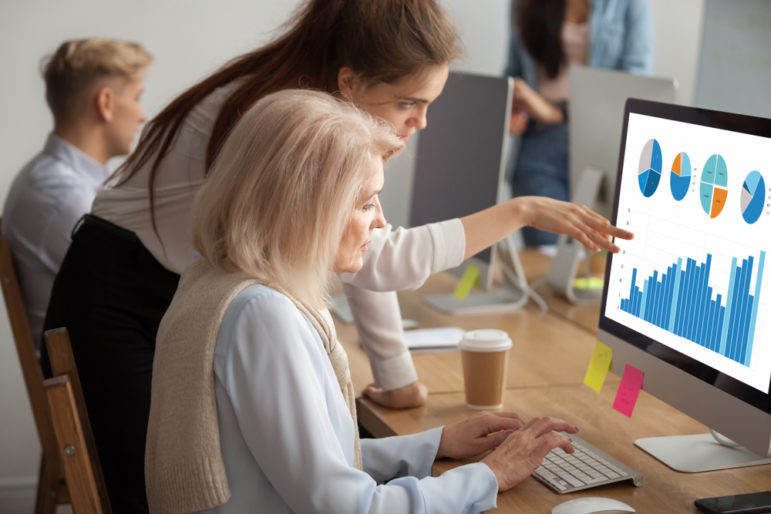
At the NICAR22 conference in Atlanta, Georgia, journalism trainer MaryJo Webster offered a series of basic tips for editors who have little to no data analysis skills.
At the NICAR22 conference in Atlanta, Georgia, journalism trainer MaryJo Webster offered a series of basic tips for editors who have little to no data analysis skills.

This week’s Friday 5, where we round up our favorite reads from around the online world in English, delves into the perils of reporting on preprint research platforms, a snapshot of end-to-end digital advertising and publishing supply chains, and how the French government took down a “fake news” page after being accused of “overstepping its constitutional role and infringing on press freedoms.”

This week’s Friday 5, where we round up our favorite reads from around the online world in English, includes tips for journalists covering COVID-19, news from Investigative Reporters & Editors about a NICAR20 conference attendee testing “presumptively positive” for the virus, and the latest on media conference cancellations around the world — including GIJN’s own Asian Investigative Journalism Conference.
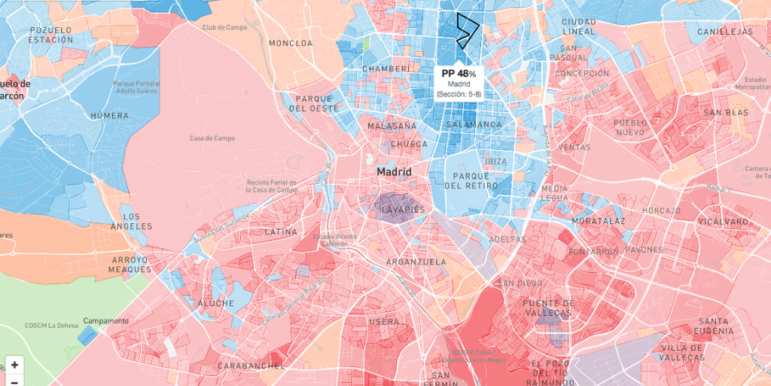
What’s the global data journalism community tweeting about this week? Our NodeXL #ddj mapping from January 13 to 19 finds the International Consortium of Investigative Journalists exposing how Africa’s richest woman really made her fortune, The Washington Post using satellite imagery to show the disappearance of an entire lake in the Philippines, El País sharing the behind-the-scenes process of their work, and Mike Reilley curating a mega list of useful data journalism tools.

What’s the global data journalism community tweeting about this week? Our NodeXL #ddj mapping from March 4 to 10 finds several interesting tools and feature releases: @FinancialTimes’ chartmaking tool, @datavized’s data sonification tool and a new feature on @Microsoft’s Excel app that converts printed tables into editable spreadsheets, as well as @alice_corona’s discussion of building 3D data experiences, and @alyssafowers coining the term “hedgehog maps.”
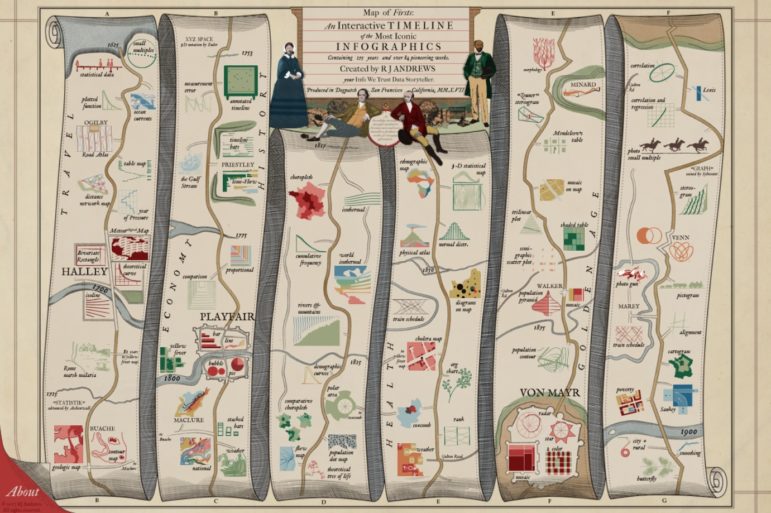
What’s the global data journalism community tweeting about this week? Our NodeXL #ddj mapping from February 19 to 25 finds economist @SethS_D analyzing Spotify data to find the correlation between our birth year and our music influences, @infowetrust illustrates three centuries of iconic infographics in a beautiful 17th century-styled dataviz and @EdjNet’s Stats Monitor gives you #ddj news leads on European data.
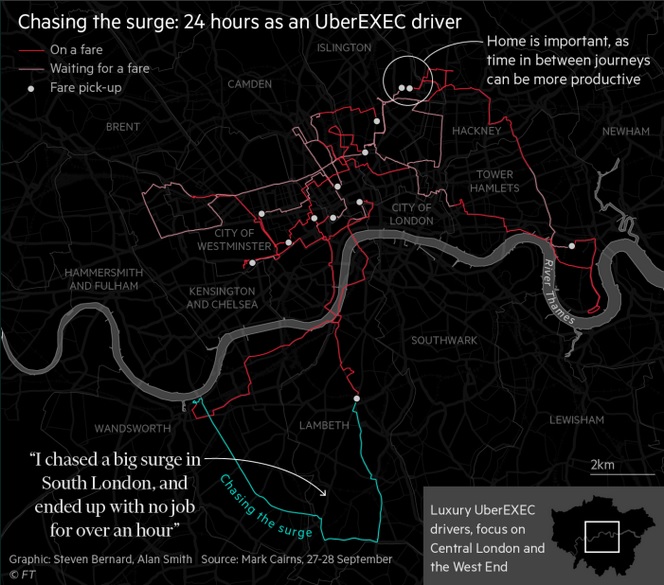
What’s the global data journalism community tweeting about this week? Our NodeXL #ddj mapping from September 25 to October 1 has @FT mapping the route in a day of a London Uber driver, #NICAR18 registration opening up, @Lattif charting Africa’s internet shutdowns using @atlascharts and loads of German election data visualizations.
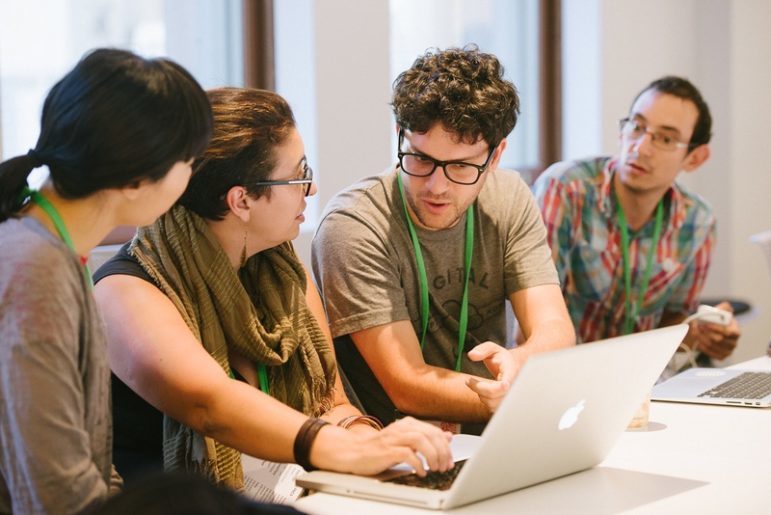
As journalists who analyze data for stories, we strive to hold ourselves accountable to a high standard of accuracy. But checking our work is rarely a straightforward process. Newsroom editors and fact-checkers might not have enough data expertise. Often, we need an outside opinion. Ideally, we could ask each other for advice, or even turn to experts in other fields for help. In academia, asking for outside comment before publication is broadly referred to as “peer review.”
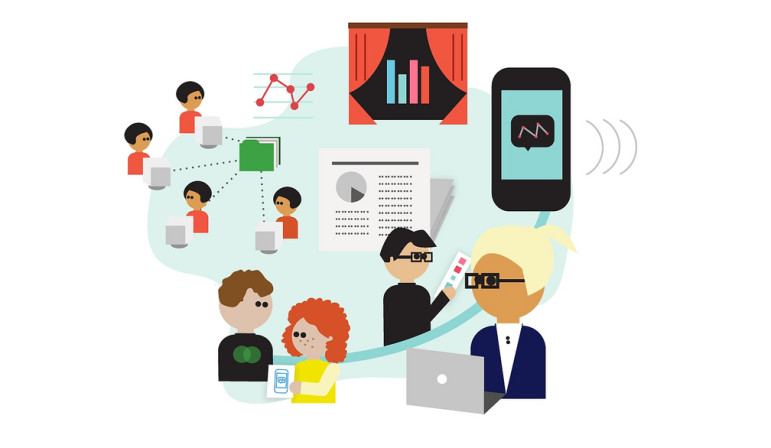
It started with trying to predict the outcome of a US presidential election. More than six decades later, computer-assisted reporting is at the core of investigative reporting globally.
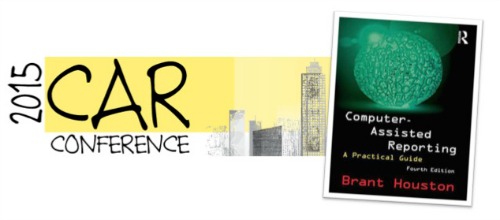
The media’s now widespread embrace of data journalism has made the book Computer-Assisted Reporting as relevant as it was 20 years ago. With this newly revised, fourth edition, Brant Houston has expanded on his previous work. Take a look at how to use the tools of the trade.