GIJC25
Tips and Advice for Investigating the Stories that Impact the LGBTQ+ Community
Rising political backlash and harmful policies threaten queer lives. Covering systemic failures that affect LGBTQ+ people requires rigorous, sensitive reporting.
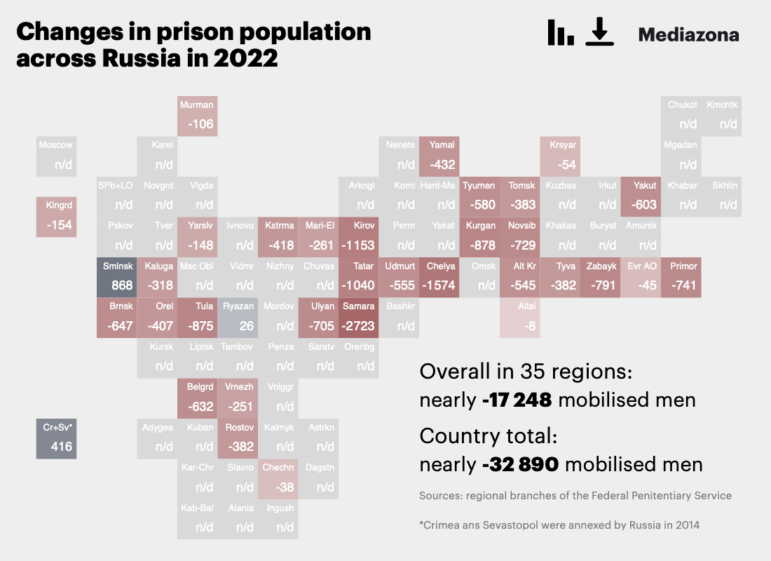
This week’s data journalism roundup digs into the wave of legislation across the US targeting trans rights, Russia’s prison-to-front lines pipeline, French same-sex marriages 10 years after legalization, and the dearth of snow across the Alps this past winter.
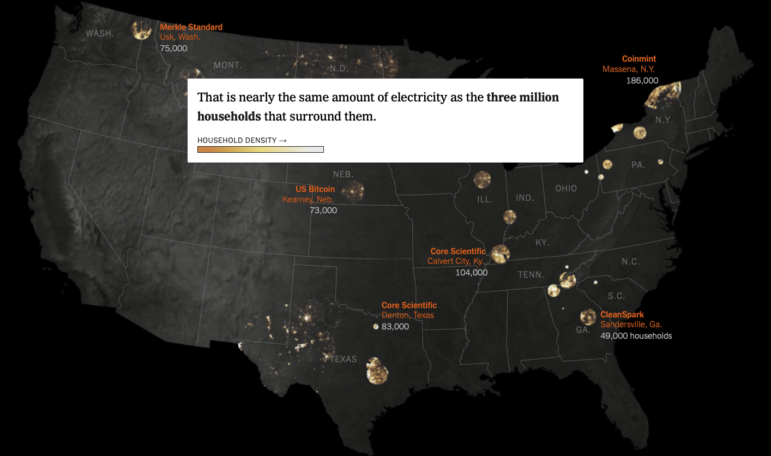
This week’s data journalism roundup highlights a New York Times investigation into the energy and environmental impacts of bitcoin mining, Reuters’ look at anti-homosexuality laws across the African continent, mapping of Switzerland’s residential density, and a visualization of Lionel Messi’s decorated football career.
From birth control disinformation to cross-border surrogacy, from high-level sexual harassment to the brutality of “everyday” violence against women, 2022 was a year marked by a number of noteworthy investigations into stories with a gender angle.
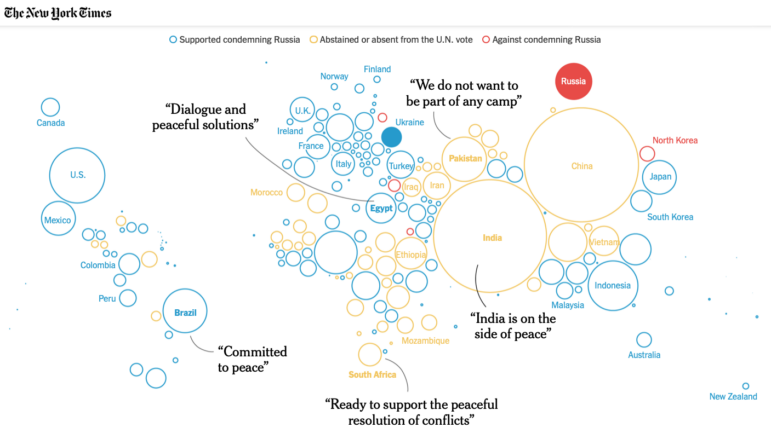
GIJN’s weekly look at the best in data journalism examines one year of war in Ukraine, Russian casualty totals, trans coverage in the French media, and the most unexpected performances in NBA history.
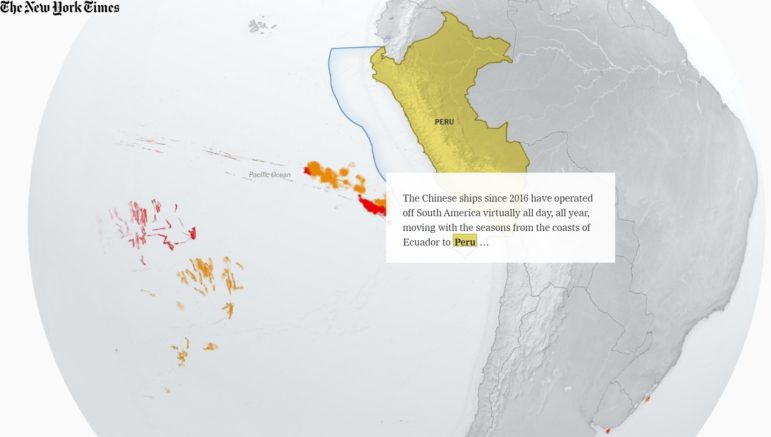
China’s global fishing operation is prompting concerns about overfishing and destruction of marine life and ecosystems and The New York Times mapped its global reach. Our weekly NodeXL and human curation of the most popular data journalism stories on Twitter also highlights the queer cinema history in the Southeast Asian region, charted Hurricane Ian’s destructive path through the US, Iran’s protests for womens’ rights, and the social housing issues in Canada.
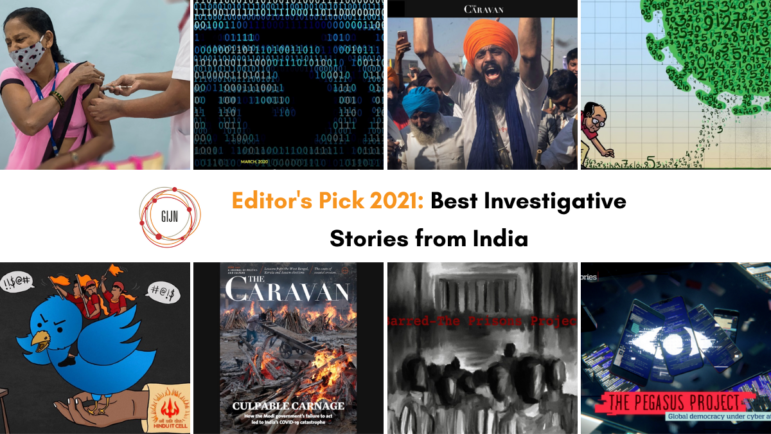
In 2021, as the mainstream Indian media continued to transform into the propaganda arm of the ruling party, intrepid digital platforms, mainly from the English-language press, have published some groundbreaking investigative stories and forced the rest of the legacy media to follow their lead.
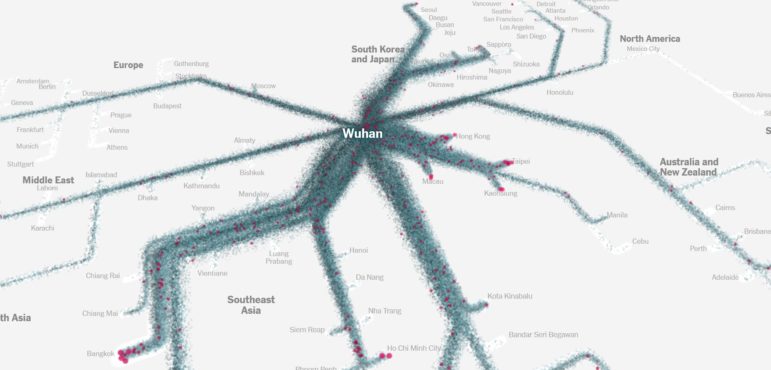
The attention of the global data journalism community remains very much tuned in to the developing COVID-19 pandemic, which is reflected in our NodeXL #ddj mapping from March 16 to 22. The New York Times mapped the movements of millions of people to trace how the virus spread out from China, The Financial Times tracked how coronavirus case trajectories compare among countries, while Robert Kosara explains the brilliance of a “Flatten the Curve” cartoon.
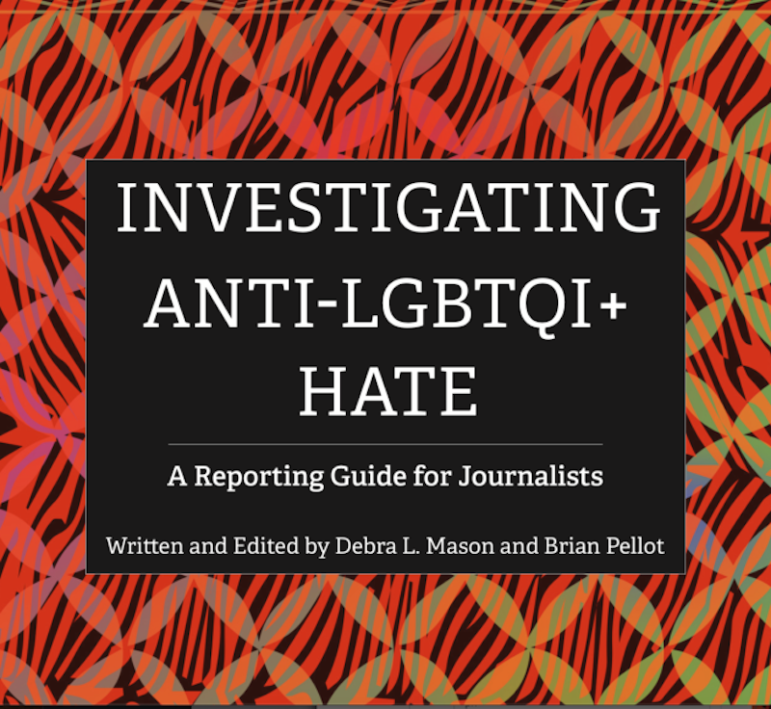
Taboom Media has created a reporting guide for journalists interested in investigating how US-based faith groups and NGOs foment hate against LGBTQI+ communities, both in the United States and abroad.
The Global Investigative Journalism Network, Netzwerk Recherche and Interlink Academy are delighted to be offering, with the help of our sponsors, more than 200 fellowships to attend the premier international gathering of investigative and data journalists this year. The 11th Global Investigative Journalism Conference will be held in Hamburg, Germany from September 26 to 29, and will feature over a hundred exciting panels, workshops, and networking sessions.