

Case Studies
How Women Are Driving a Golden Age of Data Journalism in Kenya
Eunice Magwambo, Purity Mukami, and Juliet Atellah discuss their work and challenges facing data journalists in their home country of Kenya.
Eunice Magwambo, Purity Mukami, and Juliet Atellah discuss their work and challenges facing data journalists in their home country of Kenya.
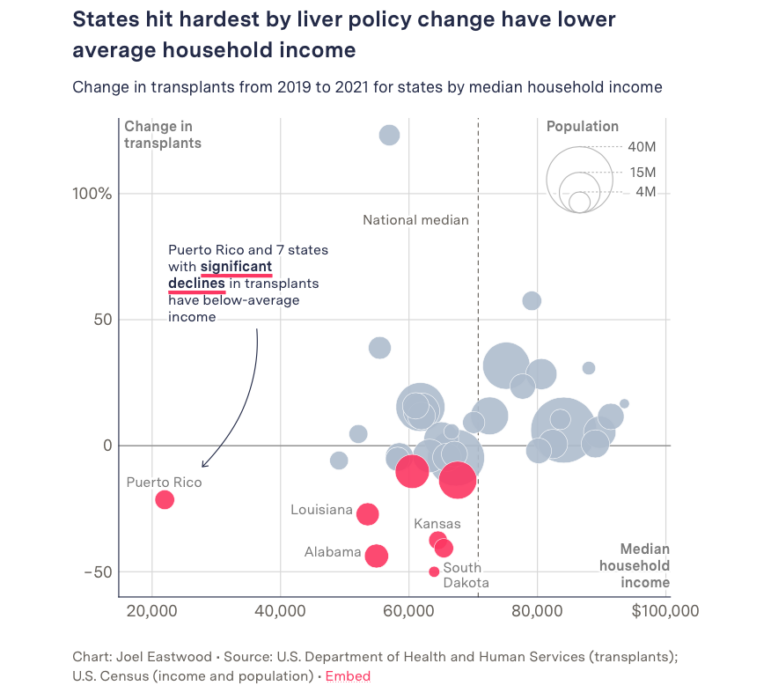
GIJN’s weekly curation of the most popular data journalism stories on Twitter features a look the impact of changes to organ donation rules in the US, drug usage in Europe based on wastewater analysis, a text analysis of layoff memos written by tech industry chief executives, and an examination of protests across Russia in 2022.
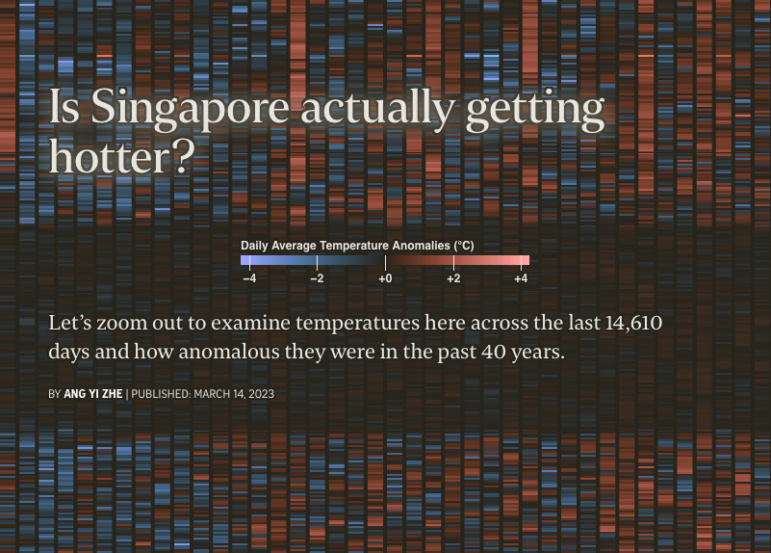
This week our top ten in data journalism features stories digging into the link between Ebola outbreaks and deforestation, on the stark impact of global warming on everything from crop yields to species loss, and the undeniable increase in the number of hot nights in Singapore.

At the 2023 NICAR conference, GIJN talked with several data journalism experts and learned 10 simple data journalism errors to avoid that could ruin your investigation.
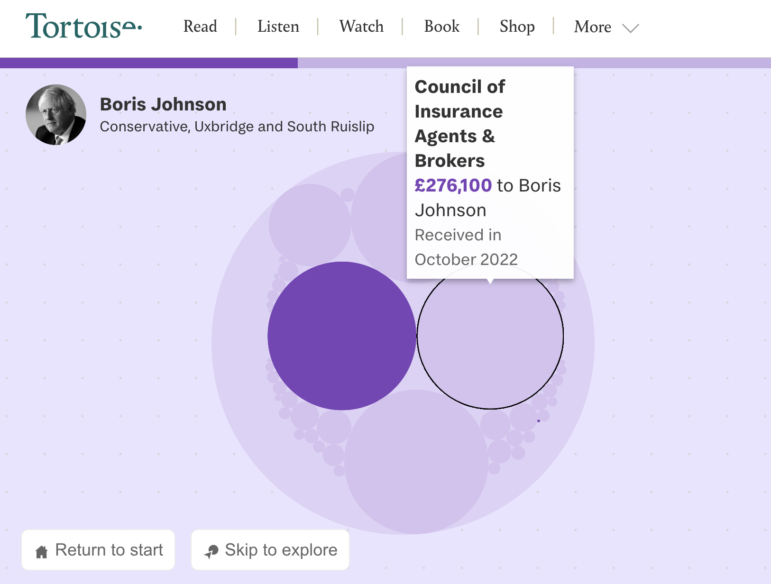
Our most popular data journalism stories of the week include a UK political money tracking tool, Central Asia’s perception of the Russian war in Ukraine, and an analysis of the sentencing of rioters involved in the 2021 US Capitol attack.
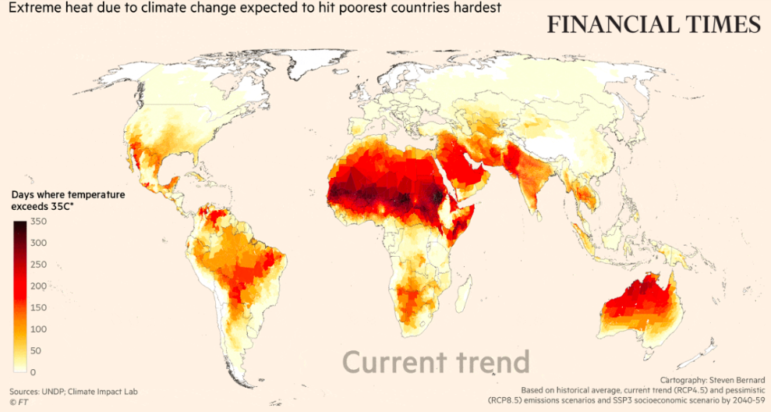
Our weekly curation of the most popular and engaging data journalism stories looks at Hollywood blockbuster diversity, how climate change drives global inequity, tracking US election deniers, and toxic tweets aimed at UK politicians.

Our weekly curation of the most popular data journalism stories on Twitter highlights non-fatal US police shootings, the rise and fall of COVID billionaires, racial disparities in internet service and road safety programs, and Minnesota’s great Halloween blizzard of 1991.
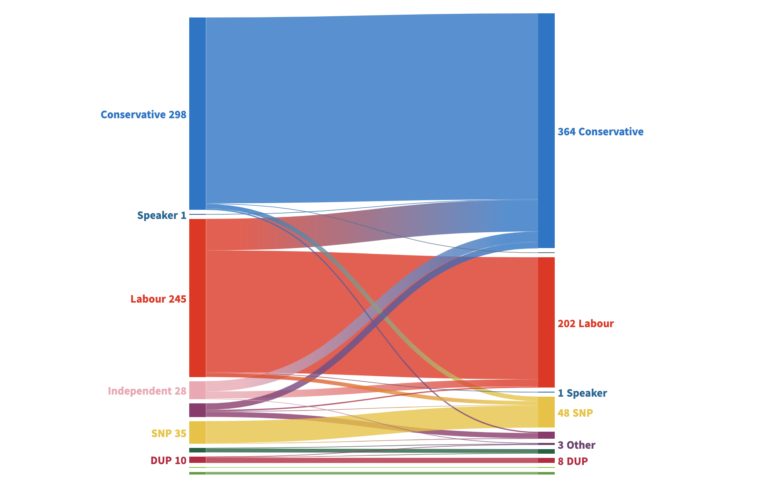
In Flourish’s recent webinar on effective elections and polling visualization, data journalist Mafe Callejón shared essential tips for building an interactive map from election results.
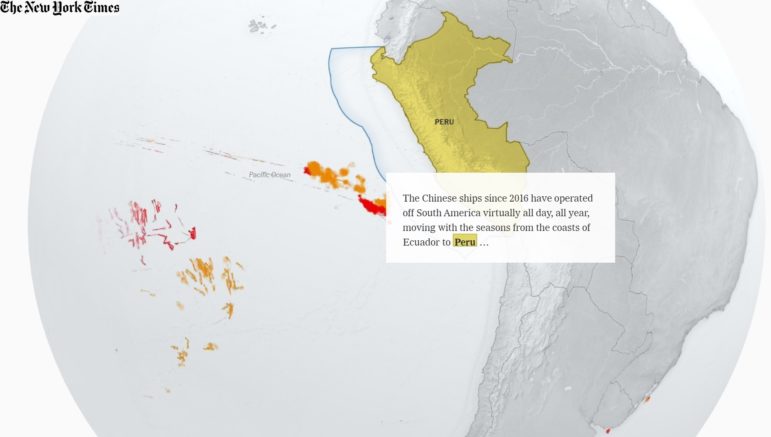
China’s global fishing operation is prompting concerns about overfishing and destruction of marine life and ecosystems and The New York Times mapped its global reach. Our weekly NodeXL and human curation of the most popular data journalism stories on Twitter also highlights the queer cinema history in the Southeast Asian region, charted Hurricane Ian’s destructive path through the US, Iran’s protests for womens’ rights, and the social housing issues in Canada.
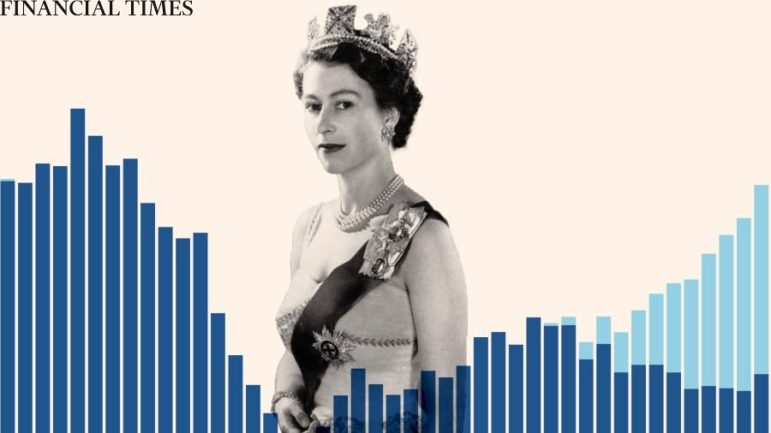
Our weekly NodeXL and human curation of the most popular data journalism stories on Twitter features The Financial Times’ 10 charts visualizing developments in the United Kingdom during Elizabeth’s reign, The Marshall Project’s look at how government Covid-19 relief funds were used, and Taiwan Data Stories’ scrollytelling project about Taiwan’s iconic street food.
In 2001 GIJN was born, as investigative journalists from around the globe met for the very first time to share ideas, tips, and best practices to strengthen their reporting in a world where journalism was increasingly under threat.
Today the threat has multiplied, and at GIJN we find ourselves under the same pressures as our member organizations. Most urgently: available funding for investigative journalism has been impacted as some longtime funders who supported journalism in the past are no longer doing so or have closed. Yet our work continues, more important than ever before.
GIJN serves as the global hub for the world’s investigative reporters. Our core mission is to support and strengthen investigative journalism—with special attention to those from repressive regimes and marginalized communities.
We are embarking on our first-ever campaign initiative to help us expand our revenue by the end of the year through individual donors. If you have ever joined one of our free webinars, used one of our free resources, learned a new skill thanks to a GIJN training, or simply believe that press freedom is essential to civil society, we ask you to show your support for GIJN’s work with a donation of your choosing. Called “Friends of GIJN,” this campaign includes a more personalized experience, starting in 2027, for individuals who answer the call to join with us during this unprecedented time.
Truth and democracy are under attack around the world. You can fight back by helping GIJN support investigative journalists with free access to the latest tools and techniques — so they can foster justice and hold accountable those who abuse the public trust.
With a staff based in 24 countries, GIJN works in a dozen languages each day, linking together the world’s most enterprising journalists, offering state-of-the-art training, webinars, tip sheets, and a Help Desk that responds to 2,000+ requests for assistance each year. More than 84% of GIJN’s operating budget goes directly to our program work.
Please make a gift today to support journalists on the front lines of the fight for accountability and human rights.