Resource Guide
GIJN’s Global Guide to Freedom of Information
More than 115 countries worldwide have laws that require officials to turn over public records.
GIJN’s Resource Center is here to help journalists expand their knowledge and skills. The Center holds more than 2,000 items in 14 languages – from tip sheets and guides to instructional videos. Use the menu on the right to navigate it or the search box below to find topics you’re interested in.
More than 115 countries worldwide have laws that require officials to turn over public records.
Finding out who owns land can be tough. While property registration systems exist in almost all countries, the quality and availability of the information vary widely. World Bank experts estimate that only 30% of the world’s population has a legally registered title to their land, a widely quoted figure that Bank officials stress is a […]
Growing your major gifts program — or getting one started in the first place — can feel like an overwhelming responsibility. The philanthropic landscape is extremely competitive, and the prospect of identifying and soliciting prospective donors can seem cumbersome and intimidating. While the non-profit journalism landscape has flourished, opening up new revenue streams and business […]
GIJN’s research provides tips on how to plan and carry out a crowdfunding campaign, names of national and regional crowdfunding sites, suggestions of useful tools to use. And some stories from those who have done it. At GIJN’s 2019 Hamburg conference, Tamas Bodoky of Atlatszo in Hungary, elaborated on seven suggestions (see his tipsheet): Establish […]
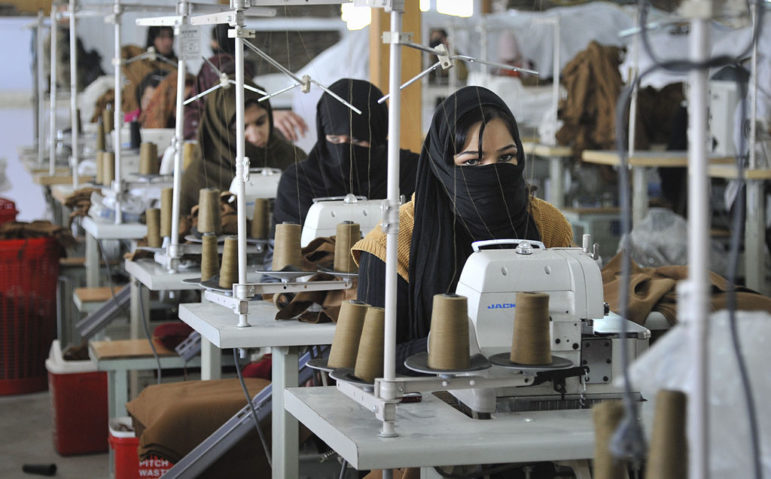
Exposing the connections between the products we buy and the circumstances of their creation has proved to be fertile ground for investigative journalism. In seeking to understand the origins of our food, raw materials and manufactured goods, reporters have uncovered slavery, environmental crimes, corruption and human rights abuses. In this new GIJN resource page, we identify the investigative tools used for tracking the “supply chains” that link fields, oceans, mines and factories with the end products we buy.
Supply chains are networks between companies and their suppliers that produce and distribute a specific product. They may include providers of raw material, firms that convert the material into products, storage facilities and distribution centers, and retailers who bring the ultimate product to consumers. The products are as varied as the marketplace: clothing, electronics, vehicles, […]
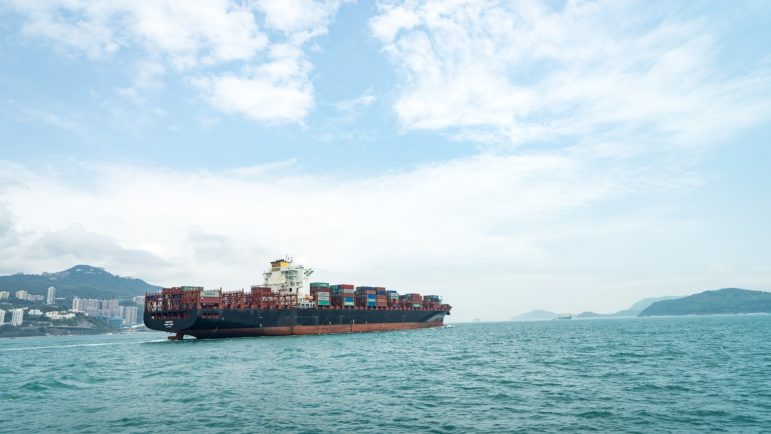
More than 90,000 commercial ships make up the world’s commercial fleet, their locations closely tracked and the resulting data available for free. GIJN has compiled a comprehensive list of resources to track ships (including big yachts and fishing boats). We link to four dozen valuable sources of information. At the 2023 Global Investigative Journalism Conference, […]
With an estimated 257 million migrants in the world, migration has emerged as one of the most contentious national and international issues. GIJN has gathered resources on this topic, including: Useful sources of factual information Reporting guidelines and media criticism Information on journalism prizes (and the winners) concerning migration Examples of recent and varied stories […]
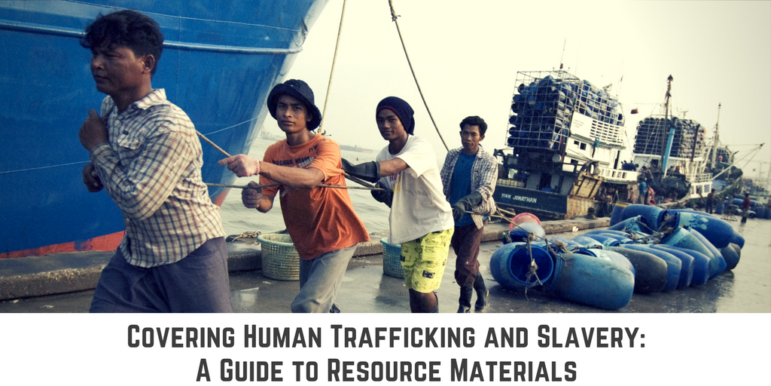
Researchers estimate 40 million people exist in some form of slavery today, ranging from debt bondage and false contracts to sex trafficking, forced marriage and child labor. To help journalists cover human trafficking and slavery, GIJN has created this collection of resources including documents and reports, places to find expertise and advice on best practices in reporting and investigation.