
Reporting Tools & Tips
Investigating Antiquities Trafficking
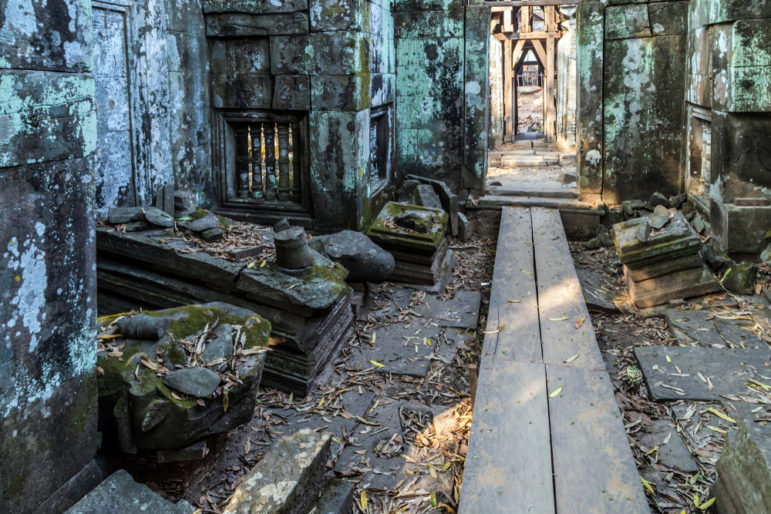
The illicit trade in antiquities is a form of transnational crime that connects the theft at heritage sites to the elite world of the global art market, often via a web of organized crime.
The illicit trade in antiquities is a form of transnational crime that connects the theft at heritage sites to the elite world of the global art market, often via a web of organized crime.
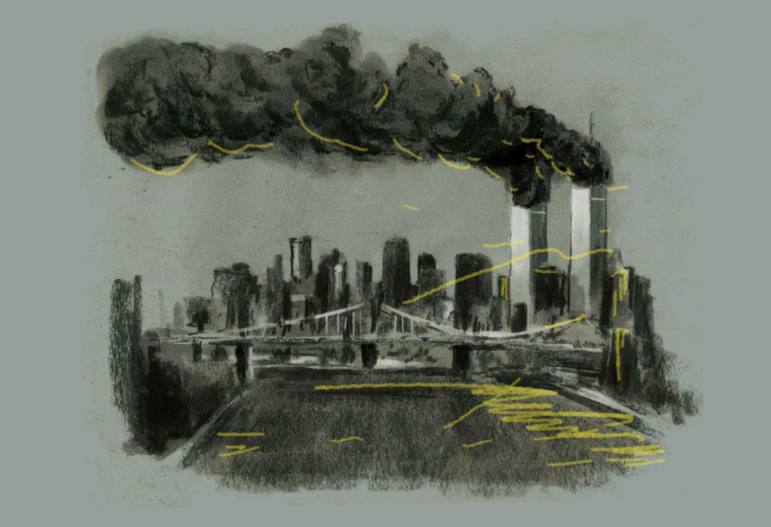
Tracking the most popular data journalism stories on Twitter from September 6 to September 13, we found a visual project by the South China Morning Post explaining the global impact of the deadliest terrorist attack on American soil in US history, a Guardian investigation into the history of Canada’s residential schools, and a video project by Le Monde exploring the recent history of forest fires around the world.
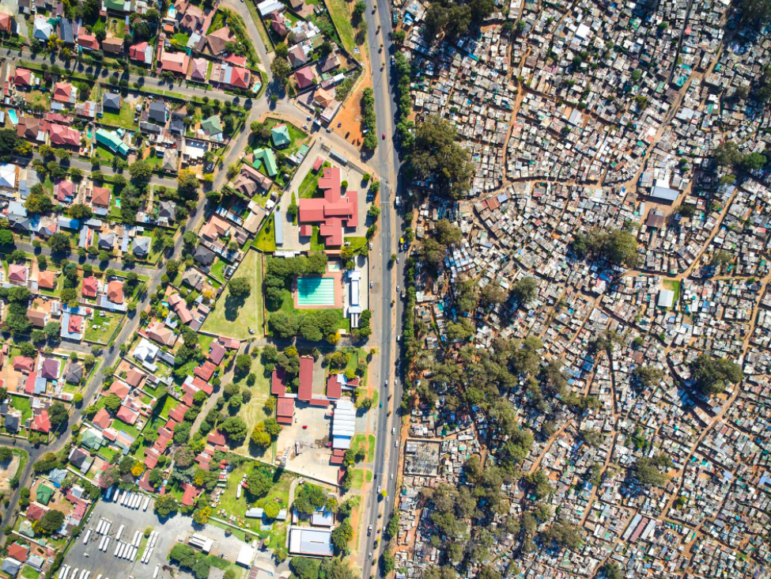
Data on the gap between rich and poor, privileged and marginalized, tends to be nuanced or hard to find. But amid warnings that the COVID-19 pandemic will accelerate the gap between rich and poor, investigative reporters need new tools to show the scale and implications of these gaps. From audiographs to drone imagery, and featuring tips from South Africa and Brazil, we share some of these methods here.
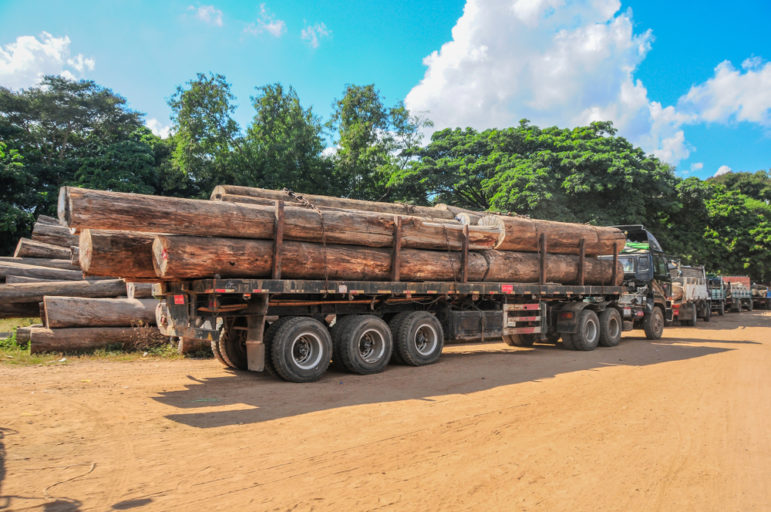
Myanmar’s new regime leaders escalated their forceful crackdown on nationwide protests with sweeping restrictions on the media, severely curtailing independent journalism in particular, and opening the way for serious environmental crimes.
“There certainly appears to be a worrying trend around the world where powerful companies or public officials attempt to censor public participation on matters of public interest through lawsuits, for instance in the law of defamation,” explained Dario Milo, a South Africa-based attorney who specializes in communication law and is a member of the European Union’s Expert Group on SLAPPs.
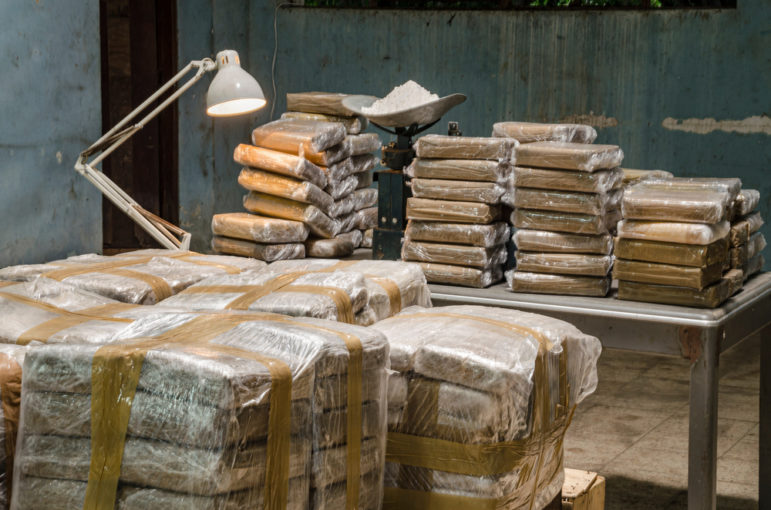
Covering drug trafficking is inherently difficult and can be dangerous. Information is also scant. In most cases, it is best to begin by getting the best data possible. However, in all cases, proceed with caution: data on drug trafficking, especially drug seizures, gives you only a small part of the picture and can even distort reality in some cases.
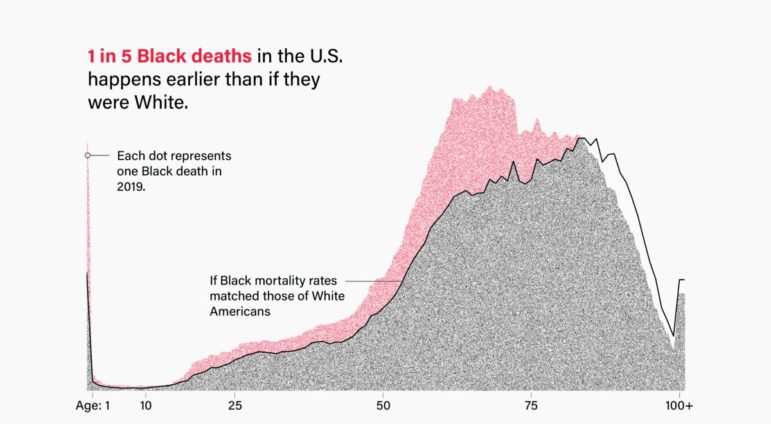
Tracking the most popular data journalism stories on Twitter from August 30 to September 5, using NodeXL mapping and our own human curation, we found a series of infographics by Al Jazeera illustrating the scale of the looming crisis. In this edition, we also feature a New York Times investigation into Bitcoin’s energy use, an examination of the Black mortality gap in the United States by The Marshall Project, and a look at the varying successes of the actors who have played James Bond by The Times (UK).
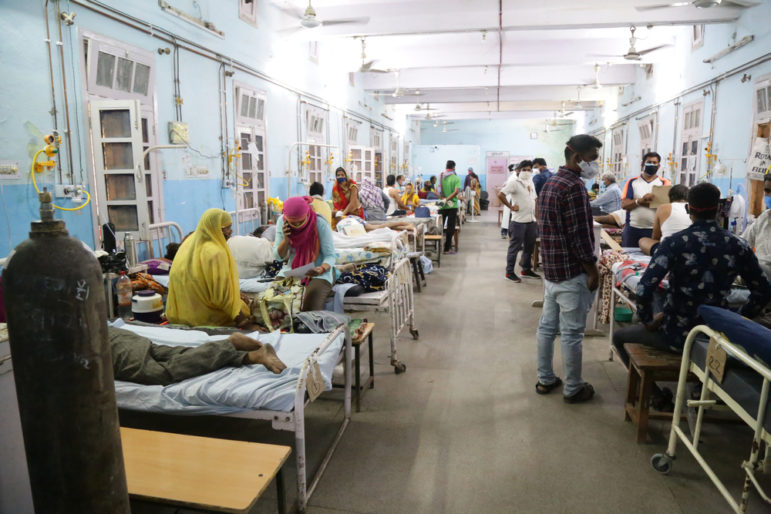
A collaborative project brought together 40 women journalists from 30 states across India to tell the stories they had uncovered while investigating the impact of COVID-19. But their coming together turned into a much broader conversation about the challenges of their work and lives.
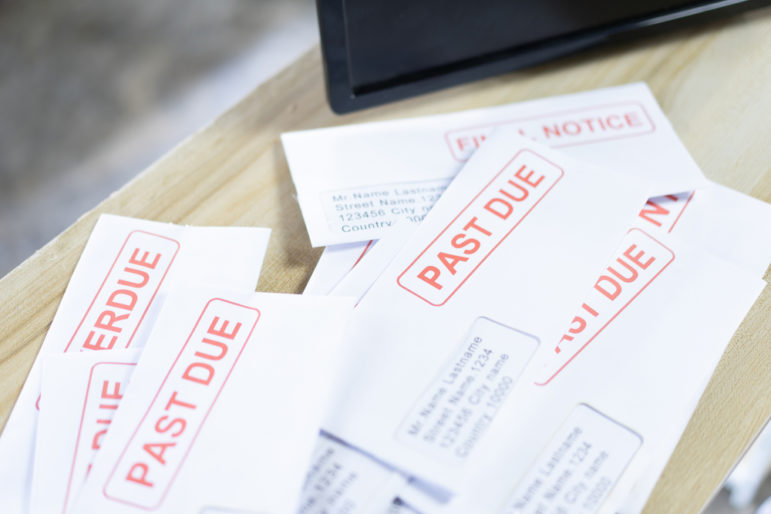
When Giacomo Bologna was working on his first freelance story, he reached out to the Fund for Investigative Journalism for help. With a grant to cover his gas mileage, the cost of copying records, and his time, Bologna set up shop in a small room on the third floor of a courthouse in Mississippi and started reviewing paper files to trace a large nonprofit hospital’s practice of aggressively pursuing payment from thousands of poor patients.
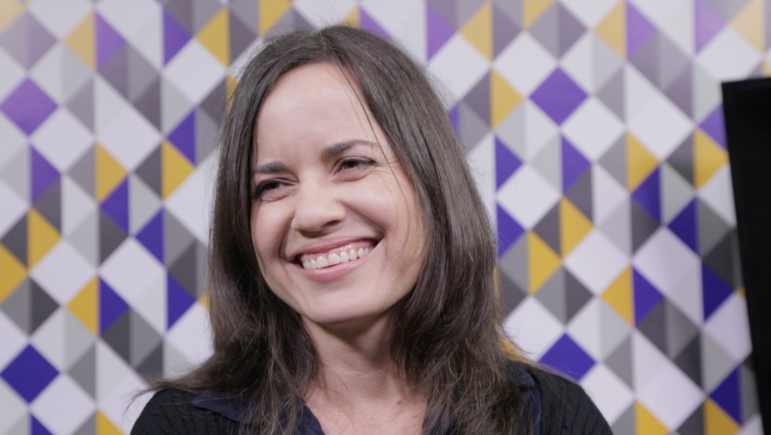
Since her arrival at Runrun.es, Lisseth Boon has conducted investigations on human rights violations, gold trafficking, illegal mining, and environmental crimes, many of them recognized with national and international awards. Her team has also worked with media platforms both inside and outside of Venezuela such as Consejo de Redacción and Connectas in Colombia, Convoca in Perú, and Mongabay. It has also participated in transnational collaborative projects such as the Panama Papers, Fincen Files, Swiss Connection, Lava Jato (Operation Car Wash), Vigila La Pandemia, and Tierra de Resistencia.