
GIJN Webinar: Investigating Organized Crime in Sub-Saharan Africa
In this GIJN webinar, three senior reporters will share tips and resources to investigate financial crime, arms smuggling, and environmental crime.
In this GIJN webinar, three senior reporters will share tips and resources to investigate financial crime, arms smuggling, and environmental crime.
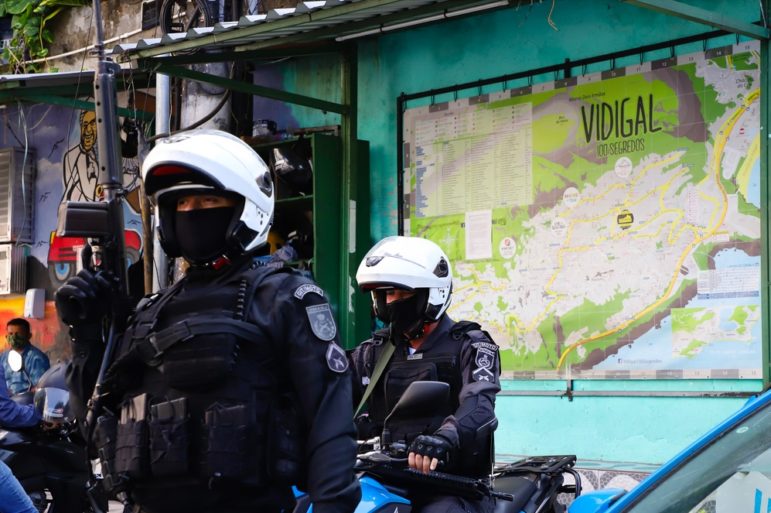
Brazilian journalist Rafael Soares discusses his favorite reporting methods and tools for investigating police misconduct and abuse of power in Rio de Janeiro.

A growing number of journalists and media organizations have established a presence on Mastodon. GIJN’s social media editor Holly Pate answers some common questions about the platform.
For decades, the Golden Triangle has been a source of fascination to journalists around the world. They’ve focused on the seemingly endless stories of criminal rackets, larger-than-life characters, and the area’s rich history and cultures. Covering organized crime, however, is challenging, and facts about the region’s black markets, its criminal players and their political backers can be hard to come by. In this GIJN webinar, three senior reporters will share their tips and resources to report from this region.
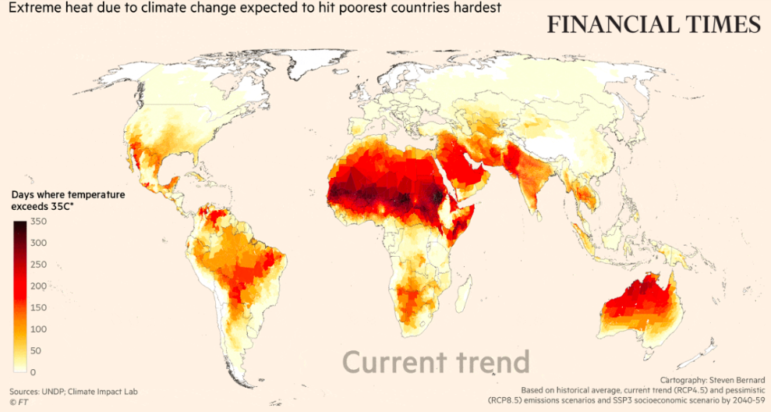
Our weekly curation of the most popular and engaging data journalism stories looks at Hollywood blockbuster diversity, how climate change drives global inequity, tracking US election deniers, and toxic tweets aimed at UK politicians.

The year 2022 has seen a number of noteworthy books about investigative journalism, from going undercover to dig into corruption to investigating the underbelly of the global migration crisis, and from a deep dive into dodgy COVID contracts to a book from Nobel Peace Prize winner Maria Ressa.
For the inaugural post in our new interview series about investigative reporters operating in tough press freedom environments around the world, GIJN speaks to Vinod K. Jose, executive editor of India’s premier long-form journalism magazine, The Caravan. He tells us about the challenges of leading an intrepid team in the face of rising autocracy in the world’s largest democracy.

At a recent GIJN webinar, journalist and experts discussed best practices for investigating conflict-related sexual violence (CRSV), including tips for interviewing possible war crimes victims and corroborating incidents without re-traumatizing survivors.
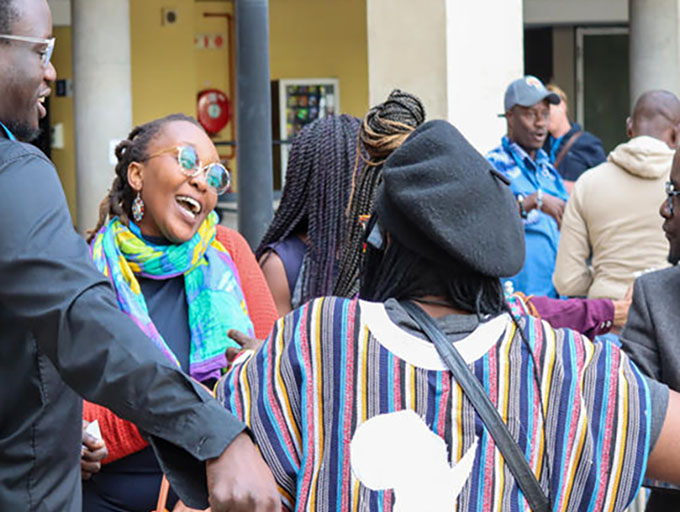
During a panel at the 2022 African Investigative Journalism Conference in Johannesburg, South Africa, prominent women editors and reporters from the continent emphasized the need for diversity in both newsroom staff and coverage of issues.
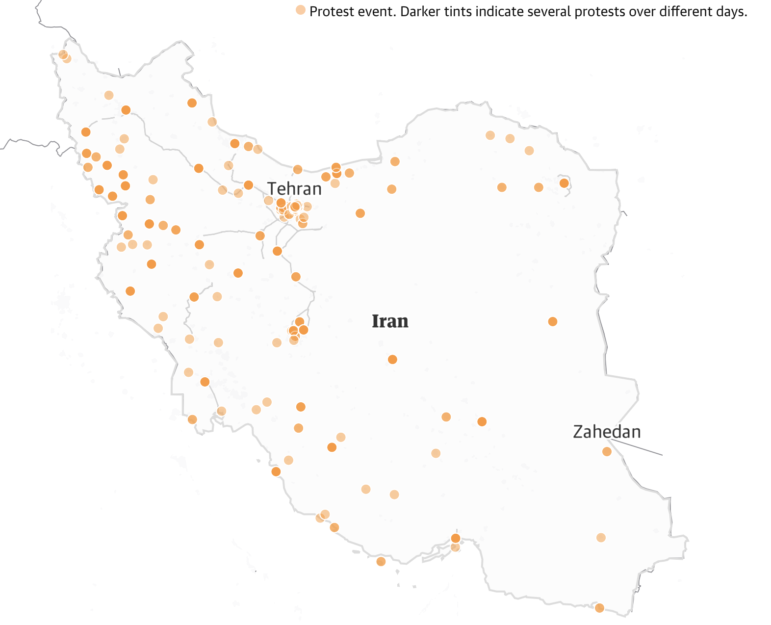
This week’s list of the top 10 data journalism stories on Twitter includes a tool for testing your newsworthiness as a missing person, broken corporate promises not to fund 2020 US election deniers, and a timeline of Iran’s nationwide protests.
In 2001 GIJN was born, as investigative journalists from around the globe met for the very first time to share ideas, tips, and best practices to strengthen their reporting in a world where journalism was increasingly under threat.
Today the threat has multiplied, and at GIJN we find ourselves under the same pressures as our member organizations. Most urgently: available funding for investigative journalism has been impacted as some longtime funders who supported journalism in the past are no longer doing so or have closed. Yet our work continues, more important than ever before.
GIJN serves as the global hub for the world’s investigative reporters. Our core mission is to support and strengthen investigative journalism—with special attention to those from repressive regimes and marginalized communities.
We are embarking on our first-ever campaign initiative to help us expand our revenue by the end of the year through individual donors. If you have ever joined one of our free webinars, used one of our free resources, learned a new skill thanks to a GIJN training, or simply believe that press freedom is essential to civil society, we ask you to show your support for GIJN’s work with a donation of your choosing. Called “Friends of GIJN,” this campaign includes a more personalized experience, starting in 2027, for individuals who answer the call to join with us during this unprecedented time.
Truth and democracy are under attack around the world. You can fight back by helping GIJN support investigative journalists with free access to the latest tools and techniques — so they can foster justice and hold accountable those who abuse the public trust.
With a staff based in 24 countries, GIJN works in a dozen languages each day, linking together the world’s most enterprising journalists, offering state-of-the-art training, webinars, tip sheets, and a Help Desk that responds to 2,000+ requests for assistance each year. More than 84% of GIJN’s operating budget goes directly to our program work.
Please make a gift today to support journalists on the front lines of the fight for accountability and human rights.