
News & Analysis Reporting Tools & Tips
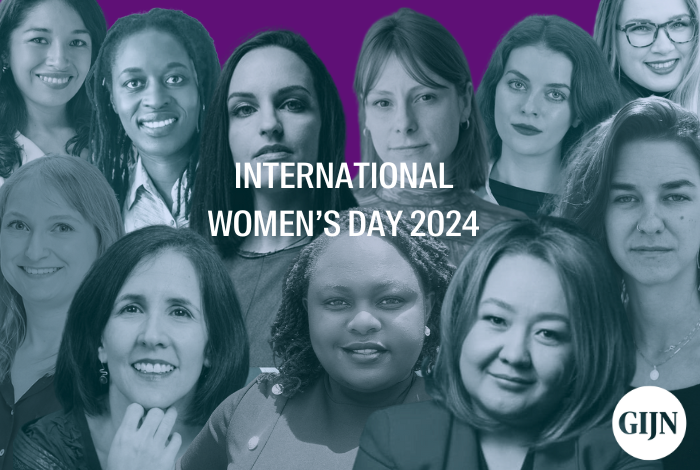
Tips From — And For — Women Investigative Journalists Reporting on 2024 Elections
GIJN’s global team spoke with women investigative journalists about their election coverage best practices.
GIJN’s global team spoke with women investigative journalists about their election coverage best practices.
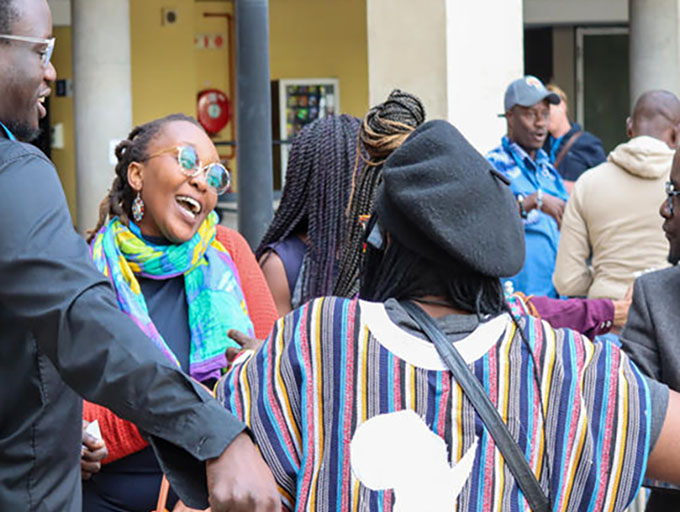
During a panel at the 2022 African Investigative Journalism Conference in Johannesburg, South Africa, prominent women editors and reporters from the continent emphasized the need for diversity in both newsroom staff and coverage of issues.

In 2021, nonprofit journalism site CORRECTIV.Lokal set out to investigate the impact of restricted access to abortion on the health and well-being of pregnant people in Germany. As the recent US Supreme Court ruling shows, ongoing changes to abortion rights and legislation affect millions of people around the world and make this a crucial topic for investigative journalists.
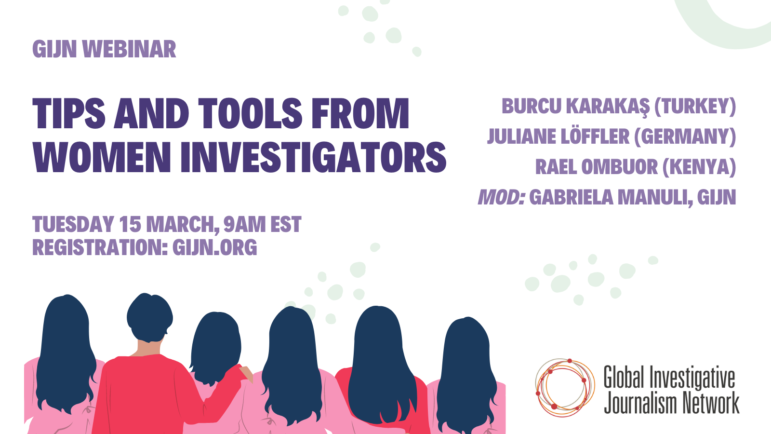
In this GIJN webinar, we bring together three journalists who will offer resources and tips for investigating issues that directly affect women, and that have historically been under-reported. They will offer tips and tools to reporters working in very different contexts, share their advice, and suggest important areas that need to be investigated.
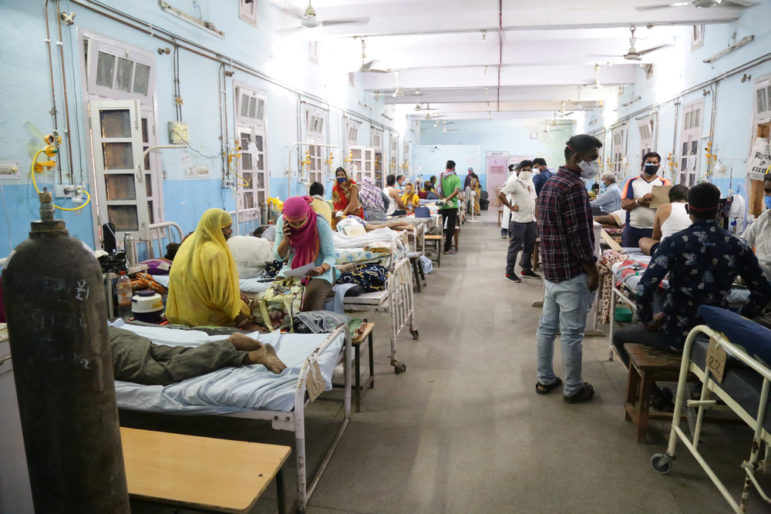
A collaborative project brought together 40 women journalists from 30 states across India to tell the stories they had uncovered while investigating the impact of COVID-19. But their coming together turned into a much broader conversation about the challenges of their work and lives.
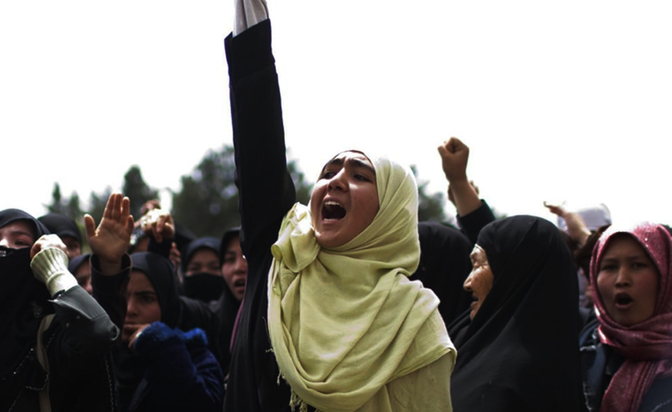
Afghan journalist Zahra Joya, 28, is not hopeful of a bright future for women journalists in her country. In November 2020, she used her personal savings to recruit five women journalists and start Rukhshana Media. They wanted to go around the country and tell the stories of maternal mortality, domestic violence and women’s reproductive health. Since then, they have published stories on the taboo of menstruation, child marriage, street harassment, gender discrimination and what it means to live as a survivor of rape.
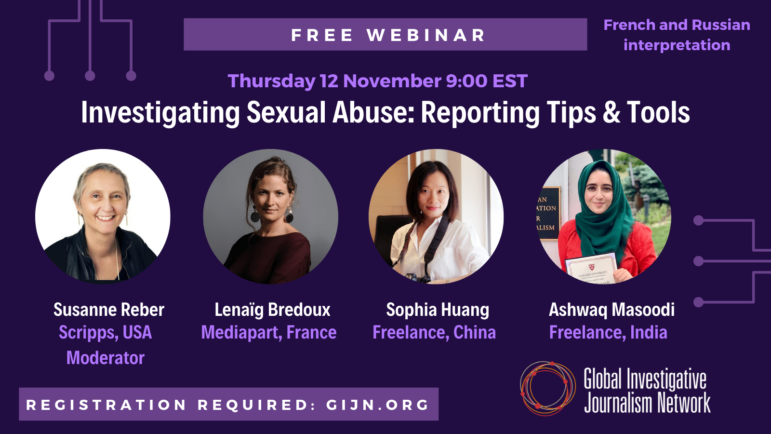
In this global GIJN webinar we bring together three journalists from France, China and India who have substantial experience in investigating cases of sexual abuse. They will share their strategies and reporting tips, ranging from collecting evidence to how to deal with survivors and their families during and after the investigation.
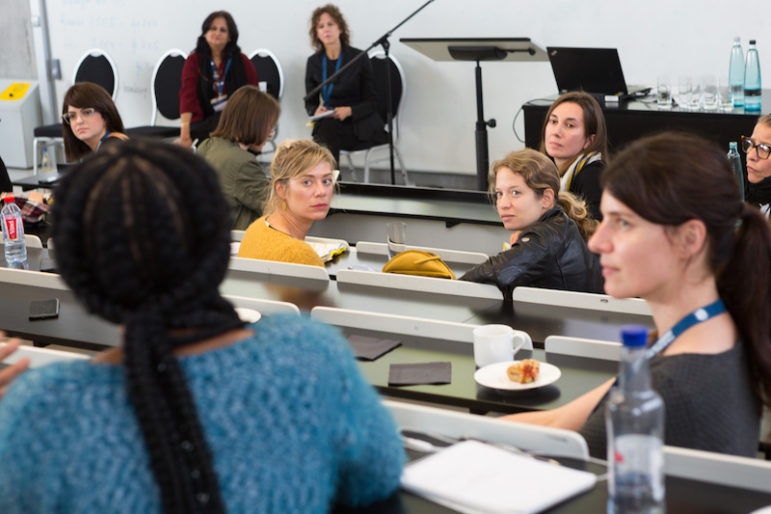
More and more women muckrakers are breaking important stories around the world. But despite increasing numbers and, to a lesser degree, more senior women in the business, there is still a lot to be done to fight inequality and discrimination.
In 2001 GIJN was born, as investigative journalists from around the globe met for the very first time to share ideas, tips, and best practices to strengthen their reporting in a world where journalism was increasingly under threat.
Today the threat has multiplied, and at GIJN we find ourselves under the same pressures as our member organizations. Most urgently: available funding for investigative journalism has been impacted as some longtime funders who supported journalism in the past are no longer doing so or have closed. Yet our work continues, more important than ever before.
GIJN serves as the global hub for the world’s investigative reporters. Our core mission is to support and strengthen investigative journalism—with special attention to those from repressive regimes and marginalized communities.
We are embarking on our first-ever campaign initiative to help us expand our revenue by the end of the year through individual donors. If you have ever joined one of our free webinars, used one of our free resources, learned a new skill thanks to a GIJN training, or simply believe that press freedom is essential to civil society, we ask you to show your support for GIJN’s work with a donation of your choosing. Called “Friends of GIJN,” this campaign includes a more personalized experience, starting in 2027, for individuals who answer the call to join with us during this unprecedented time.
Truth and democracy are under attack around the world. You can fight back by helping GIJN support investigative journalists with free access to the latest tools and techniques — so they can foster justice and hold accountable those who abuse the public trust.
With a staff based in 24 countries, GIJN works in a dozen languages each day, linking together the world’s most enterprising journalists, offering state-of-the-art training, webinars, tip sheets, and a Help Desk that responds to 2,000+ requests for assistance each year. More than 84% of GIJN’s operating budget goes directly to our program work.
Please make a gift today to support journalists on the front lines of the fight for accountability and human rights.