
Investigative Techniques Reporting Tools & Tips
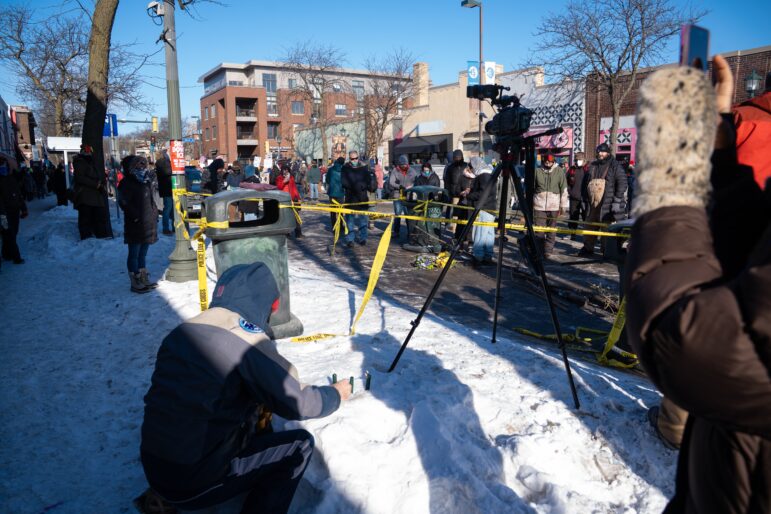
How to Verify Bystander Video
From the Minneapolis shootings to the Guthrie kidnapping, visual investigation skills are now mandatory. Here’s how to do it.
From the Minneapolis shootings to the Guthrie kidnapping, visual investigation skills are now mandatory. Here’s how to do it.
Online research expert Henk van Ess has created a seven-chapter guide that offers reporters step-by-step instructions on how to use social media search to perform investigations of people and subjects and he’s also created a detailed tutorial on using facial recognition technology and best practices for putting these tools together in verifying claims online.

At the NICAR22 conference in Atlanta, Georgia, journalism trainer MaryJo Webster offered a series of basic tips for editors who have little to no data analysis skills.
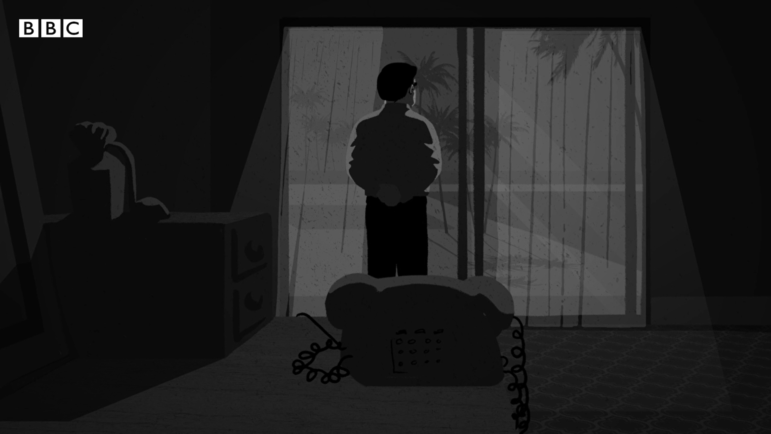
GIJN Arabic interviews BBC reporter Emir Nader about how his investigative team verified the leak of Tunisian President Zine El Abidine Ben Ali’s final, frantic phone calls before his 23-year-long dictatorship crumbled in 2011 at the start of the Arab Spring uprising.
At the end of the year, GIJN compiles a list of its most viewed stories and resources. Here’s the listing for 2020’s top performing resources, including information on how to find satellite imagery and land ownership records for your investigations, as well as tips and strategies for freelancing during the COVID-19 pandemic, and more.
For our series about journalists’ favorite tools, we spoke with Craig Silverman, who leads a global beat on misinformation and media manipulation for BuzzFeed News. An author and award-winning journalist, Silverman shared some his top open source tools for digital investigations and for probing disinformation.
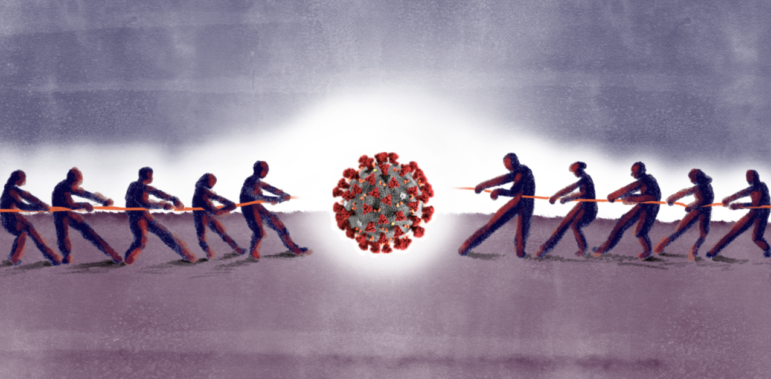
With fact checking organizations having already debunked thousands of falsehoods about COVID-19, investigative reporters are turning their focus to the people and the money behind deliberate disinformation surrounding the pandemic. In a series of interviews with GIJN, seven journalists shared the inside story on how they exposed the forces behind the lies, as well as key tips on the tools and techniques that aided their investigations.

The COVID-19 pandemic, already highly complex, is made even more difficult to report by the proliferation of misinformation about drugs, cures, death rates and more. In this webinar, Reporting COVID-19 Disinformation, two veteran journalists will share their tips and strategies for dealing with the flood of bad information.
What tools do you need to master as you head into your next investigation? We’ve rounded up some of GIJN’s most popular how tos from our story archives, as well as select items from our growing Resource Center.
GIJN asked investigative journalists around the world to look ahead at what’s in store for 2020. Here are the trends, key forces, and challenges they expect will affect investigative and data journalism in the coming year, as well as the new skills and approaches we should be thinking about.
In 2001 GIJN was born, as investigative journalists from around the globe met for the very first time to share ideas, tips, and best practices to strengthen their reporting in a world where journalism was increasingly under threat.
Today the threat has multiplied, and at GIJN we find ourselves under the same pressures as our member organizations. Most urgently: available funding for investigative journalism has been impacted as some longtime funders who supported journalism in the past are no longer doing so or have closed. Yet our work continues, more important than ever before.
GIJN serves as the global hub for the world’s investigative reporters. Our core mission is to support and strengthen investigative journalism—with special attention to those from repressive regimes and marginalized communities.
We are embarking on our first-ever campaign initiative to help us expand our revenue by the end of the year through individual donors. If you have ever joined one of our free webinars, used one of our free resources, learned a new skill thanks to a GIJN training, or simply believe that press freedom is essential to civil society, we ask you to show your support for GIJN’s work with a donation of your choosing. Called “Friends of GIJN,” this campaign includes a more personalized experience, starting in 2027, for individuals who answer the call to join with us during this unprecedented time.
Truth and democracy are under attack around the world. You can fight back by helping GIJN support investigative journalists with free access to the latest tools and techniques — so they can foster justice and hold accountable those who abuse the public trust.
With a staff based in 24 countries, GIJN works in a dozen languages each day, linking together the world’s most enterprising journalists, offering state-of-the-art training, webinars, tip sheets, and a Help Desk that responds to 2,000+ requests for assistance each year. More than 84% of GIJN’s operating budget goes directly to our program work.
Please make a gift today to support journalists on the front lines of the fight for accountability and human rights.