
GIJC23 Reporting Tools & Tips
Waste, Fraud, Abuse: Covering the Environmental Crime Beat
Journalists share stories and tips from their investigations into environmental crimes, from deforestation in the Congo to the Beirut port blast.
Journalists share stories and tips from their investigations into environmental crimes, from deforestation in the Congo to the Beirut port blast.
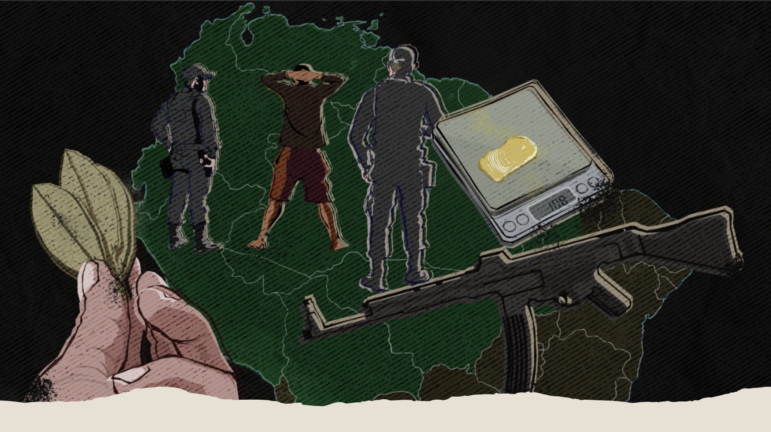
Amazon Underworld is a large-scale project that aims to reveal how organized crime now controls a critical region nearly devoid of governance.
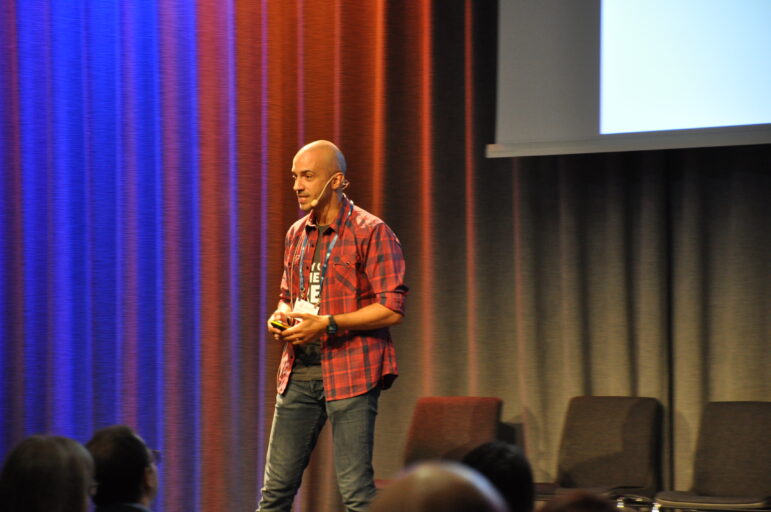
Criminal activity tends to thrive where state oversight is weakest. So it’s no wonder that cryptocurrencies are the financial tool of choice for criminals around the world, which makes insightful coverage of them increasingly important for investigative journalists.
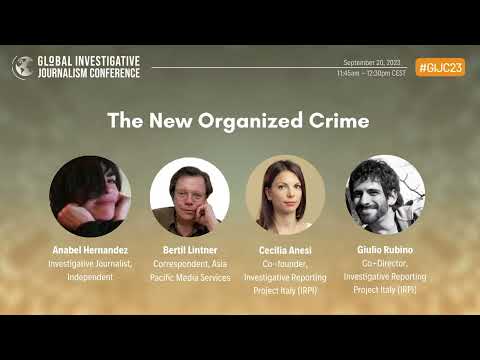
Organized crime today is fluid, transnational, enterprising, and an estimated trillion-dollar industry.
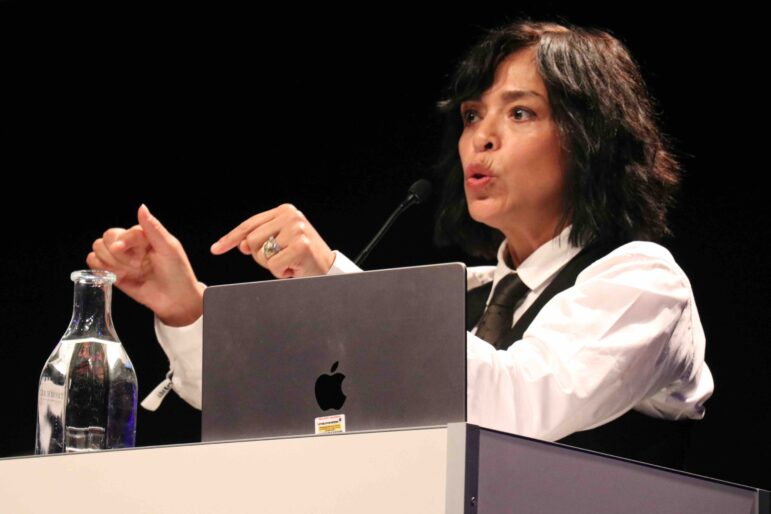
An all-star team of five journalism experts shared their approaches to investigating the ever-evolving world of organized crime.
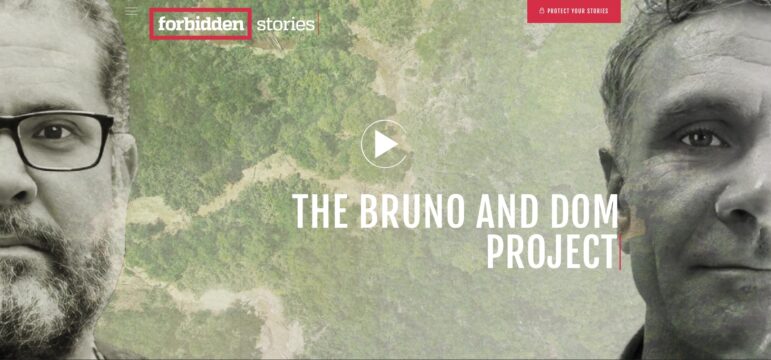
After the British journalist Dom Phillips and the Brazilian Indigenous affairs expert Bruno Pereira were killed, several newsrooms and more than 50 journalists collaborated on Forbidden Stories’ The Bruno and Dom Project, to honor the pair’s legacy and expose illegal activities in the area along the borders of Brazil, Peru, and Colombia, where the men were murdered.
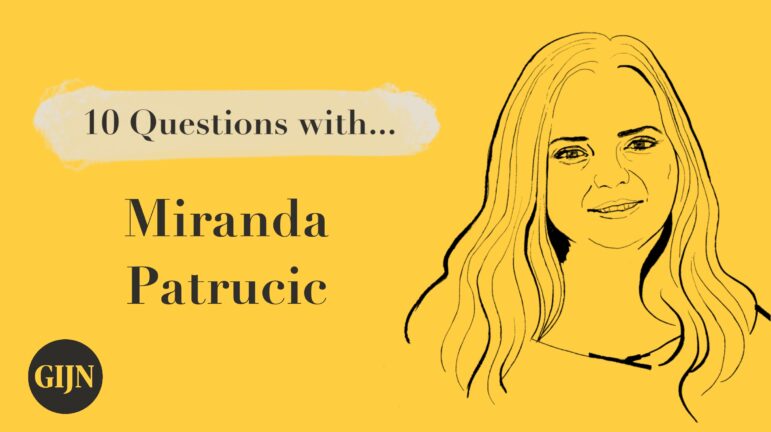
Miranda Patrucic built her career investigating crime and corruption in Central Asia and Azerbaijan. Hear her tips on avoiding burnout, difficult interviews, and in believing in your ability to uncover the truth.
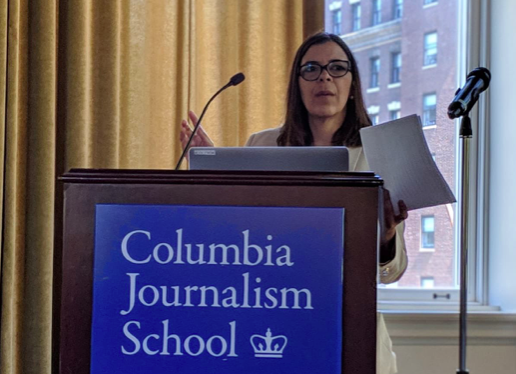
Venezuelan journalist Ronna Rísquez has covered violence and organized crime in South America for more than 20 years. In conversation with LatAm Journalism Review, Rísquez talks about the challenges she has faced practicing journalism as a woman and about the threats she received before publishing her first solo book.
Anabel Hernández is one of the most prominent investigative journalists in Mexico. With more than 30 years of experience, she has dedicated her career to investigating organized crime and the complicity of politicians, the military, and businessmen in the war on drugs in Mexico and beyond.
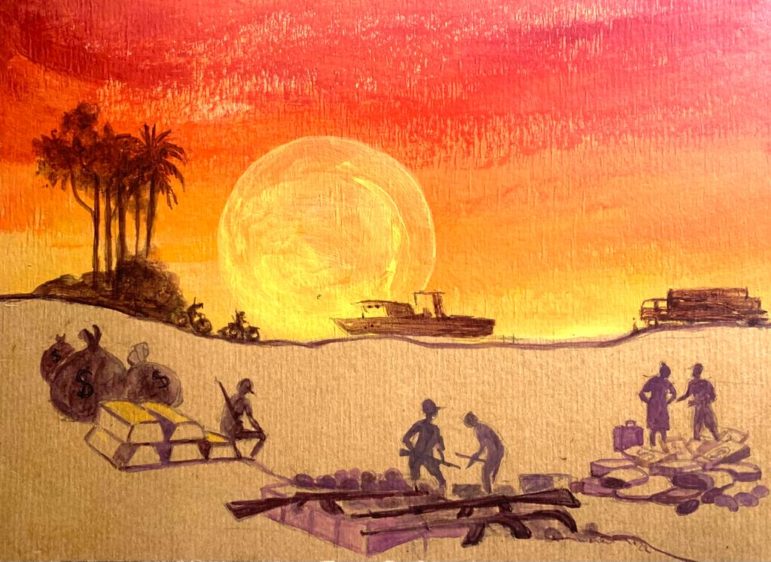
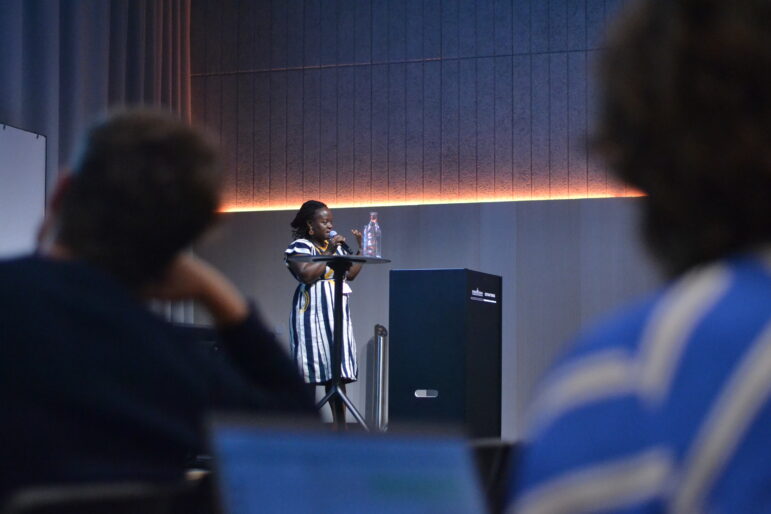
Organized crime is a global phenomenon. But Africa, with its deep-seated corruption and “resource curse,” is particularly hard hit.
In 2001 GIJN was born, as investigative journalists from around the globe met for the very first time to share ideas, tips, and best practices to strengthen their reporting in a world where journalism was increasingly under threat.
Today the threat has multiplied, and at GIJN we find ourselves under the same pressures as our member organizations. Most urgently: available funding for investigative journalism has been impacted as some longtime funders who supported journalism in the past are no longer doing so or have closed. Yet our work continues, more important than ever before.
GIJN serves as the global hub for the world’s investigative reporters. Our core mission is to support and strengthen investigative journalism—with special attention to those from repressive regimes and marginalized communities.
We are embarking on our first-ever campaign initiative to help us expand our revenue by the end of the year through individual donors. If you have ever joined one of our free webinars, used one of our free resources, learned a new skill thanks to a GIJN training, or simply believe that press freedom is essential to civil society, we ask you to show your support for GIJN’s work with a donation of your choosing. Called “Friends of GIJN,” this campaign includes a more personalized experience, starting in 2027, for individuals who answer the call to join with us during this unprecedented time.
Truth and democracy are under attack around the world. You can fight back by helping GIJN support investigative journalists with free access to the latest tools and techniques — so they can foster justice and hold accountable those who abuse the public trust.
With a staff based in 24 countries, GIJN works in a dozen languages each day, linking together the world’s most enterprising journalists, offering state-of-the-art training, webinars, tip sheets, and a Help Desk that responds to 2,000+ requests for assistance each year. More than 84% of GIJN’s operating budget goes directly to our program work.
Please make a gift today to support journalists on the front lines of the fight for accountability and human rights.