Resource Video
GIJC23 – FOIA/RTI Investigations
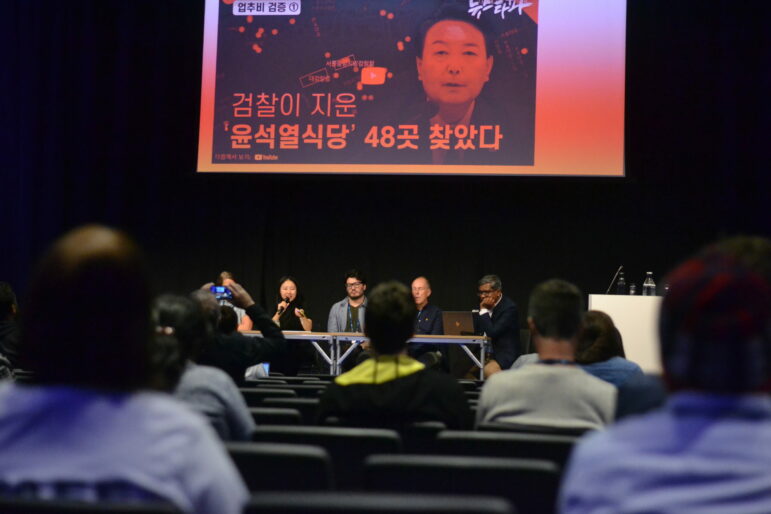
More than half of the world’s countries have laws that require officials to supply public documents on request, offering valuable windows for reporters.
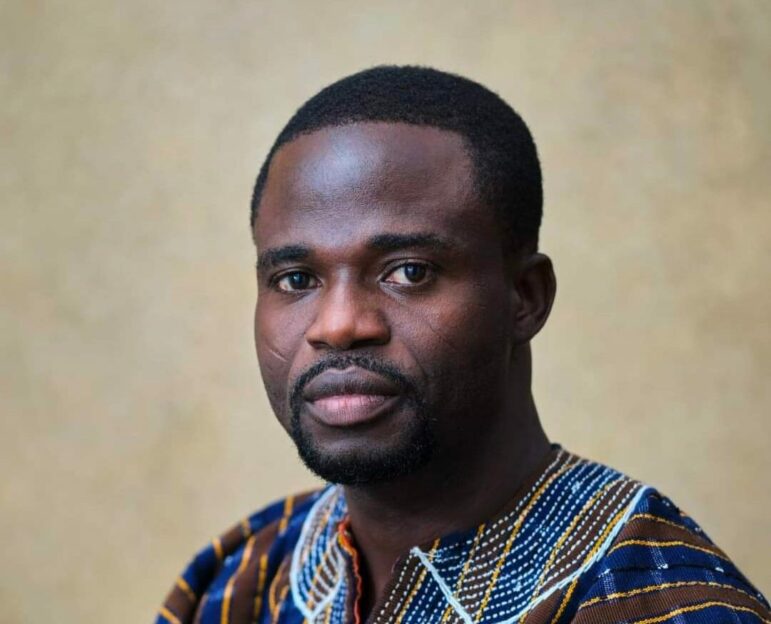
The award-winning Ghanaian journalist Manasseh Azure Awuni says there are a series of challenges that investigative reporters in Africa must confront during the course of their work. Read about the difficulty of getting accurate data, the challenges of impunity, funding issues, and press freedom challenges in this excerpt from his new book.
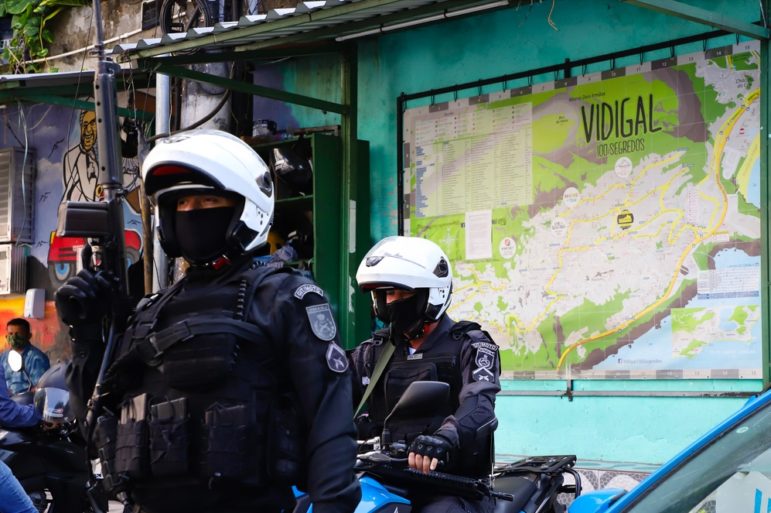
Brazilian journalist Rafael Soares discusses his favorite reporting methods and tools for investigating police misconduct and abuse of power in Rio de Janeiro.
Investigative journalists work tirelessly to get the truth and ensure that the public is informed on topics that are of public interest. Jamlab interviewed nine African investigative journalists to talk about their experiences of reporting in their respective countries.
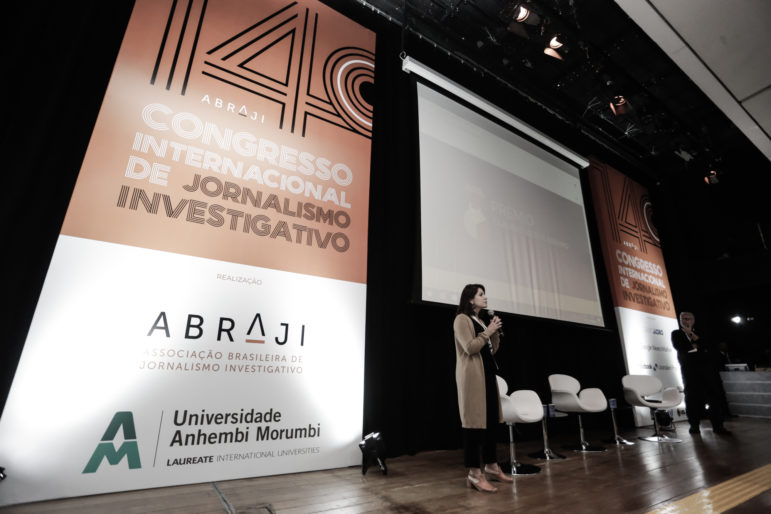
Since its inception 20 years ago, the Brazilian Association of Investigative Journalism (Abraji) has remained faithful to its founding principles: professional training, defense of freedom of expression, and the right of access to public information.
In this edition of GIJN Toolbox, we examine the latest advancements from the IRE22 conference on data extraction and optical character recognition (OCR) tools for turning unwieldy documents into searchable spreadsheets.
OCCRP senior investigator Tom Stocks shares 10 best practices for tracking the mansions and superyachts of Russian oligarchs and officials deemed closest to President Vladimir Putin.
In a session on high-level corruption at #GIJC21, a panel of reporters from Liberia, Ukraine, Sudan, Russia, and Lebanon suggested a series of strategies that can pry facts from obstinate government agencies, find whistleblowers, and deliver alternate forms of accountability for officials seemingly above the law.
Here’s how three Mexican investigative journalists have used public information requests to aid their reporting on drug trafficking and the government’s fight against it.
How widespread is mask use in your country? Our NodeXL #ddj mapping from July 13 to 19 finds The New York Times mapping the odds of people encountering other mask wearers in the United States, two university professors quantifying the number of interruptions a parent suffers on average every hour while working from home, the Committee to Protect Journalists talking to data journalists about the struggles of reporting on COVID-19, and openDemocracy documenting cases of mistreatment of women in labor around the world since the pandemic started.