
Stories

News & Analysis Press Freedom
Watch: Ressa, Muratov Defend Independent Journalism as Antidote to Misinformation and Tyranny in Nobel Speeches
In their acceptance speeches in Oslo, Norway, 2021 Nobel Peace Prize winners Maria Ressa and Dmitry Muratov issued a clarion call to the world to support and defend independent journalism in an era awash in misinformation, propaganda, and rising authoritarianism.
Data Journalism
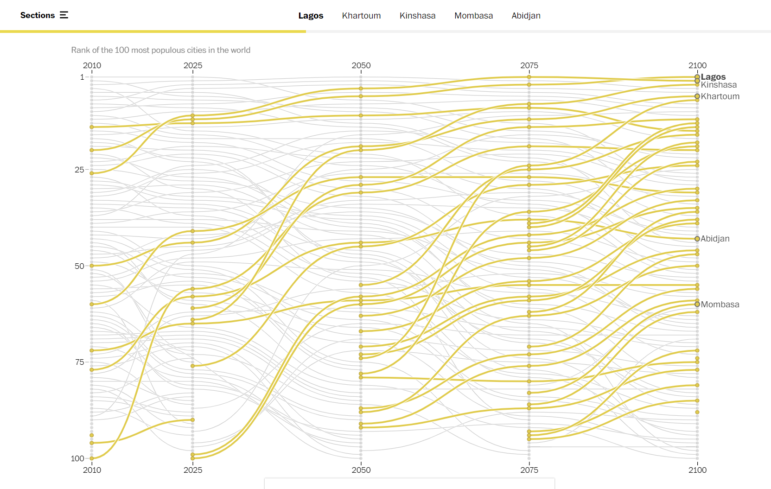
Data Journalism Top 10: Rise of Omicron, Africa’s Growing Cities, Tech’s Glass Ceiling, and Honeybees Self-Quarantining
Our weekly analysis of the most popular data journalism stories on Twitter highlights a story by Spanish newspaper El País analyzing early data on the omicron variant, plus stories on fake news and disinformation in Thailand, climate data, and a story on how artificial intelligence can judge your music taste.

News & Analysis Press Freedom
Reporting Facts to Power: What the 2021 Nobel Peace Prize Means for Journalism
Fact-based journalism has been under siege as newsrooms worldwide struggle against the onslaught of misinformation, disinformation, and falling revenues. But the awarding of the 2021 Nobel Peace Prize to Maria Ressa and Dmitry Muratov, two renowned investigative journalists, is a boost to reporters and highlights the importance of quality journalism for democracy.

News & Analysis Reporting Tools & Tips
Using Snapchat as an Investigative Tool: Q & A with Paul Bradshaw
Can Snapchat, an outlet famous for avatars and disappearing videos, be used by investigative journalists as a reporting tool or as a publishing outlet? How can they use it? And what are the best ways to approach it?
News & Analysis
Document of the Day: US Global Anti-Corruption Plan Spotlights Value of Investigative Journalism
The Biden White House spotlighted its support for investigative journalism as part of a new strategy for fighting corruption around the world. To strengthen the investigative capacity of journalists, it is funding the USAID’s PROSAFE project, helping to “create a regional clearinghouse for investigative journalism that provides a publishing outlet for stories too dangerous to be published with an individual byline, and providing an umbrella organization for security, mentoring, and collaboration among journalists.”
Case Studies News & Analysis
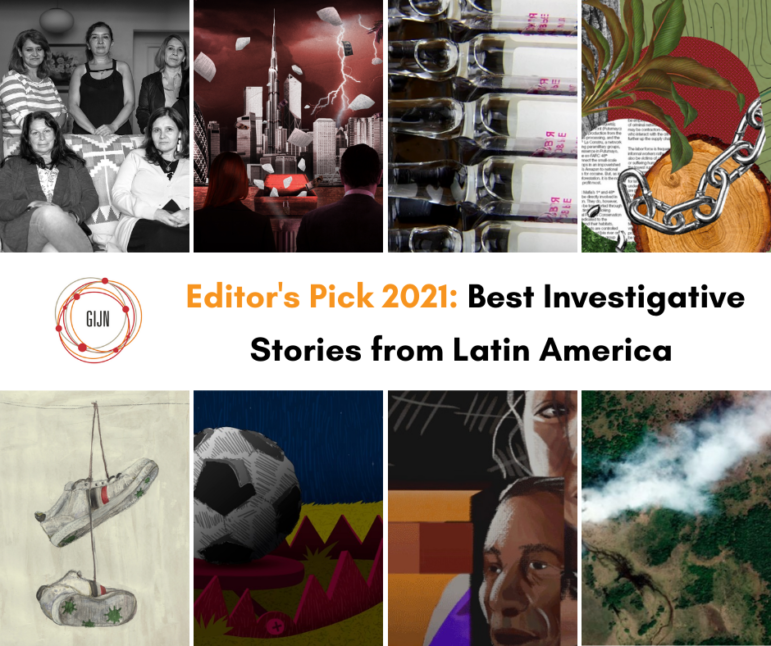
Editor’s Pick: 2021’s Best Investigative Stories from Latin America
Despite a backlash against the media in Latin America, investigative journalists have refused to stay silent. Here we highlight eight of the best investigative stories published in Spanish in the region this year, selecting those that prioritized collaboration, used innovative investigative methods and tools, and those that reached new audiences.

GIJN Webinar: A Conversation with Nobel Laureate Dmitry Muratov
GIJN is pleased to announce an in-depth interview with 2021’s Nobel Peace Prize laureate Dmitry Muratov. Muratov is editor in chief of Russia’s Novaya Gazeta, the nation’s leading independent newspaper.
News & Analysis Press Freedom Sustainability
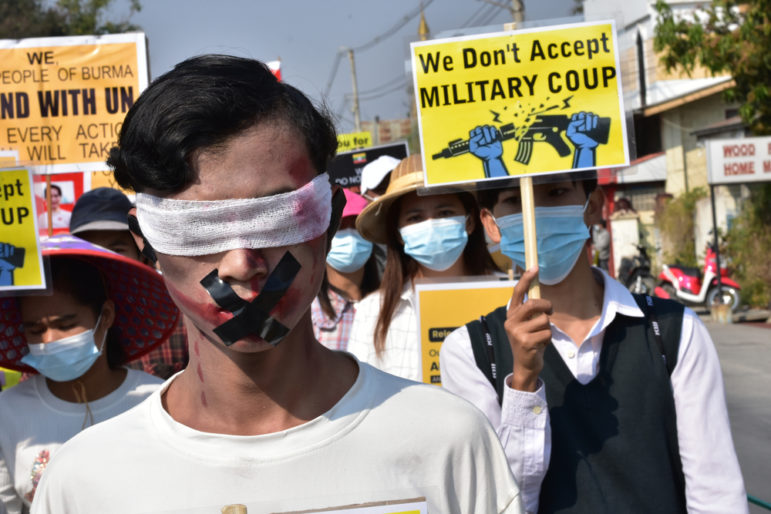
Amid a Press Crackdown in Myanmar, One News Site Survives on Reader Revenue
Even after the coup in Myanmar, Frontier Myanmar has continued reporting on socio-economic issues. Publishing deeply reported pieces has made them popular among their readers. However, the entire website is now behind a paywall and available only to paying members — rates that are high for an average news consumer within a country where roughly 37% of the people live below the poverty line.
Data Journalism
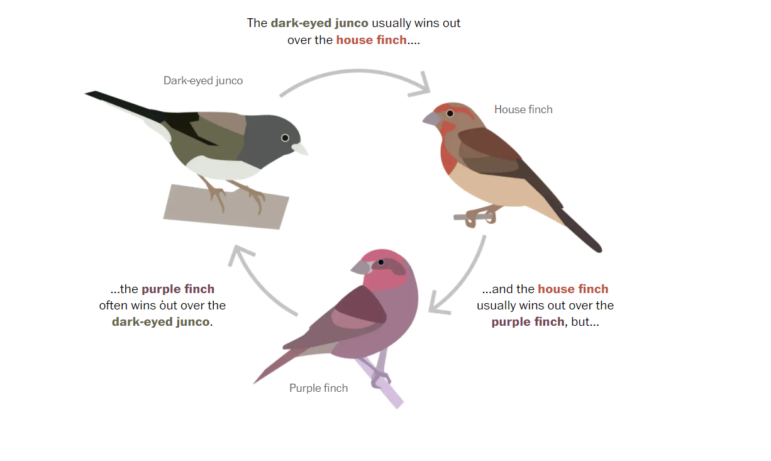
Data Journalism Top 10: Bird Hierarchy, European Trains, Combating Big Tech, Amazon Exports
In the US, lifestyle shifts set in motion by the coronavirus outbreak have led people to relocate. Our weekly analysis of the most popular data journalism stories on Twitter highlights a story by The New York Times looking at the best places to live, an examination of the pecking order of different birds, an investigation into the problems of European rail, and a survey on the state of data journalism.

News & Analysis
Making Your Mark: Tips for Up-and-Coming Investigative Journalists
It’s never been easy to find a job as an investigative journalist, but here six award-winning reporters based in countries from India to Peru give their tips for breaking into the industry.
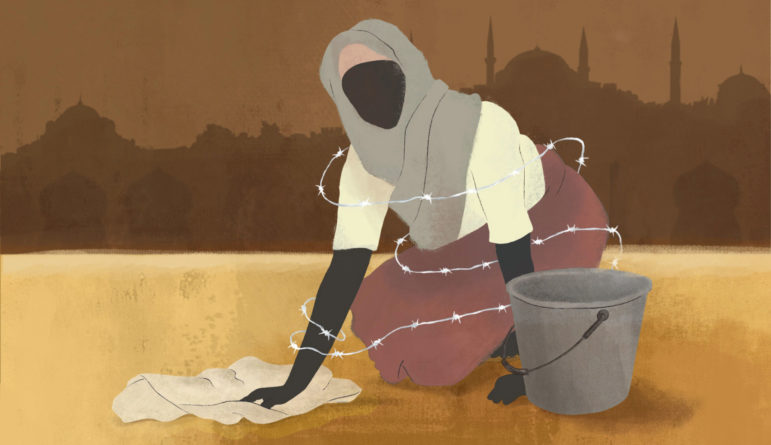
Reporting on Migration in the Gulf: A Revised and Expanded GIJN Guide
There are 23 million migrant workers in the Gulf, but reporting in this region presents a series of unique and often difficult challenges for investigative journalists due to widespread restrictions on press freedom and threats to reporters’ security. GIJN and Migrants-Rights.org have collaborated to update this bilingual guide to educate journalists on best practices, tools, and country-specific resources for covering the subject, all against the backdrop of the ongoing COVID-19 pandemic.
News & Analysis Press Freedom Sustainability
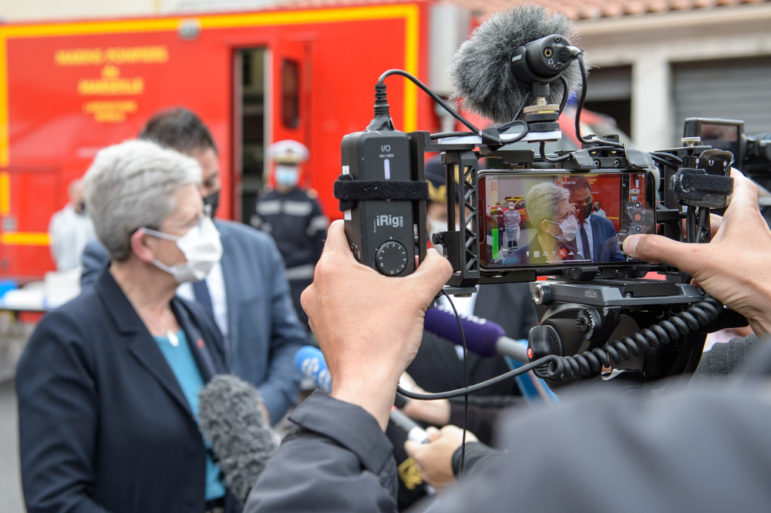
Independent Media Plays a Critical Role in Meeting Humanity’s Greatest Challenges
Press freedom – as exercised by independent news organizations free from the control of governments, political parties and other partisan interests – is fundamental to the development of peaceful, just and democratic societies. These organizations foster dialogue, respect for individual rights and good governance.
Reporting Tools & Tips
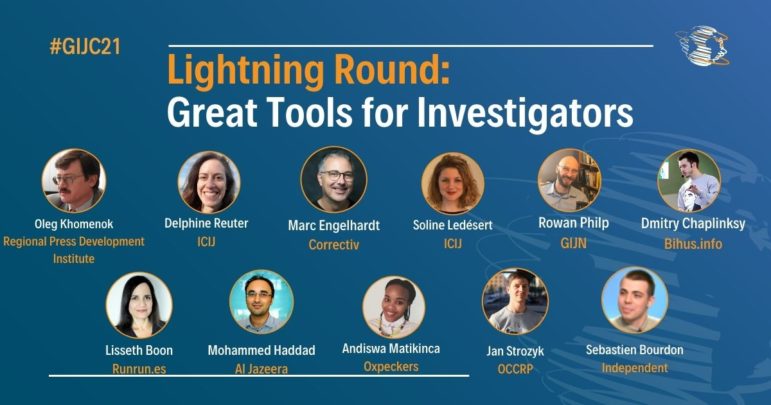
Key Tools and Datasets for Unearthing Hard-to-Find Information
In a lightning round session at #GIJC21, a panel of leading reporters and editors needed just five minutes each to outline new tools and databases that any reporter can use to gather hard-to-find facts.
Methodology
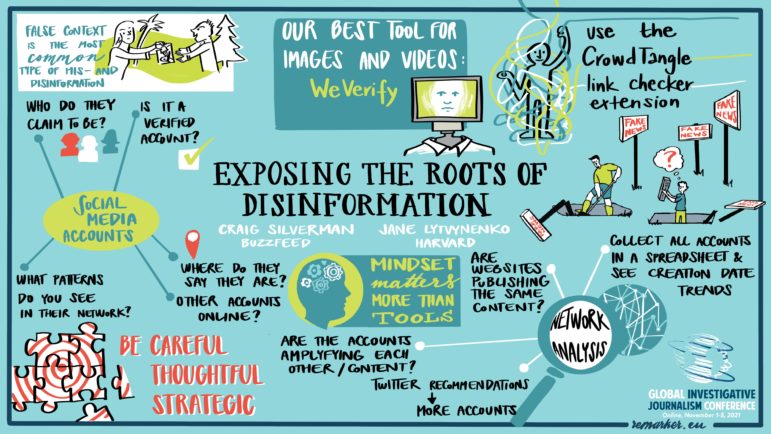
Expert Tips for Digging Out the Roots of Disinformation
At GIJC21, two investigative journalists who have used their cutting-edge expertise in media manipulation to expose scamsters, far-right propagandists, and secret troll farms discussed tracking digital footprints, free resources for content verification — and the kind of tips that might just break a big story.

Reporting Tools & Tips
Tips for Investigating When Governments Shield Crime and Corruption
In a session on high-level corruption at #GIJC21, a panel of reporters from Liberia, Ukraine, Sudan, Russia, and Lebanon suggested a series of strategies that can pry facts from obstinate government agencies, find whistleblowers, and deliver alternate forms of accountability for officials seemingly above the law.
Data Journalism
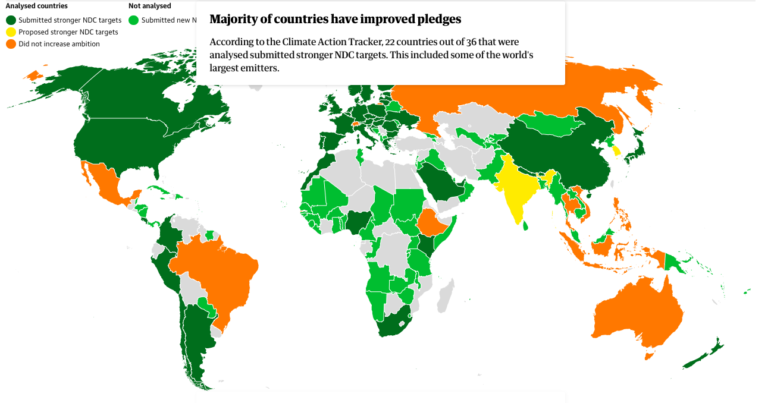
Data Journalism Top 10: Toxic Air, Hidden Emissions, Twitter’s Algorithm, Can Data Die?
Our weekly analysis of the most popular data journalism stories on Twitter highlights a story by the Financial Times into how Europe gets its natural gas and the geopolitics of this industry. In this edition, we also feature major investigations into poisonous air and underreported methane emissions by ProPublica and The Washington Post as well as eight must-read newsletters curated by DataJournalism.com.
News & Analysis
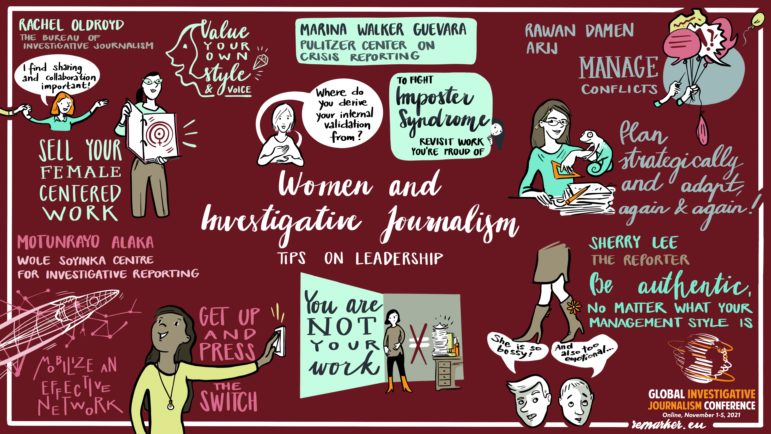
9 Leadership Tips for Women in Investigative Journalism
At GIJC21, a panel of editors and newsroom leaders currently at the helm of leading investigative journalism organizations around the world detailed how they had risen to the top despite the challenges facing women in many newsrooms, and gave tips for female investigative reporters.
News & Analysis
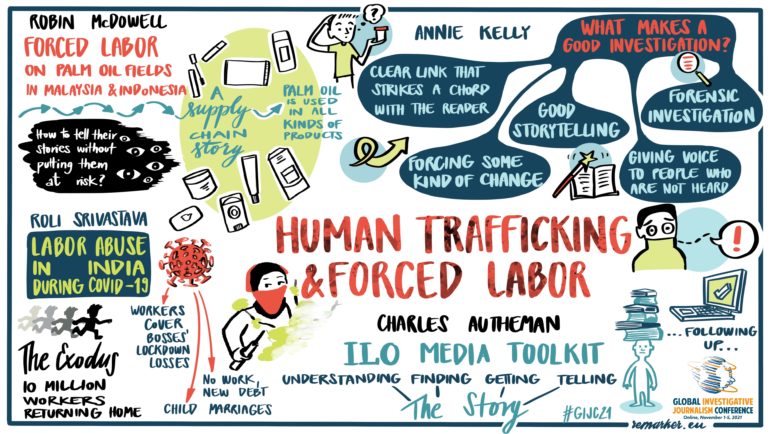
Tips for Reporting on Human Trafficking and Forced Labor
Slavery is not a vestige of the past, and according to UN data there are an estimated 40 million victims of modern slavery today. An all-star team of journalists, editors, and consultants who have investigated and exposed extraordinary cases of modern slavery and forced labor shared their stories and tips for reporters at GIJC21.
Case Studies News & Analysis
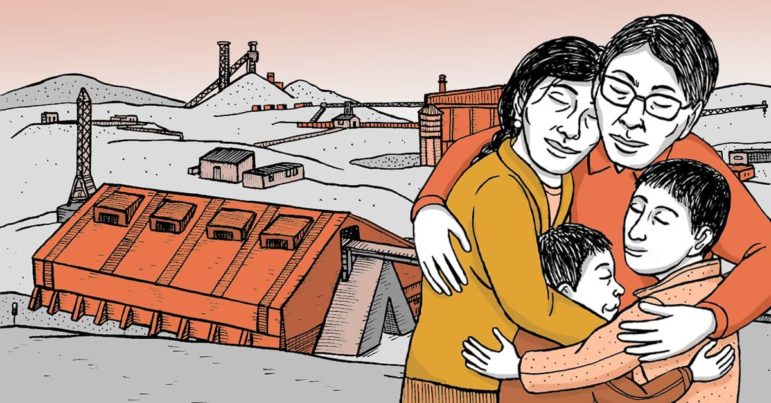
Using Comics, Music, and Theater to Bring Investigative Journalism to New Audiences
Investigative journalism has to compete in a crowded media landscape, in constant competition with other forms of creative content. At GIJC21, investigative reporters who have innovated with innovative storytelling formats shared tips for other outlets interested in using music, theatre, and comics to reach new audiences.

Case Studies
How Three Reporting Teams Crowdsourced Groundbreaking Investigations
From investigating the US Capitol rioters to creating a database of the deaths of the homeless in the UK, to uncovering mistreatment in nursing homes in Australia, crowdsourcing and community-based reporting are changing how investigative journalists across the globe do their work. In this GIJC21 session, journalists share how they did it.
News & Analysis
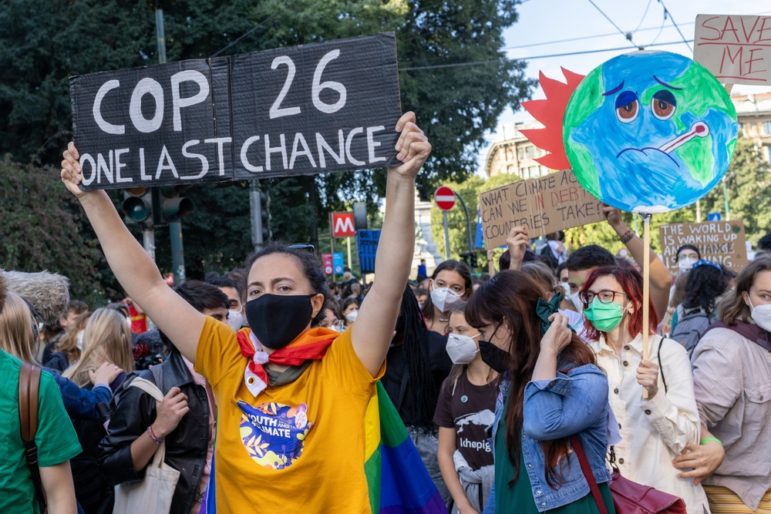
Challenges in Climate Change Coverage Remain: Report from COP26
Among five leading environmental journalists who covered COP26, there is cautious optimism, but also a recognition that there is still much to be done. Speaking at the GIJC21, they highlighted a wide range of topics related to climate change that are still underreported by newsrooms around the world.

Case Studies
Indigenous Journalists Lead on Groundbreaking Investigations
Indigenous communities are often under siege by dominant cultures, and suffer the consequences of colonialism. Their resources stolen, and their people subjected to discrimination and abuse. Indigenous journalists from Australia, Canada, and the United States talk about their award-winning investigations, ranging from forced displacement to fake tribes, and deaths in custody.

Reporting Tools & Tips
Investigative Stories that Can Be Replicated Around the World
At GIJC21, hard-hitting investigations journalists shared some great story ideas that could be replicated by reporters across the globe to bring about changes in their society.

Reporting Tools & Tips
Lessons from the Pandemic: COVID-19 and Health-Pharma Investigations
During the COVID-19 pandemic, journalists worldwide were suddenly thrown into the public health beat, trying to make sense of competing claims, and a science that seemed to change by the day. A session at the GIJC21 walked reporters through the COVID-19 pandemic, offering tips on covering the drug development and approval processes, evaluating scientific studies, unearthing conflicts of interest, and exposing fraud and malpractice.

Reporting Tools & Tips
Turning Dead-Ends Into Breakthroughs Using Visual Investigation Techniques
In an expert panel on visual investigations at #GIJC21, three members of the New York Times’ pioneering team showed that it is now possible to report exactly who did what, and when, at various incidents.
Renewed Resolve from Global Summit of Investigative Journalists
After 80 panels and workshops — presented by 200 speakers and attended by close to 1700 editors and reporters from 148 countries — the 12th Global Investigative Journalism Conference closed with renewed resolve for innovative investigations, and a broad invitation to an in-person conference in Sydney in 2022.
Reporting Tools & Tips
7 Best Practices for More Impactful Investigative Reporting
In a GIJC21 session that focused on stories across the Asia/Pacific region, investigative journalists discussed best reporting best practices and how telling great investigative stories requires a range of skills and determination to uncover the truth.