Accessibility Settings

color options

monochrome muted color dark

reading tools

isolation ruler

Tag

Transparency

125 posts

GIJN’s Top Reads for 2020

At the end of the year, GIJN compiles a list of its most viewed stories and resources. Here’s the listing for 2020’s top performing stories, including stories on the good and bad of South African journalism, how the global pandemic is affecting Africa’s print newspapers, the year’s top investigative podcasts from around the world, and more.

Member Profiles

Powering Up Geo-Journalism for Investigative Environmental Reporting

The South African investigative site Oxpeckers uses a combination of data analysis, collaboration, and interactive data visualization tools to tell the most compelling stories about the land and those accused of damaging it. From mining to environmental crimes and wildlife trafficking, it has brought investigative techniques to beats like mining that were once the preserve of business reporters.

Tips for Investigating COVID-19 in Africa

Africa’s investigative journalists are playing a critical role in unpacking the continent’s expanding pandemic and have already snapped some governments out of their early complacency on COVID-19 preparedness. However, amid warnings about the potential impact of the virus on the continent’s 1.1 billion citizens, four leading African journalists shared strategies for coverage in this critical time in a webinar attended by reporters from 57 countries.

Data Journalism

GIJN’s Data Journalism Top 10: Your Health Data for Sale, Music & Politics, Predictive Journalism, AI Accountability, Data Women

What’s the global data journalism community tweeting about this week? Our NodeXL #ddj mapping from November 11 to 17 finds an investigation by The Financial Times uncovering how private health information is being traded online by health sites to big advertisers, The Economist looking at the correlation between Americans’ music preferences and political leanings, The Bureau of Investigative Journalism investigating the government’s algorithmic decision-making, and the data community coming together to highlight excellent female data journalists.

Data Journalism

GIJN’s Data Journalism Top 10: Dealing Brexit, Following the Money, Swiss Greens, and a Kyrgyz Park Scam

What’s the global data journalism community tweeting about this week? Our NodeXL #ddj mapping from October 21 to 27 finds a panel of leading data visualization practitioners discussing the practice of visualization in an age of disinformation, Kloop exposing how Kyrgyzstani authorities privatized large swaths of a public park with no oversight, and The Guardian highlighting the minimal changes between former British prime minister Theresa May’s Brexit deal with current PM Boris Johnson’s new deal.

Data Journalism

GIJN’s Data Journalism Top 10: Fall Foliage, Housing Data, Knife Crimes, Charts vs. Text

What’s the global data journalism community tweeting about this week? Our NodeXL #ddj mapping from October 7 to 13 finds The New York Times tackling the topic of auto emissions as a significant climate problem, The Washington Post mapping the colors of America’s fall foliage across the nation, St. Louis Post-Dispatch sharing its newsroom process in data transparency, and Nicholas Strayer offering a tutorial to build your own cool resume using R.

News & Analysis

Document of the Day: UK Cities Refuse Public Scrutiny of Accounts

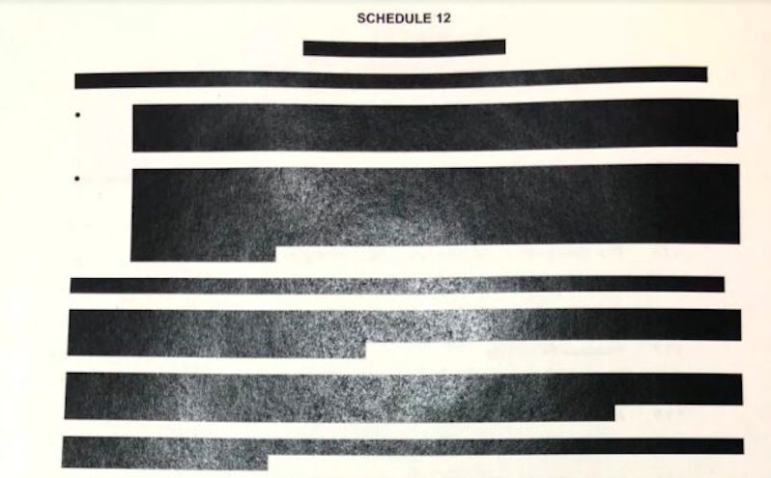
When the Bureau of Investigative Journalism asked to see a contract between property developers and the North London borough of Haringey, its reporters were disappointed to receive a heavily-redacted document. This was part of a drive by the UK nonprofit to test the Local Audit and Accountability Act 2014, which gives citizens and journalists the right to access the accounts and related documents of city councils and other local authorities.

Member Profiles

Fun with FOIA: How MuckRock Is Making Public Records Requests Cool

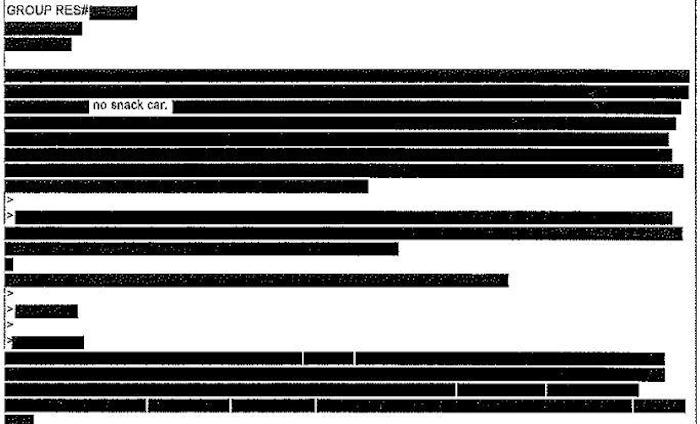
Public records sometimes say the darnedest things. One example: A declassified memo from 1977 shows that the NSA wondered if psychics could nuke cities so that they became lost in time and space (yes, like in the post-apocalyptic anime Akira). Other times, it’s what they don’t say — like when the FBI found it necessary to redact the name of Superman’s alter-ego, Clark Kent.

Reporting Tools & Tips

Essential Reading: A Cheat Sheet for Open Source Digital Security Options

What’s the best way to protect you and your sources from commercial spyware? When the actual systems and applications used in everyday communications aren’t transparent and lack adequate security measures, using open source programs with encryption can be the best line of defense. Katarina Sabados rounded up some options for open source digital security for GIJN.