

GIJC25
Strategies to Investigate the Biometric Technology Boom in the Global South
A panel of three investigative reporters shared practical tips to dig into the rapid deployment of biometric systems in Africa and beyond.
A panel of three investigative reporters shared practical tips to dig into the rapid deployment of biometric systems in Africa and beyond.

Would a group of reporters who knew – for sure – that they were being followed be able to identify the operatives sent to track them?

A panel about the “brave new world” of surveillance at the 2023 IPI World Media Congress in Vienna discusses success stories around the world of journalists and activists pushing back against new and enhanced surveillance methods.

The Uğur Mumcu Investigative Journalism Foundation plays a unique role in Turkey. Decades after its creation, it is still training investigative journalists in the country’s increasingly polarized media environment.

GIJN presents our editor’s picks for the best investigative journalism stories from China and Taiwan during 2022.

A press freedom crisis is rippling across Latin America and in some places the technological, legal, and physical threats have grown so severe that investigative journalists feel compelled to flee their home countries to keep reporting.
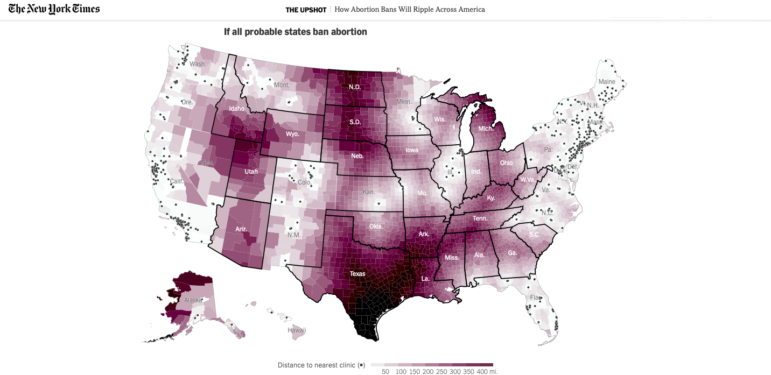
This week’s Top 10 in Data Journalism looks at the impact of the Dobbs US Supreme Court ruling on travel time for women seeking an abortion in the US, China’s intensifying surveillance on its population, the impact of heat waves on fragile populations in Germany, the state of the Russian army after four months of war, and the gender inequity in speeches in the Zurich Parliament.

There is no way for investigative journalists to completely eliminate the risk of being tracked through metadata, but in an interview with Reporters Without Borders, technology expert Benjamin Finn offers a series of tips on how to protect both your sources and yourself.

British lawyer Elizabeth Wiggin has defended investigative journalists from legal challenges in the UK courts and she describes the legal threats, humiliation, and financial ruin that reporters can face while covering stories the rich and powerful do not want published.
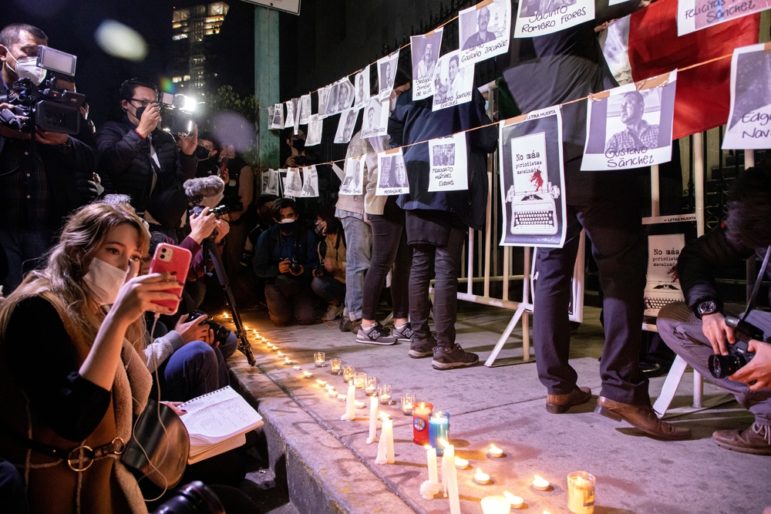
Latin American journalists have faced threats, attacks, and court proceedings just for doing their work. In a GIJN webinar, three leading investigative reporters recounted their experiences and gave their tips on how to face up to these challenges.