Accessibility Settings

color options

monochrome muted color dark

reading tools

isolation ruler

Tag

satellite imagery

44 posts

Data Journalism

Data Journalism Top 10: Snowless Winter Olympics, Food’s Carbon Footprint, Illegal Mining

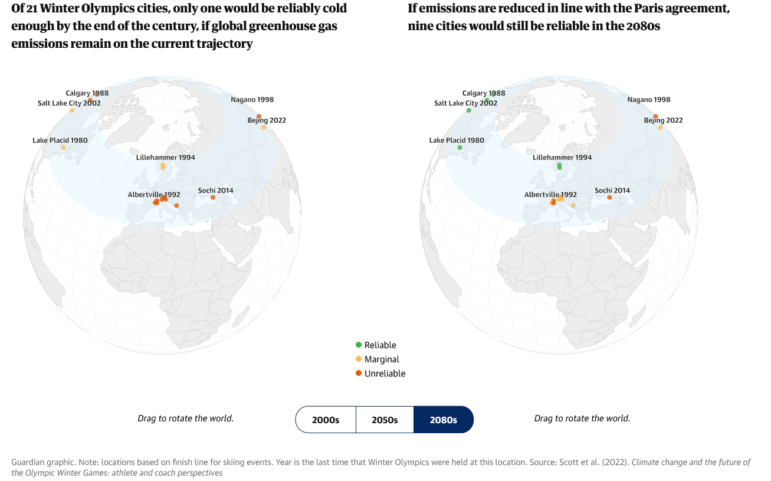
Our weekly NodeXL curation of the most popular data journalism stories on Twitter features several climate change-related stories: snowless Winter Olympics, a look at the carbon footprint of popular food, how the world’s largest beef producer is fueling deforestation in the Amazon, and a Climate Promise Detector project reviewing the stance of presidential candidates on climate change in Costa Rica.

News & Analysis

The Rise of Science-Based Investigative Journalism

Journalists are increasingly using the tools of science journalism and scientific inquiry to carry out in-depth data and investigative reporting, and even to shine a spotlight on questionable scientific findings.

Resource

How Environmental Journalists Can Use NASA’s New Landsat 9 Satellite

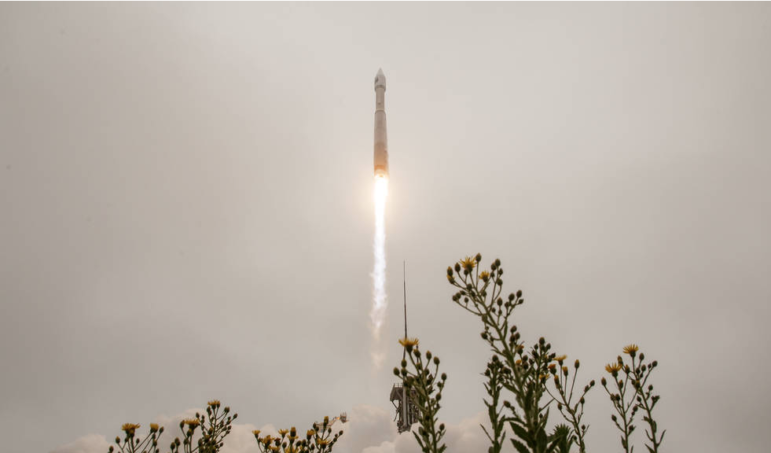
NASA’S Landsat 9 satellite went into orbit on September 27. After about three months of shakedown and calibration, it will be regularly downloading data to anyone who asks. It can show trends in deforestation (or afforestation or reforestation), forest health, agricultural crops, coastal erosion, drought and flooding, and more.

Reporting Tools & Tips

How to Expose Lies from the Skies Using Satellites and Drones

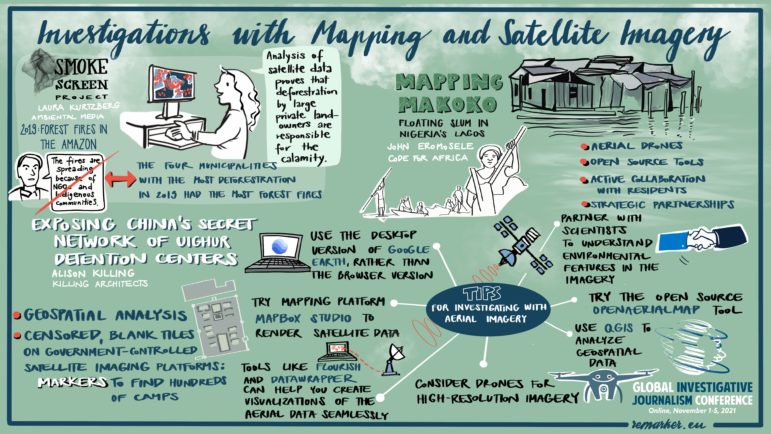
In a GIJC21 session on using maps and satellite imagery for investigations, three experts explained their approaches to analyzing satellite and drone images, and using open source tools. One of the innovative techniques described led to a Pulitzer Prize this year — for exposing China’s network of Muslim detention centers — while another exposed government deception about fires in the Amazon, and a third literally put a vulnerable community in Africa on the map.

My Favorite Tools

My Favorite Tools with Freelance Journalist Théo Englebert

For the latest installment of GIJN’s My Favorite Tools series, we spoke with French freelance reporter Théo Englebert, who drew acclaim last year for revealing that Rwandan colonel Aloys Ntiwiragabo, who is suspected of participating in that country’s 1994 genocide, had been living in France for at least 14 years.

News & Analysis

Deepfake Geography: How AI Can Now Falsify Satellite Images

With more sophisticated AI technologies emerging, researchers warn that “deepfake geography” could become a growing problem. As a result, a team of researchers that set out to identify new ways of detecting fake satellite photos warn of the dangers of falsified geospatial data and call for a system of geographic fact-checking.

Data Journalism

Data Journalism Top 10: Beirut Blast, Predicting Crime, US Election Simulators, and COVID in Ukraine

What was the magnitude of the Beirut port blast and how did it compare to other infamous explosions in history? Our NodeXL #ddj mapping from August 31 to September 6 finds Reuters illustrating just how powerful last month’s blast was in relation to the Chernobyl disaster and other explosions. The Tampa Bay Times highlighted how a county sheriff’s office is using an algorithm to supposedly predict and intercept the criminals of the future, while The New York Times used satellite maps to show how physical and political geographies interact across the United States. ESPN has been looking into the potential of people in college football crowds to become COVID-19 super-spreaders, and Slate analyzed the overuse of the word “murmur” in the popular Twilight novel series.

Data Journalism

Data Journalism Top 10: Unequal Pandemic Impact, COVID Contracts, Tainted Water, Data Ethics

Which communities are most economically affected by the coronavirus pandemic? Our NodeXL #ddj mapping from May 25 to 31 finds the Toronto Star looking at the effects of Canada’s lockdown on different communities in the country, ProPublica sharing a tool that lets you explore United States federal government contracts related to the coronavirus, the Financial Times analyzing excess mortality in 19 countries, and the Knight Center for the Journalism in the Americas offering a free online course on ethics in data journalism.