News & Analysis
Satellite Companies Restrict Journalists’ Access to Images from the Iran War
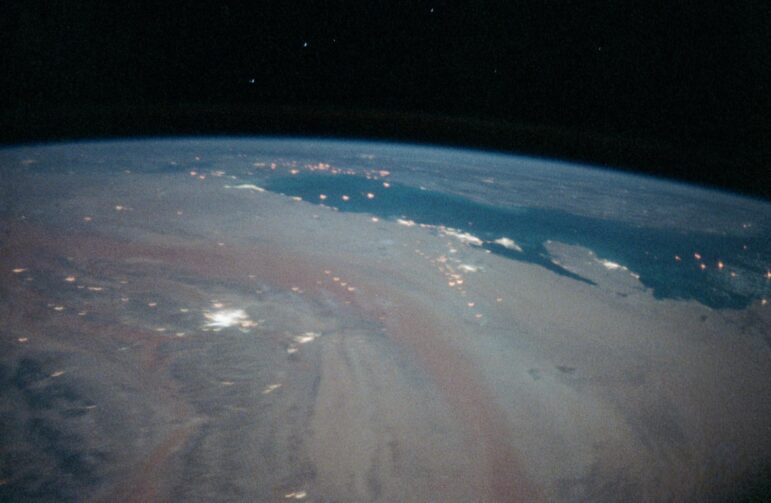
Going forward, two major commercial satellite imagery companies will apply a two-week hold on all images in the companies’ image archives.
At GIJC25, reporters explained how remote sensing, open source verification, and visual forensics are now central to covering conflicts that are inaccessible or dangerous for journalists.
GIJN’s top stories from the past year, including cutting-edge reporting tools and techniques, in-person conference presentations, and analysis of the state of the IJ community.
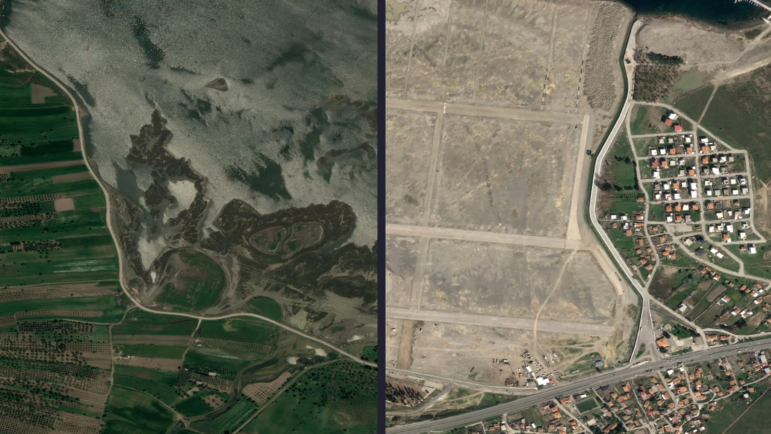
At a recent GIJN webinar, three experts explained how reporters can get regular, free access to high-quality satellite images covering almost anywhere on Earth.
Satellite imagery has become a game-changer for investigative journalism, offering powerful tools to uncover hidden stories.
This GIJN webinar brings together leading experts to share practical advice and tips on navigating this often-overwhelming field. Attendees will learn the best platforms and techniques for obtaining free imagery, strategies for analyzing and processing the data, and ethical considerations when using it in investigative stories. Whether you’re looking to track deforestation, document urban expansion, or investigate geopolitical conflicts, this webinar will equip you with the skills to get started.
In 2024, new and innovative digital tools provided leads and evidence for accountability stories on every continent.
The oil and gas industry is complex and notoriously opaque. But with new tools, it’s become easier for investigators to dig into this field.
There is a treasure trove of compelling visual evidence out there that is going unused by many watchdog journalists. Here’s how to find it.